
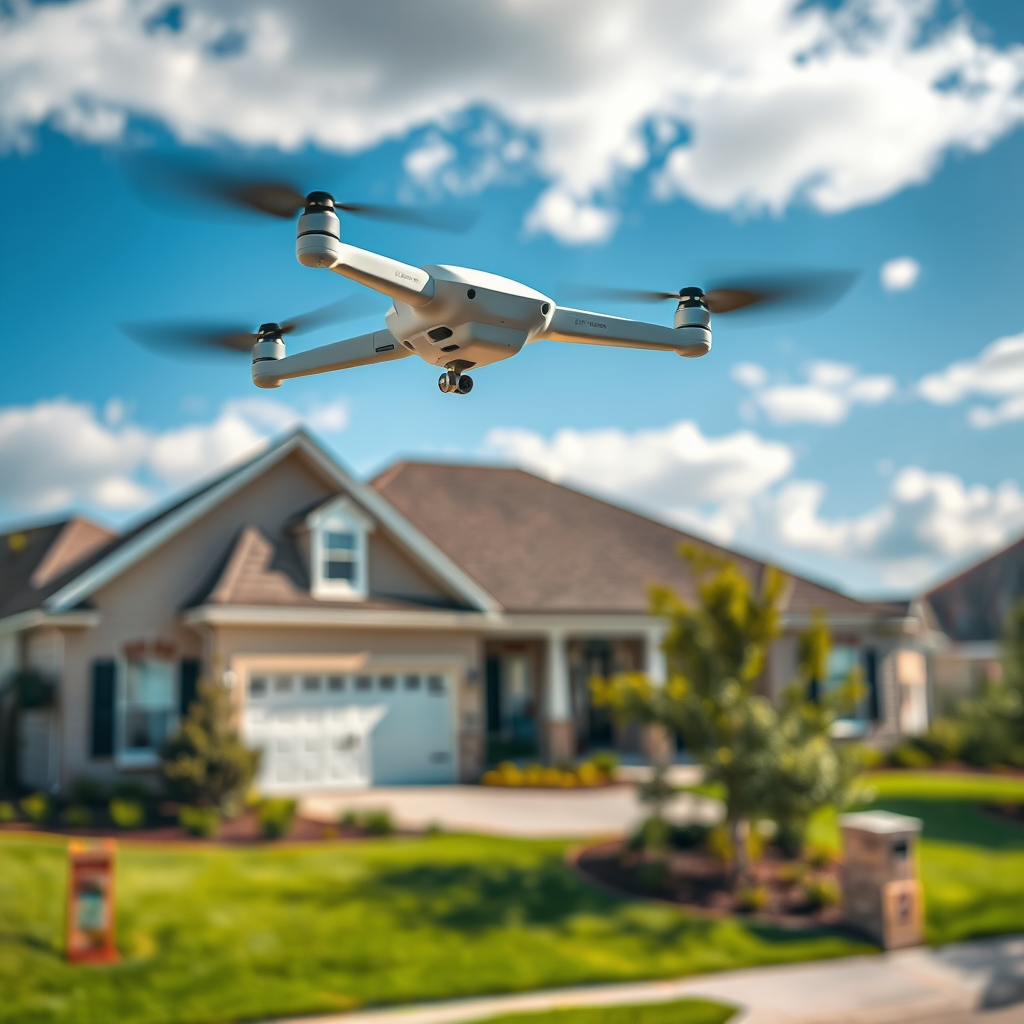
Yes, you can fly your drone over private property in Texas, but there are important legal considerations to keep in mind. Understanding the laws surrounding drone use will help you avoid potential legal issues and ensure that you’re respecting property rights. In Texas, the balance between drone operation and property rights is regulated by both state and federal laws, making it crucial for drone operators to familiarize themselves with these rules to operate safely and legally.
Understanding Texas Drone Laws
Texas has specific laws governing drone use, particularly concerning the operation of drones over private property. The Texas Government Code provides a framework for drone regulations, outlining permissible activities and restrictions. Moreover, the Federal Aviation Administration (FAA) regulations apply nationwide, adding another layer of compliance that drone operators must adhere to. According to FAA regulations, flying over private property is generally permitted as long as drone operators maintain an altitude of at least 400 feet above ground level, avoid restricted airspace, and adhere to safety guidelines.
It is also important to note that Texas enacted Senate Bill 840, which specifically addresses the use of drones in relation to property rights. This legislation prohibits using drones to capture images of private property without the owner’s consent, particularly if the images may be used for commercial purposes. Moreover, drone operators must always maintain visual line-of-sight with their drones, ensuring safe and responsible operation.
Property Rights and Airspace
Property owners have rights to the airspace above their land, but this right is limited to a certain altitude, generally around 500 feet. This means that while you can legally fly your drone over private property, you must be cautious and considerate regarding the proximity to any structures, trees, or individuals on the ground. The concept of “navigable airspace” means that property owners do not have exclusive rights to the airspace above their land at higher altitudes, which is why drone flights at recommended altitudes are generally permissible.
However, trespassing laws may apply if your drone interferes with the property owner’s use or enjoyment of their land. For example, if your drone flies low enough to disturb livestock or intrude upon a homeowner’s private space, you could potentially face legal action for trespassing or invasion of privacy. It’s crucial to respect the airspace and privacy rights of property owners when operating your drone.
Best Practices for Flying Drones
To ensure a smooth and conflict-free drone flying experience, always seek permission from property owners before flying over their land. This proactive approach not only demonstrates respect for their property rights but can also help you avoid potential disputes. A polite request can go a long way, particularly if you explain your intentions and scope of the flight.
Be mindful of privacy concerns, as capturing images or videos can lead to disputes. Many states, including Texas, have laws against the unauthorized collection of images or data from private property, especially if that data could infringe upon the privacy rights of individuals. If you’re planning to take photos or videos while flying, it’s advisable to obtain explicit consent from property owners and to be aware of the specific regulations concerning aerial photography.
Additionally, familiarize yourself with local ordinances, as some municipalities may have additional restrictions on drone use, including designated no-fly zones, flight time limitations, and specific operational guidelines.
Consequences of Violating Drone Regulations
Violating drone regulations can lead to fines or legal action from property owners or law enforcement. The FAA can impose penalties for failing to comply with federal regulations, which can include civil fines that can accumulate to a significant amount, depending on the severity of the violation. Moreover, if a property owner feels that their rights have been infringed upon, they could pursue civil remedies, including seeking damages or an injunction against your drone operations.
In Texas, local ordinances may also impose additional restrictions, which can vary by city or county. For instance, certain urban areas might have more stringent regulations regarding drone flights in residential neighborhoods. Therefore, it’s essential to stay informed about local regulations to avoid any unexpected legal consequences.
Drone Insurance and Liability
Consider obtaining drone insurance to protect yourself from liability claims in case of accidents or damages. Drone insurance can cover a range of incidents, including property damage, bodily injury, and even legal fees associated with disputes arising from your drone operations. Policies can vary widely, so it’s advisable to research and find coverage that specifically caters to drone operators.
Drone insurance can also provide peace of mind when flying over private property, as it can help mitigate the financial risks associated with potential accidents. Even experienced drone pilots can encounter unforeseen issues, such as equipment malfunctions or sudden weather changes, which could lead to accidents. Having insurance coverage can ensure that you are protected against these unpredictable factors.
Resources for Drone Pilots
Utilize online resources and local drone clubs to stay informed about the latest regulations and best practices for flying in Texas. Websites like the FAA’s official page provide essential information regarding drone registration, compliance requirements, and updates on evolving regulations. Additionally, joining local drone clubs can offer networking opportunities, knowledge sharing, and community support for drone enthusiasts, allowing you to learn from more experienced pilots.
Consider attending workshops or seminars that focus on drone safety and legal compliance. Many organizations offer educational resources that can improve your proficiency and understanding of drone operations, ensuring that you remain a responsible pilot.
In conclusion, while you can fly your drone over private property in Texas, it’s crucial to be aware of the laws and respect the rights of property owners. Always seek permission when possible and stay informed about regulations to ensure a safe and enjoyable flying experience. By following best practices and understanding your legal obligations, you can enjoy the freedom of drone flying while minimizing the risk of conflicts and legal repercussions.
Frequently Asked Questions
Can I fly my drone over private property in Texas without permission?
In Texas, you cannot fly your drone over private property without the owner’s permission. While the Federal Aviation Administration (FAA) regulates airspace and allows drones to fly at certain altitudes, property owners maintain rights to the airspace above their land up to a certain height. To avoid potential legal issues, it’s best to seek permission before flying your drone over someone else’s property.
What are the legal restrictions for flying drones in Texas?
In Texas, drone operators must comply with FAA regulations, which include flying below 400 feet, maintaining visual line-of-sight, and avoiding restricted airspace such as near airports and military bases. Additionally, the Texas state law prohibits the use of drones for invasive surveillance or harassment of individuals, and flying over private property without consent can lead to civil liabilities. Always check local ordinances as they may impose further restrictions.
How can I get permission to fly my drone over private property in Texas?
To obtain permission to fly your drone over private property in Texas, you should directly contact the property owner and explain your intentions. Be clear about when you plan to fly and how it will not interfere with their privacy or property. Documenting this permission in writing can also protect you legally. Engaging with local drone communities or online forums may provide additional insights on best practices for obtaining consent.
Why is it important to ask for permission to fly a drone over private property?
Asking for permission to fly a drone over private property is crucial to respect the property owner’s rights and avoid potential legal conflicts. Trespassing laws can lead to civil lawsuits, and property owners may view unauthorized drone flights as invasive or threatening. By requesting consent, you promote good relations with the community and ensure a responsible drone operation that upholds legal and ethical standards.
What should I do if a property owner denies me permission to fly my drone?
If a property owner denies you permission to fly your drone, it’s essential to respect their decision and seek alternative locations for your flight. Flying without consent can lead to legal repercussions, including trespassing charges. You can also consider explaining your purpose and offering to fly at a distance that respects their privacy, or look for public areas nearby where drone operations are permitted.
References
- https://www.faa.gov/uas/getting_started/part_107
- https://www.tsl.texas.gov/ref/abouttx/faq/faq_drone.html
- https://www.texas.gov/en/government/faq/drone-laws.html
- https://www.nolo.com/legal-encyclopedia/drone-laws-texas-32863.html
- https://www.wfaa.com/article/news/local/texas-drone-laws/287-605b36e6-433d-4f83-87ef-2c6b314b8f4d
- https://www.texastribune.org/2021/04/30/texas-drone-laws-2021/
- https://www.aviation.gov/uas/faq
- https://www.law.cornell.edu/wex/drone
