
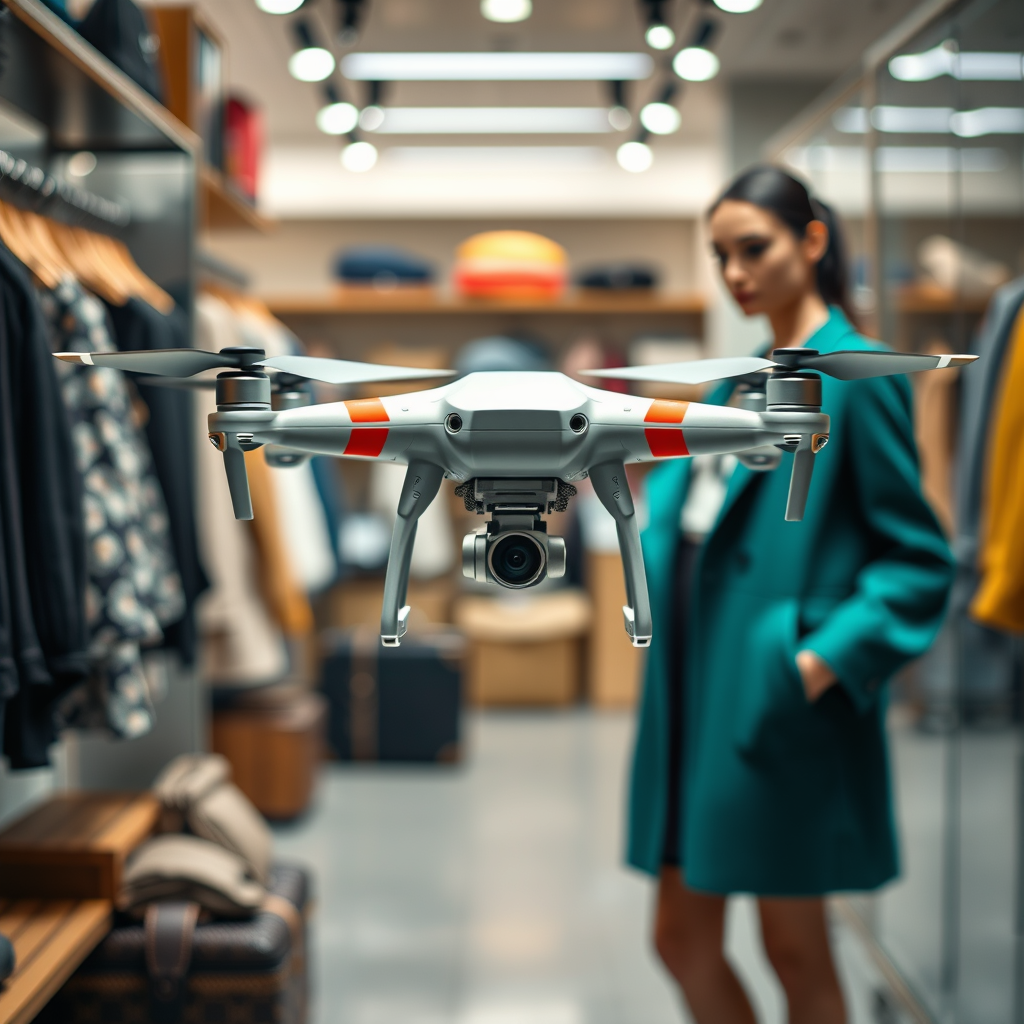
Yes, you can pack a drone in your suitcase, but there are important considerations to keep in mind. Traveling with a drone involves navigating a complex landscape of airline regulations, battery restrictions, and legalities at your destination. With the right preparation and knowledge, you can ensure a smooth travel experience while enjoying the benefits of capturing stunning aerial footage in new locations. This article will guide you through the key aspects of traveling with your drone, from understanding airline regulations to packing essentials.
Understanding Airline Regulations
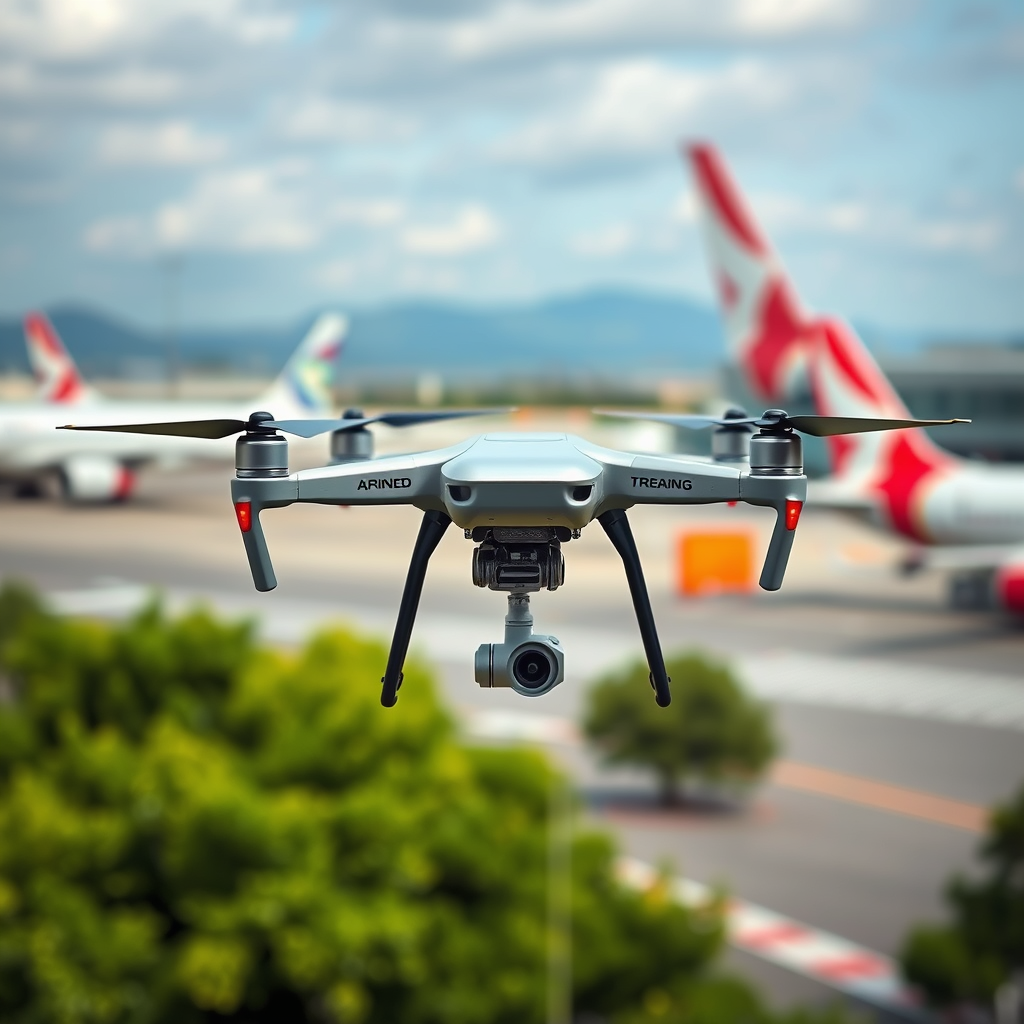
When traveling with a drone, the first step is to familiarize yourself with the specific regulations set by your airline. Different airlines have unique restrictions regarding the transport of drones, often influenced by safety protocols and national regulations. For instance, some airlines may allow drones in checked luggage, while others may require them to be carried on. It’s crucial to check the airline’s policy on battery sizes, weight limits, and whether the drone needs to be disassembled. For example, budget airlines might impose stricter restrictions compared to major carriers, so always verify these details prior to your trip.
Additionally, some airlines may have specific guidelines regarding the type of batteries that can be transported. Lithium batteries, which power most drones, are subject to specific watt-hour limits. Make sure to consult both the airline’s website and their customer service for any updates or changes to their policy before your departure.
Preparing Your Drone for Travel
Properly preparing your drone for travel is essential to avoid damage during transit. Start by disassembling any removable parts that could be vulnerable to impact. This typically includes removing the propellers, which are not only fragile but can also pose a safety risk if they accidentally engage. Secure all components, such as cameras and gimbals, to prevent them from moving around in your suitcase.
It’s advisable to use a padded case specifically designed for drones or the original packaging if available. Such cases provide additional cushioning and protection against shocks and vibrations that can occur during travel. For example, using a hard case can minimize the risk of damage from rough handling or stacking in luggage compartments.
Battery Considerations
One of the most critical aspects of traveling with a drone is understanding battery regulations. Most airlines restrict lithium batteries to carry-on luggage due to fire hazards associated with lithium-ion batteries. This means you should not pack your drone’s batteries in your checked baggage. Instead, ensure that the batteries are under the watt-hour limit set by the airline, which is typically 100 watt-hours for carry-on items.
If your drone’s battery exceeds this limit, you may need to consider purchasing a smaller battery or even renting a drone at your destination. Additionally, it’s wise to carry spare batteries in their original packaging or in battery bags designed to contain any potential fires. Keeping your batteries in an accessible compartment of your carry-on will also facilitate faster security checks at the airport.
Legal Restrictions at Destinations
Before embarking on your journey, it is imperative to research the drone regulations of your travel destination. Many countries have stringent rules governing the use of drones, which can include requiring permits, registration, and even insurance. For example, in places like the United Kingdom, drone operators must adhere to the Civil Aviation Authority’s guidelines, which may include restrictions on where you can fly drones, especially in urban areas or near airports.
Certain countries, such as Japan and Iceland, have designated no-fly zones that you must respect to avoid hefty fines or confiscation of your equipment. Familiarize yourself with local laws through government websites or drone enthusiast forums, and consider downloading apps that provide real-time information on no-fly zones.
Tips for Smooth Travel Experience
To ensure a hassle-free travel experience with your drone, consider the following tips:
1. Arrive Early: Airports often have long security lines, and carrying a drone can lead to additional screening. Arriving early allows you enough time to handle any potential delays.
2. Documentation: Keep important documentation, such as drone registration certificates, insurance papers, and any required permits, in a readily accessible location in your carry-on. Presenting these documents can mitigate issues during security checks.
3. Be Polite and Informative: When interacting with airport staff or security personnel, stay calm and be prepared to explain your drone’s purpose. Being courteous can often lead to smoother interactions.
4. Pack Smart: While you want to keep your drone safe, you should also ensure that your carry-on remains manageable. A lightweight backpack designed for drone transport can make it easier to navigate through the airport and your travel destination.
Packing Essentials for Drones
In addition to your drone and batteries, consider packing the following essentials to enhance your travel experience:
– Extra Storage Cards: High-resolution footage can quickly fill up storage. Bringing extra SD cards ensures you won’t miss a moment due to lack of space.
– Tools for Assembly: Include small tools for quick repairs or adjustments. A mini screwdriver set can be invaluable if you encounter any issues with your drone.
– Chargers and Power Banks: Ensure that you have all necessary chargers for your drone and batteries. A portable power bank can also be useful for recharging devices on the go.
– Lightweight Backpack: Consider investing in a durable, lightweight backpack that is specifically designed for drone transport. This makes it easier to carry your equipment while exploring your destination.
In conclusion, while you can pack a drone in your suitcase, it is essential to adhere to airline regulations and prepare your drone properly for travel. Understanding battery restrictions, legal limitations at your destination, and packing essentials can significantly enhance your travel experience. By doing thorough research and planning ahead, you can enjoy capturing stunning aerial footage without the stress of legal complications or travel disruptions. Happy flying!
Frequently Asked Questions
Can I pack a drone in my suitcase when flying?
Yes, you can pack a drone in your suitcase, but there are specific guidelines to follow. Most airlines allow drones as checked baggage, but you should always check with your airline for their specific policies. Additionally, it’s important to remove the battery and carry it in your carry-on luggage due to safety regulations regarding lithium batteries.
What are the airline regulations for traveling with a drone?
Airline regulations for traveling with a drone can vary by airline and country, so it’s crucial to do your research before your trip. Generally, drones are considered electronic devices, and their batteries must be carried in the cabin. Most airlines permit drones under a certain weight, but you should confirm size limits and any necessary documentation or permits required for your destination.
How should I pack my drone to prevent damage during travel?
To prevent damage to your drone during travel, you should use a padded case or a hard-shell carrying case specifically designed for drones. Ensure that all propellers are removed or secured, and protect the camera and gimbal with appropriate padding. Additionally, packing the drone tightly in the suitcase can help minimize movement and potential damage.
Why is it important to remove the drone battery when traveling?
Removing the drone battery when traveling is crucial due to safety regulations regarding lithium batteries, which can pose fire hazards if damaged. Airlines typically require that these batteries be carried in your carry-on luggage to ensure they are easily accessible in case of emergencies. This practice also helps you comply with aviation safety regulations and provides peace of mind during your journey.
Which drones are best for traveling, based on size and portability?
The best drones for traveling are typically compact and lightweight models that are easy to pack. Options like the DJI Mini series or the Parrot Anafi are highly regarded for their portability, folding capabilities, and impressive performance. These drones usually fit conveniently in a carry-on bag and allow you to capture stunning aerial footage without the hassle of bulky equipment.
References
- https://www.faa.gov/uas/getting_started/registration
- https://www.tsa.gov/travel/security-screening/whatcanibring
- https://www.wired.com/story/how-to-pack-drone-travel/
- https://www.nytimes.com/2021/03/24/travel/drone-travel-tips.html
- https://www.theguardian.com/technology/2020/sep/13/traveling-with-a-drone-what-you-need-to-know
- https://www.nps.gov/articles/drone-regulations-in-national-parks.htm
