
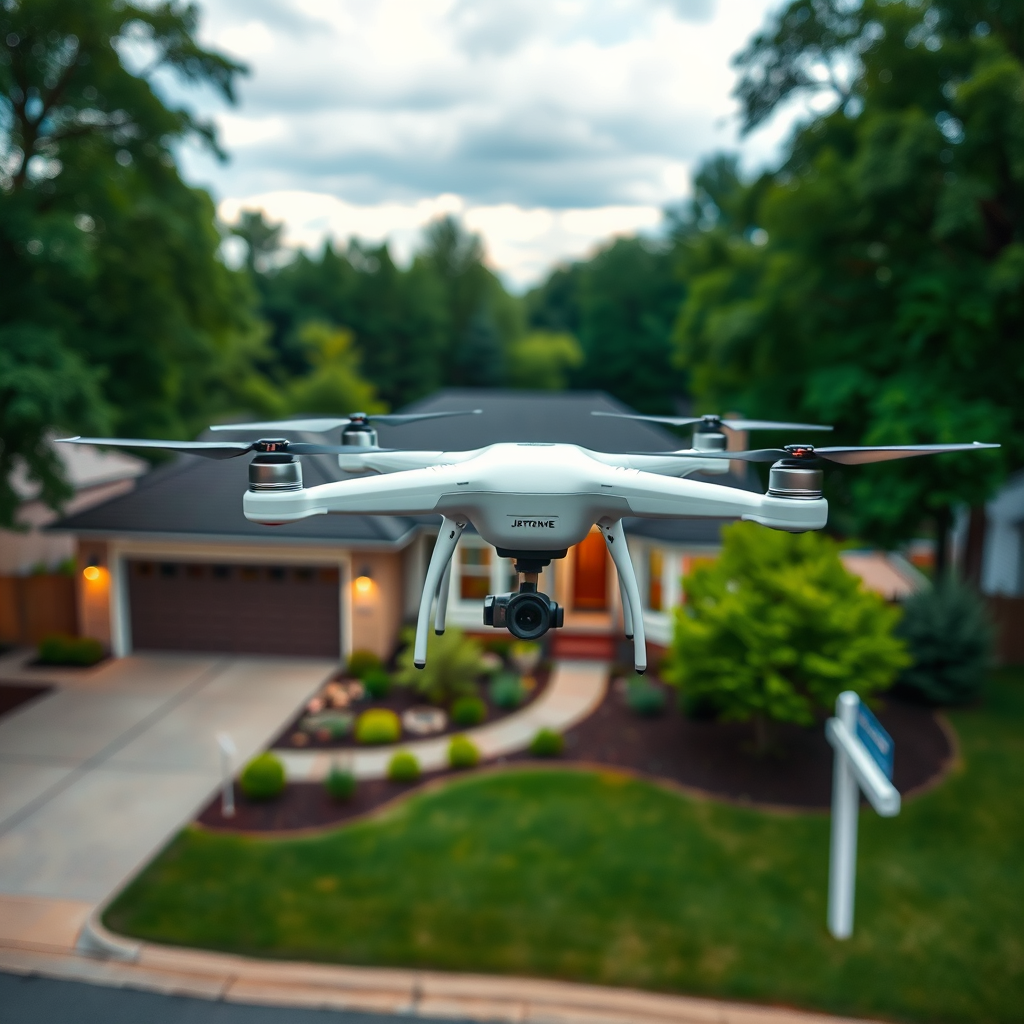
Yes, you can shoot a drone over your property in Indiana, but there are legal considerations and consequences to keep in mind. While property owners have certain rights regarding their airspace, the act of shooting down a drone can lead to significant legal ramifications, including both state and federal charges. Understanding the intricacies of local laws, privacy rights, and federal regulations is essential for any property owner contemplating such actions.
Understanding Indiana Drone Laws
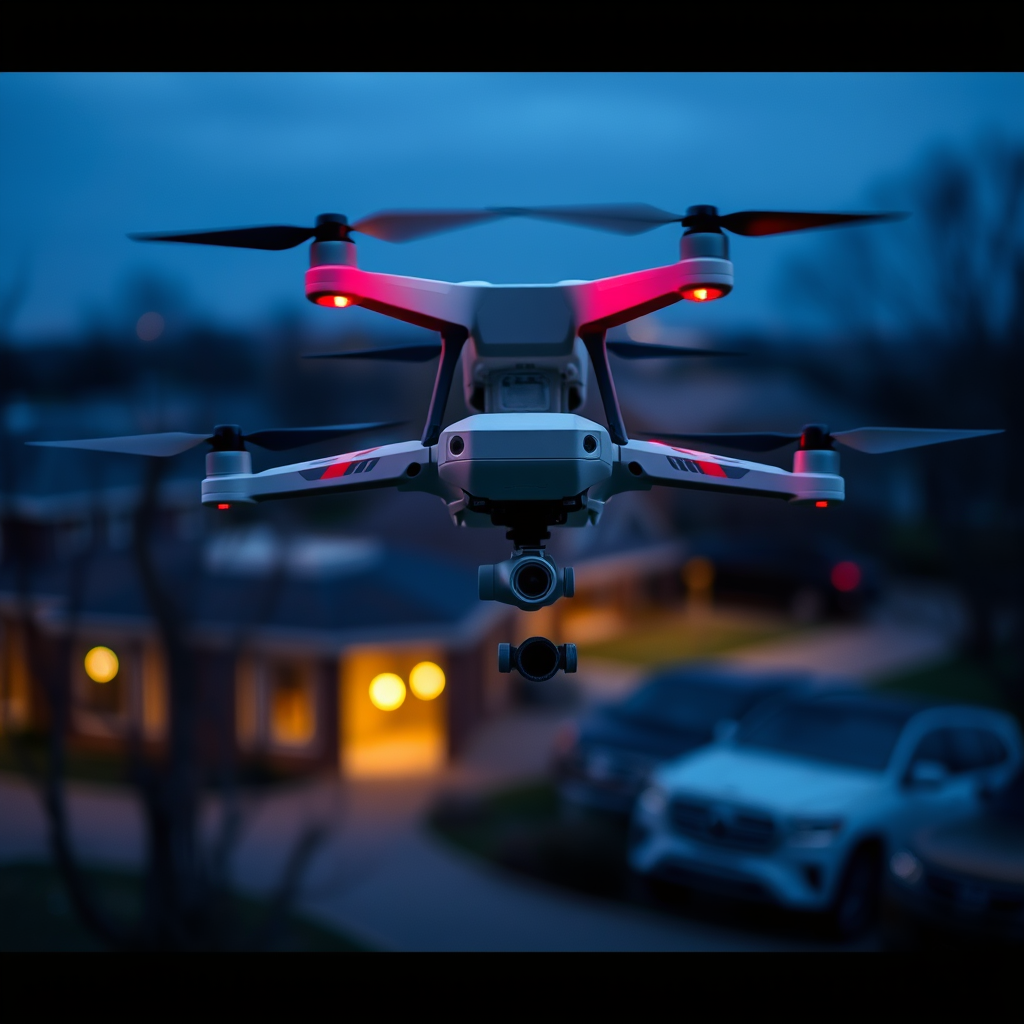
Indiana adheres to federal regulations concerning drone operation as established by the Federal Aviation Administration (FAA). These regulations dictate how drones can be operated, including stipulations about altitude, registration, and flight paths. The FAA requires that most drones weighing more than 0.55 pounds be registered, and operators must adhere to specific guidelines regarding where they can fly, particularly near airports and populated areas.
In addition to the federal framework, Indiana state law addresses privacy concerns and property rights. Indiana Code Title 32, Article 30 details that individuals flying drones must respect the privacy of others and not invade their airspace with malicious intent. This dual layer of regulation means that while you may have a right to defend your property, you must also consider the broader legal context governing drone use.
Property Rights and Drones
Property owners do possess rights over the airspace above their land, but these rights are not absolute. Generally, the law recognizes that property rights diminish at higher altitudes, typically around 200 feet above ground level, where the airspace becomes public. This means that while you may feel entitled to protect your property from a drone hovering above, the legality of shooting it down is questionable.
Shooting a drone can be construed as destruction of property, which could lead to criminal charges. For instance, if you shoot down a drone that belongs to someone else, you may face charges for vandalism or criminal mischief. Moreover, the drone’s operator could pursue civil action against you for damages, further complicating the situation. Therefore, it is crucial to understand the limitations of your airspace rights and the potential consequences of taking action against a drone.
Federal Regulations on Drones
The FAA classifies drones as aircraft, subjecting their operation to rigorous regulations. These include requirements for registration, adherence to designated airspace, and maintenance of visual line-of-sight during operations. The FAA has a zero-tolerance policy for actions that could endanger manned aircraft or individuals on the ground, and shooting down a drone is considered a serious offense.
Engaging in such an act could result in federal charges, which might include fines or imprisonment. The FAA has the authority to enforce penalties against individuals who violate drone regulations, and these penalties can be severe. Therefore, understanding that drones are under the jurisdiction of federal law is critical for anyone considering drastic measures against them.
Consequences of Shooting a Drone
The consequences of shooting a drone can be both criminal and civil. From a criminal standpoint, individuals may face charges such as vandalism, reckless endangerment, or even firearm-related offenses, depending on the method used to shoot down the drone. These charges can carry hefty fines and potential jail time, particularly if the act endangers others or causes property damage.
On the civil side, the drone operator has the right to pursue damages for the loss of their property. This could include the cost of the drone, any equipment attached to it, and potentially even punitive damages if the action is deemed particularly egregious. Civil lawsuits can be lengthy and costly, adding to the burden of the original act. Thus, the repercussions of shooting a drone extend far beyond the immediate act itself, impacting your financial and legal standing for years to come.
Alternatives to Shooting a Drone
Given the potential legal consequences, it is advisable to consider alternative methods for dealing with unwanted drones. One option is to contact local law enforcement or the FAA to report the drone’s presence, especially if it is invading your privacy or operating in a manner that seems unsafe. Authorities can take appropriate action, which may include investigating the operator’s license and flight logs.
You might also explore non-destructive measures to disable or manage drone activity, such as using signal jamming devices. However, it is crucial to note that jamming is illegal in many jurisdictions, including Indiana, as it can interfere with other legitimate communications. Therefore, any alternative approach should be carefully researched and legally vetted before implementation.
Reporting Unwanted Drones
If you find yourself dealing with an unwanted drone, documenting the incident is essential. Take note of the time, location, and behavior of the drone, as well as any identifying markings. This information can be useful if you decide to report the incident to local law enforcement or the FAA. The FAA has a formal complaint process for reporting unsafe or illegal drone operations, making it a vital resource for those experiencing drone-related issues.
Local law enforcement can also be helpful in addressing concerns, particularly if the drone is being flown in violation of privacy or safety regulations. Always provide as much detail as possible to assist authorities in taking appropriate action.
In conclusion, while you may feel justified in shooting a drone over your property in Indiana, it is fraught with legal risks and potential consequences. The complexities of property rights, federal regulations, and the repercussions of such actions make it imperative to explore other options for addressing your concerns. Always consult with legal experts if unsure about your rights and responsibilities, and consider utilizing established channels to resolve drone-related issues peacefully and lawfully.
Frequently Asked Questions
Can I fly a drone over my own property in Indiana?
Yes, you can fly a drone over your own property in Indiana, but you must adhere to federal regulations set forth by the Federal Aviation Administration (FAA). This includes flying below 400 feet, maintaining visual line of sight, and avoiding restricted airspaces. Additionally, be mindful of local laws and ordinances that may impose further restrictions on drone usage.
What are the legal restrictions for flying drones in Indiana?
In Indiana, drone operators must comply with FAA regulations, which include not flying over people, not flying in controlled airspace without authorization, and not flying at night unless you have specific waivers. Additionally, some local municipalities may have their own regulations regarding drone flights, particularly around schools, parks, and private properties, so it’s important to check local laws before flying.
How can I ensure I’m flying my drone legally in Indiana?
To ensure legal drone flying in Indiana, start by registering your drone with the FAA if it weighs more than 0.55 pounds. Familiarize yourself with the FAA’s Part 107 regulations if you plan to operate commercially. Always check for any local laws or ordinances that may apply, and consider using apps that provide information on airspace restrictions and no-fly zones.
Why should I be aware of privacy laws when flying a drone over my property in Indiana?
Being aware of privacy laws is crucial when flying a drone over your property in Indiana because capturing images or video of neighboring properties without consent may lead to legal disputes. Indiana law protects individuals’ rights to privacy, and infringing on that can result in civil liability. Therefore, it’s essential to be respectful and avoid intrusive aerial photography or surveillance.
What is the best practice for flying drones safely over my property in Indiana?
The best practice for flying drones safely over your property in Indiana involves conducting a pre-flight checklist, which includes checking the weather, ensuring your drone is in good working condition, and confirming that you are not flying in restricted airspace. Additionally, always maintain a visual line of sight, avoid flying near people or animals, and be considerate of your neighbors’ privacy. By following these guidelines, you can enhance safety and enjoy your drone flying experience.
References
- https://www.faa.gov/uas/faq
- https://www.indy.gov/agency/indianapolis-mayors-office-of-education-and-innovation/Pages/drone-regulations.aspx
- https://www.in.gov/dnr/air/Pages/drone.aspx
- https://www.wthr.com/article/news/local/drones-where-its-legal-to-fly-in-indiana/531-8b7f2dbd-0d36-487e-bd69-b2b3b9c8e3b6
- https://www.nolo.com/legal-encyclopedia/drone-laws-indiana-29709.html
