
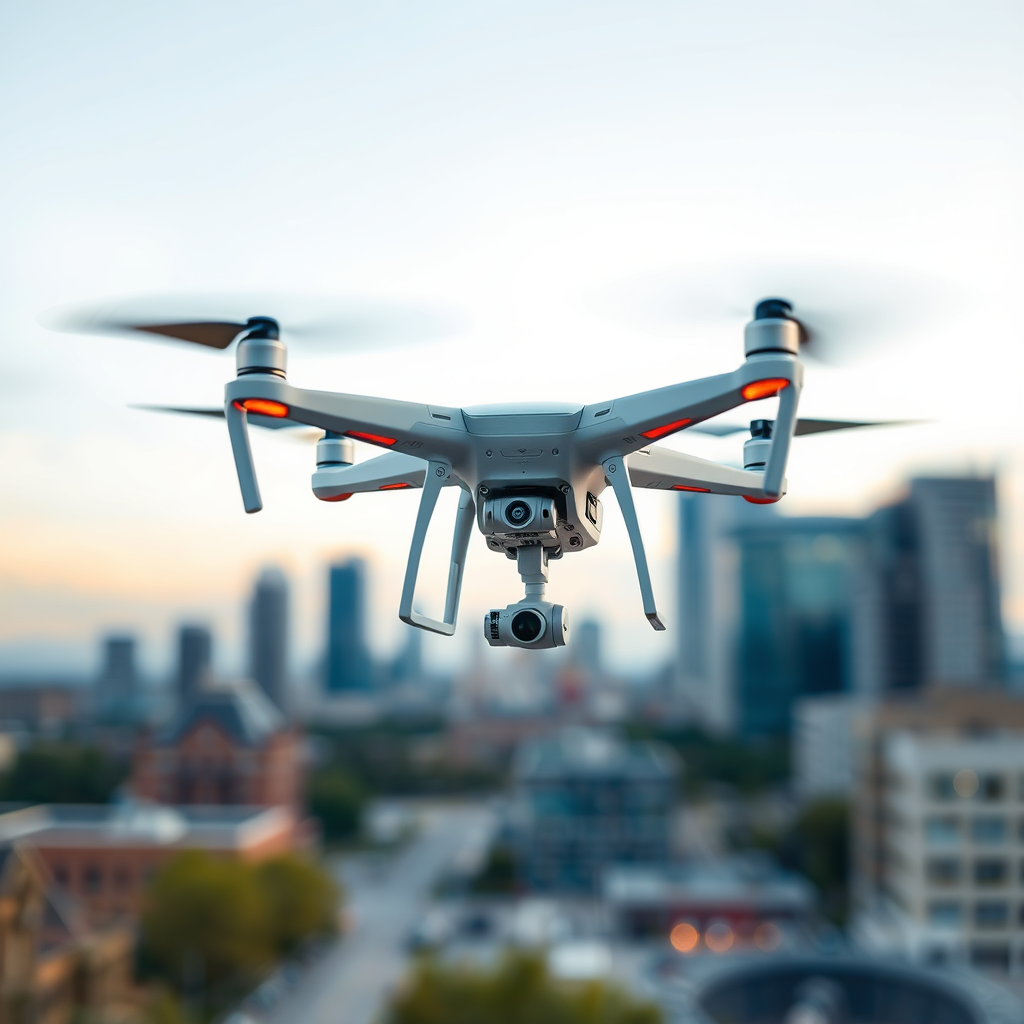
Yes, in Georgia, shooting down a drone is generally illegal and can lead to serious legal consequences. The laws that govern drone usage are primarily federal, but state regulations also come into play, particularly concerning privacy and property rights. Understanding these laws is crucial for anyone contemplating drastic measures against drones that may invade their personal space.
Understanding Drone Regulations in Georgia
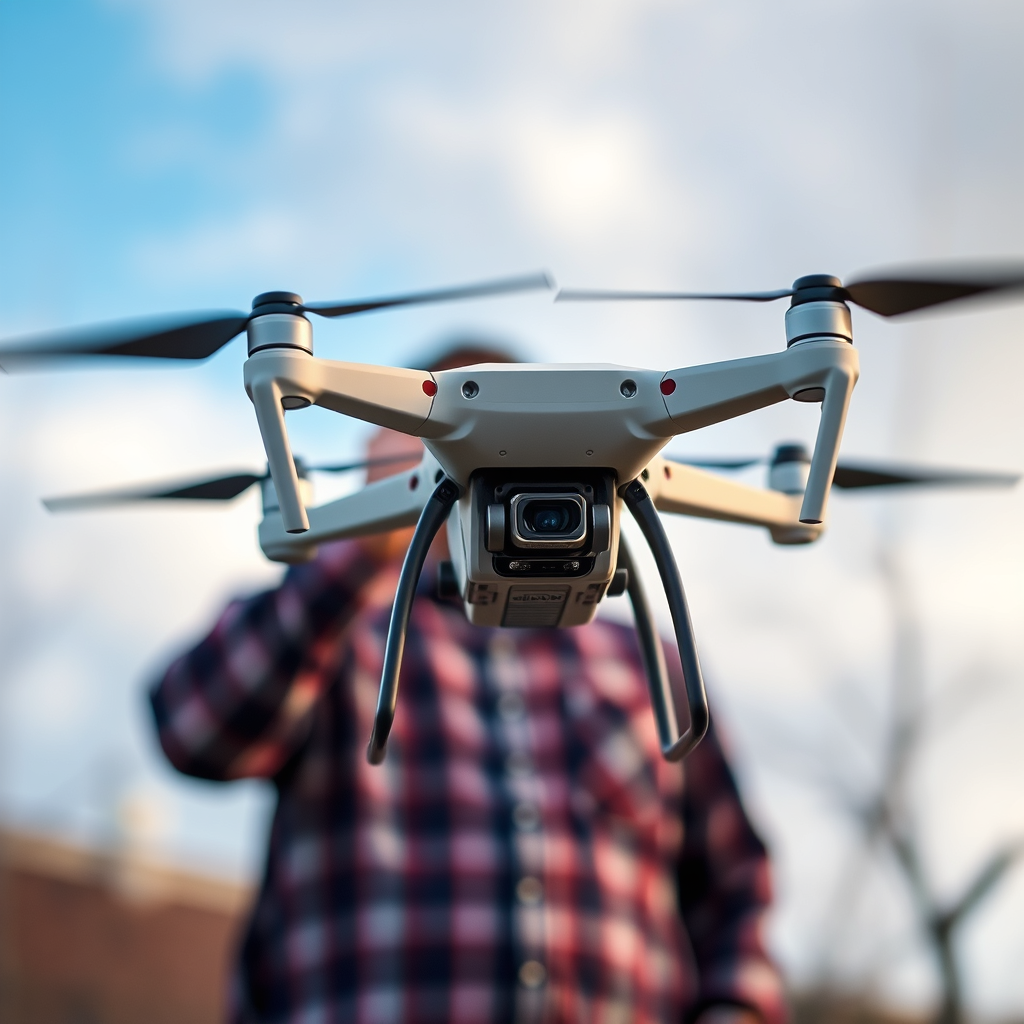
Federal aviation laws, specifically those enforced by the Federal Aviation Administration (FAA), regulate all unmanned aerial vehicles (UAVs) within national airspace. According to these regulations, it is illegal for individuals to discharge firearms or use other destructive means against drones, as this poses a danger to public safety and air traffic. Additionally, the FAA classifies drones as aircraft, which means that they are subject to the same laws that govern airplanes and helicopters.
On the state level, Georgia has its own set of laws that further clarify the usage of drones, particularly in relation to private property. O.C.G.A. § 16-11-62 (2017) addresses the issue by prohibiting the use of drones for surveillance without the property owner’s consent. This means that while you cannot shoot down a drone, you do have the right to protect your privacy and property from unwanted aerial intrusions, provided you follow the legal channels available.
Legal Consequences of Shooting Down a Drone
Engaging in the act of shooting down a drone can lead to severe legal repercussions. Firstly, it may result in criminal charges, including destruction of property or reckless endangerment, depending on the circumstances. The penalties for such offenses can vary but may include fines, imprisonment, or both. For instance, if a drone is shot down and it happens to fall on a populated area, the shooter could be charged with more serious offenses due to the potential harm caused to individuals or property.
Moreover, individuals who shoot down a drone can also face civil lawsuits. The drone’s owner may pursue compensation for damages incurred, leading to costly legal battles and financial liabilities. In some cases, drone owners may even file claims for emotional distress if the drone was being used for legitimate purposes, such as filming or surveying.
Personal Property Rights vs. Airspace Rights
To fully understand the legal implications of drone activity, it is essential to grasp the distinction between personal property rights and airspace rights. Property lines clearly define the extent of ownership on the ground, but airspace rights can be more complex. Generally, property owners have rights to the airspace above their land up to a certain height, but the FAA has jurisdiction over navigable airspace, which is typically defined as airspace above 400 feet.
In Georgia, if a drone operates below this altitude and intrudes upon your property, it may violate your rights, especially concerning privacy. However, simply being annoyed by a drone does not justify taking matters into your own hands. Instead, property owners should seek legal remedies to address any infringement on their rights.
What to Do Instead of Shooting Down a Drone
Rather than resorting to shooting down a drone, there are several lawful steps you can take. If a drone is invading your privacy or causing disturbances, the first line of action should be to report the incident to local authorities. Law enforcement agencies are equipped to handle such situations and can investigate whether the drone’s operation violates any local ordinances or state laws.
Additionally, if you believe the drone’s activity is unlawful, you can file a formal complaint. This may involve gathering evidence of the drone’s presence, including photographs or video footage, and documenting any disturbances it may have caused. By following the proper channels, you can ensure that your concerns are addressed while remaining within the bounds of the law.
Recent Cases and Precedents
Understanding the current legal landscape concerning drones in Georgia requires examining noteworthy cases that have emerged over the years. One significant case involved a property owner who shot down a drone that was allegedly spying on his backyard. The court ruled in favor of the drone’s owner, highlighting that the act of shooting down the drone constituted destruction of property under Georgia law.
Another case involved a homeowner who found that a neighbor was using a drone to monitor their property. The court sided with the homeowner, stating that the neighbor’s drone surveillance violated the homeowner’s right to privacy. These cases underscore the importance of navigating drone-related issues through legal channels rather than taking matters into your own hands.
Alternative Solutions for Drone Concerns
Various alternative solutions can address concerns regarding unwanted drones without resorting to illegal actions. One effective method is the use of drone detection technology. Several products on the market can help homeowners identify and track drone activity in their vicinity. These systems can alert you to the presence of drones and offer insights into their flight paths, allowing you to respond appropriately.
Engaging with local law enforcement is another proactive approach. Many police departments now have protocols in place for handling drone-related complaints. By establishing a rapport with local authorities, you can ensure that your concerns are taken seriously and addressed expediently.
In addition to technological and law enforcement solutions, community awareness can lead to broader changes. Hosting discussions around drone regulations and privacy rights within your community can foster understanding and encourage neighbors to be respectful of each other’s privacy.
In summary, while the thought of shooting down a drone may arise from feelings of invasion or frustration, it is crucial to recognize the legal ramifications involved. Georgia law clearly defines the boundaries regarding drone operation, and there are numerous alternative actions to address your concerns effectively. By understanding your rights and utilizing the proper channels, you can protect your property and privacy without resorting to illegal measures.
Frequently Asked Questions
What are the laws regarding shooting down a drone in Georgia?
In Georgia, as in the rest of the United States, shooting down a drone is illegal. Federal law classifies drones as aircraft, and damaging or destroying an aircraft can lead to severe penalties, including criminal charges. Instead of taking drastic measures, individuals concerned about drones should report them to local authorities or the FAA.
How can I legally deal with a drone that is invading my privacy in Georgia?
If a drone is invading your privacy in Georgia, the best course of action is to document the incident and report it to local law enforcement. Georgia law prohibits the use of drones for surveillance in certain circumstances, especially if they invade personal privacy. You may also want to familiarize yourself with local ordinances regarding drone usage to better understand your rights.
Why is it illegal to shoot down a drone in Georgia?
It is illegal to shoot down a drone in Georgia primarily because drones are classified as aircraft under federal law. This classification means that any action taken to destroy or disable a drone can lead to serious legal consequences, including federal charges. Additionally, discharging a firearm in a populated area poses significant risks to public safety and can result in further legal penalties.
What should I do if a drone is bothering me in Georgia?
If a drone is bothering you in Georgia, first try to determine if it is being operated legally or within compliance with local laws. If it persists, you can document its behavior and reach out to local law enforcement or the FAA to report the drone. Engaging in dialogue with the operator, if known, may also help resolve the situation amicably.
Which organizations regulate drone use in Georgia?
Drone use in Georgia is primarily regulated by the Federal Aviation Administration (FAA), which establishes nationwide rules for drone operation. Additionally, the Georgia Department of Transportation oversees drone regulations at the state level, and local municipalities may have their own ordinances. It’s essential for drone operators and concerned citizens to understand these regulations to ensure safe and lawful drone activities.
References
- https://www.ncsl.org/research/telecommunications-and-information-technology/drone-legislation.aspx
- https://www.faa.gov/uas/
- https://www.georgia.gov/
- https://www.theguardian.com/us-news/2020/aug/02/drones-privacy-laws-united-states
- https://www.lawfareblog.com/what-you-need-know-about-drone-law-and-privacy
- https://www.wired.com/story/what-to-know-about-drone-laws/
- https://www.abcnews.go.com/US/drone-laws-know/story?id=65848857
