
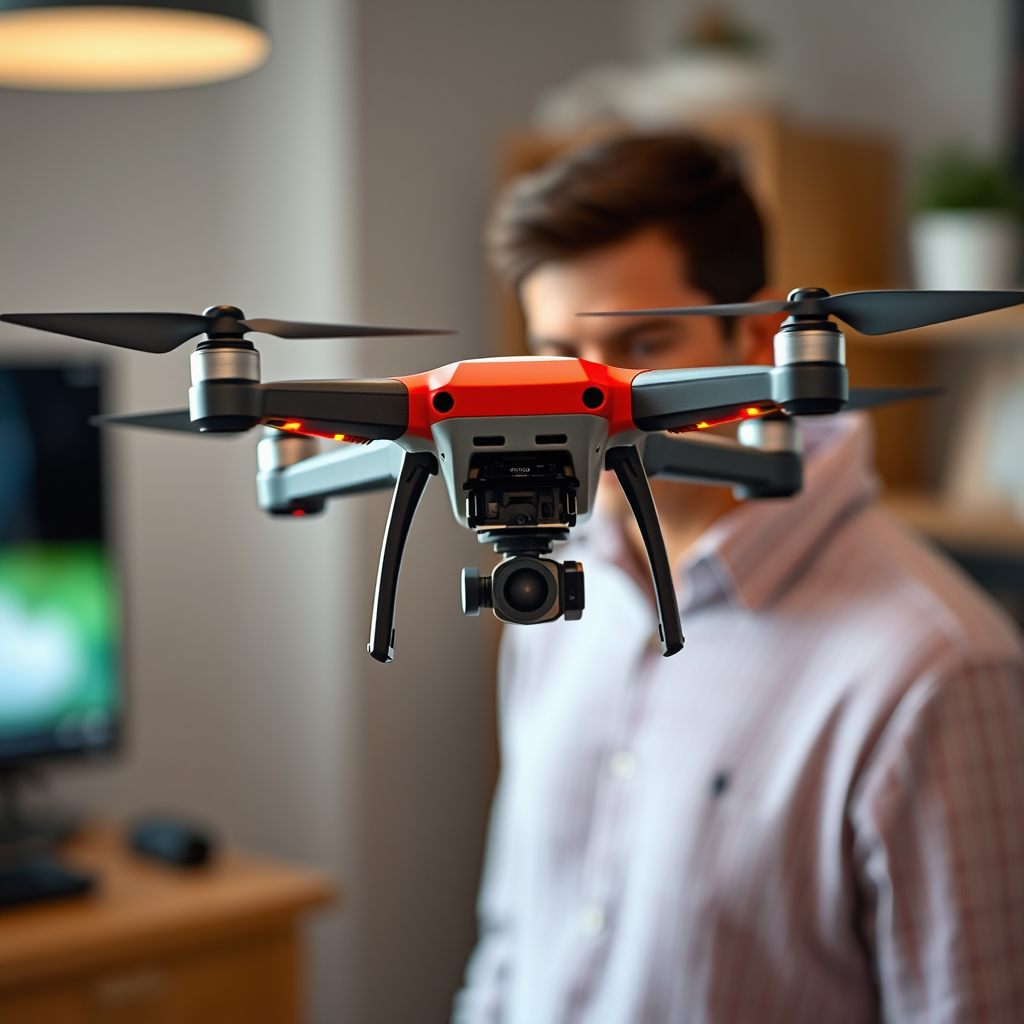
In Pennsylvania, shooting down a drone is generally illegal and can lead to serious legal consequences. Although you may feel justified in defending your privacy or property from unwanted aerial surveillance, it’s crucial to comprehend the laws governing drone operation and personal defense. This blog post will delve into the intricacies of drone regulations, property rights, potential legal repercussions, and alternative measures available to those concerned about drone activity.
Understanding Drone Regulations in Pennsylvania
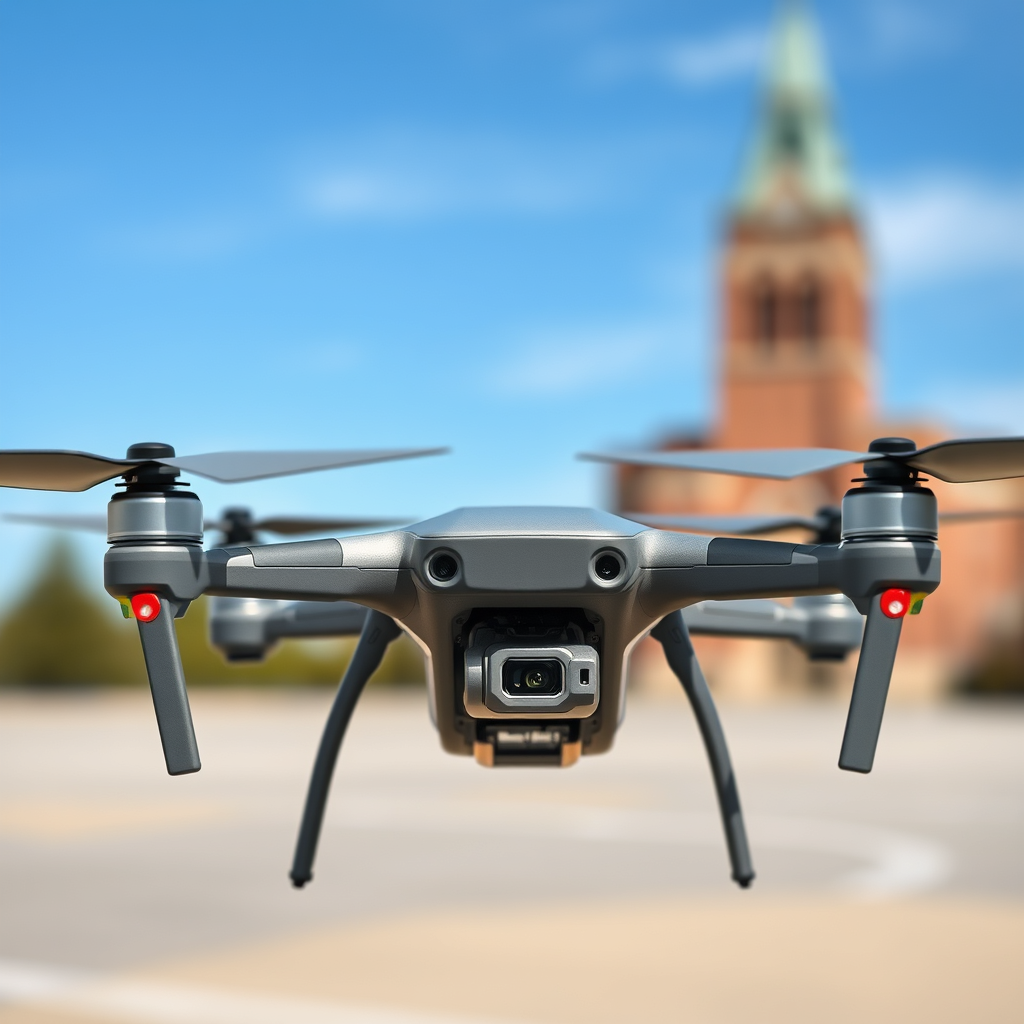
Drones are classified as aircraft and are subject to both federal and state aviation laws. The Federal Aviation Administration (FAA) plays a significant role in regulating drone operations across the United States, including Pennsylvania. According to FAA regulations, drone operators must adhere to specific guidelines that ensure the safety and responsible use of airspace. For example, drones are not allowed to fly above 400 feet in controlled airspace without special authorization, nor can they operate near airports without permission.
In addition to FAA regulations, Pennsylvania has enacted its own set of laws governing drone use. The Pennsylvania Unmanned Aircraft Systems (UAS) Act outlines the legal parameters for drone operations, emphasizing the importance of respecting privacy rights and public safety. Understanding these regulations is crucial for both drone operators and property owners, as violations can lead to penalties ranging from fines to criminal charges.
Property Rights vs. Airspace Rights
Property owners possess rights to the land they own; however, these rights do not extend to the airspace above their property. The FAA safeguards this airspace for commercial and recreational drone use, complicating the notion of defending one’s property from aerial intrusion. The legal principle known as “navigable airspace” grants aircraft—including drones—the right to travel through airspace up to a certain altitude, which is typically considered to be 500 feet above ground level in most contexts.
As a property owner, you may feel that a drone flying above your land constitutes an invasion of privacy or trespassing. However, the prevailing legal interpretation suggests that unless a drone is flying at an unreasonably low altitude or engaging in harassment, it is not violating your property rights. This distinction is critical as it underscores the limitations of property rights in the context of aerial surveillance.
Legal Consequences of Shooting Down a Drone
Discharging a firearm in populated areas, such as residential neighborhoods, can lead to serious criminal charges, including reckless endangerment or unlawful discharge of a weapon. In Pennsylvania, the law is particularly stringent, and any use of firearms must be justified under the state’s self-defense laws. Shooting down a drone without a legitimate threat to life or property is unlikely to meet this burden of proof.
Moreover, damaging or destroying a drone could result in civil liability for the drone owner. If you were to shoot down a drone, the owner could pursue legal action against you for property damage, which could lead to costly damages awarded by the court. In addition to potential criminal charges, individuals must also consider the financial implications of their actions, as legal battles can be both time-consuming and expensive.
Alternatives to Shooting Down Drones
If you believe a drone is invading your privacy or posing a threat, consider contacting local authorities instead of taking matters into your own hands. Law enforcement agencies are equipped to handle such situations and can investigate any reported incidents of drone-related harassment or illegal surveillance.
Additionally, there are legal avenues available for those who feel their privacy is being violated. You can file a formal complaint with local law enforcement or seek advice from legal professionals who specialize in drone laws. Exploring technology solutions, such as drone detection systems or signal jammers (where legally permitted), may also be effective in mitigating your concerns.
Self-Defense Considerations
Self-defense laws may apply in extreme circumstances, such as when you believe there is an imminent threat to your safety. However, proving that a drone poses a legitimate, immediate threat can be challenging, and the burden of proof lies with the individual who discharges a weapon.
In Pennsylvania, self-defense claims must demonstrate that the use of force was necessary and proportionate to the threat faced. In most instances involving drones, it is unlikely that the actions of a drone operator would constitute a level of threat warranting deadly force. Therefore, those considering using a firearm in response to a drone should carefully evaluate the circumstances and potential legal ramifications.
The Role of Local Law Enforcement
Local law enforcement can assist with drone-related issues, but it’s essential to recognize that laws and enforcement practices may vary by jurisdiction. Some municipalities may have specific ordinances addressing drone use, while others may defer to state and federal regulations. Reporting drone activities to law enforcement is advisable, as they can investigate and take appropriate action if necessary.
Furthermore, engaging with local authorities can help raise awareness about drone-related concerns in your community, leading to more effective regulations and safety measures. Building a rapport with local law enforcement can also provide valuable insights into the legal landscape surrounding drone use in your area.
In conclusion, while the impulse to shoot down a drone may arise from concerns about privacy or safety, the legal implications in Pennsylvania make it a risky decision. Understanding your rights and exploring safer alternatives is crucial to navigating drone issues effectively. If you find yourself facing challenges with drones, consider consulting legal experts or local law enforcement for guidance, ensuring you are equipped with the knowledge needed to make informed decisions.
Frequently Asked Questions
Can I legally shoot down a drone in Pennsylvania?
No, shooting down a drone in Pennsylvania is illegal and can lead to serious legal consequences. The Federal Aviation Administration (FAA) regulates airspace, and taking down a drone can be seen as an act of destruction of property, which may result in criminal charges. Instead of resorting to violence, it’s advisable to report any concerning drone activity to local law enforcement or the FAA.
What should I do if a drone is flying over my property in Pennsylvania?
If a drone is flying over your property in Pennsylvania and you’re uncomfortable with it, you can first try to identify the operator, as they may be conducting legitimate activities. If you believe the drone is invading your privacy or posing a threat, document its flight and reach out to local authorities or the FAA to report your concerns. Remember, the law generally protects drone operators who are flying within legal parameters.
Why are drones allowed to fly over private property in Pennsylvania?
Drones are allowed to fly over private property in Pennsylvania due to federal regulations that govern airspace. The FAA classifies airspace as public, which means drones can operate in areas where they are not violating privacy laws or trespassing. Understanding this can help property owners navigate their rights and responsibilities regarding drone activity.
How can I protect my privacy from drones in Pennsylvania?
To protect your privacy from drones in Pennsylvania, consider investing in drone detection systems that can alert you to nearby drone activity. Additionally, familiarize yourself with local laws regarding drone use and privacy rights, as some municipalities may have specific regulations. If you feel your privacy is being violated, documenting incidents and contacting law enforcement or an attorney can provide further recourse.
What are the penalties for shooting down a drone in Pennsylvania?
The penalties for shooting down a drone in Pennsylvania can be severe, including criminal charges, fines, and potential civil lawsuits from the drone owner. Additionally, you may face federal charges from the FAA, which could involve significant legal repercussions. It’s crucial to understand that engaging in such actions is not only illegal but can also escalate conflicts unnecessarily.
References
- https://www.witf.org/2021/04/26/can-you-shoot-down-a-drone-in-pennsylvania/
- https://www.psu.edu/news/2020/12/10/how-to-handle-drones-in-your-airspace
- https://www.faa.gov/uas/resources/policy_library/
- https://www.nolo.com/legal-encyclopedia/can-you-shoot-drone-32485.html
- https://www.legis.state.pa.us/cfdocs/legis/LI/Public/cons/2014/0/83/2014-0-83.pdf
