
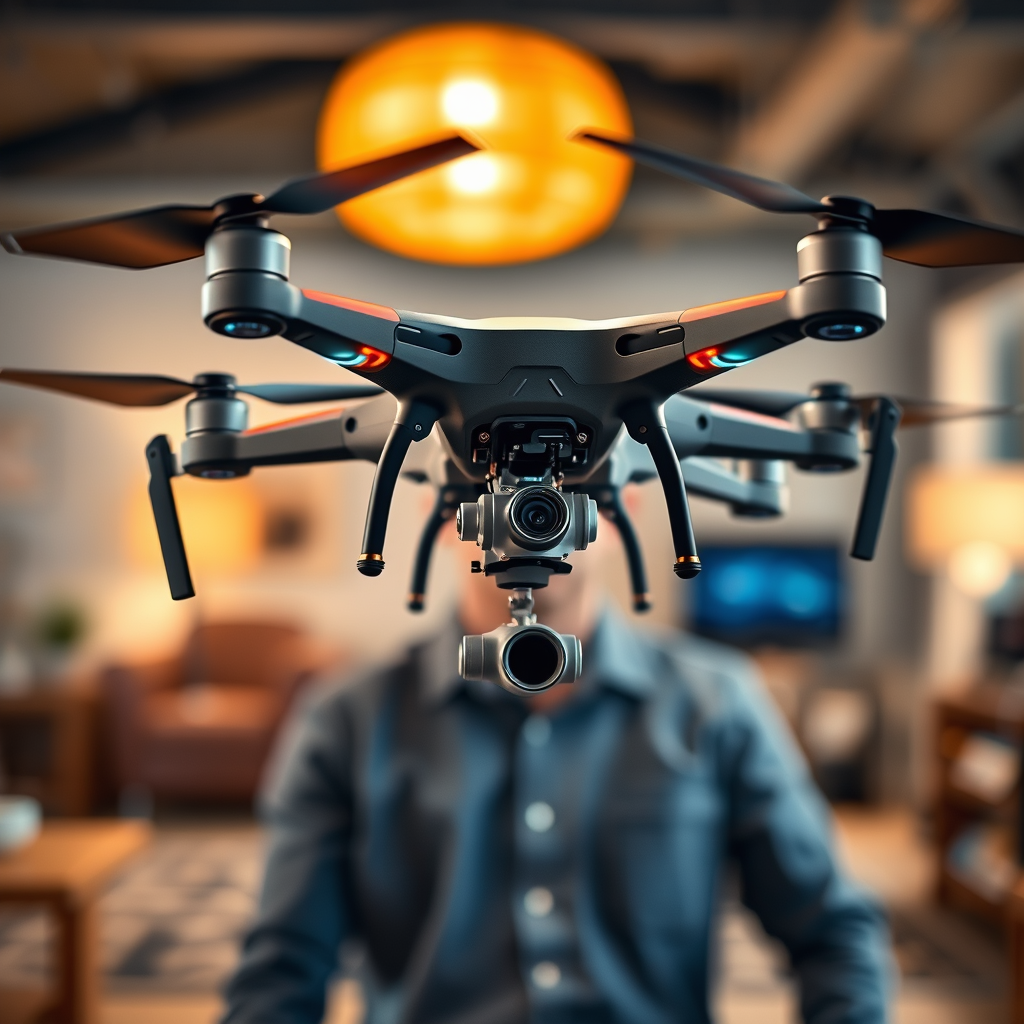
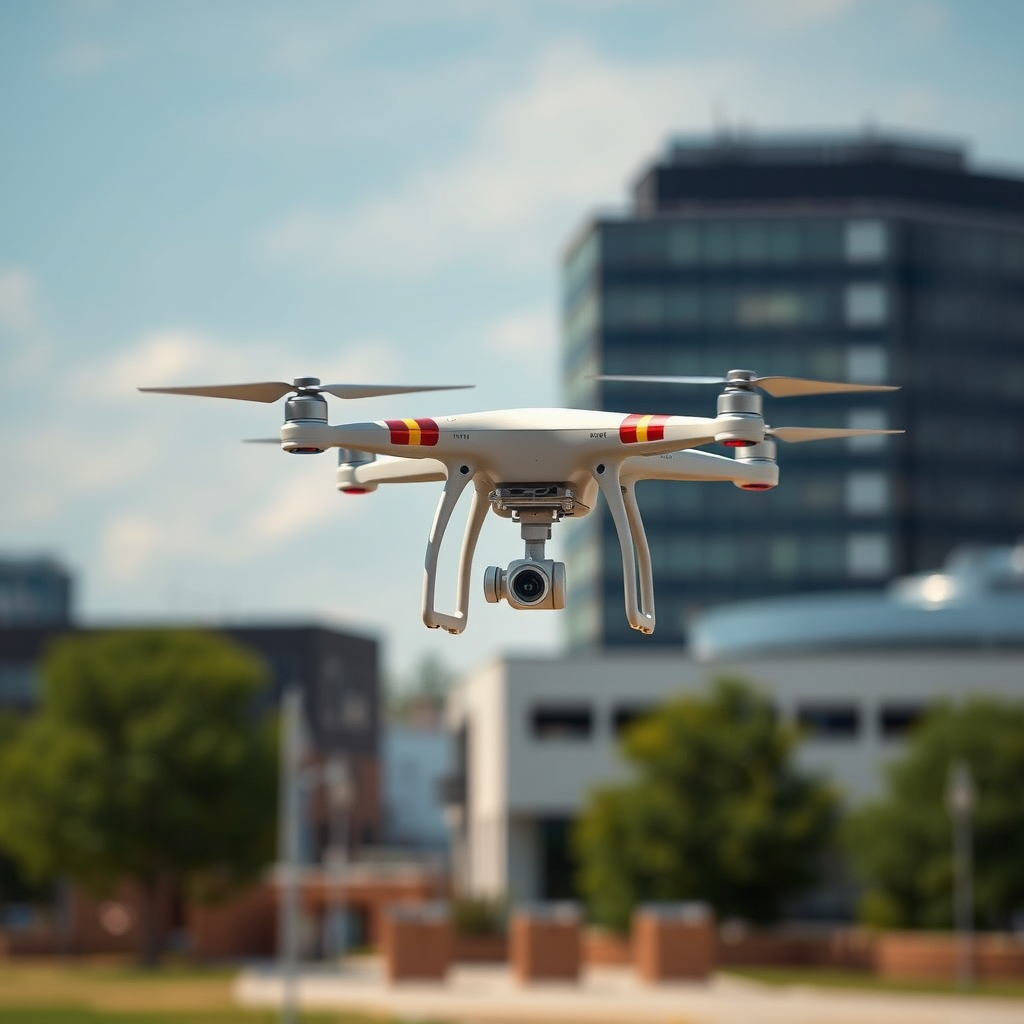
Yes, you can shoot down a drone in Tennessee, but only under specific circumstances, and doing so can lead to serious legal consequences. It’s crucial to understand both your rights and the regulations governing drone use before taking any action. Tennessee, like many states, has laws that protect both personal property and privacy, but these laws must be balanced against federal aviation regulations. Before considering the drastic measure of shooting down a drone, you need to be aware of the legal landscape surrounding drone use and the potential ramifications of your actions.
Understanding Drone Laws in Tennessee
Tennessee’s drone laws are shaped by both federal regulations and state statutes. The Federal Aviation Administration (FAA) oversees all airspace in the United States, including the operation of drones. According to FAA guidelines, drones must be registered if they weigh over 0.55 pounds and must operate within specific altitude and distance restrictions. Additionally, they are prohibited from flying over certain areas, such as airports or events with large crowds.
At the state level, Tennessee has laws that prohibit the harassment of individuals through the use of drones. For example, Tennessee Code Annotated § 39-13-607 makes it unlawful to use a drone to invade someone’s privacy or to record individuals in locations where they have a reasonable expectation of privacy. Understanding these laws is essential because they outline what constitutes unlawful drone interference. If a drone is violating these regulations, you may have legal grounds to address the situation, but shooting it down remains a last resort with significant legal risks.
Self-Defense or Protection of Property
There are specific conditions under which you might have a legal justification for shooting down a drone. Primarily, these conditions revolve around the concepts of self-defense or the protection of property. If a drone is perceived as a direct threat to your safety or property—such as if it is flying dangerously low over your home or invading your privacy by capturing images without consent—you may argue that you have a right to take defensive action.
However, the burden of proof lies with you to demonstrate that the drone posed a legitimate threat. This means you must show evidence that the drone was behaving in a way that could cause harm or violate your rights. Simply being annoyed by a drone or finding it intrusive is generally not enough to justify shooting it down. Furthermore, the use of force must be proportional; excessive force could lead to criminal charges against you.
Legal Consequences of Shooting a Drone
The legal consequences of shooting down a drone in Tennessee can be severe. If you choose to take this action, you may face various criminal charges, including but not limited to reckless endangerment, destruction of property, and potentially even charges related to firearms violations if a gun is used. The penalties for such offenses can range from fines to imprisonment, depending on the severity of the case and any prior criminal record.
Additionally, the drone’s owner may pursue civil liability against you for damages incurred from the destruction of their property. In Tennessee, you could be liable for the cost of the drone, which could amount to hundreds or even thousands of dollars. Some cases could also involve punitive damages if the drone operator can demonstrate malicious intent on your part. Therefore, understanding the legal implications is crucial before considering any action against a drone.
Reporting Drone Incidents
If you believe a drone is invading your privacy or posing a threat, the first step should be to report the incident rather than take matters into your own hands. Contacting local law enforcement or filing a complaint with the FAA can help address the situation legally and safely. When reporting a drone incident, provide as much information as possible, including the drone’s description, the operator’s location, and any specific behaviors that raised your concerns.
In Tennessee, local police departments may have specific protocols for dealing with drone-related complaints. They can investigate the situation and take appropriate action, which could include warning the drone operator or even confiscating the drone if necessary. Involving law enforcement is advisable, as they are trained to handle such situations and can provide a level of protection for you and your property.
Alternatives to Shooting Down a Drone
While the impulse to shoot down a drone might arise in certain situations, there are numerous non-violent methods to address your concerns. Consider using smartphone applications designed to detect drones in your vicinity, which can provide additional context about the drone’s operation and help you determine if it’s operating within legal parameters.
Additionally, privacy tools such as signal jammers or drone detection systems can be effective in mitigating unwanted drone activity without resorting to violence. These technologies can help you assert your privacy rights without facing the potential legal ramifications of shooting down a drone. If you feel uncomfortable or threatened by a drone, always prioritize communication and legal channels over direct confrontation.
Understanding Drone Operator Rights
Drone operators have rights under federal law, which grants them the ability to fly their drones in controlled airspace, provided they comply with relevant regulations. These rights include the ability to capture images and video from their drones, as long as they are not violating privacy laws or other regulations. When confronting a drone operator, it is essential to recognize their rights to operate legally and respect their perspective.
Conflict can arise when personal privacy and drone operation rights intersect. In Tennessee, if you believe a drone is encroaching on your privacy, it’s vital to communicate your concerns calmly and respectfully, as antagonistic behavior could lead to further disputes or legal complications. Understanding these dynamics can help you navigate interactions with drone operators more effectively.
Seeking Legal Advice
If you find yourself involved in a drone-related incident, seeking legal advice is crucial. An attorney knowledgeable about aviation and property laws can provide insights into your rights and responsibilities. They can help you understand the intricacies of the law and advise you on the best course of action, whether that involves reporting the incident, pursuing legal action, or defending against potential charges.
Tennessee has numerous resources for finding legal assistance, including the Tennessee Bar Association and local legal aid organizations. Consulting with a lawyer can clarify your situation and help you navigate the complexities of drone laws effectively.
In conclusion, while the idea of shooting down a drone may seem justifiable in certain situations, it is fraught with legal risks and should be approached with caution. Always consider safer alternatives and understand your rights before taking drastic measures. By familiarizing yourself with drone laws, knowing how to report incidents, and exploring non-violent solutions, you can protect your rights without exposing yourself to potential legal liabilities.
Frequently Asked Questions
Can I legally shoot down a drone in Tennessee?
No, shooting down a drone in Tennessee is illegal and can lead to serious legal consequences. Under both federal and state law, damaging or destroying a drone can be considered a criminal act, including potential charges of vandalism or reckless endangerment. Instead of taking drastic actions, it’s recommended to report any intrusive drone activity to local law enforcement or the Federal Aviation Administration (FAA).
What should I do if a drone is invading my privacy in Tennessee?
If a drone is invading your privacy in Tennessee, the first step is to document the incidents, noting the time, location, and any identifying features of the drone. You should then contact local authorities to report the situation, as flying a drone over private property can violate privacy laws. Additionally, you may consider consulting a legal professional to explore your options for addressing the invasion of privacy.
How can I find out if a drone is operating in my area in Tennessee?
To find out if a drone is operating in your area in Tennessee, you can check the FAA’s UAS (Unmanned Aircraft System) registry or use apps that track drone flights. These tools can provide real-time information on drone activity nearby. Additionally, reaching out to local drone clubs or enthusiasts can help you connect with individuals knowledgeable about drone operations in your area.
What are the regulations for drone use in Tennessee?
In Tennessee, drone operators must adhere to both federal regulations set by the FAA and any state-specific laws. Key regulations include flying below 400 feet, maintaining visual line-of-sight, and not flying over people or moving vehicles without permission. Tennessee also has laws regarding the use of drones for surveillance, which can impact how drones are used in residential areas.
Why are drones regulated, and what risks do they pose in Tennessee?
Drones are regulated to ensure safety in the airspace, protect privacy, and prevent potential hazards to people and property. In Tennessee, risks associated with drone use include collisions with manned aircraft, invasion of personal privacy, and potential misuse for illegal activities. These regulations help mitigate these risks while allowing for the responsible use of drone technology.
References
- https://www.wbir.com/article/news/local/can-i-shoot-down-a-drone-in-tennessee/51-7e34b6b4-7da3-4f9c-a6f5-1e5d0b9e2c9e
- https://www.tennessee.gov/attorneygeneral/opinions/opinions/2021/opinion-21-02.html
- https://www.tn.gov/safety/road-safety/drone-safety.html
- https://www.nbcnews.com/technology/tennessee-law-passes-allowing-drone-shooting-rcna44213
- https://www.tn.gov/safety/road-safety/drones.html
- https://www.npr.org/2021/05/13/996262607/tennessee-lawmakers-approve-drones-shot-down-by-property-owners
