
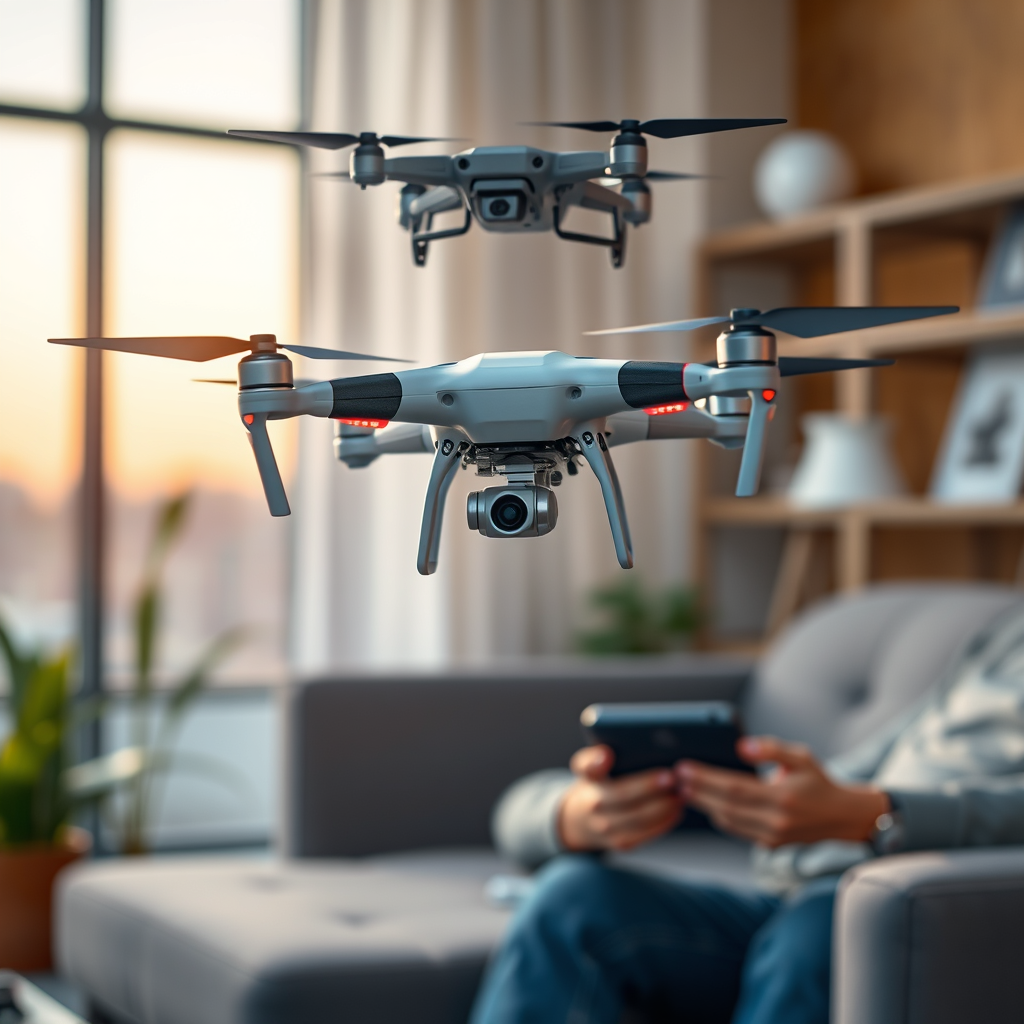
Yes, you can shoot down a drone, but it is illegal in most situations. The legality of shooting down a drone largely depends on where you live and the circumstances surrounding the drone’s presence. Engaging in such actions can lead to serious legal repercussions and does not necessarily solve the underlying issues. This article will explore the legal implications and alternatives to consider before taking such drastic action.
Understanding Drone Regulations
Drone regulations in the United States are primarily governed by the Federal Aviation Administration (FAA), which oversees all airspace use. The FAA has set stringent guidelines for drone operation, including altitude limits, no-fly zones, and registration requirements for drones exceeding certain weight thresholds. Understanding these regulations is crucial for drone owners and those who might encounter drones in their vicinity.
In addition to FAA regulations, many local and state laws also come into play. Most regions prohibit the discharge of firearms in populated areas, which makes shooting down a drone not just a legal issue but also a safety concern. For instance, using a firearm in an urban setting can endanger lives and property, leading to severe repercussions. Therefore, before considering any action against a drone, it is essential to familiarize yourself with both federal and local laws that regulate drone usage and firearm discharge.
Legal Consequences of Shooting Down a Drone
The potential legal consequences of shooting down a drone can be severe. Such actions could lead to criminal charges, including destruction of property and reckless endangerment. If the drone is owned by someone else, shooting it down could result in civil liability as well. The drone owner might pursue damages for the loss of their property, which could include not just the cost of the drone itself but also potential data loss, especially if the drone was being used for commercial purposes.
In a notable case from 2015, an individual in Kentucky was charged with criminal mischief after shooting down a neighbor’s drone. The court ruled that the drone was considered personal property, thus giving the owner the right to seek damages. This example underscores the importance of understanding the legal framework surrounding drone interactions and highlights the risks involved in taking matters into your own hands.
Self-Defense and Privacy Laws
While there may be scenarios where shooting down a drone could be justified under claims of self-defense, these instances are rare and heavily scrutinized. If a drone poses a direct threat, such as invading personal space or capturing private moments without consent, the argument for self-defense becomes more complex. However, it is imperative to demonstrate that the drone was a legitimate threat and that there were no reasonable alternatives to shooting it down.
Additionally, privacy laws can vary significantly by state. Some states have enacted laws that protect individuals from unauthorized surveillance, which may include drone activity. Understanding these laws is essential, as they can influence whether you have a legitimate claim to act against a drone. For instance, if a drone is hovering over your property and capturing images without consent, you may have grounds to report the incident rather than resorting to direct action.
Alternatives to Shooting Down a Drone
Given the legal risks associated with shooting down a drone, exploring alternatives is advisable. One effective approach is to report the drone to local authorities or the FAA. If you believe that the drone is operating illegally—such as flying in restricted airspace or posing a safety risk—file a complaint with the appropriate agency. The FAA has a dedicated process for handling drone-related complaints, which can lead to investigations or enforcement actions against the drone operator.
Another alternative is to use non-lethal measures, such as jamming devices or drone nets, where such devices are legal. These options can help neutralize a drone without resorting to firearms. However, it is crucial to check local laws regarding the use of jamming technology, as many jurisdictions have strict regulations against such devices due to their potential to interfere with other communications.
The Importance of Documenting Incidents
When faced with disruptive drone activity, documenting incidents can be invaluable. Keeping records of drone sightings, including dates, times, and descriptions of the drone, can provide crucial evidence should the situation escalate or if you decide to report the drone to authorities. Detailed notes about any disturbances caused by the drone can help establish a pattern of behavior that supports your case.
In addition to written records, photographic evidence can also be beneficial. Capturing images or videos of the drone in action can bolster your claims and provide law enforcement or the FAA with concrete details about the situation. This documentation can serve as a critical asset in legal disputes, whether you are defending your rights or pursuing action against the drone operator.
When to Seek Legal Advice
Before taking any action against a drone, it is wise to consult a lawyer, particularly if you are considering escalating the situation. A legal expert can help you understand your rights and responsibilities under current laws and advise you on the best course of action. They can also assist in navigating the complexities of drone regulations, privacy laws, and potential liabilities.
By seeking legal advice, you can ensure that any steps you take are defensible and compliant with the law. Understanding your legal standing can prevent potential legal complications and ensure that you are adequately protected should a dispute arise.
In conclusion, while the thought of shooting down a drone might be tempting in certain situations, it is crucial to understand the legal ramifications and potential consequences of such actions. By considering alternatives, documenting incidents, and seeking legal counsel, you can navigate drone-related issues more effectively and ensure you are within your rights. Always approach the situation with a level head, and prioritize legal and safe solutions over impulsive actions.
Frequently Asked Questions
Can I legally shoot down a drone that is flying over my property?
Legally shooting down a drone is generally prohibited in most jurisdictions, as it can be considered destruction of property and may lead to criminal charges. Instead of resorting to extreme measures, it’s advisable to report the drone’s activity to local authorities or law enforcement, who can handle the situation according to local drone regulations and privacy laws.
What are the potential consequences of shooting down a drone?
The consequences of shooting down a drone can vary based on local laws but may include hefty fines, civil lawsuits from the drone owner, and even criminal charges. Additionally, if the drone is owned by a commercial entity or government, you could face serious legal repercussions, including potential jail time. It’s essential to understand the legal implications before taking any action against a drone.
How can I protect my privacy from drones flying over my property?
To protect your privacy from drones, consider using privacy screens, planting trees, or installing physical barriers. Additionally, you can familiarize yourself with local drone laws to understand your rights and report any suspicious drone activity to authorities. Some people also invest in anti-drone technology, such as drone jammers, though their legality varies by location.
Why are drones often used for surveillance purposes?
Drones are frequently used for surveillance due to their ability to hover over areas without being detected easily, capture high-resolution images, and cover vast distances quickly. Their versatility makes them popular among both commercial entities, like real estate companies, and individuals with less benign intentions. Understanding the reasons behind drone surveillance can help you take appropriate measures to safeguard your privacy.
What should I do if a drone is bothering me or invading my space?
If a drone is bothering you or invading your personal space, the best course of action is to document the situation, noting the time, location, and any identifiable features of the drone. Next, you should contact local authorities or law enforcement to report the disturbance, as they can address the issue in accordance with local regulations. Avoid confronting the drone operator directly, as this could escalate the situation.
References
- https://en.wikipedia.org/wiki/Drone#Legal_issues
- https://www.faa.gov/uas/resources/policy_library/
- https://www.nytimes.com/2020/05/01/us/drone-shooting.html
- https://www.theguardian.com/us-news/2019/jul/05/drone-shooting-what-are-the-laws
- https://www.usa.gov/elected-officials
- https://www.aclu.org/news/privacy-technology/what-are-your-rights-when-it-comes-to-drones
- https://www.nraila.org/articles/20190702/drones-and-gun-rights-know-the-law
- https://www.nbcnews.com/technology/drone-laws-what-you-need-know-n1234679
- https://www.cnet.com/news/what-are-the-laws-around-shooting-drones/
