
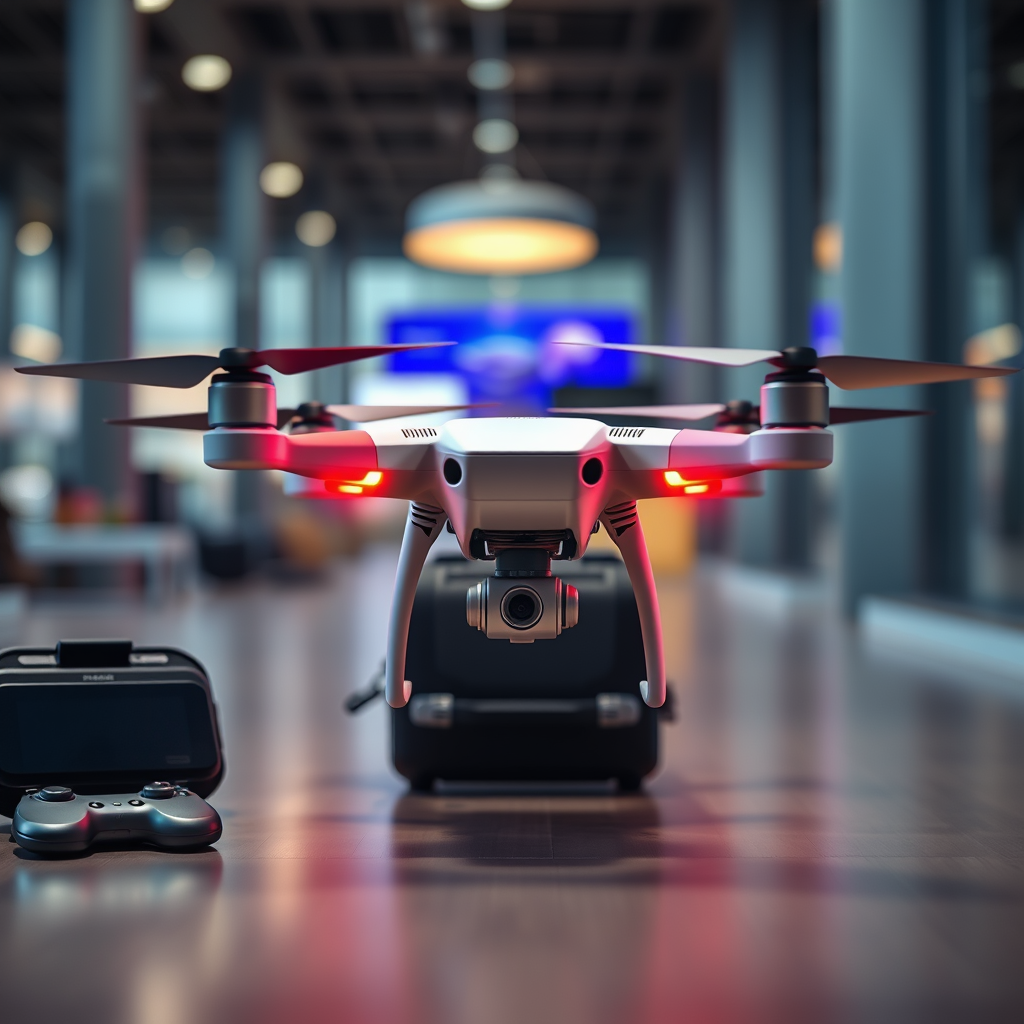
Yes, you can generally take a drone in your hand luggage, but there are specific regulations and guidelines you must follow. Understanding these rules is crucial for ensuring a smooth travel experience while safeguarding your drone from potential issues at security checkpoints or during flight. In this article, we will delve into airline regulations, TSA guidelines, international travel considerations, battery restrictions, insurance and liability, preparation for travel, and tips for a seamless journey with your drone.
Understanding Airline Regulations
Most airlines allow drones in hand luggage, but it is essential to recognize that policies can vary significantly from one airline to another. Some airlines may have specific size and weight restrictions for carry-on items, which could impact your ability to take your drone onboard. For instance, while a larger drone may exceed the dimensions permitted for hand luggage under certain airlines, a compact model might fit comfortably within those constraints.
Before you travel, it is prudent to check the airline’s official website or contact customer service to clarify their rules regarding drones. This proactive approach will help you avoid any last-minute surprises at the airport. Additionally, some airlines may require that you declare your drone at check-in, so being prepared with the necessary information will facilitate a smoother process.
TSA Guidelines for Drones
The Transportation Security Administration (TSA) permits drones in carry-on bags, provided they meet certain criteria. When traveling with a drone, it is important to be prepared to remove the device from your bag during security screening, similar to how laptops and larger electronic devices are treated. TSA officers may want to inspect the drone closely to ensure it does not pose a security threat.
To expedite this process, it’s advisable to have your drone easily accessible in your bag. Placing the drone in a dedicated compartment can help speed up the screening process. Moreover, familiarizing yourself with the TSA’s list of prohibited items will ensure that your travel experience remains hassle-free.
International Travel Considerations
When traveling internationally with a drone, it is crucial to be aware that different countries have varying regulations regarding drone importation and usage. Some countries may have strict laws that require drones to be registered, while others may prohibit their use altogether in certain areas. For example, countries like Canada and Australia have well-defined regulations governing drone operations, while countries such as North Korea have completely banned drones.
Before you embark on your journey, conduct thorough research on the destination country’s drone laws to avoid legal complications. Websites of local aviation authorities often provide detailed information about drone regulations. Additionally, consider joining online forums or communities of drone enthusiasts for insights and experiences shared by fellow travelers.
Battery Restrictions
Lithium batteries, which are commonly used in drones, have specific restrictions when it comes to air travel. Most airlines impose limits on the size and quantity of lithium batteries allowed in carry-on luggage due to the potential fire hazard they can present. For instance, the International Air Transport Association (IATA) typically allows lithium-ion batteries with a capacity of up to 100 watt-hours (Wh) in carry-on bags without requiring special approval.
To avoid issues at security, ensure that your drone’s batteries fall within these allowable limits. If you carry spare batteries, keep them in their original packaging or use protective cases to prevent short-circuiting. It is also wise to familiarize yourself with the battery policies of the airline you are flying with, as these can differ.
Insurance and Liability
Traveling with a drone entails certain risks, including potential damage or loss. Therefore, it is advisable to consider purchasing travel insurance that specifically covers drone-related incidents. Many standard travel insurance policies do not encompass drone damage, so you may need to seek specialized coverage.
Additionally, understanding your liability in case of accidents or property damage while traveling is crucial. For example, if your drone accidentally crashes and causes injury or property damage, you could be held liable. Some insurance providers offer coverage for such instances, providing peace of mind as you navigate new environments with your drone.
Preparing Your Drone for Travel
Preparation is key to ensuring that your drone travels safely and securely. Start by removing the propellers and any other detachable parts that could be damaged during transit. It is advisable to invest in a high-quality protective case designed for drones, which will provide cushioning and protection against shocks.
Moreover, keep all relevant documentation handy, including registration papers and purchase receipts. In some countries, you may be required to present this information during inspections or inquiries. Carrying a printed copy of the drone’s manual can also be beneficial, especially if you encounter any technical issues while traveling.
Tips for Smooth Travel with Your Drone
To facilitate a smooth travel experience with your drone, consider the following tips. Arrive at the airport early to accommodate potential delays during security checks, especially if you need to declare your drone. This extra time can alleviate stress and provide an opportunity to resolve any unforeseen issues.
Familiarize yourself with local flying laws at your destination to avoid trouble. Each country has its own set of regulations, and flying in restricted areas can lead to fines or confiscation of your drone. Additionally, connecting with local drone communities can offer valuable insights and tips on the best spots for flying, as well as legal considerations to keep in mind.
In conclusion, while taking a drone in your hand luggage is generally permissible, it is essential to adhere to airline and security regulations to ensure a hassle-free journey. By preparing adequately and staying informed about the various guidelines and restrictions, you can enjoy your travels with your drone without any complications. Always check for updates on rules and regulations prior to your trip for the best experience, ensuring that your drone adventure is both enjoyable and compliant.
Frequently Asked Questions
Can I take a drone in my hand luggage on a plane?
Yes, you can generally take a drone in your hand luggage when flying, but it’s essential to check with both the airline and the destination country’s regulations. Most airlines allow drones in hand luggage, but they may have specific restrictions regarding battery size and quantity. Ensure your drone is packed securely to avoid damage and that the lithium batteries comply with airline regulations.
What are the regulations for traveling with a drone internationally?
When traveling internationally with a drone, you must familiarize yourself with the regulations of the country you are visiting. Many countries have strict rules regarding drone usage, including registration requirements, no-fly zones, and additional permits for commercial use. It’s crucial to check the local laws to avoid fines or confiscation of your drone upon arrival.
How should I pack my drone in hand luggage for air travel?
To pack your drone safely in hand luggage, remove any detachable parts, such as propellers, and secure them in a protective case. Use a padded backpack or case designed for drones to provide cushioning. Additionally, ensure that lithium batteries are stored in a way that complies with airline policies, typically in their original packaging or in a fireproof battery bag.
Why is it important to check airline policies before bringing a drone on board?
Checking airline policies is crucial because different airlines have varying regulations regarding traveling with drones, especially concerning battery size, weight limits, and whether drones are permitted in the cabin or must be checked in. By confirming these policies in advance, you can avoid potential issues at the airport, such as having your drone denied boarding or incurring extra fees.
Which drones are best suited for carry-on luggage?
Drones that are compact, lightweight, and foldable are best suited for carry-on luggage. Models such as the DJI Mini series or the Parrot Anafi are excellent choices as they are easy to pack and comply with most airline regulations. Always consider the drone’s dimensions and weight to ensure it fits within the airline’s hand luggage limits.
References
- https://www.faa.gov/uas/getting_started/registration
- https://www.tsa.gov/travel/security-screening/whatcanibring/all-articles/drone
- https://www.caa.co.uk/Consumers/Unmanned-aircraft/Travelling-with-drones/
- https://www.nytimes.com/2019/07/15/travel/drone-travel.html
- https://www.wired.com/story/flying-drones-on-airplanes/
- https://www.icao.int/safety/Pages/Unmanned-Aircraft-System.aspx
