
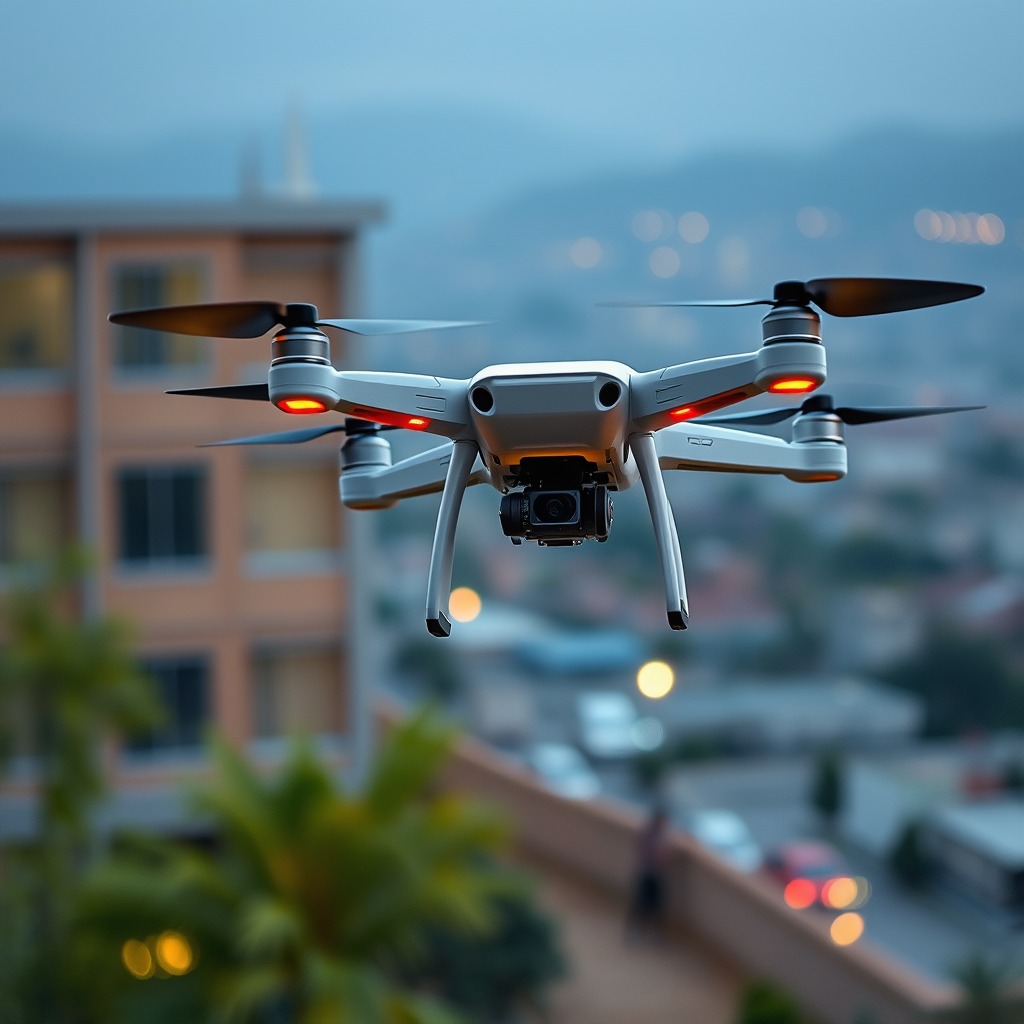
Yes, you can take your drone to Pakistan, but there are specific regulations and requirements you must follow. Understanding these rules is crucial to ensure a smooth travel experience and to avoid any legal issues. Pakistan has emerged as a popular destination for drone enthusiasts, offering breathtaking landscapes and rich cultural heritage. However, navigating the regulatory landscape can be complex, necessitating thorough preparation and compliance with the Civil Aviation Authority’s (CAA) guidelines.
Understanding Drone Regulations in Pakistan
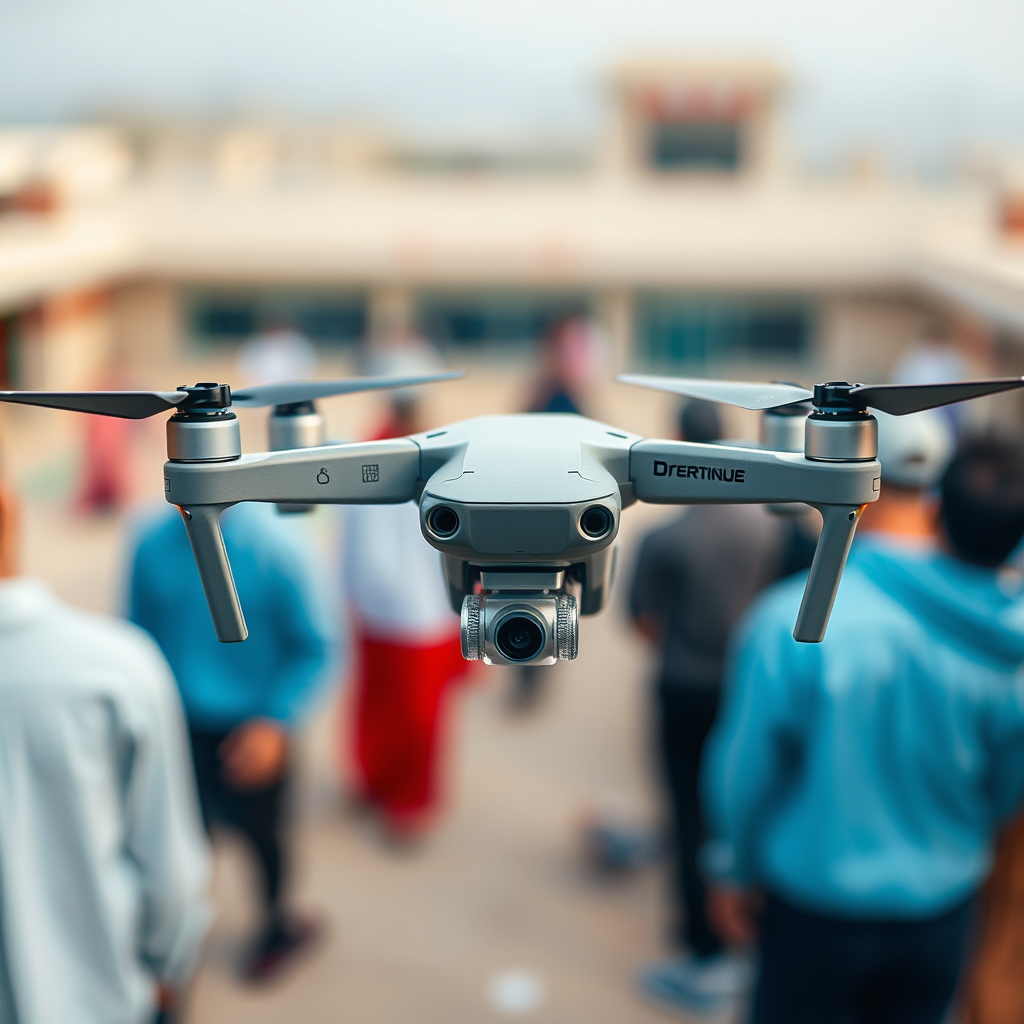
Pakistan has established a comprehensive framework governing the use of drones, primarily enforced by the Civil Aviation Authority (CAA). The regulations vary based on the weight and purpose of the drone. For instance, drones weighing more than 250 grams are classified as “remotely piloted aircraft systems” and must be registered with the CAA. This registration process is designed to ensure safety and compliance with airspace regulations, minimizing risks associated with drone operations.
The CAA has categorized drone usage into various sectors, including recreational, commercial, and research purposes. Each category may have distinct requirements, and understanding these classifications is essential for complying with local laws. For instance, commercial drone operators may have stricter regulations, including mandates for pilot training and operational certifications.
Registration Process for Drones
To register your drone in Pakistan, you will need to provide several details, including the specifications of your drone, personal identification, and proof of ownership. The CAA requires documentation such as a copy of your National Identity Card (NIC) or passport, along with the drone’s technical specifications, including its make, model, and serial number.
The registration process can take a few days to complete, so it is advisable to initiate it well in advance of your trip. Typically, the registration can be done online through the CAA’s official portal, making it easier for travelers to comply with the regulations. Once registered, you will receive a unique registration number that should be displayed on your drone, ensuring it is easily identifiable during inspections.
Required Permits for Drone Use
If you plan to use your drone for aerial photography or videography in Pakistan, obtaining a Special Permission Letter from the CAA is mandatory. This permit is particularly crucial for those looking to capture the stunning landscapes or vibrant city life through their drones. The application for this permit may require you to submit a detailed plan of your intended drone operations, including the dates, locations, and purposes of your flights.
Additionally, a processing fee might be involved, the amount of which can vary based on the nature of your request and the duration of the permit. It’s essential to apply for this permit well in advance of your travel dates, as processing times can vary. Failure to acquire the necessary permits can lead to fines or confiscation of your drone by local authorities.
Areas Where Drone Use is Prohibited
While Pakistan offers numerous opportunities for drone enthusiasts, it is crucial to note that some areas are strictly off-limits for drone operations. Drones are prohibited in sensitive locations such as military zones, government buildings, and near airports. The CAA has designated specific no-fly zones to maintain safety and security, and violations can lead to severe penalties, including legal action.
Before flying your drone, always check local regulations to avoid restricted zones. Many cities, including Islamabad and Lahore, have specific areas where drone usage is either heavily regulated or entirely prohibited. Utilizing drone mapping applications and consulting local resources can help identify these restricted areas, ensuring compliance with local laws.
Insurance and Liability Considerations
Having insurance coverage for your drone is highly advisable, particularly for international travel. Drone insurance can protect you against potential damages or liabilities that may arise during your operations. In Pakistan, while not mandatory, insurance can provide peace of mind and financial protection in the event of accidents or damages caused by your drone.
Understanding local laws regarding liability is also essential. If your drone causes injury or property damage, you could be held liable under local laws. Familiarizing yourself with Pakistan’s legal framework concerning drone operations will better prepare you for any unforeseen circumstances. Additionally, consider obtaining travel insurance that covers drone-related incidents, further safeguarding your investment.
Tips for Traveling with Your Drone
Traveling with your drone requires careful planning to ensure it arrives safely and is ready for use upon arrival. Here are some practical tips to enhance your travel experience:
– Protection: Always carry your drone in a protective case to prevent damage during transit. Ensure that the case is durable and cushioned to withstand handling by airport personnel.
– Documentation: Keep your registration documents, permits, and insurance papers easily accessible. This will facilitate quick inspections at security checkpoints and help avoid delays.
– Battery Management: Be aware of airline regulations regarding lithium batteries. Many airlines have restrictions on the number of batteries you can carry, as well as rules regarding their storage. Always check with your airline beforehand and take measures to comply with these regulations.
– Local Knowledge: Research the local culture and regulations regarding drone use. Understanding customs and norms can enhance your experience and prevent misunderstandings with locals or authorities.
– Emergency Plan: Have a contingency plan in case of emergencies, such as a lost drone or equipment malfunction. Familiarize yourself with local repair services or drone communities that could assist if needed.
In conclusion, while taking your drone to Pakistan is possible, it requires careful adherence to regulations and proper documentation. Familiarizing yourself with the CAA’s guidelines, obtaining necessary permits, and understanding local laws will ensure a smooth travel experience. By preparing adequately and respecting the rules, you can enjoy the stunning vistas and vibrant culture that Pakistan has to offer while safely operating your drone.
Frequently Asked Questions
Can I take my drone to Pakistan for recreational use?
Yes, you can take your drone to Pakistan for recreational use, but it is essential to be aware of the regulations set by the Pakistan Civil Aviation Authority (PCAA). You must obtain a No Objection Certificate (NOC) from the PCAA before flying your drone. Additionally, ensure that your drone adheres to the weight and altitude restrictions specified by the authorities to avoid any legal issues.
What are the drone regulations in Pakistan?
In Pakistan, drone regulations require individuals to register their drones with the PCAA if they weigh more than 250 grams. Users must also acquire a permit for commercial use and adhere to specific flying guidelines, such as maintaining a line of sight, avoiding no-fly zones, and not flying above 400 feet. It’s crucial to stay updated on local laws, as regulations can change frequently.
How do I apply for a No Objection Certificate (NOC) to fly my drone in Pakistan?
To apply for a No Objection Certificate (NOC) in Pakistan, you need to submit an application to the PCAA along with the required documentation, including drone specifications, your ID, and a flight plan outlining where and when you intend to fly. The PCAA will review your application, and if approved, you will receive an NOC that allows you to operate your drone legally. Make sure to apply well in advance of your travel date to account for processing time.
Why is it important to follow drone laws in Pakistan?
Following drone laws in Pakistan is crucial to ensure the safety of both the public and air traffic. Violating these regulations can lead to severe penalties, including fines or confiscation of your drone. Moreover, respecting local laws helps promote responsible drone usage and fosters a positive relationship between drone operators and authorities, which is vital for the future of drone activities in the country.
Which drone models are recommended for travel to Pakistan?
When traveling to Pakistan, consider compact and lightweight drone models that are easy to carry, such as the DJI Mini series or the Parrot Anafi. These drones typically weigh less than 250 grams, which may simplify the registration process. Additionally, check the battery regulations for your chosen drone, as some airlines have restrictions on carrying lithium batteries, especially in checked baggage.
References
- https://www.caa.gov.pk/
- https://www.faa.gov/uas/getting_started/flyer/
- https://www.bbc.com/news/world-asia-56365777
- https://www.state.gov/transportation-security-administration/
- https://www.reuters.com/world/asia/pakistan-issues-new-drone-regulations-2021-06-09/
- https://www.theguardian.com/world/2021/jun/14/pakistan-drone-regulations-what-you-need-to-know
