
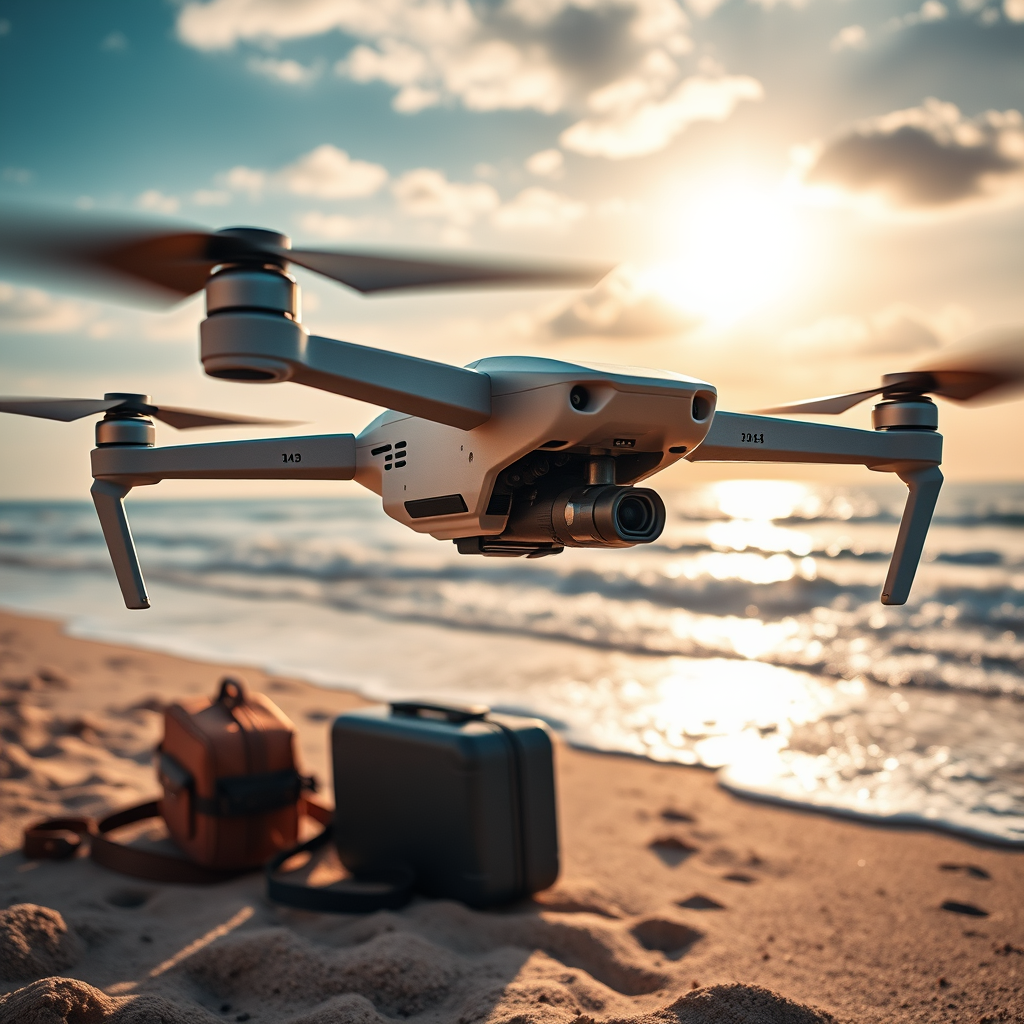
Yes, you can use a drone at the beach, but there are important regulations and safety measures to keep in mind. Understanding local laws, FAA guidelines, and environmental considerations will enhance your drone experience while ensuring the safety of beachgoers and wildlife. As drone technology becomes more accessible, it’s crucial to navigate these various aspects responsibly.
Understanding Local Regulations
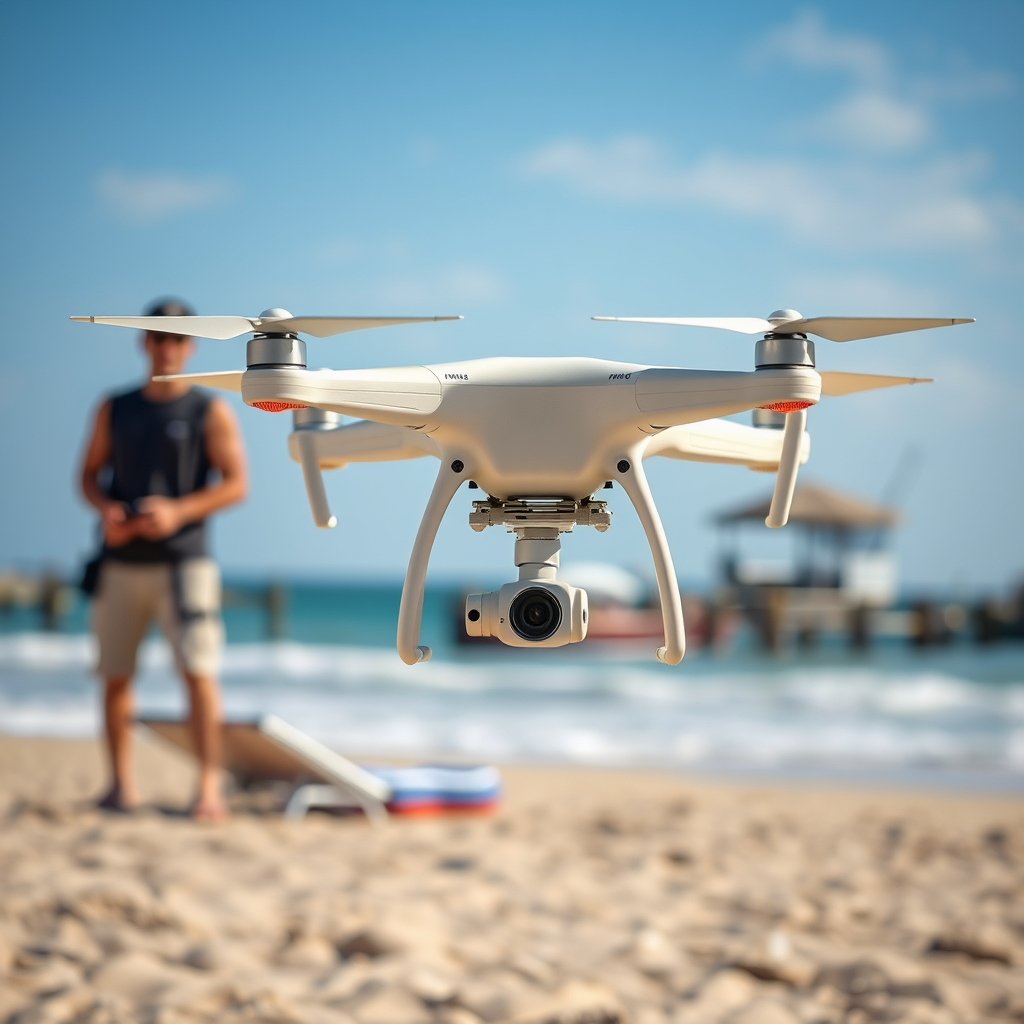
Many beaches have specific drone regulations set by local authorities. Before you take off, it’s essential to familiarize yourself with the rules governing drone use in the area you are visiting. For instance, popular tourist beaches may have stricter regulations to maintain safety and privacy for beachgoers. Some municipalities may require permits for drone use, while others might entirely prohibit it. Additionally, local parks or wildlife reserves adjacent to beaches often have their own set of restrictions. Always check for any no-fly zones or restricted areas before launching your drone, as violating these regulations can result in hefty fines or confiscation of your equipment.
Federal Aviation Administration (FAA) Guidelines
The FAA governs drone usage across the United States, including beaches. It’s critical to adhere to these federal guidelines to ensure compliance and safety. If your drone weighs more than 0.55 lbs, you are required to register it with the FAA. This registration process is straightforward and can typically be completed online. Furthermore, if you plan to use your drone for commercial purposes—such as capturing footage for a promotional video or selling photos—you must follow the Part 107 rules. These rules encompass a range of requirements, including passing an aeronautical knowledge test and obtaining a Remote Pilot Certificate. Understanding these FAA guidelines not only ensures your legal compliance but also helps promote safe drone operation in public spaces.
Beach Safety and Etiquette
When flying a drone at the beach, safety and etiquette should be your top priorities. Keep a safe distance from people, pets, and wildlife to avoid potential accidents. The drone should be operated in a manner that does not interfere with the enjoyment of others. Additionally, be respectful of the privacy of beachgoers—capturing unwanted footage can lead to complaints and potentially legal issues. Always be aware of your surroundings and avoid flying over crowded areas where accidents could occur. Moreover, familiarize yourself with basic drone safety protocols to minimize risks, such as maintaining line-of-sight with your drone and avoiding night flying unless equipped with appropriate lighting.
Environmental Impact
Drones can disturb wildlife and natural habitats, particularly in sensitive coastal areas. Many beach ecosystems are home to nesting birds and other wildlife that can be easily disrupted by drone activity. For example, flying a drone near a sea turtle nesting site can cause stress to the animals and interfere with their natural behaviors. Respect local ecosystems and avoid flying near nesting sites or protected areas. Always conduct pre-flight research to understand the potential impact of your drone on the environment and to avoid disturbing local wildlife. Being a responsible drone operator means not only following regulations but also being a steward of the natural world.
Ideal Times for Flying
Timing your drone flights can significantly affect your experience and the quality of your footage. Early mornings or late afternoons often provide calmer conditions and fewer people on the beach, making it an ideal time to fly. These times are not only less crowded but also provide optimal lighting conditions, enhancing the quality of your images and videos. Before heading out, check weather conditions to ensure safe flying; avoid high winds or rain, as these can affect your drone’s performance and increase the likelihood of accidents. Planning your flights around ideal times can greatly enhance both your experience and the footage you capture.
Equipment and Preparation
Ensuring your drone is equipped for beach conditions is vital for a successful flight. Beaches often have sand and saltwater, which can damage your drone if proper precautions are not taken. Consider investing in a drone with weather-resistant features or protective coverings. Additionally, bring extra batteries, as flying near the coast can drain power quickly due to the open environment and potential for strong winds. Prior to your flight, perform a thorough pre-flight check to ensure your equipment is functioning correctly. This includes checking propellers, battery levels, and firmware updates. Being well-prepared is essential for avoiding mishaps during your drone operations.
Tips for Capturing Great Beach Footage
To enhance your drone footage, consider employing various techniques that leverage the unique coastal environment. Use different angles and heights to create dynamic and engaging videos and photos. For instance, flying low over the water can capture stunning reflections, while higher altitudes can provide breathtaking panoramic views of the coastline. Additionally, consider the time of day for optimal lighting conditions, such as golden hour—shortly after sunrise and before sunset—when the sunlight casts a warm, golden hue over the landscape. Experiment with different settings and camera angles to discover the most captivating perspectives. Utilizing these techniques will make your beach footage stand out and leave a lasting impression.
In summary, while using a drone at the beach is entirely feasible, it’s essential to stay informed about regulations and safety practices. Understanding local regulations, abiding by FAA guidelines, and being considerate of safety, etiquette, and the environment are vital components to ensure a positive experience. By prioritizing the well-being of those around you and the ecosystems you encounter, you can enjoy the thrill of capturing stunning aerial shots while being a responsible drone operator.
Frequently Asked Questions
What are the regulations for flying a drone at the beach?
Regulations for flying a drone at the beach can vary significantly depending on the location. Generally, you must follow the rules set by the Federal Aviation Administration (FAA), which includes registering your drone if it weighs over 0.55 pounds, keeping it in line of sight, and not flying above 400 feet. Additionally, many beaches may have local ordinances that prohibit drone use, especially in crowded areas or near wildlife, so it’s essential to check both federal and local laws before taking off.
How can I ensure my drone flight at the beach is safe and respectful?
To ensure safe and respectful drone flying at the beach, always be aware of your surroundings and avoid flying over people or animals. Check for no-fly zones, especially near airports, and be mindful of any privacy concerns that beachgoers may have. Additionally, consider flying during off-peak hours to minimize disturbances and practice good etiquette by keeping your drone at a safe distance from others.
Why is it important to check for wildlife restrictions when flying a drone at the beach?
Checking for wildlife restrictions when flying a drone at the beach is crucial because many coastal areas are habitats for protected species, such as nesting birds and marine life. Disturbing these animals can lead to legal consequences and harm to the ecosystem. Adhering to wildlife regulations not only protects the environment but also ensures that your drone flight is responsible and compliant with local laws.
What is the best time of day to fly a drone at the beach?
The best time of day to fly a drone at the beach is typically early in the morning or late in the afternoon. During these times, you can benefit from calmer winds and softer lighting, which can enhance your aerial photography or videography. Additionally, flying during off-peak hours helps you avoid crowds, reducing the risk of accidents and disturbances.
Which drones are best suited for beach flying conditions?
Drones that are best suited for beach flying conditions are those that are lightweight, have good wind resistance, and offer waterproof features. Models like the DJI Mavic Air 2 or the Autel Robotics EVO Lite are popular choices for their portability and durability. Additionally, consider drones with a long battery life and high-quality cameras if you plan to capture stunning beach landscapes or wildlife, ensuring you get the most out of your flying experience.
References
- https://www.faa.gov/uas/getting_started/where_to_fly
- https://www.nps.gov/subjects/drones/index.htm
- https://www.wildlife.ca.gov/Conservation/Marine/Drone-Use
- https://www.theguardian.com/technology/2021/aug/10/drone-beach-flying-rules
- https://www.nytimes.com/2020/07/29/technology/drones-beaches.html
- https://www.sandiegocounty.gov/content/sdc/parks/activities/drone-flying.html
