
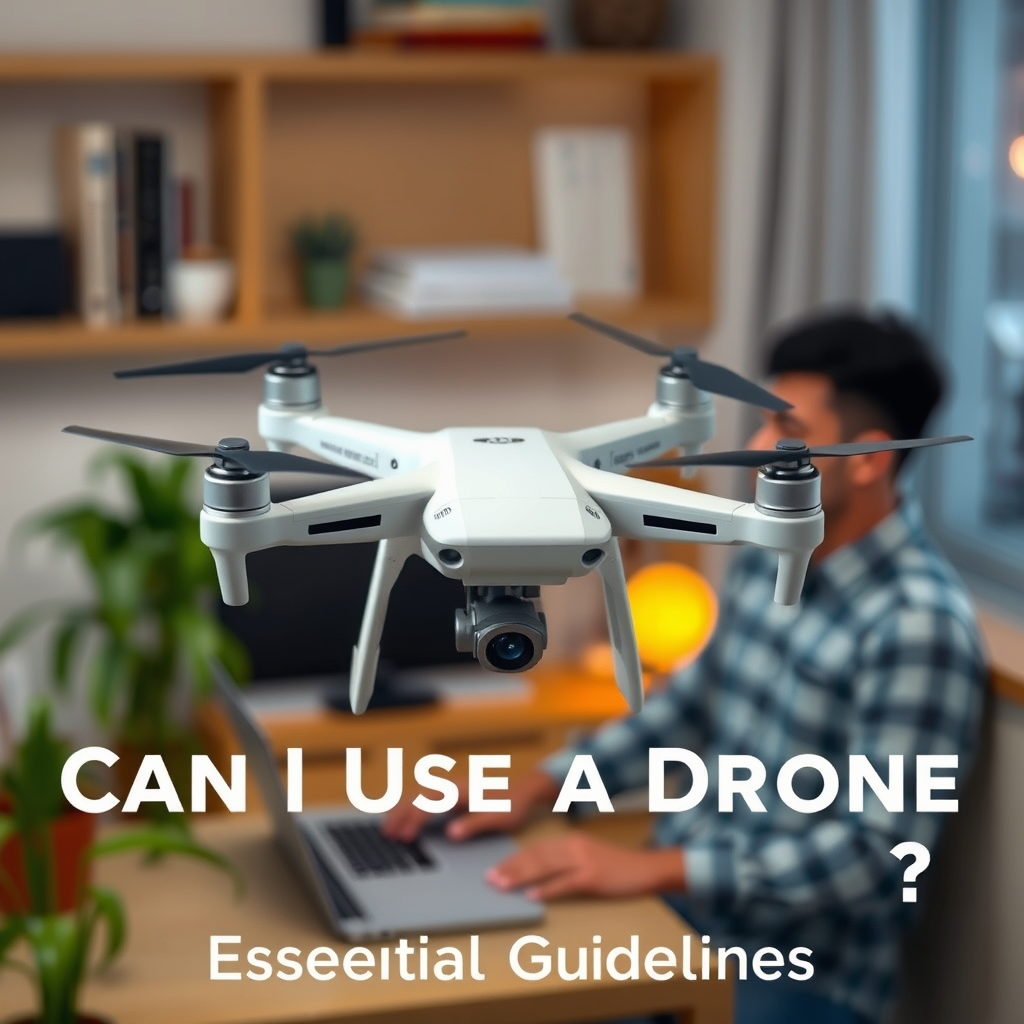
Yes, you can use a drone in India, but there are specific regulations and guidelines you must follow. The Indian government has implemented a comprehensive framework to ensure safe and responsible drone usage, which includes registration, licensing, and adherence to no-fly zones. Whether you’re a hobbyist or a professional operator, understanding these regulations is crucial before taking to the skies.
Understanding Drone Regulations in India
The Ministry of Civil Aviation (MoCA) is the primary governing authority for drone operations in India. This ministry has established a regulatory framework known as the Civil Aviation Requirements (CAR) for Remotely Piloted Aircraft Systems (RPAS). These regulations are designed to promote safe practices while ensuring the integration of drones into the national airspace system.
All drone operators must register their drones on the Digital Sky Platform, a government initiative aimed at streamlining the registration process and enhancing compliance. This online platform facilitates the issuance of Unique Identification Numbers (UINs) for drones, which is mandatory for legal operation. Operators are also required to provide details such as the type of drone, its weight, and the purpose of use during registration.
Understanding these regulations is vital for both novice and experienced drone operators, as non-compliance can result in fines or legal action. Keeping abreast of any updates or changes in regulations is equally important, as the drone industry is rapidly evolving.
Types of Drones Allowed
Drones in India are categorized based on their weight, with three primary classifications: micro, small, and large.
1. Micro Drones: Weighing up to 250 grams, these drones can be used for recreational purposes without the need for a permit. However, operators must still register them on the Digital Sky Platform.
2. Small Drones: Ranging from 250 grams to 25 kilograms, small drones require a UIN and may need a permit if used for commercial purposes. These drones are commonly used in agriculture, surveying, and aerial photography.
3. Large Drones: Weighing over 25 kilograms, these drones require a UIN and a Unmanned Aircraft Operator Permit (UAOP) for operation. Large drones often serve specialized purposes, including cargo delivery and industrial applications.
Each category possesses unique operational restrictions and requirements, including altitude limits, maximum flight distances, and restrictions on flying over populated areas. Familiarizing yourself with these categories is essential for compliance and safety.
Licensing and Registration Requirements
For commercial drone usage in India, pilots must obtain a Unmanned Aircraft Operator Permit (UAOP). This process involves a rigorous application procedure that includes submitting details about the intended operations, safety protocols, and pilot qualifications. The UAOP is essential for any commercial activities, including aerial photography, surveying, and drone deliveries.
Recreational users, while not required to obtain a UAOP, must still adhere to specific guidelines. These include operating drones below 120 meters, avoiding no-fly zones, and ensuring that their drone is registered on the Digital Sky Platform. It is advisable for recreational users to undergo training to understand the rules of safe drone operation.
In addition, all drone pilots must undergo training from a DGCA-approved training organization and pass a competency test to ensure they are well-versed in safety practices and regulatory compliance.
No-Fly Zones and Restricted Areas
In India, certain areas are designated as no-fly zones, where drone operations are strictly prohibited. These include airports, military bases, and densely populated urban centers. The rationale behind these restrictions is to ensure the safety of air traffic and to protect sensitive locations from potential threats.
Before flying a drone, it is crucial to check local regulations regarding restricted areas. The Digital Sky Platform provides maps indicating no-fly zones, allowing operators to plan their flights accordingly. Violating these restrictions can lead to severe penalties, including confiscation of equipment and legal repercussions.
Additionally, drone operators should be aware of temporary no-fly zones that may be established during events like public gatherings or emergencies. Staying informed about these temporary restrictions is essential for responsible drone operation.
Safety and Operational Guidelines
Safety is paramount when operating drones, and adherence to established operational guidelines is crucial. All drone operators must maintain visual line-of-sight while flying, which means keeping the drone within sight at all times. This practice not only enhances safety but also ensures compliance with regulations.
Furthermore, operators must follow altitude restrictions, which typically limit flights to a maximum of 120 meters (400 feet) above ground level. Drones should also avoid flying near crowds, sensitive locations (such as schools and hospitals), and emergency response operations.
Before each flight, conducting a pre-flight check is recommended to ensure the drone is in good working condition and all systems are functioning properly. This includes checking battery levels, inspecting propellers, and ensuring that the drone’s software is up to date.
Insurance and Liability Considerations
While obtaining liability insurance for drone operations in India is not mandatory, it is highly recommended. Liability insurance can protect drone operators from potential damages or accidents that may occur during flight. This can include property damage or personal injury caused by the drone, which can lead to significant financial liability.
Many insurance providers offer specialized drone insurance policies that cover various aspects of drone operation, including equipment damage, third-party liability, and even legal fees in case of disputes. Investing in liability insurance not only provides peace of mind but also enhances your credibility as a responsible drone operator.
Future of Drone Usage in India
The future of drone usage in India is promising, with the government actively promoting drone technology across various sectors. Initiatives are underway to integrate drones into agriculture, healthcare, logistics, and disaster management. For example, drones are being used for precision agriculture, helping farmers monitor crop health and optimize resource usage.
Upcoming regulations are expected to further ease restrictions for commercial drone usage, facilitating innovation and growth in the industry. The government is also exploring opportunities for drone deliveries, which could revolutionize logistics and e-commerce in the country.
As technology advances, the potential applications for drones will continue to expand, making it essential for operators to stay informed about regulatory changes and industry trends.
In conclusion, while you can use a drone in India, it is essential to adhere to the established regulations and guidelines to ensure safe and responsible flying. Understanding drone categories, obtaining the necessary permits, and respecting no-fly zones are crucial steps for both recreational and commercial users. Staying informed about changes in the law and considering obtaining liability insurance are also vital for responsible drone operation. As the drone industry evolves, embracing the opportunities it presents while maintaining compliance will be key to successful operations in India.
Frequently Asked Questions
Can I use a drone for commercial purposes in India?
Yes, you can use a drone for commercial purposes in India, but you must adhere to the regulations set by the Directorate General of Civil Aviation (DGCA). This includes obtaining a Unmanned Aircraft Operator Permit (UAOP), registering your drone, and ensuring it meets specific safety standards. Additionally, operators must follow airspace restrictions and other guidelines defined by the DGCA to ensure legal compliance.
What are the requirements for flying a drone in India?
To legally fly a drone in India, you need to register your drone with the DGCA and obtain a Unique Identification Number (UIN). If you plan to operate commercially, you must also secure a UAOP. Furthermore, you should complete an online training program and adhere to guidelines regarding the maximum altitude, restricted airspace, and no-fly zones to ensure safety and compliance.
Why do I need to register my drone in India?
Registering your drone in India is crucial for ensuring accountability and safety in the airspace. The DGCA mandates registration to monitor drone operations and mitigate potential risks associated with unregulated flying. This helps prevent accidents, protect privacy, and ensure that drone operators are following the law, contributing to a safer environment for both manned and unmanned aircraft.
What are the penalties for flying a drone without permission in India?
Flying a drone without the necessary permissions in India can lead to severe penalties, including fines and potential imprisonment. The DGCA has strict regulations, and violators can face fines up to INR 1 lakh or more, depending on the severity of the violation. Additionally, unauthorized drone operations could result in confiscation of the drone and a ban on future flying activities.
Which drones are allowed for use in India?
In India, drones must comply with the specifications set by the DGCA, including weight limits, capability, and safety features. Generally, drones weighing below 250 grams can be used without a permit, while those above this weight must be registered and meet specific guidelines. It is essential to check the list of approved drones on the DGCA website to ensure that your drone is compliant with Indian regulations.
References
- https://www.civilaviation.gov.in/
- https://en.wikipedia.org/wiki/Unmanned_aerial_vehicle
- https://www.thehindu.com/news/national/drone-regulations-in-india-a-comprehensive-guide/article35629599.ece
- https://www.thewire.in/technology/drone-usage-in-india-what-you-need-to-know
- https://www.mygov.in/task/drone-usage-in-india/
- https://www.business-standard.com/article/current-affairs/government-issues-new-guidelines-for-drone-operations-in-india-121080500456_1.html
- https://www.frontline.in/environment/article25345473.ece
