
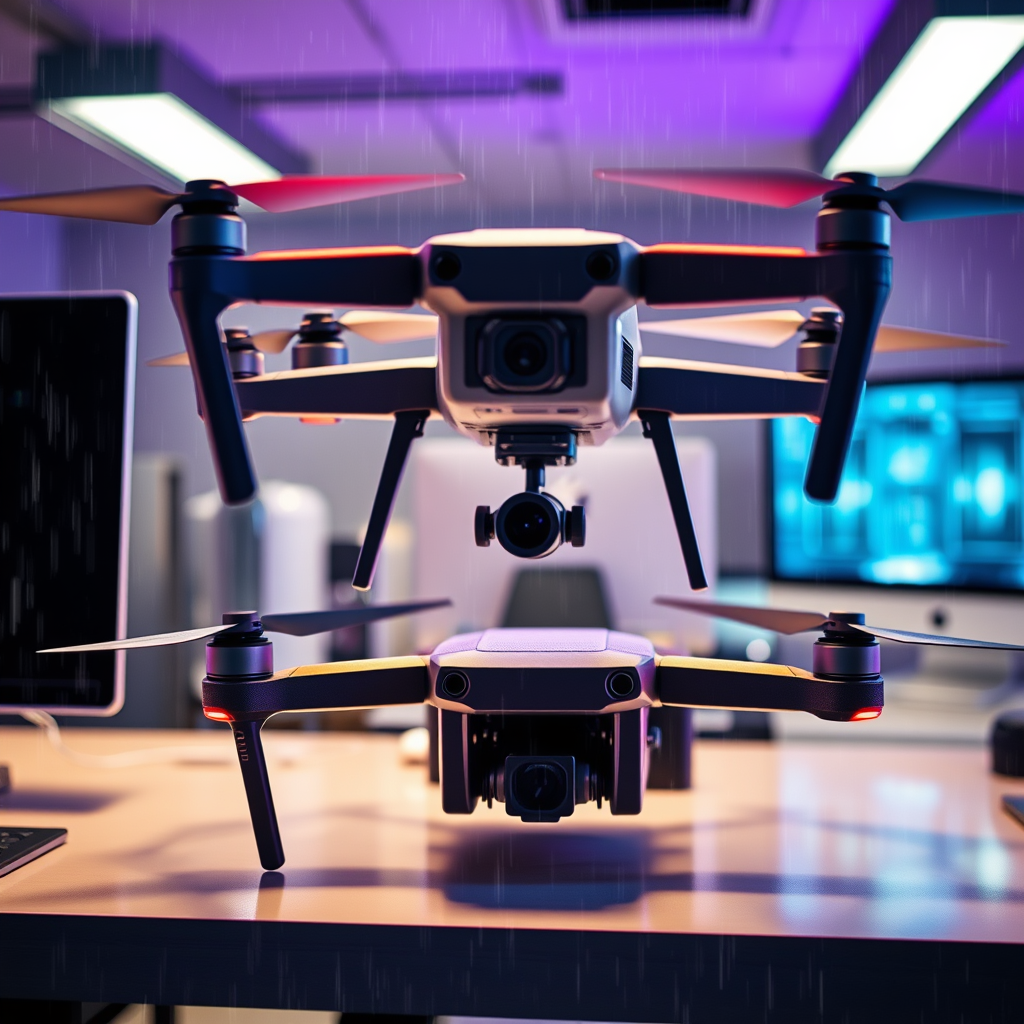
Yes, police drones can fly in the rain, but their effectiveness and safety may be compromised depending on the severity of the weather conditions. While some drones are designed to handle light rain, heavy downpours can adversely affect their operational capabilities. This article explores the capabilities of drones in inclement weather, the types of drones used by police, the impact of rain on drone operations, best practices for usage, legal considerations, and future developments in drone technology.
Understanding Drone Weather Resilience
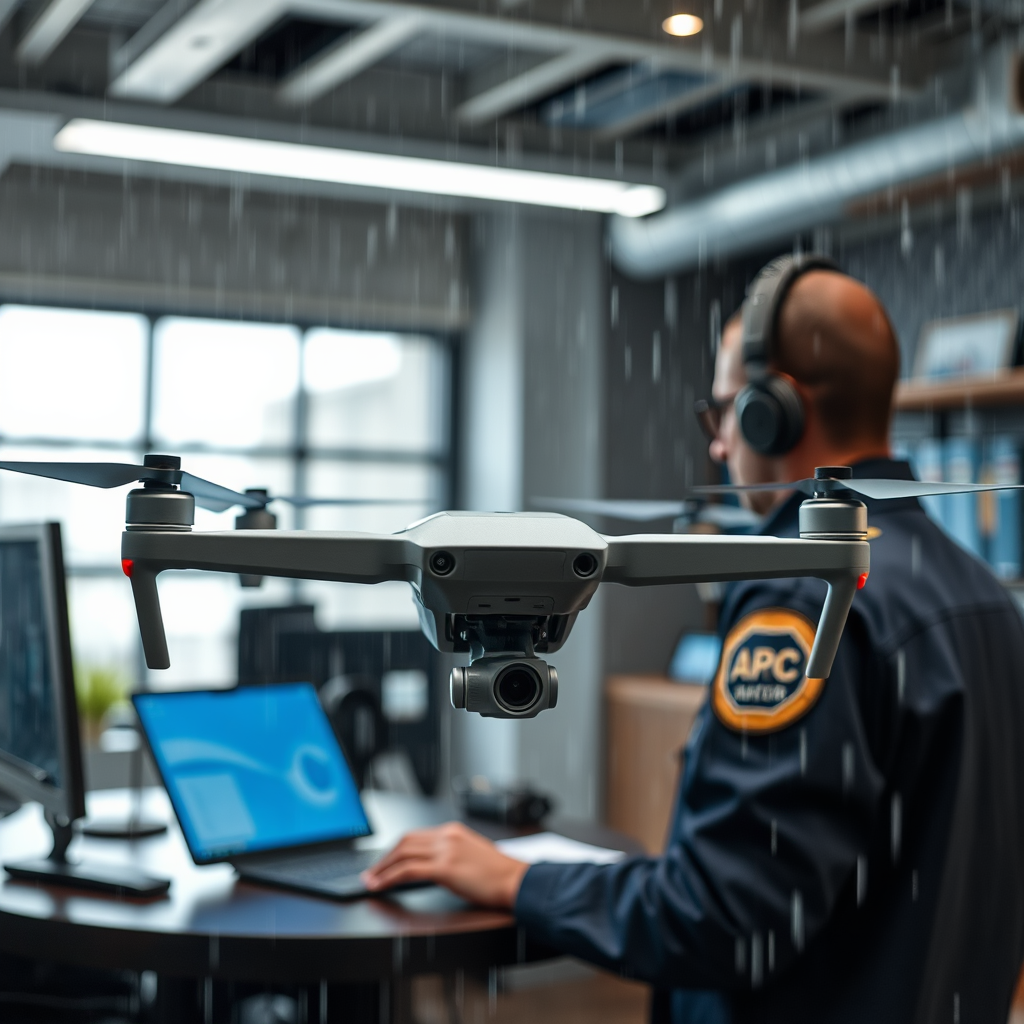
Many consumer and commercial drones come with specific weather resistance ratings, which indicate their ability to operate under various environmental conditions. Generally, drones are rated for their resilience against moisture, wind, and temperature fluctuations. For instance, drones classified with an IP (Ingress Protection) rating of 54 or higher can withstand splashes of water from any direction but are not fully waterproof. Rain can adversely impact battery life due to the increased load on the drone’s electrical systems and cause sensors to malfunction or provide inaccurate data.
Moreover, the effects of rain on visibility can significantly hinder a drone’s operational effectiveness. Cameras may become foggy or wet, leading to poor image quality, and the drone’s navigation systems may be influenced by the interference of raindrops. Thus, while police drones can be deployed in rain, operators must consider these factors when planning an operation.
Types of Drones Used by Police
Different models of drones offer varying specifications for weather resistance, and understanding these specifications is crucial for police departments. Some drones, like the DJI Matrice 300 RTK, are designed for rugged environments and can handle light rain and wind conditions. They are equipped with advanced sensors and can be outfitted with thermal imaging cameras, making them effective for search and rescue missions or surveillance tasks even in less-than-ideal weather.
On the other hand, more consumer-oriented models may not be suitable for such conditions and are better used in clear, calm weather. Police departments are increasingly investing in all-weather drones that are specifically engineered to withstand adverse conditions, ensuring they can maintain operational capabilities regardless of the weather.
Impact of Rain on Drone Operations
Rain can lead to reduced flight time and increased risk of malfunctions in police drones. The added weight of water accumulation on the drone can decrease its flight efficiency, leading to quicker battery depletion. Additionally, if a drone’s internal components become compromised due to moisture exposure, it can result in complete operational failure.
Visibility issues created by rain can also hinder the effectiveness of surveillance and data collection. For example, law enforcement agencies often rely on high-resolution cameras for monitoring crime scenes or tracking suspects; however, rain can impair camera performance and limit the quality of data collected. Thus, while drones can be deployed in rainy conditions, their effectiveness may be significantly reduced, necessitating careful consideration by operators.
Best Practices for Drone Use in Rain
To maximize the effectiveness and safety of drone operations in rainy conditions, operators should adhere to several best practices. First, it is essential to continuously monitor weather conditions, as forecasts can change rapidly. Using advanced software that provides real-time weather updates can help operators make informed decisions before launching a drone.
Proper pre-flight checks are also critical. Operators should ensure that all drone components are functioning correctly and that the drone is rated for the current weather conditions. Checking battery levels, ensuring cameras are clean, and confirming that all sensors are operational can mitigate risks associated with flying in rain. Furthermore, it’s advisable to limit flight times in heavy rain and prioritize missions that are absolutely necessary.
Legal and Safety Considerations
Local laws may dictate the operational limits of drones in adverse weather, and law enforcement agencies must remain compliant with these regulations. For instance, the Federal Aviation Administration (FAA) in the United States has specific guidelines regarding drone operations, including visibility requirements that can be affected by rain.
Additionally, safety protocols must be followed to ensure the protection of both officers and the public. This includes establishing flight plans that consider the possibility of sudden weather changes and ensuring that all personnel involved in the operation are trained to respond to emergencies that may arise from challenging weather conditions.
Future Developments in Drone Technology
The future of drone technology is promising, with innovations being made to improve performance in inclement weather. Research is ongoing into materials and designs that enhance resilience against rain, wind, and other adverse conditions. For example, manufacturers are experimenting with hydrophobic coatings that repel water and reduce the likelihood of sensor malfunction.
Furthermore, advancements in battery technology may lead to extended flight times in challenging weather, which would be particularly beneficial for police operations. As drone technology continues to evolve, law enforcement agencies must stay informed about these developments to optimize their use of drones in various environmental conditions.
In conclusion, while police drones can operate in the rain, their efficiency can be significantly affected. It’s crucial for law enforcement agencies to understand these limitations, monitor weather conditions, and adapt their strategies accordingly. By adhering to best practices and staying informed about advancements in drone technology, police departments can enhance their operational effectiveness in a variety of weather conditions, ensuring they can respond effectively to incidents, even in less-than-ideal circumstances.
Frequently Asked Questions
Can police drones operate in the rain?
Yes, police drones can operate in the rain, but their effectiveness depends on the drone’s design and the intensity of the rainfall. Many commercial drones are built to be water-resistant, allowing them to function in light rain without significant issues. However, heavy rain can impair visibility and affect the drone’s electronics, potentially leading to malfunctions or crashes. It’s essential for law enforcement agencies to assess weather conditions before deploying drones in adverse weather.
What are the limitations of using drones in rainy weather for police operations?
The limitations of using drones in rainy weather mainly include reduced visibility, which can hinder the drone’s cameras and sensors from capturing clear images or data. Additionally, rain can add weight and cause moisture to enter the drone’s components, leading to performance issues or damage. As a result, police departments often prefer to wait for more favorable weather conditions to ensure the safety and effectiveness of their drone operations.
How does rain affect the battery life of police drones?
Rain can indirectly affect the battery life of police drones by causing the drone to work harder to maintain stability and control in windy, wet conditions. Increased power consumption can lead to quicker battery depletion. Furthermore, if rain causes the drone’s motors to become wet, it may lead to additional strain, further reducing flight time. Therefore, it’s crucial for police agencies to monitor battery levels closely when operating in rainy weather.
Why do police use drones, and how does weather affect their deployment?
Police use drones for various purposes, including surveillance, search and rescue operations, and crime scene investigation due to their ability to cover large areas quickly and provide aerial perspectives. Weather significantly affects their deployment; adverse conditions like rain can limit visibility, affect battery performance, and pose risks to the drone’s equipment. Agencies must weigh the benefits against the challenges presented by weather conditions before deploying drones.
Which police drones are best suited for rainy conditions?
Drones that are best suited for rainy conditions typically have IP ratings indicating water resistance, such as IP54 or higher. Models like the DJI Matrice 300 RTK and the Parrot Anafi USA are designed for rugged environments and can withstand light rain. However, it’s essential for police departments to evaluate their specific needs, including camera capabilities and flight endurance, when selecting drones that may be used in adverse weather conditions.
References
- https://en.wikipedia.org/wiki/Drone#Weather_conditions
- https://www.nytimes.com/2020/07/28/us/police-drones.html
- https://www.bbc.com/news/technology-50720786
- https://www.faa.gov/uas/resources/policy_library/
- https://www.sciencedirect.com/science/article/pii/S2352864821000010
- https://www.wired.com/story/drones-rain-snow/
- https://www.theguardian.com/us-news/2021/jul/05/police-drones-privacy-issues-usa
- https://www.faa.gov/uas/education/
- https://www.nps.gov/articles/public-safety-drones.htm
