
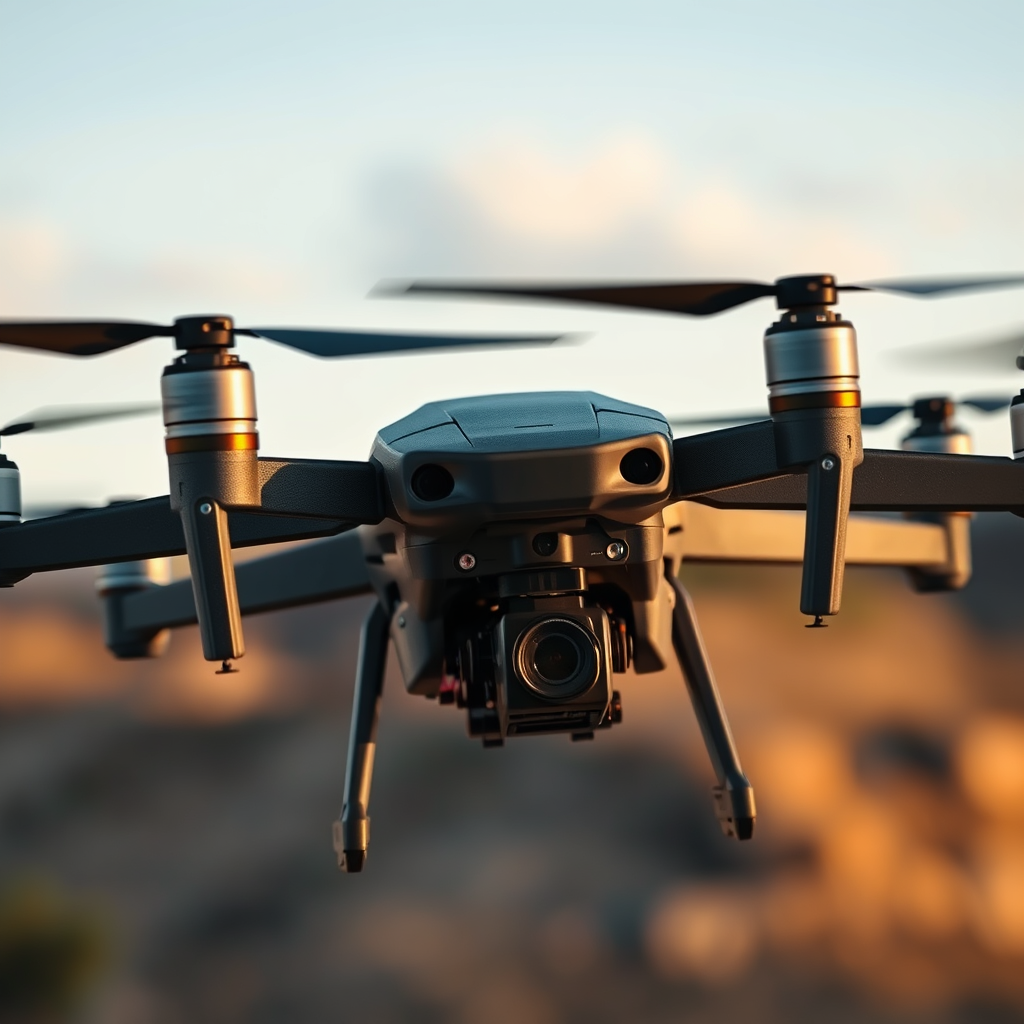
Yes, predator drones can hover, specifically the MQ-1 Predator and MQ-9 Reaper models. This capability is critical for conducting effective surveillance and precision strike missions. By allowing these unmanned aerial vehicles (UAVs) to remain stationary in the air, military operators can gather real-time intelligence and ensure successful target engagement. In this article, we will delve into how these drones achieve hovering, their operational capabilities, and the implications of this feature in military applications.
How Predator Drones Achieve Hovering
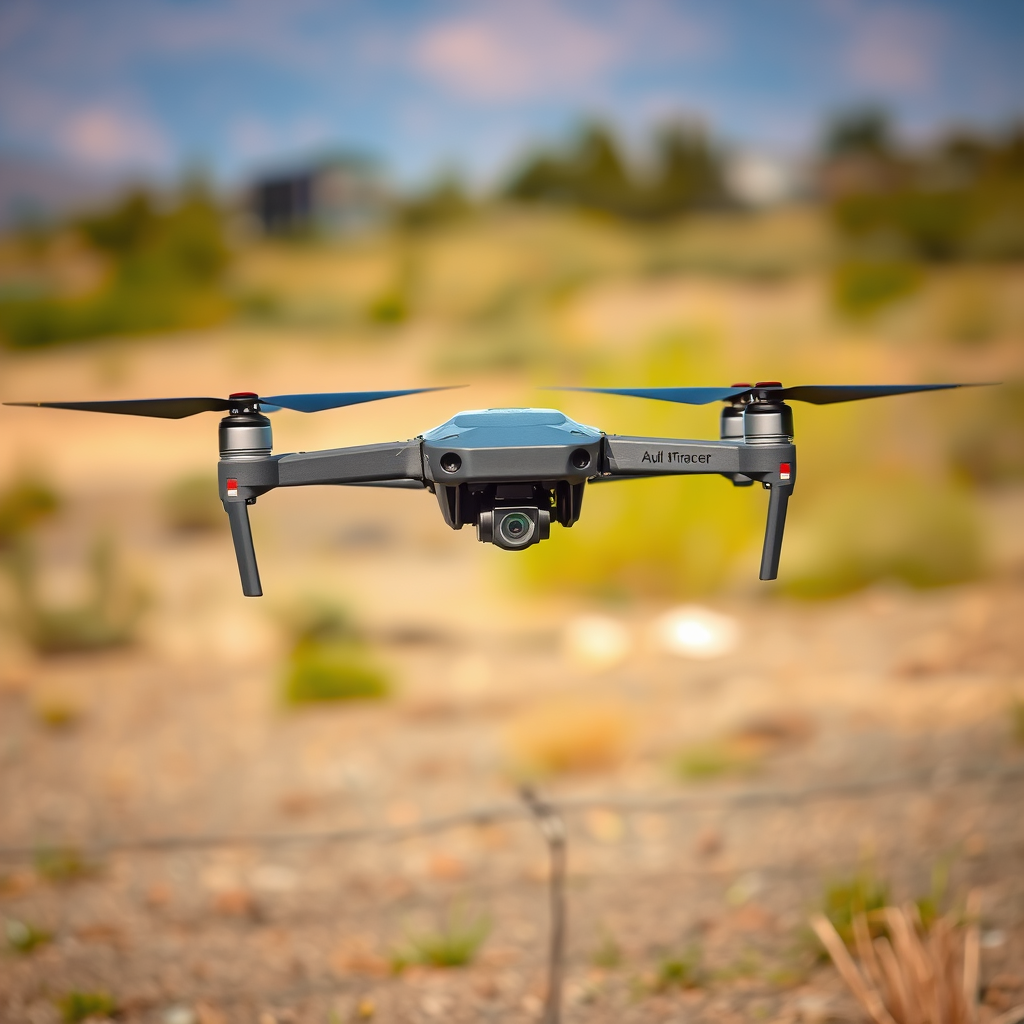
The ability of Predator drones to hover is primarily due to their sophisticated design and advanced technologies. Both the MQ-1 Predator and the MQ-9 Reaper feature a fixed-wing structure combined with a powerful propulsion system. This design enables a balance between lift and drag, allowing the drone to maintain altitude without forward motion.
Central to this hovering capability is the advanced flight control system integrated into these drones. These systems utilize a combination of GPS data, inertial measurement units (IMUs), and computer algorithms to stabilize the drone during hovering. This technology compensates for wind gusts and other environmental factors, ensuring that the UAV can maintain a steady position even in challenging conditions. The combination of these elements allows Predator drones to hover effectively for extended periods, making them invaluable assets for intelligence operations.
Advantages of Hovering for Predator Drones
The ability to hover provides several tactical advantages for Predator drones in military operations. One of the most significant benefits is the capability for prolonged surveillance over specific areas. This feature enables operators to monitor activities in real-time without the need for constant movement, which can draw attention and increase the risk of detection.
Moreover, hovering enhances the drone’s ability to gather intelligence. For instance, when conducting reconnaissance missions, hovering allows the drone to capture high-resolution imagery and video footage, which can be crucial for assessing enemy positions or monitoring troop movements. By remaining stationary, the drones can also listen for auditory signals or intercept communication, further augmenting their intelligence-gathering capabilities.
Additionally, hovering provides flexibility during strike missions. It allows operators to maintain visual contact with targets, ensuring that any engagement is precise and minimizes the risk of collateral damage. The MQ-9 Reaper, for instance, can hover over a target area, providing real-time data to commanders and enabling them to make informed decisions regarding engagement.
Limitations of Hovering
Despite the advantages of hovering, there are notable limitations that operators must consider. One significant constraint is the fuel consumption associated with this flight mode. Hovering requires a substantial amount of energy, which limits the duration that a drone can remain stationary. As a result, mission planners must carefully calculate fuel reserves to ensure that the drone can complete its objectives without running out of power.
Moreover, the effectiveness of hovering can be influenced by environmental conditions. High winds, heavy precipitation, or extreme temperatures can adversely affect a drone’s stability during hovering. For example, strong gusts can make it challenging for a drone to maintain its position, potentially compromising surveillance missions. Additionally, altitude can play a role; at higher elevations, thinner air can reduce lift, making hovering more difficult and fuel-intensive.
Comparison with Other Drone Types
When comparing Predator drones to other types of unmanned aerial vehicles, such as multirotor drones, it becomes evident that the mechanics of hovering differ significantly. Multirotor drones, which use multiple rotors for lift, are inherently designed for vertical takeoff and landing (VTOL) and can hover with relative ease. Their design allows them to remain stationary in the air without the need for forward movement.
In contrast, fixed-wing drones like the Predator rely on traditional aerodynamic principles to achieve lift. While they can hover, it requires more complex flight control systems and power management. However, fixed-wing drones often excel in terms of endurance and speed, making them suitable for longer missions and greater operational ranges compared to their multirotor counterparts.
The choice between fixed-wing and multirotor drones ultimately depends on the specific operational requirements. While multirotors may excel in urban environments where close-quarters maneuvering is essential, fixed-wing drones like the Predator are more effective for extended surveillance and reconnaissance over larger areas.
Real-World Applications of Hovering
The hovering capability of Predator drones has been leveraged in numerous real-world applications, particularly in military operations. One prominent use is in reconnaissance missions, where these drones gather intelligence without being detected by the enemy. For instance, during the conflicts in Iraq and Afghanistan, Predator drones played a vital role in monitoring insurgent movements and assessing battlefield conditions, providing commanders with critical situational awareness.
Additionally, hovering is crucial in operations requiring precise targeting, such as airstrikes. The MQ-9 Reaper’s ability to remain stationary allows operators to identify and confirm targets accurately before striking, thereby minimizing the risk of unintended casualties and collateral damage. This precision is especially important in urban warfare, where distinguishing between combatants and non-combatants can be challenging.
Moreover, the ability to hover has also been utilized in humanitarian missions, such as disaster response and search and rescue operations. By hovering over affected areas, drones can assess damage, locate survivors, and support relief efforts, demonstrating their versatility beyond military applications.
Future Developments in Drone Technology
As drone technology continues to evolve, there are ongoing innovations aimed at improving hovering capabilities and overall efficiency. One area of focus is the development of advanced propulsion systems that can provide greater lift while consuming less fuel. This could significantly extend the time that drones can hover, enhancing their operational effectiveness in various scenarios.
Additionally, advancements in battery technology, particularly the development of hybrid systems, hold promise for increasing the endurance of UAVs. By integrating renewable energy sources or more efficient energy storage solutions, future drones could achieve longer hover times, making them even more valuable for extended surveillance and reconnaissance missions.
Furthermore, research into artificial intelligence (AI) and machine learning is set to revolutionize drone operations. Enhanced autonomy and decision-making capabilities will allow drones to optimize their hovering patterns based on real-time data, improving mission effectiveness and safety.
In conclusion, the ability of Predator drones to hover is a critical feature that enhances their effectiveness in modern military operations. This capability allows for prolonged surveillance, real-time intelligence gathering, and precise targeting, all of which are essential in today’s complex battlefield environments. As technology continues to advance, we can expect further enhancements to their hovering capabilities, solidifying their role as essential tools in defense strategy and beyond.
Frequently Asked Questions
Can predator drones hover in place?
Yes, predator drones, such as the MQ-1 Predator and MQ-9 Reaper, have the capability to hover in place due to their design and propulsion systems. They utilize a combination of their wings and powerful engines to maintain a stationary position in the air, which is particularly useful for surveillance and reconnaissance missions. This hovering ability allows them to gather continuous intelligence and monitor specific targets for extended periods.
How do predator drones achieve hovering capability?
Predator drones achieve their hovering capability through a combination of aerodynamic design and engine power. They are equipped with multi-rotor propulsion systems that provide the necessary lift and thrust to counteract gravity. By adjusting the throttle and pitch of their propellers, these drones can stabilize themselves in a hover, allowing for precise positioning and extended surveillance operations.
Why is hovering important for predator drones?
Hovering is crucial for predator drones as it enhances their operational effectiveness in various missions, especially in intelligence gathering and target monitoring. When a drone hovers, it can capture high-resolution imagery and video without the complications of forward motion, which is essential for detailed analysis. Additionally, hovering allows drones to remain in a specific area of interest for longer durations, significantly improving situational awareness and decision-making for military and defense operations.
What are the limitations of predator drones when hovering?
While predator drones can hover, there are limitations to this capability. Factors such as battery life, fuel capacity, and weather conditions can affect how long a drone can remain stationary in the air. Hovering consumes a significant amount of energy, which can lead to reduced operational range and flight time. Additionally, strong winds and turbulence can make it difficult for drones to maintain a stable hover, impacting their effectiveness in certain environments.
Which types of missions benefit most from the hovering ability of predator drones?
Missions that benefit most from the hovering ability of predator drones include surveillance, reconnaissance, and target acquisition operations. The ability to hover allows drones to conduct detailed monitoring of enemy movements, gather intelligence on specific locations, and support ground troops by providing real-time information. This capability is particularly valuable in urban environments where precise targeting and situational awareness are critical for mission success.
References
- https://en.wikipedia.org/wiki/Unmanned_aerial_vehicle
- https://www.bbc.com/news/world-us-canada-26607962
- https://www.army.mil/article/136118/what_is_the_predator_drone
- https://www.reuters.com/article/us-usa-drones-insight-idUSKCN1VJ1YY
- https://www.sciencedirect.com/science/article/pii/S2214574516300456
- https://www.airforce.com/drones/predator-drone
- https://www.nytimes.com/2013/05/30/world/asia/us-drone-strikes-in-pakistan.html
