
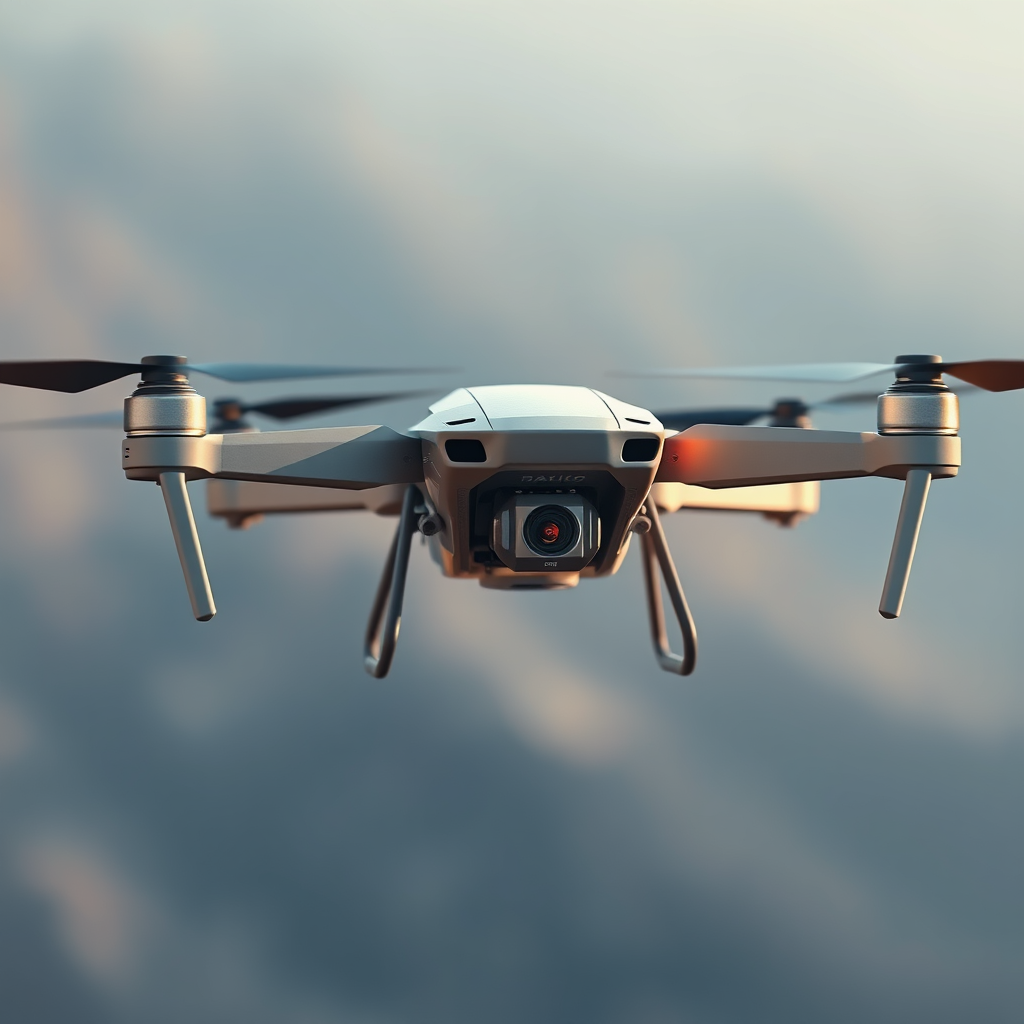
Yes, racing drones can hover, but their design primarily focuses on speed and agility rather than stability. While they possess the technical capability to maintain a stationary position in the air, this is not their primary function. Racing drones are engineered for quick maneuvers and high-speed flights, which often compromises their ability to hover smoothly compared to standard drones designed for stability. This article delves into the mechanics of racing drones, their hovering capabilities, and the implications for pilots and enthusiasts alike.
Understanding Racing Drones
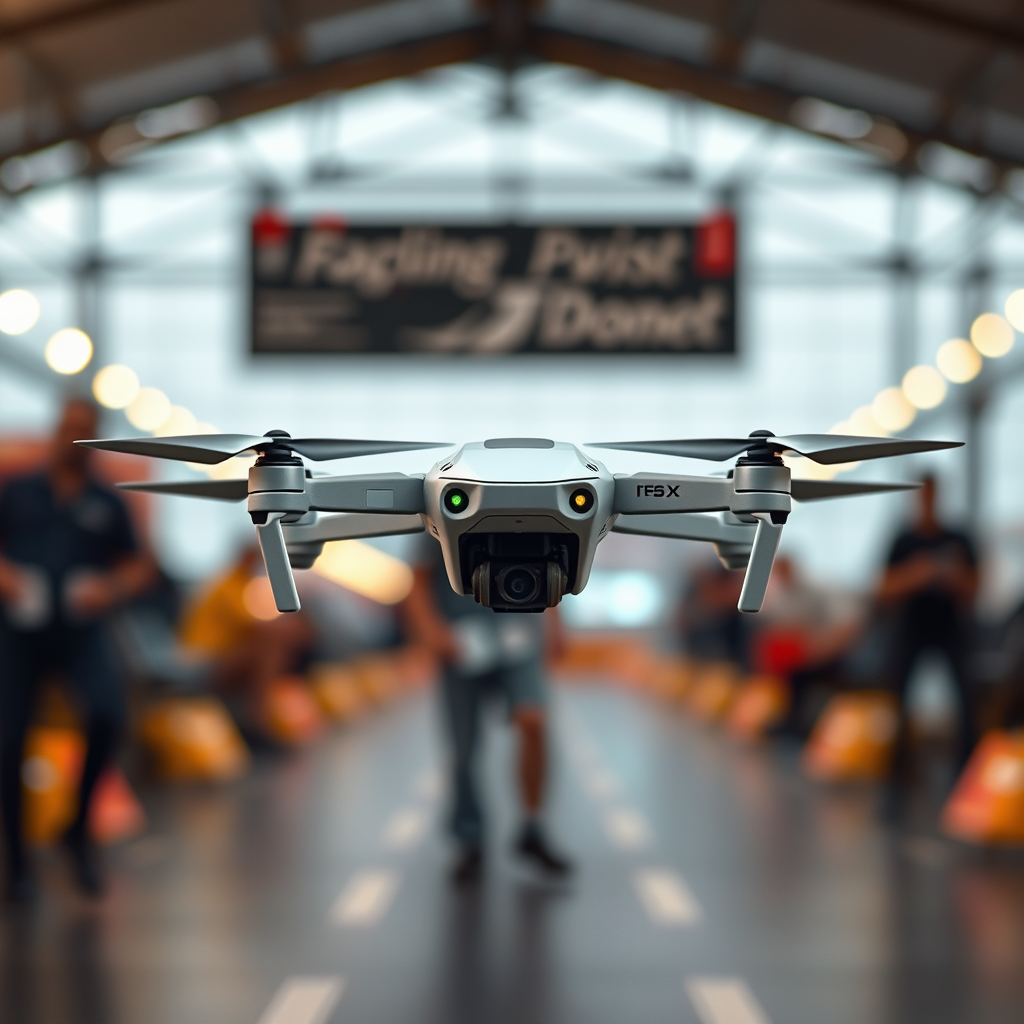
Racing drones are typically built for speed, with lightweight frames and high-powered motors that enable rapid acceleration and quick turns. The construction materials often include carbon fiber and plastic composites, which ensure durability while keeping weight to a minimum. Unlike standard quadcopters, which may prioritize stability for photography and videography purposes, racing drones emphasize agility and responsiveness. This focus on performance means that racing drones may lack some of the stabilization features found in typical consumer drones, such as GPS-assisted altitude hold or advanced stabilization algorithms. As a result, while they can hover, doing so requires a different skill set and technique.
The Mechanics of Hovering
Hovering requires a precise balance of thrust and weight; racing drones achieve this through rapid motor adjustments that can be quite demanding on both the hardware and the pilot. When a racing drone hovers, the motors must spin at varying speeds to counteract gravitational pull and maintain altitude. This is often managed by advanced flight controllers equipped with algorithms that help stabilize the drone during hovering. However, due to their design—favoring speed and quick maneuvers—hovering may not be as smooth as it is with standard quadcopters. The rapid adjustments necessary for hovering can lead to a jerky flight pattern, requiring skilled pilot input to maintain control.
Differences Between Racing and Standard Drones
The primary distinction between racing drones and standard drones lies in their intended use and the features that support that use. Standard drones often come equipped with GPS systems and altitude hold capabilities, which allow for stable hovering and easy control, making them ideal for aerial photography and surveying applications. Conversely, racing drones are stripped of these features to minimize weight and maximize speed. This absence of stabilizing technology poses challenges for hovering, as pilots must rely on their own skill and control inputs to maintain altitude. While this can make racing drones less user-friendly for beginners, it offers an exhilarating experience for seasoned pilots who thrive on the challenge of precision flying.
Practical Applications of Hovering in Racing Drones
Despite their design limitations, hovering can be beneficial in racing scenarios. For instance, during a race, a pilot may need to quickly change direction or navigate around obstacles. In such cases, brief hovering can provide the necessary control to execute sharp turns or dodge barriers effectively. Some racing events may even incorporate specific challenges that require pilots to hover momentarily, testing their skills and the drone’s capabilities. This aspect of racing can add an exciting layer to competitions, where agility and precision are critical for success.
Challenges of Hovering for Racing Drones
One of the most significant challenges of hovering for racing drones is battery life. Maintaining altitude requires continuous power, which can drain the battery more quickly than traditional flying. For racing drones that are designed for speed, this can limit flight time and necessitate careful energy management during races. Additionally, pilots must invest time in practicing hovering techniques to avoid crashes or loss of control. The lack of stabilization features means that even minor miscalculations can lead to significant issues, particularly in competitive settings where precision is paramount.
Tips for Pilots on Hovering Practice
For pilots looking to improve their hovering skills, starting in a stable environment is crucial. Open spaces with minimal obstacles provide an ideal setting for practicing hovering techniques before moving on to more complex maneuvers. Furthermore, using simulation software can be a highly effective way to refine hovering skills without risking damage to the drone. Many drone simulators offer realistic physics and controls, allowing pilots to experiment with hovering dynamics in a safe environment. Regular practice will enhance muscle memory and improve overall flying proficiency, making it easier to execute precise maneuvers during actual races.
Future Innovations in Racing Drone Technology
As the drone technology landscape evolves, emerging innovations may enhance the hovering capabilities of racing drones without sacrificing speed. Manufacturers are actively exploring advanced stabilization systems that could make hovering easier and more intuitive for pilots. For instance, incorporating artificial intelligence and machine learning algorithms may allow drones to better anticipate and correct for disturbances during flight. These advancements could revolutionize the racing drone segment, enabling even novice pilots to achieve smoother hovering while retaining the exhilarating speed and agility that define racing drones.
In conclusion, while racing drones do have the ability to hover, their primary function is to fly fast and maneuver quickly. Understanding the limitations and capabilities of these drones can enhance piloting skills and improve performance in competitions. As technology continues to advance, we may see improvements in stabilization and hovering efficiency that could broaden the applications and accessibility of racing drones, making them an even more exciting facet of the drone racing world.
Frequently Asked Questions
Can racing drones hover like traditional drones?
Racing drones are primarily designed for speed and agility, making them less effective at hovering compared to traditional drones. While some high-performance racing drones can maintain a stable position in the air for short periods, they lack the advanced stabilization systems found in drones specifically built for hovering. If hovering is a critical requirement for your use case, consider opting for a drone designed for aerial photography or surveying.
How do racing drones achieve stability for hovering?
Racing drones achieve stability through the use of advanced flight controllers and tuning settings that help manage their flight dynamics. While they can hover momentarily, their lightweight construction and focus on speed mean that they require constant adjustments from the pilot to maintain position. For those interested in hover capability, utilizing GPS-assisted flight modes available in some racing drones can improve stability during hovering.
Why do racing drones struggle to hover compared to other types of drones?
Racing drones struggle to hover primarily because they are engineered for high-speed maneuvers and quick directional changes rather than stability. Their design typically emphasizes lightweight frames and powerful motors, which contribute to their agility but make it challenging to maintain a fixed position in the air. Additionally, racing drones often lack the advanced GPS systems and altitude hold features found in drones specifically designed for hovering.
What are the best drones for hovering if I’m interested in racing drones?
If you’re looking for drones that offer both racing capabilities and decent hovering ability, consider models that integrate hybrid features. Drones like the DJI FPV or the Fat Shark 101 offer a balance, providing racing speed while incorporating GPS stabilization for better hovering. However, for optimal performance in hovering, it’s best to choose dedicated aerial photography drones, such as the DJI Mavic series or Phantom series, which excel in stability.
Can I modify a racing drone to improve its hovering capabilities?
Yes, you can modify a racing drone to enhance its hovering capabilities by adding features such as GPS modules, altitude hold sensors, or by tuning the flight controller settings for more stability. However, such modifications may compromise the drone’s agility and speed, which are its primary advantages. If hovering is a priority, it may be more effective to invest in a drone designed specifically for that purpose rather than modifying a racing drone.
References
- https://en.wikipedia.org/wiki/Drone
- https://www.sciencedirect.com/science/article/pii/S2351978919303362
- https://www.nytimes.com/2021/06/25/technology/racing-drones.html
- https://www.nasa.gov/feature/nasa-research-into-drones-and-autonomous-vehicles
- https://www.aaai.org/ojs/index.php/aimagazine/article/view/11592
- https://www.techrepublic.com/article/how-drones-can-impact-the-future-of-racing/
- https://www.researchgate.net/publication/332105959_Development_of_a_Hovering_Racing_Drone
