
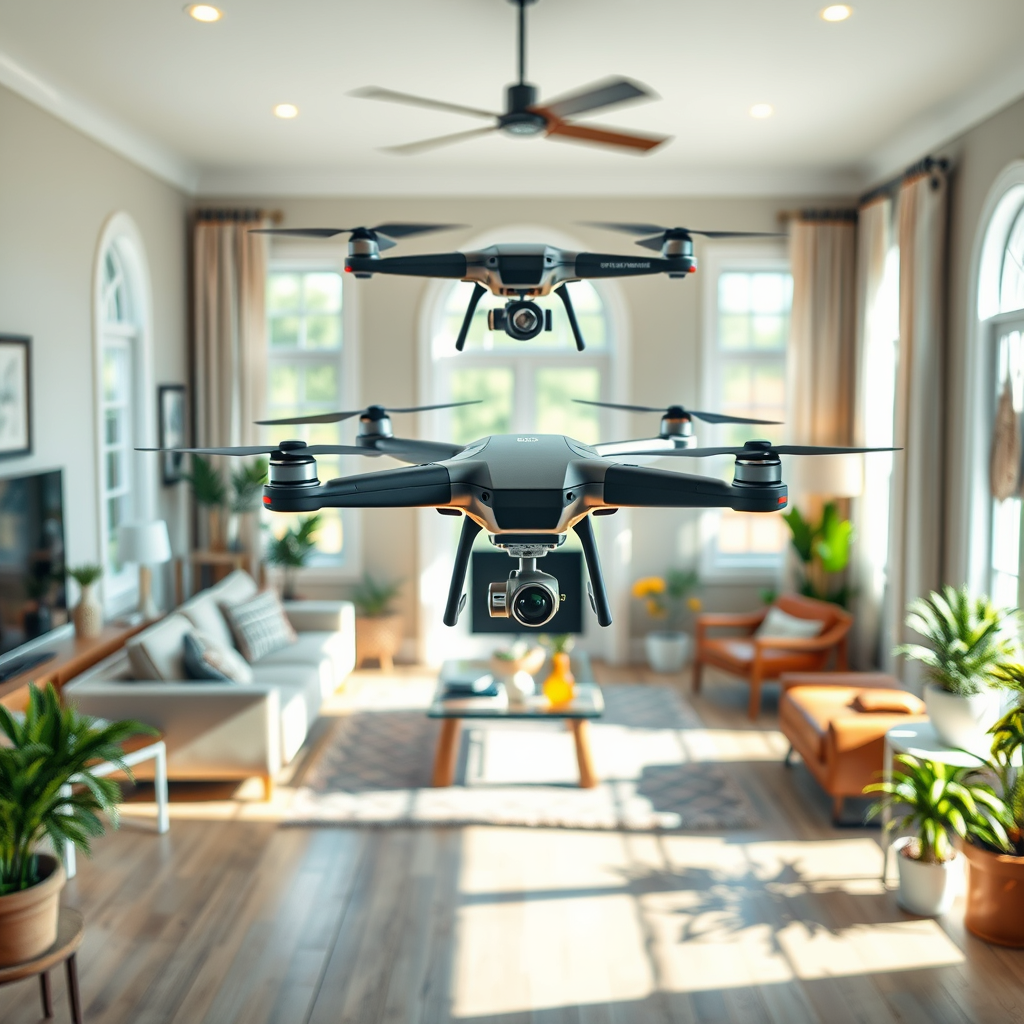
Yes, someone can fly a drone over your house, but there are legal restrictions and privacy concerns to consider. Drones have become increasingly popular for recreational and commercial use, leading to questions about privacy and property rights. Understanding the regulations and your rights as a homeowner is crucial if you find yourself feeling uncomfortable with drone activity above your property.
Understanding Drone Regulations
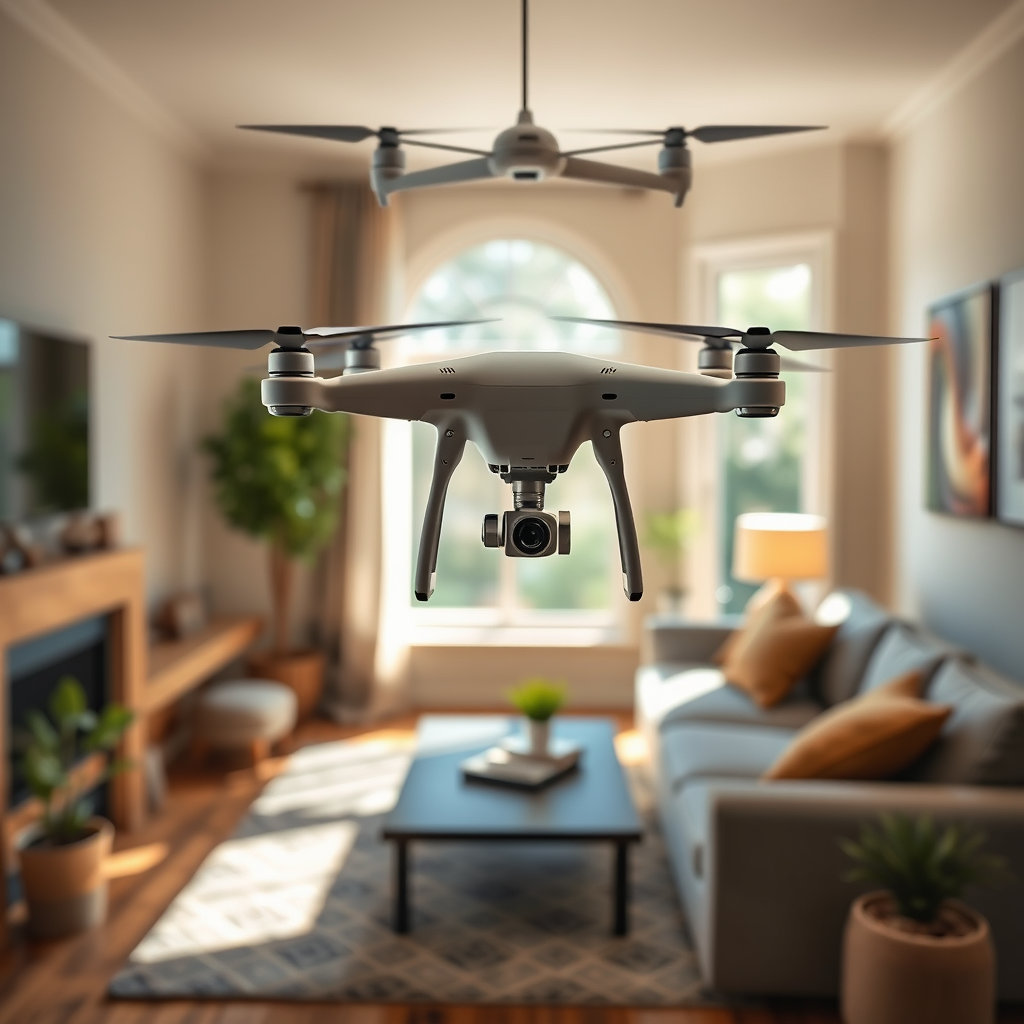
In the United States, the Federal Aviation Administration (FAA) is the governing body responsible for regulating drone flights. The FAA has established guidelines that dictate where and how drones can be flown to ensure safety and compliance with aviation standards. One of the most critical aspects of these regulations is the altitude limit, which generally prohibits drones from flying higher than 400 feet above ground level unless they are within a specific airspace where higher altitudes are permitted.
Additionally, there are designated no-fly zones, which often include areas around airports, military bases, and certain national parks. These restrictions are in place to protect public safety and avoid collisions with manned aircraft. Drone operators are required to check these regulations before flying, and failure to comply can result in penalties, including fines and the revocation of flying privileges.
Moreover, in many states, local laws may impose additional restrictions on drone usage, particularly in residential areas. Homeowners should familiarize themselves with both federal and state regulations to understand the full scope of their rights regarding drone activity above their properties.
Privacy Laws and Your Rights
Privacy laws regarding drone use vary significantly from one state to another. In general, these laws are designed to protect individuals from unwarranted surveillance and invasion of privacy. For example, some states have enacted specific legislation that prohibits drone operators from capturing images or video of individuals in private spaces without consent.
As a homeowner, you may have the right to file a complaint against drone operators who invade your privacy. If a drone is consistently hovering over your property, capturing images, or intruding into your personal space, you may have grounds for legal action. It’s essential to document any instances of intrusive drone activity, as this information can be critical if you decide to pursue a complaint.
Furthermore, the concept of “air rights” may play a role in your situation. Generally, property owners have rights extending to the airspace above their homes, up to a certain altitude. This means that if a drone operator is flying at an altitude that interferes with your enjoyment of your property, you may have legal recourse.
What to Do If a Drone Flies Over Your Property
If you find a drone frequently flying over your property, the first step is to document the activity. Taking photographs or video recordings can provide valuable evidence of the drone’s presence and behavior. Ensure that your documentation includes the date, time, and any notable actions taken by the drone operator.
If you feel safe doing so, consider approaching the drone operator to express your concerns. Many drone enthusiasts are unaware of the impact their flying may have on nearby residents. A polite conversation can sometimes resolve the issue without further escalation. If the operator is cooperative, you may be able to agree on boundaries or limits for their drone activity.
In cases where the drone activity continues or escalates, it may be necessary to involve local authorities. Law enforcement or local regulatory agencies can help address complaints about drone misuse. It is advisable to keep a record of your communications with authorities regarding the issue, as this can be useful for any future actions you may need to take.
Reporting Drone Misuse
Understanding how to report drone misuse is crucial for homeowners who feel their privacy is being violated. Familiarize yourself with local authorities or drone enforcement agencies that manage complaints related to drone activity. In many cases, your local police department can provide guidance on how to proceed.
When filing a formal complaint, it is essential to provide clear and concise evidence of the drone’s behavior. Include your documentation, such as photographs or videos, along with a detailed account of the incidents. Depending on the severity of the situation, local authorities may investigate further or take appropriate action against the drone operator.
Keep in mind that laws regarding drone usage and privacy may not be uniform across jurisdictions. Therefore, understanding your local regulations is vital when addressing these issues. In some cases, mediation services might also be available to help resolve conflicts between homeowners and drone operators.
Preventive Measures for Homeowners
While understanding your rights and how to report misuse is essential, taking preventive measures can also help mitigate uncomfortable situations with drones. One option is to install privacy screens or create barriers in your yard to obstruct the view from above. Landscaping elements such as tall trees or shrubs can provide a natural shield against intrusive drone surveillance.
Additionally, consider discussing drone activity with your neighbors to raise awareness. Creating a community dialogue can help address concerns collectively and may even lead to shared solutions. If multiple homeowners express discomfort about drone activity, it can strengthen the case for advocating for stricter regulations in your area.
Engaging with local drone clubs or organizations can also be beneficial. Many drone enthusiasts are keen on responsible flying and may be receptive to discussions about respecting privacy and property boundaries. By fostering mutual understanding, you can help create a more considerate drone-flying culture in your neighborhood.
Future of Drone Regulations
The landscape of drone regulations is continuously evolving, especially as drone technology advances and becomes more integrated into everyday life. Ongoing discussions about public safety and privacy concerns are prompting lawmakers to consider potential changes in legislation that may impact drone usage near residential areas.
As drones become more prevalent, communities may see increased calls for stricter regulations governing their use. This could include expanded no-fly zones, mandatory registration for drone operators, or specific guidelines for flying in residential neighborhoods. Keeping abreast of these developments is essential for homeowners who wish to protect their privacy and property rights.
Moreover, public sentiment regarding drones is also influential in shaping future regulations. Advocacy groups focused on privacy rights are increasingly vocal, urging policymakers to consider the implications of drone surveillance on personal freedoms. As a homeowner, staying informed and engaged in these discussions can help ensure your voice is heard in shaping the future of drone laws.
In conclusion, while it is generally legal for someone to fly a drone over your house, there are specific regulations and privacy laws that protect you as a homeowner. Understanding the FAA guidelines, your rights regarding privacy, and the steps to take if you feel uncomfortable with drone activity are crucial. By documenting instances of misuse, reporting concerns, and engaging with your community, you can address issues effectively and advocate for a safer environment. Educating yourself on the evolving landscape of drone regulations will also empower you to protect your rights in the future.
Frequently Asked Questions
Can someone legally fly a drone over my house?
Yes, someone can legally fly a drone over your house, provided they adhere to the regulations set by the Federal Aviation Administration (FAA) in the United States. Drones are considered aircraft, and as such, operators must maintain a minimum distance from people and private property while flying. However, privacy laws vary by state, and some local ordinances may impose additional restrictions, so it’s essential to check your local laws to understand the specific regulations in your area.
How can I find out if a drone is flying over my property?
To determine if a drone is flying over your property, you can look for visual signs such as the drone itself or listen for the buzzing sound that many drones make. Additionally, there are mobile apps like AirMap or DroneNotify that can help you track drone activity in your vicinity. If you suspect frequent unauthorized drone flights, you might also consider installing a security camera that can capture aerial views.
What should I do if a drone is flying over my house without permission?
If a drone is flying over your house without permission and you feel uncomfortable, the first step is to document the incident, including the time, date, and any identifiable features of the drone or its operator. You can then contact your local authorities or the FAA to report the unauthorized flight. In some cases, you might also consider speaking directly to the drone operator if it is safe to do so, as they may not be aware of your concerns.
Why do people fly drones over residential areas?
People fly drones over residential areas for various reasons, including aerial photography, surveying land, inspecting rooftops, or even recreational purposes. Some businesses use drones for real estate marketing to capture stunning aerial views of properties. However, it’s important for drone operators to respect privacy and comply with local laws to avoid infringing on the rights of homeowners.
What are the best practices for drone pilots to avoid flying over private property?
The best practices for drone pilots to avoid flying over private property include maintaining a clear understanding of the local laws regarding drone operation and respecting the privacy of individuals. Pilots should always ask for permission before flying over someone else’s property, adhere to FAA regulations, and use apps that provide information on no-fly zones. Additionally, pilots should be aware of their surroundings and avoid flying too low over residential areas to minimize potential disturbances or privacy violations.
References
- https://en.wikipedia.org/wiki/Drone_flight_regulations
- https://www.faa.gov/uas/getting_started/remote_id
- https://www.nolo.com/legal-encyclopedia/drone-law-what-you-need-know-32653.html
- https://www.aclu.org/issues/free-speech/technology-and-liberty/drones-and-privacy
- https://www.reuters.com/technology/us-drones-privacy-rules-2021-02-05/
- https://www.bbc.com/news/technology-49121404
- https://www.nytimes.com/2022/04/28/technology/drone-privacy-laws.html
- https://www.ama-assn.org/delivering-care/public-health/drone-regulations-are-you-legal
- https://www.ift.org/news-and-publications/food-technology-magazine/issues/2021/october/features/drones-in-agriculture-and-beeyond
