
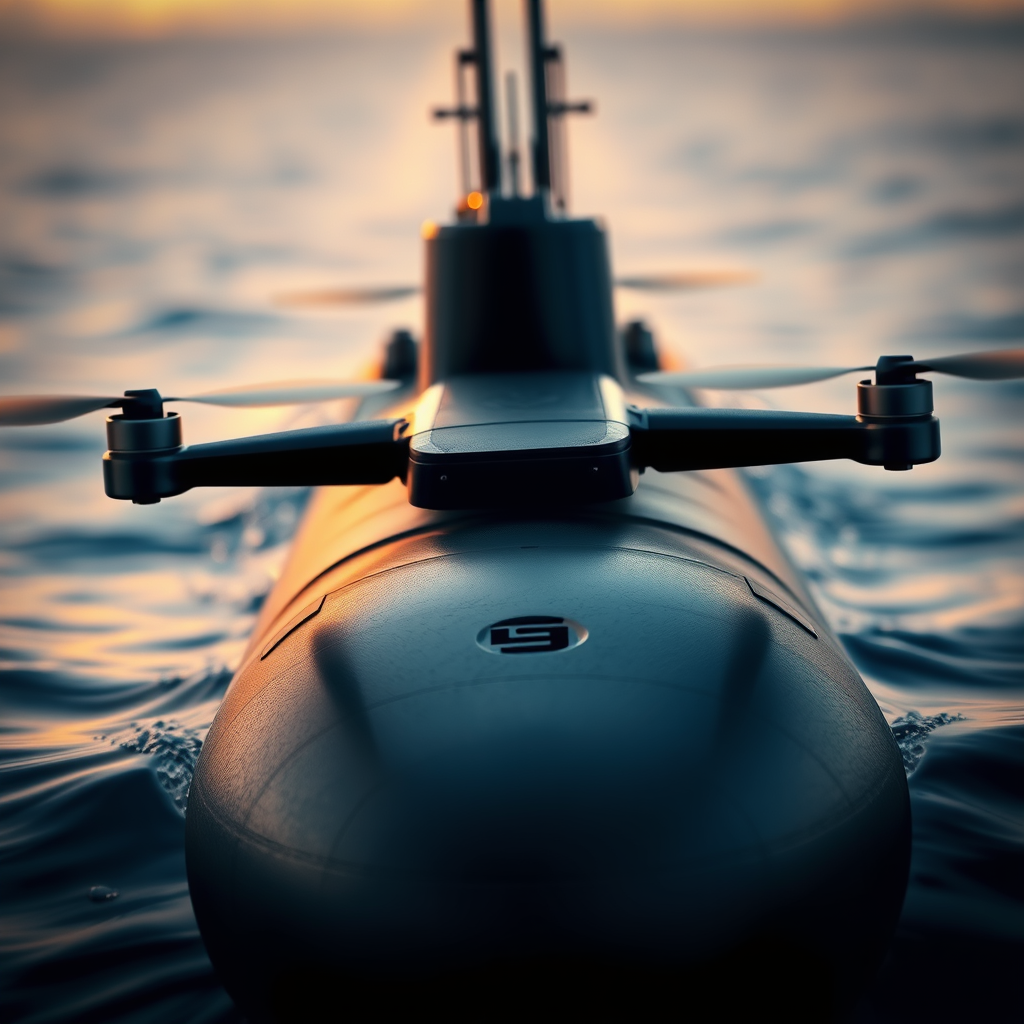
Yes, submarines can indeed launch drones. This capability expands their operational versatility and enhances military strategies by allowing for reconnaissance and surveillance from underwater. As modern warfare increasingly relies on advanced technology, the integration of unmanned aerial vehicles (UAVs) into submarine operations offers significant tactical advantages. This article delves into the mechanics of submarine-drone technology, its historical evolution, the technical aspects involved, the benefits and challenges of this integration, and the future of submarine-drone operations.
Overview of Submarine Drone Technology
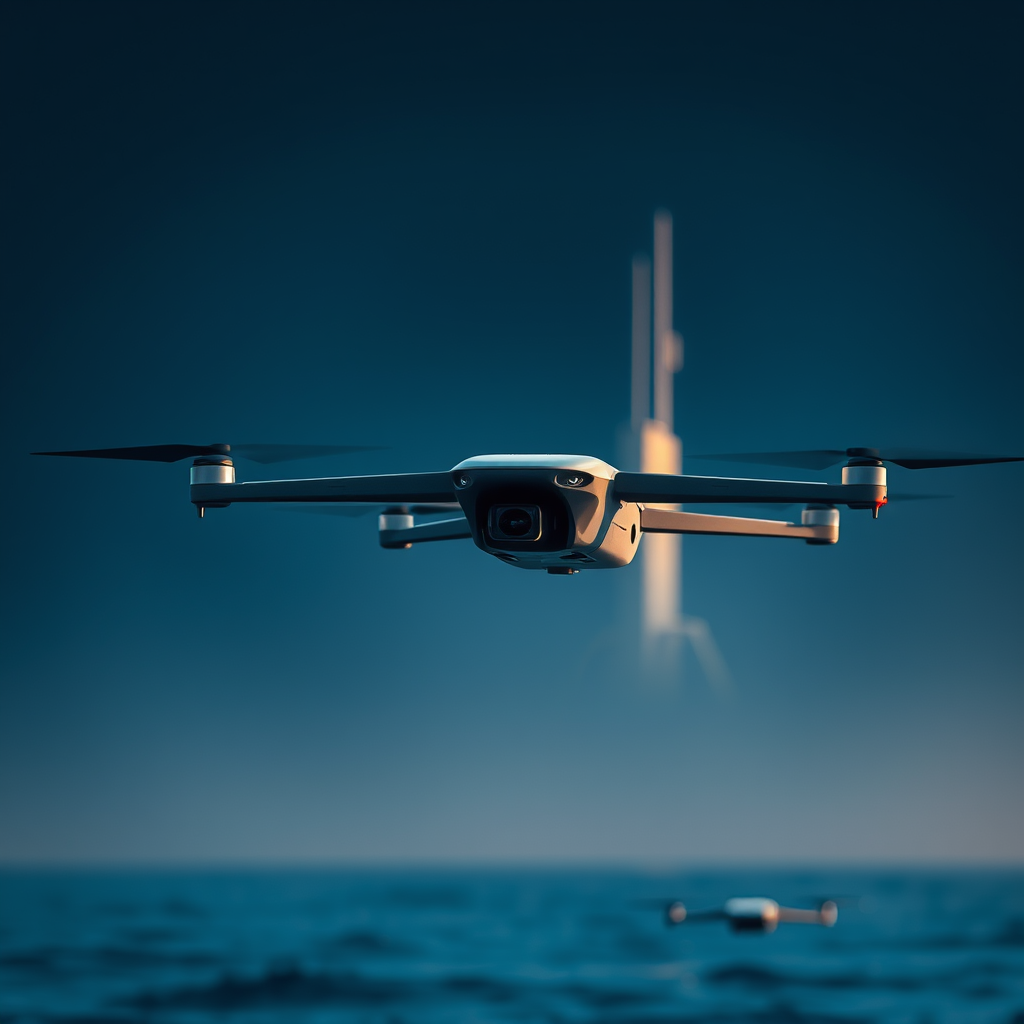
Unmanned aerial vehicles (UAVs), commonly known as drones, have revolutionized military operations by providing real-time intelligence and surveillance capabilities. The integration of drones with submarines allows naval forces to extend their operational reach while remaining undetected underwater. Drones launched from submarines can be categorized primarily into two types: underwater drones, which operate beneath the surface, and aerial drones, which ascend to the surface and fly into the air for reconnaissance missions.
Underwater drones, often referred to as unmanned underwater vehicles (UUVs), can conduct various missions, such as mine detection, environmental monitoring, and intelligence gathering. Aerial drones, on the other hand, are used for reconnaissance and surveillance, offering high-resolution imagery and data collection capabilities. The ability to deploy both types of drones adds a layer of versatility to submarine operations, enabling them to gather information from diverse environments without exposing themselves to enemy detection.
Historical Context
The capabilities of submarines have evolved dramatically since their inception. Initially, submarines were designed for stealthy underwater operations, primarily focusing on anti-ship and anti-submarine warfare. However, as technology advanced, so did the potential applications of submarines in modern warfare. The advent of drone technology in the late 20th century marked a significant shift in military strategy, with UAVs being used extensively in various conflicts for aerial reconnaissance, target acquisition, and even combat operations.
Key milestones in the integration of drones with submarines include the development of the U.S. Navy’s X-47B, an unmanned combat aerial vehicle (UCAV) that showcased the potential for aerial drone operations from naval platforms. More recently, advancements in drone technology have led to prototypes and operational systems designed specifically for launch from submarines, such as the UUVs deployed by the U.S. Navy for reconnaissance and surveillance missions.
Technical Mechanisms
The deployment of drones from submarines requires sophisticated technical mechanisms that ensure successful launch and recovery operations. The most common systems for launching drones from submarines include torpedo tubes and vertical launch systems (VLS).
Torpedo tubes are traditionally used for launching torpedoes but have been adapted for drone deployment. Submarines can preload drones into these tubes, which can be flooded to allow the drone to exit and ascend to the surface or operate underwater. Vertical launch systems, on the other hand, provide a more versatile platform, enabling the launch of a variety of payloads, including drones, from a vertical position. These systems are typically used on surface ships but are increasingly being adapted for use on submarines, improving their operational flexibility.
Furthermore, advanced guidance and control systems are employed to ensure that drones can be effectively deployed and operated remotely from the submarine, allowing for real-time data transmission and mission updates.
Advantages of Launching Drones from Submarines
The ability to launch drones from submarines offers several strategic advantages. One of the most significant benefits is enhanced surveillance capabilities in hostile territories without detection. Submarines can operate in close proximity to enemy shores while remaining hidden, allowing them to deploy drones for reconnaissance missions that provide critical intelligence on enemy movements and positions.
Additionally, the integration of drones expands the operational range and versatility of naval forces. By launching drones, submarines can execute missions that would have been previously impossible due to the risks associated with surface operations. This capability enables naval forces to conduct comprehensive maritime surveillance, gather intelligence on various threats, and even support ground forces without exposing themselves to enemy fire.
Moreover, drones can be equipped with advanced sensors and cameras, providing real-time data that is crucial for decision-making in dynamic combat situations. This technological edge enhances situational awareness, allowing naval commanders to respond more effectively to emerging threats.
Challenges and Limitations
Despite the numerous advantages, launching drones from submarines also presents several challenges and limitations. One of the primary technical challenges is the complexity of launching and recovering drones from a submerged position. Ensuring that drones can be safely deployed and retrieved while maintaining the submarine’s stealth is a significant engineering challenge.
Additionally, there are limitations regarding drone flight duration and payload capacity. Many drones have specific operational ranges that may not align with the extended missions submarines undertake. Furthermore, the payload capacity of drones can restrict the types of sensors and equipment that can be deployed, potentially limiting their effectiveness in certain scenarios.
Environmental factors also pose challenges, as underwater conditions can affect drone performance. For instance, strong currents or adverse weather conditions may hinder the operational capabilities of both underwater and aerial drones.
Future of Submarine-Drone Operations
The future of submarine-drone operations appears promising, with ongoing research and development aimed at enhancing these capabilities. Current trends in military technology focus on creating more efficient and versatile drones that can operate seamlessly from submarines. Innovations in battery technology, autonomous navigation, and data processing are expected to improve the performance and reliability of drones launched from submarines.
Potential military applications for submarine-drone operations include intelligence, surveillance, and reconnaissance (ISR) missions, anti-submarine warfare, and even strike capabilities. As nations continue to invest in advanced military technologies, the strategic implications of submarine-drone integration will likely reshape naval warfare, providing countries with new tactical advantages in maritime conflicts.
In conclusion, the ability of submarines to launch drones represents a significant advancement in military capabilities, providing enhanced situational awareness and tactical advantages. As technology continues to develop, we can expect to see more innovative applications of this integration in future naval operations. The integration of unmanned aerial and underwater vehicles with submarine operations will undoubtedly play a crucial role in shaping the future of naval warfare, enhancing the effectiveness and versatility of modern military forces.
Frequently Asked Questions
Can submarines launch drones while submerged?
Yes, submarines can launch drones while submerged, although the technology is still developing. These drones, often referred to as “underwater drones” or “unmanned underwater vehicles” (UUVs), can be deployed through specialized hatches or via a torpedo tube. This capability allows submarines to perform reconnaissance and gather intelligence without surfacing, enhancing stealth and operational effectiveness.
What types of drones can submarines deploy?
Submarines can deploy various types of drones, including aerial drones (UAVs) and underwater drones (UUVs). Aerial drones are typically launched when the submarine surfaces, while UUVs can be launched submerged. These drones are used for multiple purposes, such as surveillance, environmental monitoring, and mine detection, providing the submarine with valuable situational awareness and operational flexibility.
How do submarines communicate with drones once they are launched?
Submarines communicate with launched drones primarily through acoustic communication systems or satellite links, depending on the drone’s capabilities and its operational environment. Underwater drones often use sonar signals to transmit data back to the submarine, while aerial drones may utilize GPS and radio frequencies for real-time communication. This ensures that the submarine can receive critical information and maintain control over the drone during its mission.
Why would a submarine want to launch drones instead of sending a manned vehicle?
Launching drones instead of manned vehicles offers several advantages for submarines. Drones can operate in high-risk environments without putting crew members in danger, allowing for safer reconnaissance missions. Additionally, drones can gather data more discreetly, enhancing the submarine’s stealth capabilities while providing real-time intelligence and operational support without the need for a crewed aircraft.
Which navies are currently using submarines to launch drones?
Several navies around the world are exploring and implementing the capability to launch drones from submarines, including the United States Navy, Russian Navy, and Chinese Navy. The U.S. Navy, for instance, has been developing programs that integrate drone technology with submarine operations, aiming to enhance its maritime capabilities. As drone technology continues to advance, it is expected that more navies will adopt these capabilities to maintain strategic advantages in naval warfare.
References
- https://en.wikipedia.org/wiki/Submarine#Capabilities
- https://www.bbc.com/news/world-us-canada-56313618
- https://www.reuters.com/technology/us-navy-submarines-drones-2021-06-18/
- https://www.defense.gov/Explore/News/Article/Article/2396332/us-navy-submarine-drones-are-ready-to-launch/
- https://www.armytimes.com/2021/03/16/us-navy-will-use-drones-to-keep-an-eye-on-enemy-submarines/
- https://www.navy.mil/Press-Office/News-Stories/Article/2288307/us-navy-drones-boost-submarine-warfare-capabilities/
- https://www.sciencedirect.com/science/article/pii/S0968090X19300415
