
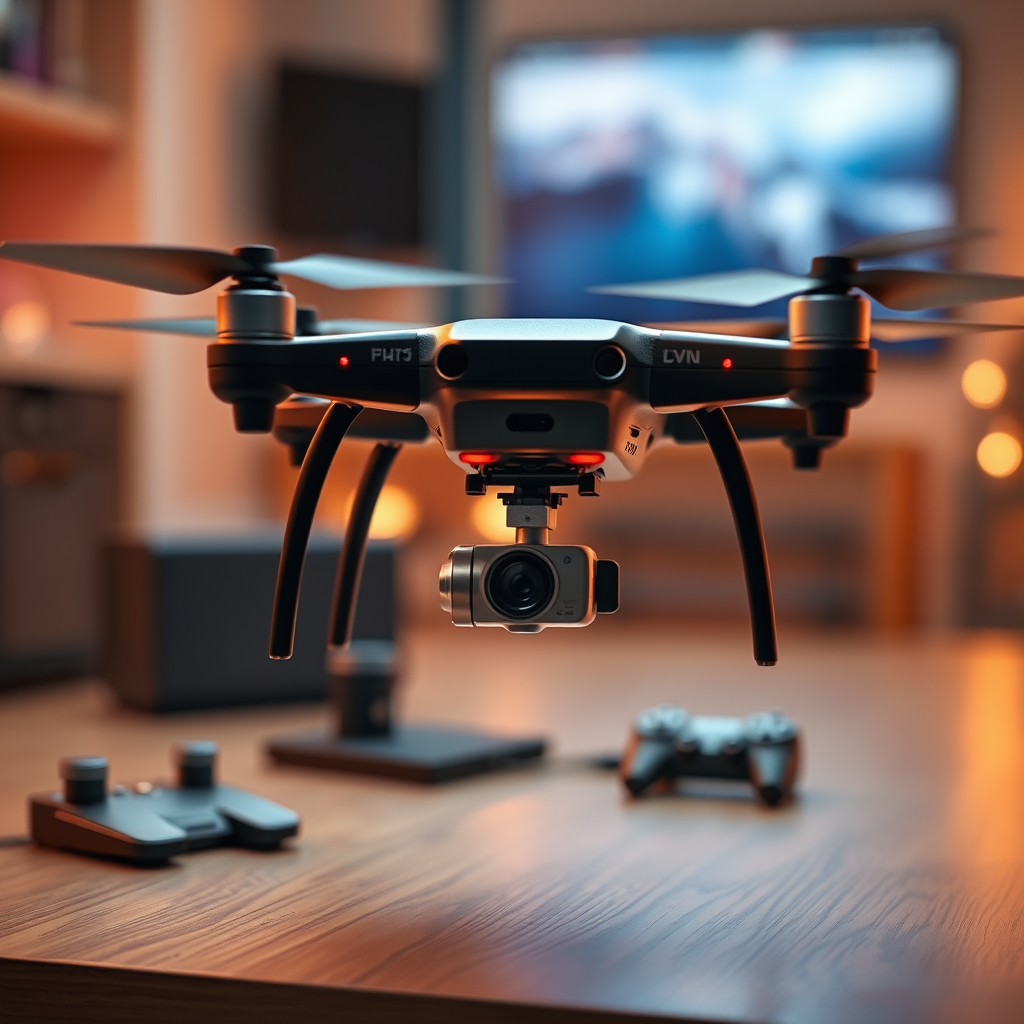
Yes, you can stop a drone using various methods such as signal jamming, creating physical barriers, or contacting authorities. Each approach has its own advantages and disadvantages, making it crucial to understand the specific context of your situation to select the most effective method. This article delves into the intricacies of drone technology, the legal landscape surrounding drone interference, and practical strategies to halt drone activity safely and effectively.
Understanding Drone Technology
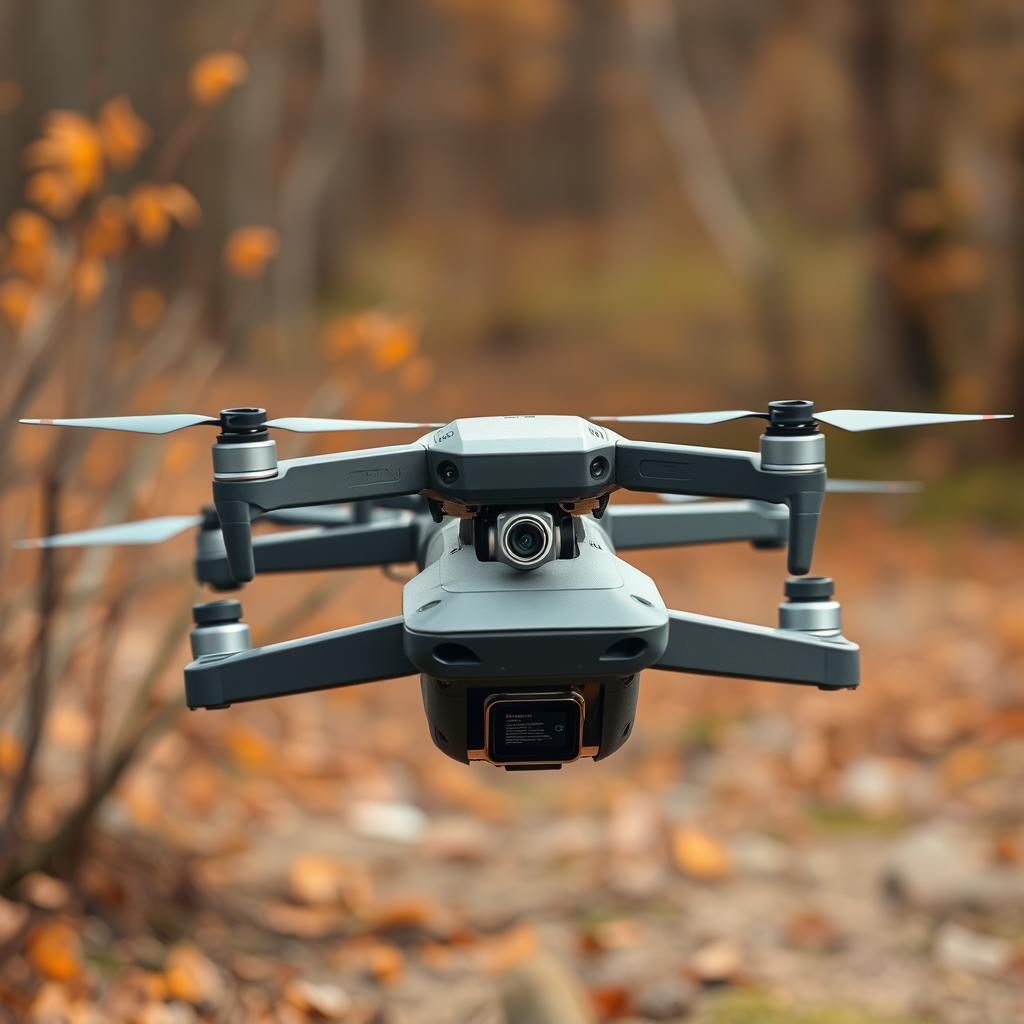
Drones, or unmanned aerial vehicles (UAVs), operate primarily through radio signals and Global Positioning System (GPS) technology for navigation and control. They can be classified into various categories, including consumer drones, commercial drones, and military drones, each varying in sophistication, range, and capabilities. For instance, consumer drones often operate at lower altitudes and are designed for recreational use, while military drones can execute complex missions with high precision.
Understanding the technology behind drones is essential when considering methods to stop them. Some drones can be controlled via Wi-Fi or specialized remote controls, while others may be programmed to fly autonomously using GPS waypoints. By familiarizing yourself with these operational mechanisms, you can better devise strategies to mitigate unwanted drone interference.
Legal Considerations
Before attempting to stop a drone, it is imperative to be aware of the legal considerations in your jurisdiction. Laws regarding drone interference can vary significantly from one region to another. In many countries, including the United States, it is illegal to interfere with a drone’s operation, particularly if it is being used for commercial purposes. Violating these laws could result in civil or criminal penalties, including fines or imprisonment.
Moreover, understanding airspace regulations is crucial, as drones often operate within designated airspaces. The Federal Aviation Administration (FAA) in the United States, for instance, has strict guidelines governing drone flights, and any attempts to disrupt these operations could lead to serious legal consequences. Always consult local regulations and, when in doubt, seek legal advice before taking action against a drone.
Signal Jamming Techniques
One of the more technical methods to stop a drone is by employing signal jamming devices. These devices work by disrupting the radio signals between the drone and its operator, effectively causing the drone to lose control and either land or return to its home point. However, the use of jammers is heavily regulated in many countries, including the United States, where they are illegal for civilian use under the Communications Act.
While jamming can be effective, the legal implications associated with its use can outweigh the benefits. Additionally, jamming signals indiscriminately could inadvertently affect other nearby devices, posing safety risks. If you are considering this method, it’s crucial to weigh the risks against the potential outcomes and ensure compliance with local laws.
Physical Barriers
Creating physical barriers is another practical approach to deter drones from entering specific areas. This method can be particularly effective in residential settings, private properties, or designated no-fly zones. Options for physical barriers include netting, fences, or natural obstacles like trees and buildings that obstruct drone flight paths.
For example, deploying bird netting around sensitive areas such as gardens or pools can prevent drones from hovering overhead. Similarly, establishing a designated no-fly zone can serve as a deterrent by signaling to drone operators that certain spaces are off-limits. While this method is generally legal and safe, its effectiveness may vary based on the drone’s altitude and capabilities.
Reporting to Authorities
If you encounter a drone that poses a threat to your privacy or safety, contacting local law enforcement or aviation authorities is often the most prudent course of action. These professionals are trained to handle such situations and can take appropriate measures to address the issue.
When reporting a drone, provide authorities with detailed information, including the drone’s appearance, its flight patterns, and its location. This data can help law enforcement assess the situation more accurately and take necessary action. Depending on the context, authorities may be able to track the operator or investigate further, ensuring that any drone activity is compliant with local regulations.
DIY Solutions and Gadgets
In recent years, various gadgets have emerged in the market designed to safely disable or deter drones. These DIY solutions range from drone-catching nets to specialized devices that emit noise or light to distract drones. For instance, some companies have developed “drone guns” that use radio frequencies to disrupt drone operations without causing physical damage.
While these gadgets can be effective, it is vital to evaluate their legality based on your location. Many of these devices may fall into a gray area concerning legal use, and employing them without proper knowledge could lead to unintended consequences. Before investing in any drone-deterrent gadget, thoroughly research its effectiveness and legal standing to ensure compliance with local laws.
Safety Precautions
When considering methods to stop a drone, safety should always be the foremost priority. Any approach you choose must not pose a threat to people, property, or other aircraft. For example, while physical barriers may be a relatively safe option, using jamming devices could interfere with emergency communications or other essential services, leading to potential hazards.
Moreover, if you opt to report a drone, ensure that you do not confront the operator directly, as this could escalate tensions and create safety risks. Always assess the potential impact of your chosen method on the surrounding environment and prioritize actions that protect both public safety and personal property.
In conclusion, while stopping a drone is feasible through various methods, it is essential to consider the legal, safety, and practical implications of each approach. From understanding drone technology to exploring signal jamming, physical barriers, and reporting to authorities, each method has its own set of advantages and risks. Ultimately, thoughtful assessment and adherence to legal frameworks will guide you in choosing the most appropriate strategy to address unwanted drone activity.
Frequently Asked Questions
What should I do if a drone is flying over my property?
If a drone is flying over your property and you’re concerned about privacy or safety, the first step is to remain calm. Identify the drone, if possible, and take note of any identifying features or markings. You can try to locate the operator, as they may not be aware of your discomfort. If the drone persists and you feel threatened, you can contact local authorities or law enforcement to report the situation.
How can I stop a drone from invading my privacy?
To prevent drones from invading your privacy, consider installing privacy barriers such as tall hedges or fences. You can also use anti-drone technology, which includes signal jammers or drone detection systems, although be aware that these methods may have legal implications depending on your location. Additionally, educating yourself about local drone laws can help you understand your rights and how to address privacy violations effectively.
Why would someone want to stop a drone from flying?
People may want to stop a drone from flying for various reasons, including privacy concerns, safety issues, or noise disturbance. Drones equipped with cameras can capture images or videos, potentially infringing on personal space. Moreover, if a drone is flying too low or too close, it may pose a risk to pets or children, prompting individuals to seek ways to stop it.
What are the best methods to disable a drone safely?
The safest methods to disable a drone include using a drone jamming device, which disrupts the communication between the drone and its operator, forcing it to land. However, be cautious as the legality of using jammers varies by region. Alternatively, you can also report the drone to local authorities, who can handle the situation in accordance with the law, ensuring safety without escalating tensions.
Which legal options do I have if a drone continues to bother me?
If a drone continues to invade your space or bother you, you may have several legal options. These can include filing a complaint with local law enforcement, as many areas have regulations governing drone flight. Additionally, you might consider consulting a lawyer specializing in aviation or privacy law to explore potential civil actions, such as seeking an injunction against the drone operator or claiming damages for invasion of privacy.
References
- https://en.wikipedia.org/wiki/Drone
- https://www.nytimes.com/2022/03/21/us/drone-regulation.html
- https://www.bbc.com/news/technology-56821413
- https://www.faa.gov/uas/getting_started/remote_id
- https://www.rand.org/pubs/research_reports/RR3171.html
- https://www.nap.edu/catalog/23429/assessing-the-impact-of-drone-technology-on-society
- https://www.aclu.org/issues/privacy-technology/surveillance-technologies/drone-surveillance
- https://www.c-span.org/video/?c4985719/user-friendly-drone-regulations
