
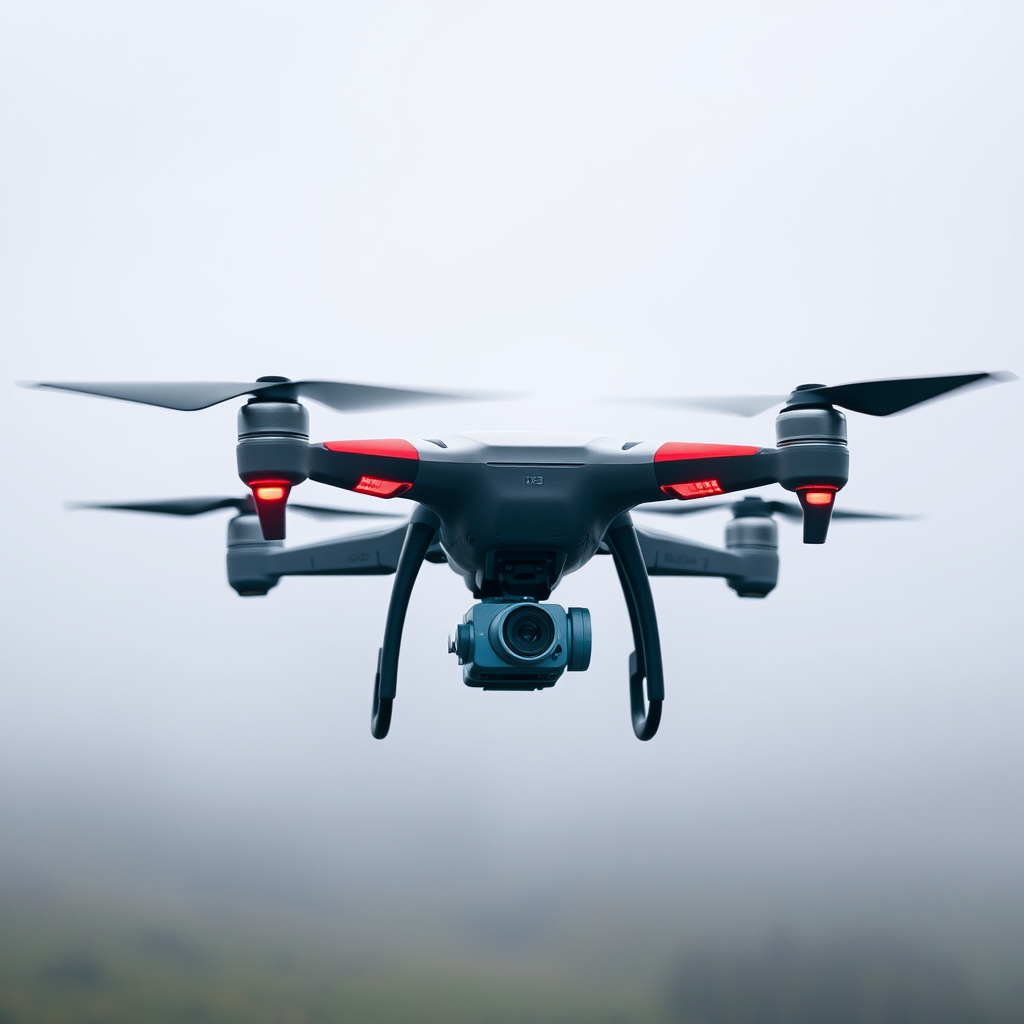
Yes, you can fly a drone in fog, but it’s essential to understand the risks and legal implications involved. Fog can significantly reduce visibility, making it challenging for drone operators to maintain control and ensure safety. In this article, we’ll explore the factors to consider when flying a drone in foggy conditions, including regulatory requirements, safety risks, technological capabilities, local laws, best practices, and alternatives to flying in such weather.
Understanding Visibility Regulations
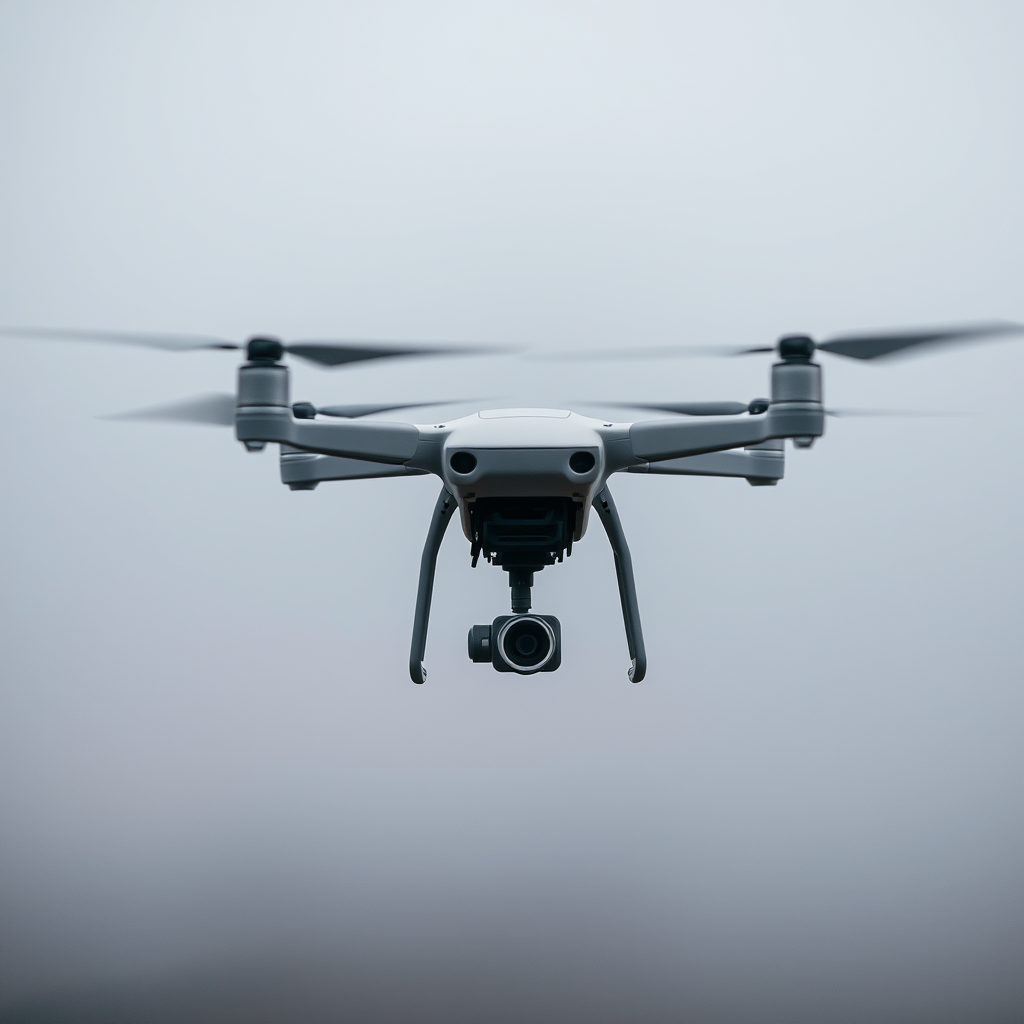
The Federal Aviation Administration (FAA) has established clear regulations that require drone operators to maintain a visual line of sight with their drones at all times during flight. This regulation is designed to ensure the safety of drone operations and to prevent accidents involving obstacles, other aircraft, or people on the ground. Fog can severely obstruct visibility, making it challenging—if not impossible—to comply with this requirement. When visibility drops below certain thresholds, operators may not be able to effectively monitor their drone’s position, which can lead to dangerous situations.
Additionally, many states and local jurisdictions may impose additional restrictions that further limit drone operations in low-visibility conditions. Understanding these regulations is crucial before attempting to fly a drone in fog. Operators should always check the most current regulations from the FAA as well as any local laws that may dictate flying conditions.
Safety Risks of Flying in Fog
Flying a drone in fog presents several safety risks that operators must carefully consider. The most significant risk is the reduced visibility, which dramatically increases the likelihood of collisions with obstacles such as trees, buildings, or power lines. Even experienced drone pilots can find it difficult to navigate in foggy conditions, as depth perception can be distorted, and the drone’s location may become disorienting.
Moreover, fog can affect the operator’s ability to maintain situational awareness. The combination of low visibility and potential disorientation can lead to navigation errors, which in turn can result in accidents or loss of the drone. For instance, a drone that flies into an area with poor visibility may become unresponsive to commands, leading to unintended consequences. Therefore, safety should always be the top priority when considering flying in foggy conditions.
Drone Technology and Fog
The technological capabilities of a drone can significantly influence the feasibility of flying in fog. Some high-end drones are equipped with advanced sensors, including obstacle avoidance technology and sophisticated navigation systems, which can help mitigate the risks associated with low visibility. For example, drones equipped with LiDAR or ultrasonic sensors can detect obstacles and help the operator navigate safely even when visual cues are lacking.
However, many consumer-grade drones may struggle in foggy conditions. These drones often rely heavily on visual positioning systems that can become ineffective in low visibility. The performance and stability of the drone can be compromised, leading to erratic flight behavior. Operators should be familiar with their drone’s specifications and capabilities, particularly in relation to adverse weather conditions, to make informed decisions about flying in fog.
Local Laws and Restrictions
Before deciding to fly a drone in fog, it is crucial to check local laws regarding drone operations in adverse weather conditions. Many areas impose strict regulations that may prohibit flying in fog due to safety concerns. For instance, some municipalities may have specific ordinances that restrict drone use during certain weather conditions to prevent accidents and ensure public safety.
Consulting with local authorities or aviation boards can provide clarity on these laws. In addition, local drone clubs or online forums can be valuable resources for understanding the legal landscape surrounding drone flying in your region. Being informed about these regulations not only ensures compliance but also helps promote responsible drone usage.
Best Practices for Flying Drones in Fog
If flying a drone in fog is necessary, adhering to best practices is essential for maintaining safety and control. First and foremost, it is advisable to use drones that come equipped with obstacle avoidance technology. This feature can provide additional safety by helping the drone navigate around unseen obstacles.
Furthermore, limiting flight distances is critical. Staying close to the launch point allows operators to maintain better control and quickly respond to any issues that arise. Keeping the flight within a manageable range also helps ensure that the operator can see the drone and react in case of unexpected situations.
Additionally, operators should continuously monitor weather conditions. If the fog begins to thicken or visibility decreases further, it may be wise to land the drone immediately. Carrying out pre-flight checks to ensure the drone is functioning correctly and is equipped with the latest software updates can also enhance safety.
Alternatives to Flying in Fog
If conditions are particularly foggy, it may be more prudent to consider alternatives to flying a drone. One of the safest options is to wait for clearer weather conditions before conducting a flight. Flying in optimal weather not only enhances safety but can also improve the quality of the footage or data collected.
Another alternative is to explore indoor drone flying. Many drones are designed for indoor use and can operate safely in controlled environments where visibility is not a concern. Indoor flying can also provide opportunities for practicing maneuvers and enhancing piloting skills without the risks associated with outdoor flights in adverse weather.
In conclusion, while flying a drone in fog is possible, it comes with significant challenges and risks. Operators must prioritize safety and adhere to local regulations regarding drone operations in low visibility conditions. By understanding the safety risks, leveraging drone technology, and exploring alternatives, pilots can make informed decisions that enhance safety and compliance while still enjoying the benefits of drone flying.
Frequently Asked Questions
Can you fly a drone in foggy weather?
While it is technically possible to fly a drone in fog, it is not advisable. Fog significantly reduces visibility, making it difficult to see the drone and maintain control. Additionally, flying in such conditions can violate FAA regulations, which require pilots to maintain visual line of sight. It’s best to avoid flying in fog to ensure safety and compliance with legal requirements.
What are the risks of flying a drone in fog?
The primary risks of flying a drone in fog include diminished visibility, which can lead to losing sight of the drone, increased chances of collision with obstacles, and difficulty in navigation. Fog can also interfere with the drone’s sensors, affecting performance and stability. Moreover, flying in such conditions can result in potential legal repercussions if local regulations prohibit it.
How can fog affect drone performance?
Fog can impact drone performance in several ways, including reduced GPS accuracy and interference with onboard sensors. Moisture from fog can also accumulate on the drone’s components, leading to possible malfunctions or damage. Additionally, the drone’s camera may struggle to capture clear images, hindering photography or videography efforts.
What should I do if I encounter fog while flying my drone?
If you encounter fog while flying your drone, it is crucial to land the drone safely as soon as possible. Ensure you are aware of your surroundings to avoid collisions, and use your drone’s return-to-home feature if necessary. It’s best to wait for the fog to clear before attempting to fly again, prioritizing safety and compliance with regulations.
Which drones are best for flying in challenging weather conditions, including fog?
Drones designed for professional use, such as the DJI Matrice series or the Autel Robotics EVO series, typically have features that help in challenging weather conditions. Look for drones with advanced stabilization systems, improved sensors, and robust build quality. However, even the best drones should not be flown in fog due to visibility concerns, so always prioritize safety over technology.
References
- https://www.faa.gov/uas/getting_started/operation/
- https://www.faa.gov/uas/getting_started/faq/
- https://www.wired.com/story/drone-flying-weather-conditions/
- https://www.bbc.com/news/technology-46750245
- https://www.nytimes.com/2020/01/18/technology/drone-fog-safety.html
- https://www.droneproacademy.com/drone-flying-in-fog-and-rain/
- https://www.nap.edu/catalog/26005/drones-in-the-clouds-the-future-of-robotic-aviation
- https://www.techrepublic.com/article/what-you-should-know-about-flying-drones-in-the-rain-and-fog/
