
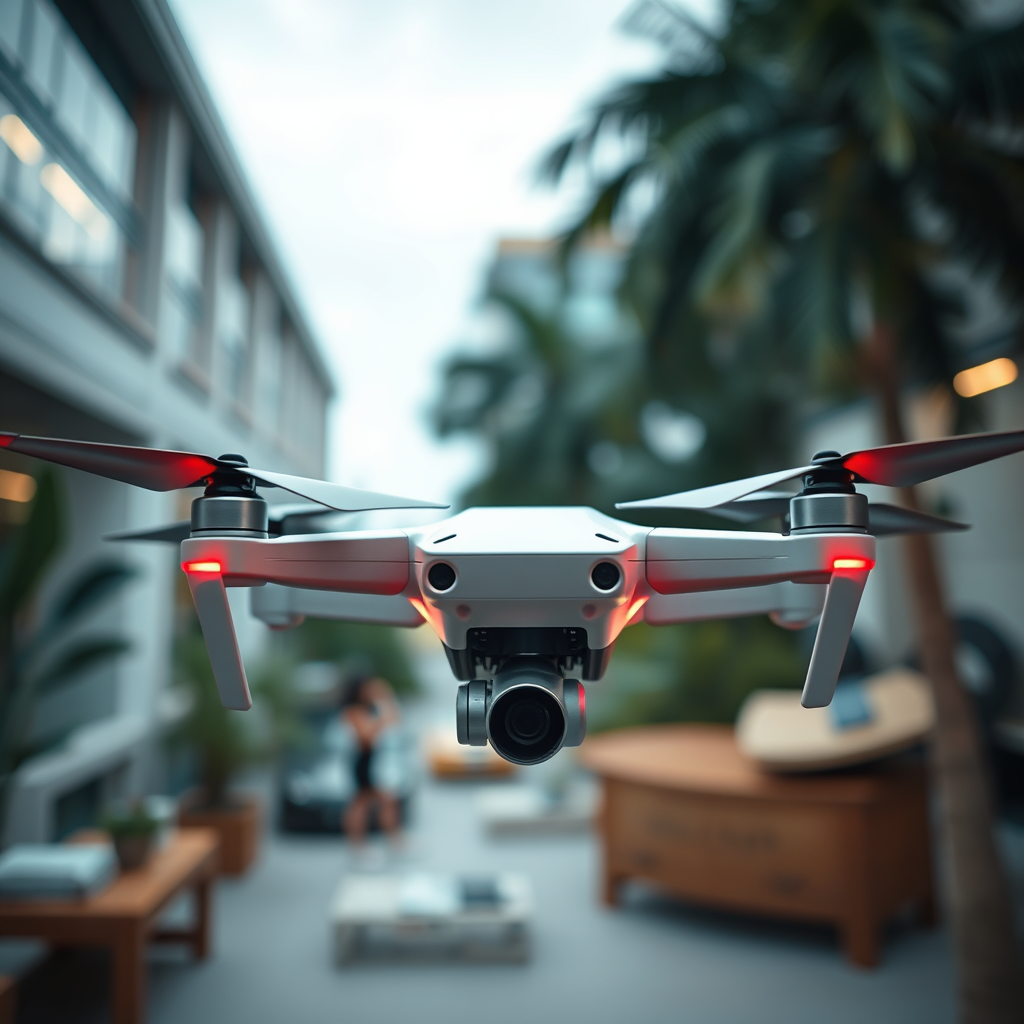
Yes, you can fly drones in the Philippines, but there are specific regulations and requirements you must follow to ensure compliance with local laws. Understanding these rules is vital for both recreational and commercial drone operators, as failure to comply can result in fines or other legal consequences. The Philippine government, through the Civil Aviation Authority of the Philippines (CAAP), has set forth a comprehensive framework designed to regulate drone usage and promote safe operations across the country.
Overview of Drone Regulations in the Philippines

The Civil Aviation Authority of the Philippines (CAAP) is the governing body responsible for overseeing drone regulations in the country. They have established a set of guidelines that aim to ensure safety in the skies while allowing for the growth of the drone industry. One of the key regulations is that any drone weighing over 7 kilograms (approximately 15.4 pounds) requires a special permit. This regulation is in place to help monitor and control larger drones that may pose a greater risk to public safety. Additionally, all drone operators must comply with the Philippine Civil Aviation Regulations (PCAR) Part 101, which outlines the rules for the use of unmanned aerial vehicles (UAVs).
Types of Drones Allowed
In the Philippines, both recreational and commercial drones are permitted, but they come with different sets of rules and requirements. Recreational drones, which are typically smaller and used for personal enjoyment, can be flown without a special permit, provided they adhere to specific conditions. Operators must fly their drones in open areas, maintain a line of sight, and avoid flying near airports or populated areas.
On the other hand, commercial drones, which are used for business purposes such as aerial photography, surveying, and agricultural monitoring, must be registered with the CAAP. Furthermore, commercial drone operators are required to obtain a Remote Pilot License (RPL) to ensure that they are trained and knowledgeable about safe flying practices and regulations.
Registration Requirements for Drones
For drone operators in the Philippines, registration is crucial, especially for drones that exceed the threshold weight of 7 kilograms. Drones must be registered with the CAAP, and operators are required to provide essential details, including the drone’s specifications, intended use, and personal information. The registration process not only helps the authorities track drone activity but also serves to promote responsible flying. Operators can register their drones through the CAAP’s online portal, which streamlines the process and makes it more accessible.
No-Fly Zones and Restrictions
In addition to the general regulations, there are specific no-fly zones and restrictions that all drone operators must be aware of. Key areas where drone flights are prohibited include airports, military installations, and sensitive government facilities. Flying in these zones can result in severe penalties, including fines and potential criminal charges. Moreover, operators must seek additional permissions when flying over populated areas or large gatherings, such as concerts or public events, to ensure the safety of those present. It is advisable for drone operators to familiarize themselves with local airspace maps and consult the CAAP’s guidelines to avoid inadvertently violating these restrictions.
Safety Guidelines for Drone Operations
Safety is paramount when operating drones, and following established guidelines can significantly reduce risks. Operators are required to maintain a visual line of sight with their drones at all times, ensuring they can react swiftly to any potential hazards. Additionally, the altitude limit for drone flights is typically capped at 400 feet above ground level, as flying higher can interfere with manned aircraft operations. Drone operators should also avoid flying in adverse weather conditions, such as strong winds or heavy rain, which can compromise flight stability. By adhering to these safety guidelines, drone operators can contribute to a safer flying environment for everyone.
Insurance and Liability Considerations
While drone insurance is not mandatory in the Philippines, obtaining coverage is highly recommended to protect against potential damages and liabilities. Insurance can provide peace of mind, especially for commercial operators who may face higher risks due to their business activities. Liability insurance can cover costs associated with accidents or injuries caused by drone operations, safeguarding operators from financial burdens. It is essential for operators to carefully evaluate their insurance options and choose a policy that adequately meets their needs, considering factors such as drone type, usage, and operational environment.
Tips for Responsible Drone Flying
To foster a culture of responsible drone flying, operators should stay informed about any changes in regulations and local laws that may affect their operations. Joining local drone clubs or communities can provide valuable support, resources, and updates on best practices within the industry. Networking with other drone enthusiasts can also enhance skills, as many clubs offer training sessions and workshops. Furthermore, utilizing applications and online tools that provide real-time information about airspace restrictions, weather conditions, and local regulations can greatly benefit operators in planning safe flights.
In summary, flying drones in the Philippines is indeed possible, provided that operators adhere to the regulations set forth by the CAAP. Understanding these rules—including registration requirements, no-fly zones, safety guidelines, and insurance considerations—is crucial for both recreational and commercial drone pilots. By staying informed and engaged with the local drone community, operators can enjoy safe and legal drone operations while contributing to the responsible use of this technology. For more information, consult the CAAP’s official website and local resources to ensure compliance with all applicable regulations.
Frequently Asked Questions
What are the regulations for flying drones in the Philippines?
In the Philippines, drone operations are regulated by the Civil Aviation Authority of the Philippines (CAAP). To legally fly a drone, operators must register their drones if they weigh more than 250 grams and obtain a Remote Pilot License (RPL) for commercial use. Additionally, pilots must adhere to specific altitude restrictions, maintain visual line-of-sight, and avoid flying near airports or populated areas to ensure safety and compliance with the law.
How do I register my drone for flying in the Philippines?
To register your drone in the Philippines, visit the CAAP website and complete the online registration form. You’ll need to provide details such as the drone’s make, model, and serial number, along with proof of ownership. After submitting the form, pay the applicable registration fee, and once processed, you will receive a registration certificate, which is essential for legal drone operation within the country.
Why is it important to follow drone regulations in the Philippines?
Following drone regulations in the Philippines is crucial for several reasons. Firstly, it helps ensure the safety of people and property by preventing accidents caused by reckless flying. Secondly, adhering to these regulations protects the integrity of airspace and avoids potential legal penalties, including fines and confiscation of the drone. Ultimately, compliance fosters responsible drone use and contributes to the positive perception of the drone community.
What are the penalties for flying a drone illegally in the Philippines?
Flying a drone illegally in the Philippines can result in various penalties, including hefty fines ranging from PHP 20,000 to PHP 300,000 depending on the violation. In severe cases, violators may face imprisonment of up to three years or the confiscation of their drone. To avoid these consequences, it is essential for drone operators to familiarize themselves with CAAP regulations and ensure they are flying legally.
Which areas are prohibited for drone flying in the Philippines?
In the Philippines, several areas are designated as no-fly zones for drones, including near airports, military installations, and government buildings. Additionally, flying over populated areas, schools, hospitals, and critical infrastructure is typically restricted. It’s essential to check local regulations and airspace maps before flying to avoid entering these prohibited zones, as doing so can lead to serious legal repercussions.
References
- https://www.civilaviation.gov.ph/
- https://www.bbc.com/news/world-asia-45065986
- https://www.reuters.com/article/us-philippines-drones-idUSKCN1VX0FQ
- https://www.rappler.com/nation/philippines-drone-regulations/
- https://www.dost.gov.ph/knowledge-resources/online-resources/101-drones-in-the-philippines.html
- https://en.wikipedia.org/wiki/Unmanned_aerial_vehicle#Philippines
- https://www.pna.gov.ph/articles/1110344
