
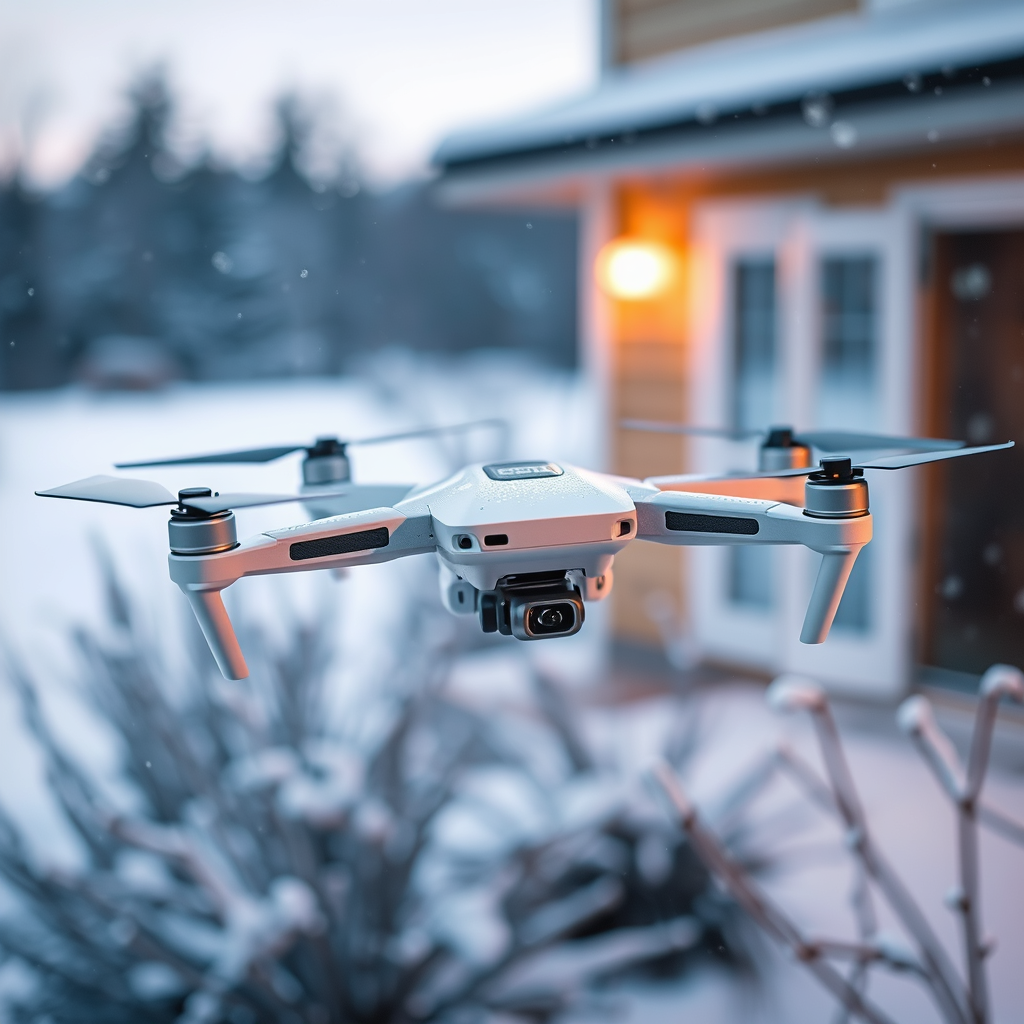
Yes, you can fly drones in winter, but several factors need to be considered for safe and effective operation. Cold weather can significantly affect battery life, drone performance, and visibility, making it essential to understand these challenges before taking to the skies. This guide will explore the necessary precautions and strategies to ensure a successful winter flying experience, allowing drone enthusiasts to fully enjoy the unique landscape that winter offers.
Understanding Temperature Effects on Drones
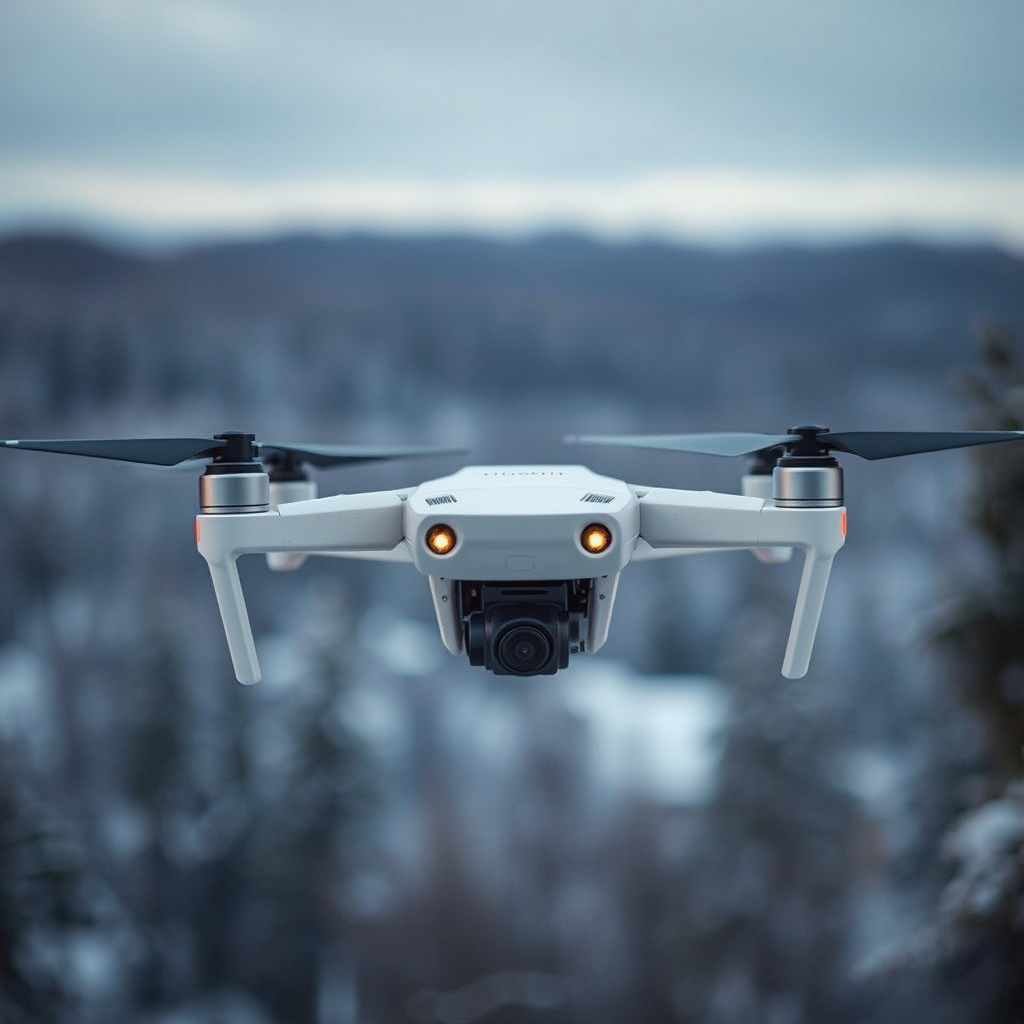
Cold temperatures can have a profound impact on drone performance, particularly on battery efficiency. Lithium polymer (LiPo) batteries, which are commonly used in drones, tend to lose their charge capacity in lower temperatures. As the temperature drops, the chemical reactions within the battery slow down, leading to reduced voltage output and, consequently, shorter flight times. In some cases, batteries may even become unusable if they reach freezing temperatures. For instance, a drone that typically flies for 25 minutes in moderate weather may only manage 15 to 20 minutes in frigid conditions.
It is crucial to consult your drone’s specifications to determine its operating temperature range. Many manufacturers provide guidelines that indicate the optimal temperatures for safe operation. If you plan to fly in temperatures below this range, consider bringing your batteries indoors to warm them up prior to flight. This practice can help mitigate some of the effects of cold weather on battery performance.
Preparing Your Drone for Winter Flying
Before embarking on a winter flight, thorough preparation of your drone is essential. Cold weather can affect not only the battery but also other components, such as the motors and the drone’s frame. Ensure that all components are in good working condition; inspect for any signs of wear and tear that may have been exacerbated by temperature fluctuations. Additionally, check the propellers for any damage, as they can become more brittle in colder weather.
Consider employing thermal insulation or specialized winter gear designed for drones. For example, some manufacturers offer battery warmers that can help maintain optimal battery temperature during flight. Furthermore, protective covers can shield sensitive electronics and components from moisture and frost. Keeping your drone in a warm bag or case until just before takeoff can also help to combat the effects of the cold.
Safety Precautions for Flying in Winter
Safety should always be a top priority when flying drones, and winter conditions present unique hazards that require careful attention. One of the primary risks is the presence of ice and snow on surfaces where you may take off or land. Icy patches can cause your drone to slide or tip over, potentially leading to damage. Before flying, assess the area for any hazards, and opt for a clear, flat surface to launch and land your drone.
Visibility is another critical factor to consider during winter flying. Snow, fog, and overcast skies can significantly reduce visibility, making it challenging to maintain a clear line of sight with your drone. Always monitor the weather conditions closely and be prepared to postpone your flight if visibility becomes compromised. Using high-visibility colors for your drone can also help in snowy conditions, allowing you to spot it more easily against the white landscape.
Regulatory Considerations in Winter
When flying drones during winter months, it is essential to remain compliant with local regulations. Different regions may have specific guidelines concerning drone usage, particularly in areas frequented by wildlife. For instance, certain habitats may have seasonal restrictions to protect migratory birds or other wildlife during winter. Before heading out, check the Federal Aviation Administration (FAA) regulations, as well as local laws that may apply in your area.
Additionally, be aware of temporary airspace restrictions that may arise from winter events, such as ski competitions or holiday festivities. It’s advisable to consult local authorities or drone community platforms for updates on any regulations that may affect your flying activities.
Recommended Practices for Winter Drone Operations
To optimize your winter drone operations, consider implementing several best practices. First and foremost, limit your flight times to prevent battery drain. Shorter flights can help ensure that you have enough battery power for a safe return. During winter, it is wise to plan for a return to the launch point well before your battery reaches its minimum safe voltage.
Utilizing a spotter can significantly enhance your flying experience in winter conditions. A spotter can help you maintain situational awareness, especially in challenging visibility conditions. This person can assist in navigating, watching for obstacles, and ensuring a safe landing. Additionally, practicing essential maneuvers in a controlled environment can help you gain confidence and proficiency before embarking on a winter flying adventure.
Troubleshooting Common Winter Issues
When flying drones in cold weather, it is vital to be prepared for potential issues that may arise. One common problem is erratic flight behavior, often caused by cold batteries that are unable to deliver sufficient power. If you experience this, it’s crucial to land your drone as soon as possible to avoid crashes or further damage.
Unresponsive controls can also be a concern in winter. If your drone exhibits delayed responses, it may be due to the cold affecting the electronic components. Always have a plan for emergency landings in case of battery failure or other malfunctions. Knowing your surroundings and identifying safe landing zones can make a significant difference in the event of an emergency.
Conclusion
In conclusion, while flying drones in winter is indeed possible, it necessitates careful preparation and awareness of the unique challenges posed by cold weather conditions. Understanding how temperature affects battery life, ensuring your drone is well-prepared for winter, and adhering to safety precautions are all critical for a successful flying experience. Additionally, staying informed about regulatory considerations and employing best practices can help you navigate the winter skies safely. By prioritizing safety and thorough planning, you can enjoy the breathtaking views and serene landscapes that winter drone flying has to offer.
Frequently Asked Questions
Can you fly drones in winter weather conditions?
Yes, you can fly drones in winter weather conditions, but it’s essential to consider factors like temperature, snow, and wind. Cold weather can affect battery performance, reducing flight time significantly. Additionally, flying in snow or rain may damage the drone’s electronics and motors, so it’s best to avoid flying in extreme weather conditions.
What are the challenges of flying drones in cold temperatures?
The primary challenges of flying drones in cold temperatures include reduced battery efficiency and potential freezing of mechanical components. Lithium-polymer batteries, commonly used in drones, can lose power quickly in cold weather, leading to shorter flight durations. Furthermore, condensation can form on the drone, which may lead to malfunctions or damage if not properly managed.
How can I prepare my drone for winter flying?
To prepare your drone for winter flying, start by fully charging the battery before each flight and consider using a battery warmer to maintain optimal performance. Ensure that all components are clean and free from moisture, and check your drone’s propellers for any ice or snow buildup that could affect stability. Additionally, keep your drone as dry as possible by flying in conditions with minimal precipitation.
What is the best drone for winter flying?
The best drones for winter flying are those that are specifically designed to withstand harsh environments, such as the DJI Mavic 2 Enterprise or the Parrot Anafi USA. These drones often come with weather-resistant features, improved battery performance in cold conditions, and robust build quality to handle wind and snow. Always check the manufacturer’s specifications to ensure they can operate effectively in low temperatures.
Why is it important to check local regulations before flying drones in winter?
It’s crucial to check local regulations before flying drones in winter because weather conditions can affect airspace restrictions and safety guidelines. Some areas may have specific rules regarding drone operations in adverse weather, and compliance is necessary to avoid legal issues. Additionally, understanding local regulations can help ensure safe flying practices, especially in winter when visibility may be reduced and landing zones could be more challenging to navigate.
References
- https://www.faa.gov/uas/getting_started/know_before_you_fly
- https://www.nasa.gov/feature/nasa-research-explores-how-to-fly-drones-in-winter
- https://www.dronepilotgroundschool.com/drone-flying-in-winter/
- https://www.abc.net.au/news/2021-06-27/drone-flying-tips-for-winter-weather/100239378
- https://www.verywellhealth.com/how-cold-weather-affects-drones-5194955
- https://www.uavcoach.com/flying-drones-in-winter-weather/
- https://www.suasnews.com/2021/02/the-challenges-of-flying-drones-in-winter/
