
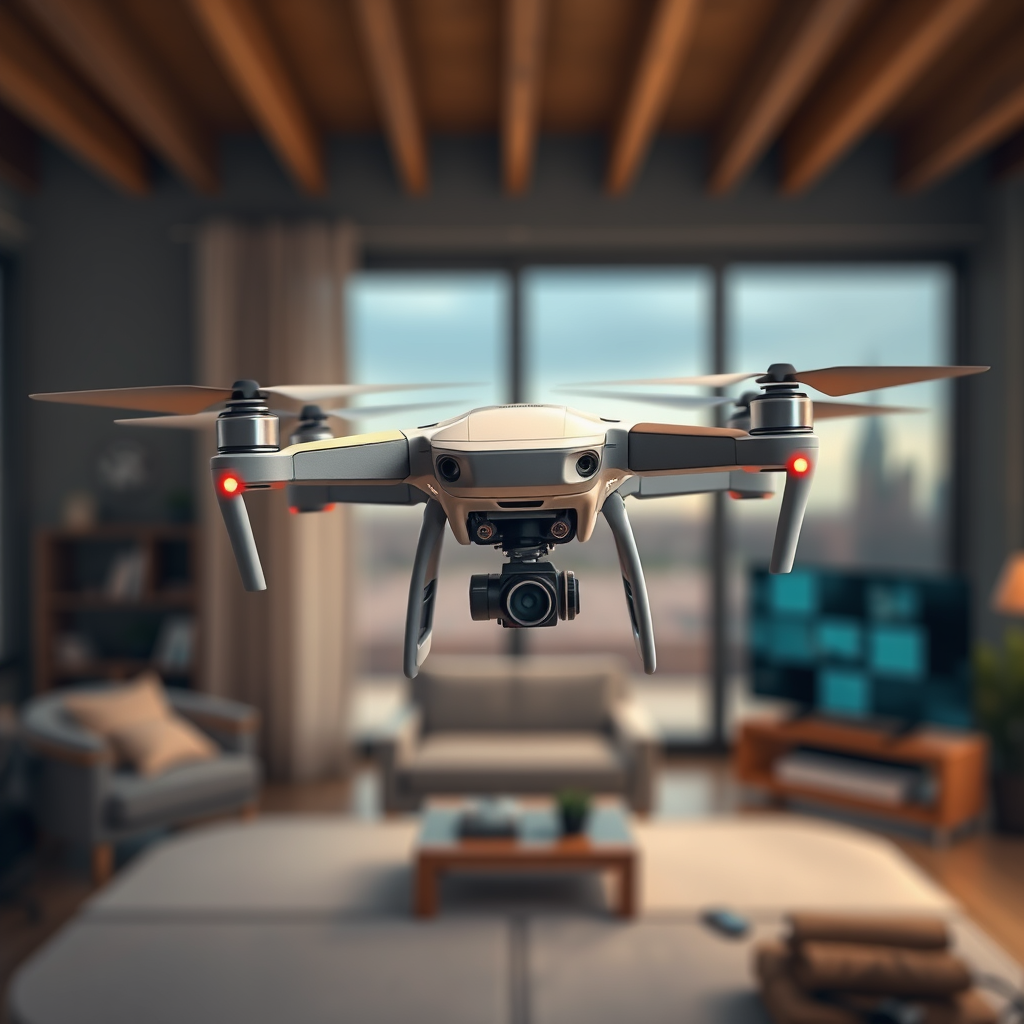
Yes, you can fly drones when it’s windy, but it requires careful consideration of the wind speed and your drone’s capabilities. Understanding how wind affects drone performance is essential for both safety and achieving the desired results. Flying in windy conditions can present a variety of challenges, but with the right knowledge, preparation, and precautions, drone operators can navigate these obstacles effectively.
Understanding Wind Impact on Drones
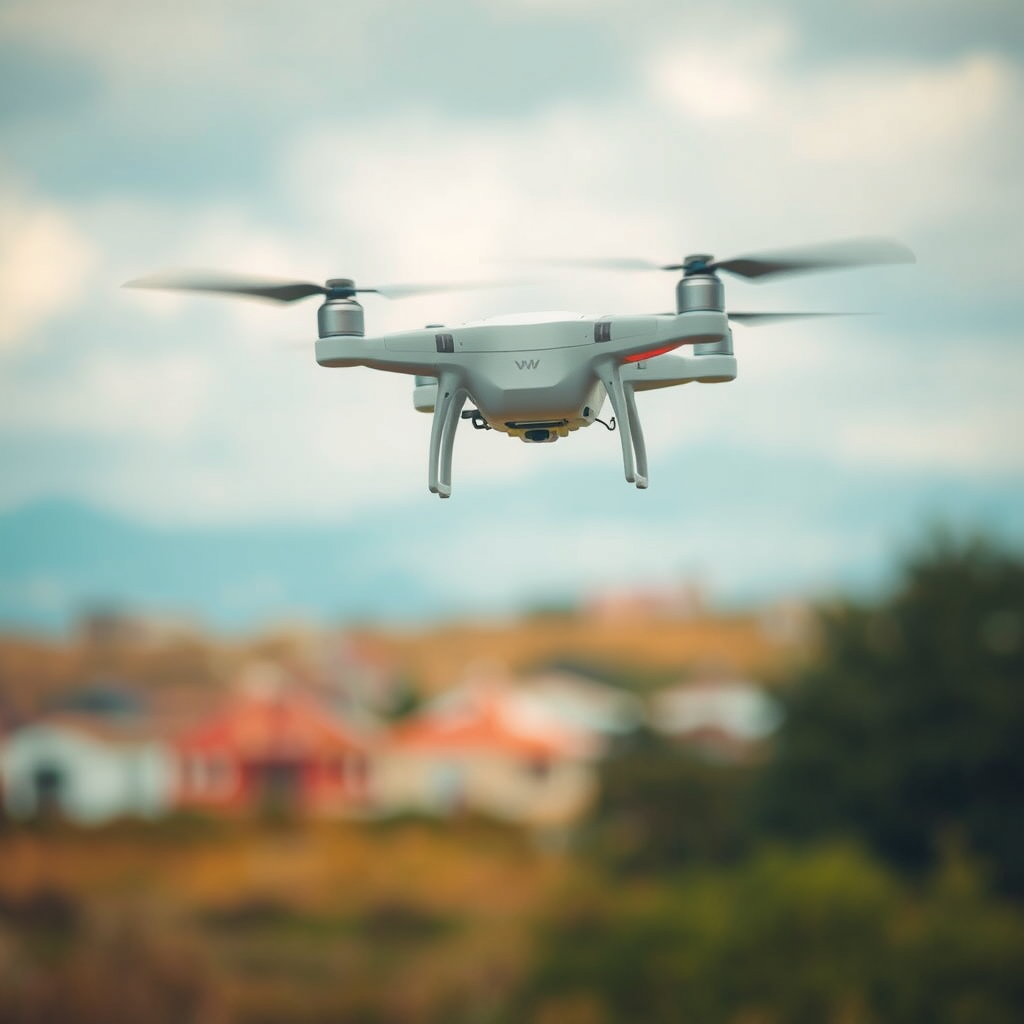
Wind has a significant impact on a drone’s stability and control, which can make flying quite challenging. When wind gusts hit a drone, they can cause unexpected shifts in altitude and direction, which can lead to loss of control if not managed properly. For instance, in higher winds, smaller drones may struggle to maintain their position, while larger drones may demonstrate greater resilience due to their weight and design. The aerodynamic structure of a drone plays a crucial role—drones designed for racing may have streamlined shapes that allow them to cut through the wind more effectively than bulkier models intended for photography.
Moreover, wind can introduce turbulence, further complicating flight dynamics. Pilots often report that flying in windy conditions can make maintaining a steady hover difficult, as the drone can drift away from its intended position. Understanding how wind interacts with the drone’s propellers and frame is essential for pilots to anticipate how their drone will behave in various wind conditions.
Ideal Wind Conditions for Drone Flying
Identifying ideal wind conditions is critical for safe and effective drone operation. Light winds, typically under 10 mph, are generally considered safe for most drones, allowing for stable flight and precise control. In these conditions, even smaller drones can perform well, enabling operators to capture high-quality images and videos without significant risk of losing control.
Moderate winds, ranging from 10 to 20 mph, may present challenges, particularly for smaller drones. These drones may struggle to counteract the wind’s force, leading to difficulties in maneuverability and stability. However, larger and more robust models, such as those designed for professional use, may handle moderate winds with relative ease. It’s advisable for pilots to assess their specific drone’s capabilities and experience level before attempting to fly in these conditions.
Recognizing Your Drone’s Limits
Each drone comes with its own set of specifications, including maximum wind speed recommendations. Before flying, operators should consult the manufacturer’s guidelines to understand the limitations of their specific model. For instance, many consumer drones are rated for maximum wind speeds between 15 to 25 mph. Exceeding these limits can not only jeopardize the drone’s performance but also increase the risk of accidents and crashes.
Additionally, the weight and design of the drone are crucial factors that affect its wind resistance. Heavier drones with more powerful motors tend to perform better in windy conditions compared to lighter models. Pilots should also consider the drone’s battery life, as high winds may cause the drone to use more power to maintain stability, potentially leading to quicker battery depletion.
Safety Precautions When Flying in Wind
Safety should always be the top priority when flying drones, particularly in windy conditions. Before each flight, it’s essential to perform a thorough pre-flight check, which includes assessing the wind conditions and ensuring the drone is in optimal working order. Pilots should also familiarize themselves with the area they plan to fly in, keeping a safe distance from obstacles such as trees, buildings, and power lines, which can act as wind barriers and create unpredictable gusts.
In addition to assessing the environment, pilots should remain vigilant and be prepared for sudden gusts of wind, which can occur unexpectedly. If conditions become unfavorable during flight, it’s advisable to land the drone safely rather than risk losing control. Carrying a reliable means of communication, such as a smartphone, can also be beneficial in case of emergencies or if assistance is needed.
Strategies for Flying Drones in Windy Conditions
To enhance stability and control while flying in windy conditions, pilots can employ several strategies. One effective method is to use GPS mode, which allows the drone to maintain its position more effectively against wind forces. This mode is particularly useful for capturing stable imagery and video, as it helps counteract the drone’s tendency to drift.
Additionally, practicing flying in safe, controlled environments can significantly improve a pilot’s skills when navigating windy conditions. Learning to anticipate wind shifts and respond quickly can make a substantial difference in flight success. For novice pilots, starting with small, gradual flights in light winds can build confidence and experience before tackling more challenging conditions.
Legal Considerations and Restrictions
Drone operators must also stay informed about local regulations regarding drone flights in adverse weather, including windy conditions. Some jurisdictions may have specific laws that restrict drone usage during high winds to prevent accidents and ensure public safety. Non-compliance can lead to fines or other legal repercussions, so it’s important for pilots to research and understand the rules in their area.
Furthermore, in certain environments such as parks or near airports, additional restrictions may apply, regardless of wind conditions. Pilots should always prioritize adherence to these regulations to ensure not only their safety but also the safety of others.
In conclusion, while flying drones in windy conditions is possible, it’s crucial to assess the wind strength, understand your drone’s capabilities, and take necessary safety precautions. By recognizing the impact of wind on drone performance, identifying ideal flying conditions, and adhering to legal guidelines, operators can enjoy safe and effective drone flights, even when the weather is less than perfect. Always prioritize safety and be cautious when deciding to fly in adverse weather conditions to ensure a successful flying experience.
Frequently Asked Questions
Can drones fly in windy conditions safely?
Yes, drones can fly in windy conditions, but safety and performance vary based on wind speed and the specific drone model. Most consumer drones can handle winds up to 15-20 mph, but strong gusts can affect stability and control. It’s essential to check the manufacturer’s specifications and consider factors like drone weight and design before flying in windy weather.
How do I know if the wind is too strong for my drone?
To determine if the wind is too strong for your drone, check the local weather forecasts for wind speeds and gusts before flying. As a general guideline, if sustained winds exceed 15 mph or if there are strong gusts that could cause sudden shifts in wind speed, it is advisable to postpone your flight. Observing how other flying objects behave in the wind can also give you clues about the conditions.
Why is flying a drone in windy conditions risky?
Flying a drone in windy conditions is risky because strong winds can lead to loss of control, making it difficult to maneuver and maintain stable flight. High winds can cause drones to drift off course or even crash if they are unable to compensate for sudden gusts. Additionally, wind can impact battery life, as drones work harder to stabilize themselves, which may result in a shorter flight time.
What are the best practices for flying drones when it’s windy?
When flying drones in windy conditions, follow these best practices: first, choose a drone specifically designed for adverse weather, as some models are more robust and can handle wind better. Additionally, keep your flight low to the ground to reduce the effects of wind and avoid flying near obstacles that could create turbulence. Always be ready to land your drone if wind conditions worsen during your flight.
Which drones are best for windy conditions?
Drones that are best for windy conditions typically have powerful motors and aerodynamic designs that allow them to maintain stability. Models like the DJI Phantom 4 and the Autel Robotics EVO Lite have proven effective in handling winds due to their weight and build quality. It’s important to consider user reviews and wind resistance ratings when selecting a drone for windy environments to ensure optimal performance.
References
- https://en.wikipedia.org/wiki/Drone_flight_conditions
- https://www.faa.gov/uas/getting_started/remote_pilot_training
- https://www.senate.gov/legislative/LIS/roll_call_lists/roll_call_vote_115_2.pdf
- https://www.dronepilotgroundschool.com/drone-flying-in-wind/
- https://www.nasa.gov/centers/dryden/pdf/83067.pdf
- https://www.theguardian.com/technology/2021/jul/12/drone-flying-in-windy-conditions-what-you-need-to-know
- https://www.military.com/join-armed-forces/drone-flying-tips-what-you-need-to-know.html
- https://www.nist.gov/news-events/news/2020/01/drones-wind-what-you-need-know
