
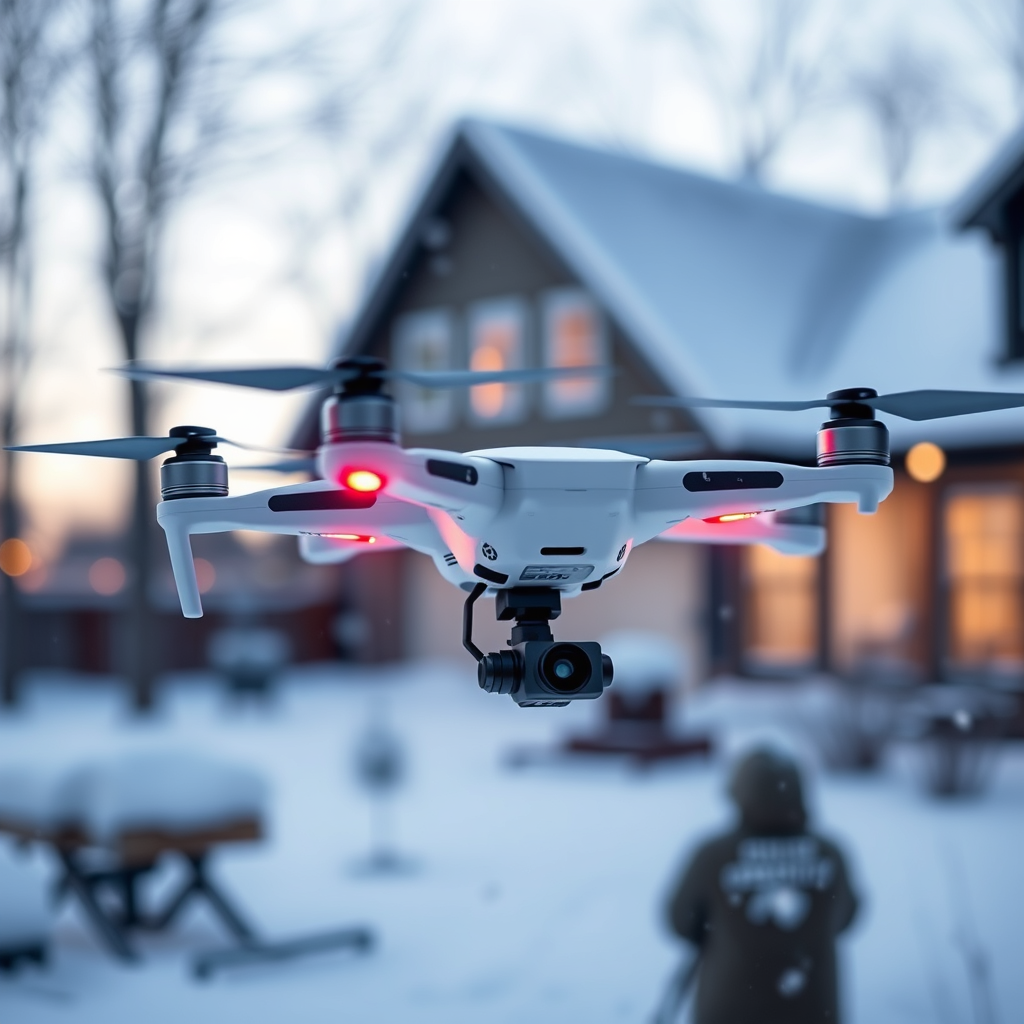
Yes, you can fly your drone in the snow, but there are important factors to consider for safe and effective operation. Snow can affect drone performance, visibility, and safety, so understanding how to navigate these challenges is crucial for any drone pilot. Flying in winter conditions can offer stunning visual opportunities and unique landscapes, but it also requires a thorough understanding of your equipment, the environment, and legal implications to ensure a successful flight.
Understanding Drone Limitations in Cold Weather
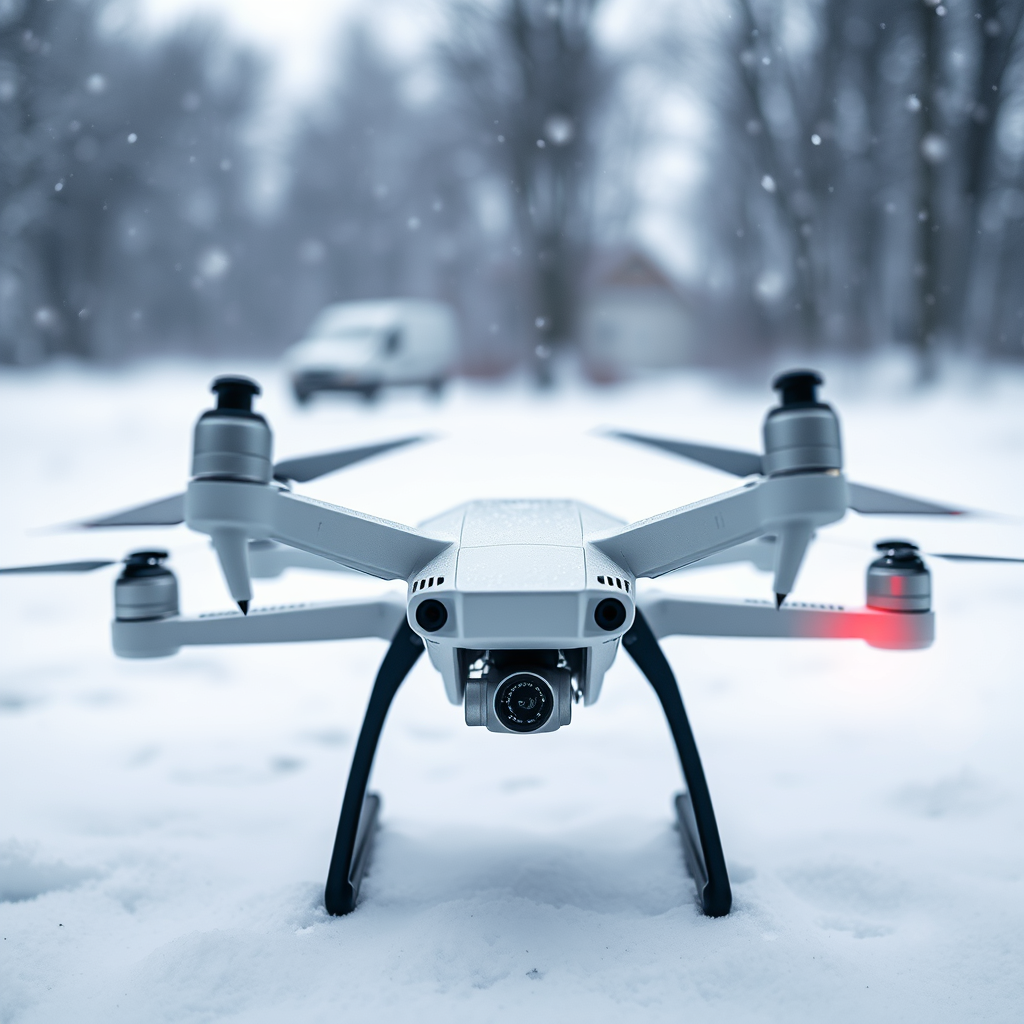
Drones are sophisticated pieces of technology that can be significantly impacted by cold weather and snowy conditions. One of the primary limitations pilots face is reduced battery life. Cold temperatures can cause batteries to discharge more quickly, leading to shorter flight times. For instance, lithium polymer (LiPo) batteries, commonly used in drones, can lose up to 30% of their capacity in freezing conditions. This means that a drone typically offering 20 minutes of flight time in optimal temperatures might only provide 14 minutes in the snow.
Moreover, snow and ice can accumulate on various drone components, such as propellers, motors, and sensors. This accumulation can not only affect the aerodynamics of the drone but can also obstruct sensor functionality, leading to potential failures in altitude hold or GPS positioning. Pilots should be particularly cautious of ice forming on the propellers, as this can create an imbalance during flight.
Pre-Flight Preparations for Snowy Conditions
Preparation is key when flying a drone in snowy conditions. Before taking off, it is essential to ensure that your drone is rated for cold weather operations. Check the manufacturer’s specifications and guidelines to confirm that your drone can handle low temperatures. Conduct a thorough pre-flight inspection, looking for any signs of wear and tear, particularly in the battery and propellers.
Additionally, consider utilizing propeller covers and landing gear protectors to minimize snow buildup during landings and takeoffs. These accessories can help prevent snow from accumulating on the drone, which is crucial for maintaining optimal performance. If possible, keep your drone warm before flight, as this can help mitigate battery loss and improve overall performance. Some pilots even keep their batteries warm inside their clothing until just before flight.
Visibility Challenges in Snowy Environments
Flying a drone in a snowy landscape presents unique visibility challenges. The whiteness of the snow can create a whiteout effect, making it difficult for pilots to see their drone or maintain a visual line of sight. This is particularly problematic for those flying without advanced GPS tracking systems or other navigation aids.
To counter these challenges, consider using visual aids, such as brightly colored drone skins or LED lights, to enhance visibility against the snowy backdrop. Additionally, employing tracking tools, such as smartphone apps with real-time telemetry, can help you monitor your drone’s position effectively. These tools are particularly useful in snowy conditions where visual tracking may be compromised.
Flight Safety and Best Practices
When flying your drone in snowy conditions, safety should always be a top priority. It is advisable to fly only in clear weather conditions and to avoid heavy snowfall or strong winds, as these factors can significantly increase the risk of losing control of your drone. Wind can affect stability and maneuverability, while heavy snow can hinder visibility and create an unsafe environment for operation.
Maintaining a low altitude is also a best practice when flying in snow. This not only reduces the risk of losing sight of your drone but also minimizes potential hazards from obstacles such as trees and structures. Moreover, avoid flying near people or crowded areas to mitigate the risks associated with unexpected failures or crashes. Always be prepared for the unexpected, as winter conditions can change rapidly.
Legal and Regulatory Considerations
Before embarking on your winter drone adventure, it is crucial to familiarize yourself with local regulations regarding drone flights in winter conditions. Some areas may impose specific restrictions on flying during snowy weather due to safety concerns or local wildlife protections. For instance, flying near ski resorts or populated areas may be restricted to ensure the safety of skiers and other winter sports enthusiasts.
Additionally, be aware of no-fly zones that may be affected by snow or winter activities. Many regions have designated airspace that may restrict drone usage, particularly in areas where snow-related activities occur. Always check with local authorities or use apps that provide real-time data on airspace restrictions to ensure compliance with regulations.
Post-Flight Maintenance Tips
After flying your drone in the snow, proper maintenance is essential to preserve its functionality and longevity. Snow, ice, and moisture can accumulate on your drone’s components, potentially leading to damage if not addressed promptly. It is vital to clean your drone thoroughly after each flight, ensuring that all snow and ice are removed from the frame, propellers, and sensors.
Storing your drone in a dry, warm place is equally important to prevent freezing and battery degradation. Avoid leaving your drone in a cold garage or outdoor shed after a flight, as this can contribute to long-term damage. Instead, bring it indoors to a controlled environment where it can dry out completely. Regular maintenance checks will help identify any potential issues before they become serious problems.
In conclusion, flying your drone in the snow is possible, but it requires careful planning and attention to safety. By understanding the challenges posed by cold weather and snow, and following best practices, you can enjoy your winter drone flights responsibly. Always remember to check local regulations and be prepared for the unique conditions that snow brings. With the right precautions, snow-covered landscapes can provide breathtaking aerial opportunities for drone enthusiasts.
Frequently Asked Questions
Can you fly your drone in the snow safely?
Yes, you can fly your drone in the snow, but safety and performance considerations are crucial. Cold temperatures can affect battery life and drone performance, so it’s essential to monitor battery levels closely and be prepared for shorter flight times. Additionally, ensure that your drone is equipped with appropriate weatherproofing to protect it from moisture and cold.
What should I do to prepare my drone for snowy conditions?
To prepare your drone for snowy conditions, start by checking the manufacturer’s guidelines regarding temperature limits and moisture exposure. Equip your drone with a propeller guard to prevent snow accumulation on the blades, and consider using landing gear that can handle wet surfaces. Additionally, warm up your batteries before flight to optimize performance in cold weather.
How does flying a drone in the snow affect battery life?
Flying a drone in the snow can significantly reduce battery life due to the cold temperatures which can cause the battery to drain faster. Lithium polymer batteries, commonly used in drones, are particularly sensitive to cold. To mitigate this, keep your batteries warm before flying and check them frequently during flights to avoid sudden power loss.
What are the best practices for flying a drone in snowy weather?
The best practices for flying a drone in snowy weather include checking the weather forecast for any potential storms or high winds, flying at lower altitudes to avoid strong gusts, and ensuring a clear line of sight. Additionally, avoid flying over snow-covered areas where GPS signals may be less reliable, and always have a plan for landing safely in case of emergencies.
Which drones are best suited for flying in snowy conditions?
Drones that are specifically designed for rugged conditions and have weather-resistant features are best suited for snowy environments. Models like the DJI Mavic Air 2 and the DJI Phantom 4 RTK offer robust build quality, good battery performance, and reliable GPS systems. Always consult the specifications of your drone to ensure it can handle cold and wet conditions effectively.
References
- https://www.faa.gov/uas/getting_started/part_107
- https://www.nasa.gov/feature/what-to-know-about-flying-drones-in-cold-weather
- https://www.wildlife.state.nm.us/education/drone-flying-in-winter/
- https://www.bbc.com/news/technology-64196433
- https://www.theguardian.com/us-news/2021/jan/04/drone-snow-winter-weather-conditions
- https://www.researchgate.net/publication/331034478_Weather_Impact_on_Drone_Flight_Operations
- https://www.ncbi.nlm.nih.gov/pmc/articles/PMC5822003/
- https://www.wired.com/story/flying-drones-in-cold-weather/
