
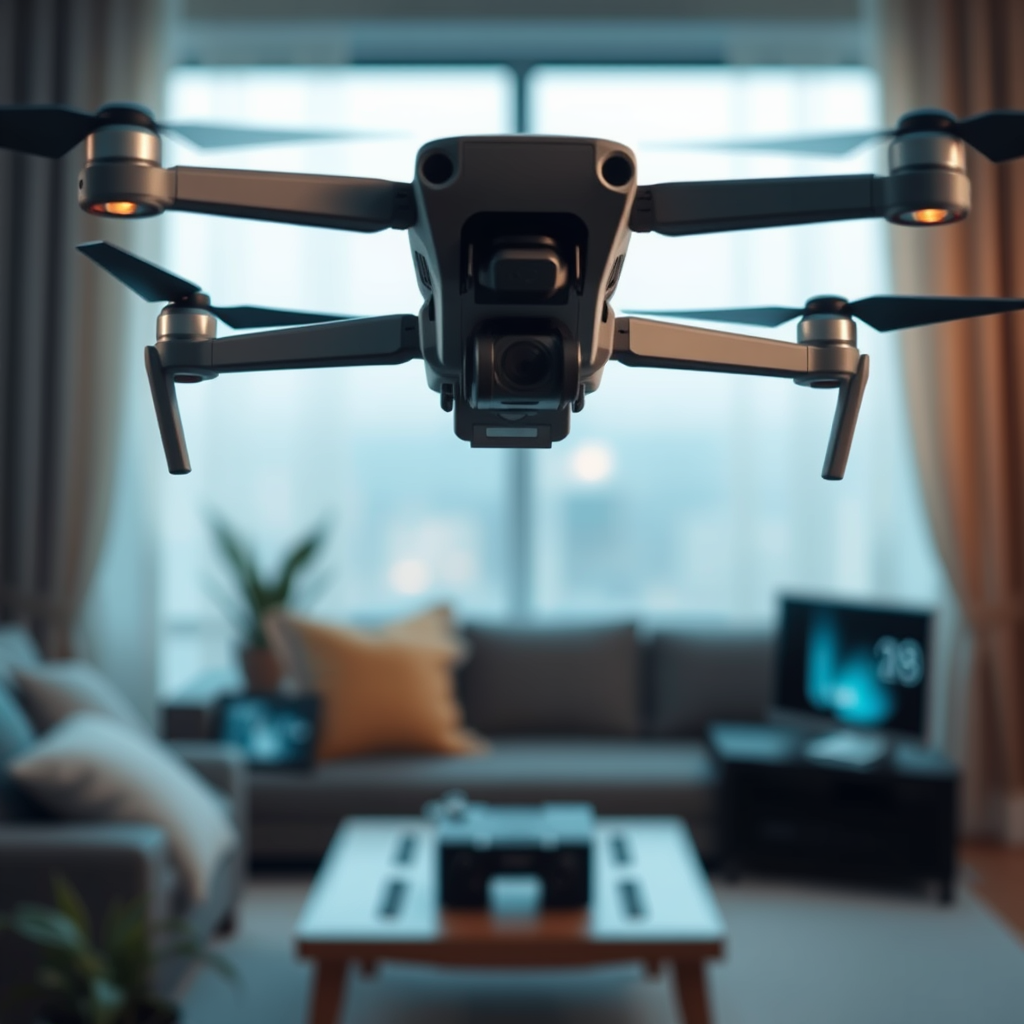
Yes, you can hear a drone flying, especially if it is operating at low altitudes or in quiet environments. The sound produced by a drone can vary based on its size, design, and distance from the observer. In this article, we will explore various aspects of drone sound, including the mechanics behind it, factors influencing audibility, environmental influences, comparisons to other noises, and safety considerations, as well as provide actionable tips for reducing noise.
The Mechanics of Drone Sounds
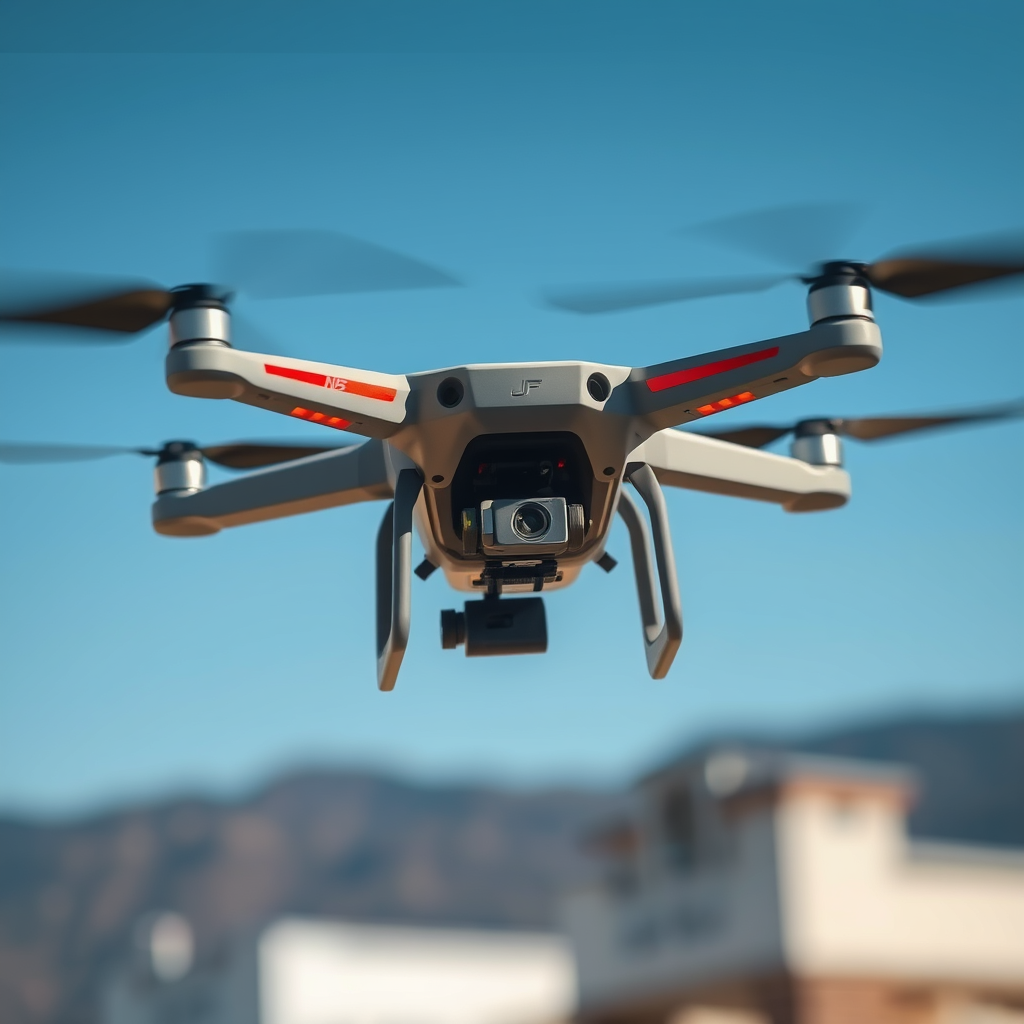
Drones generate noise primarily through their rotating propellers, which create air turbulence as they slice through the air. This turbulence results in a characteristic sound that is often described as a buzzing or humming noise. The sound level produced by a drone can vary significantly depending on several factors, including the type of motor used and the design of the propellers. For instance, brushless motors, which are commonly found in modern drones, tend to operate more quietly compared to older brushed motors. Similarly, propellers designed with noise reduction in mind, such as those with specific blade shapes and materials, can further modify the sound profile of a drone.
Additionally, the frequency of the sound generated by the drone is an important aspect to consider. Most consumer drones emit sounds in the range of 70 to 90 decibels (dB), which is comparable to the noise level of a vacuum cleaner. Understanding the mechanics of drone sounds can help users and observers alike appreciate the acoustic signature of various drone models, enhancing their awareness of drone operations.
Factors Affecting Drone Noise Levels
Several factors influence the noise levels generated by drones, most notably the size and weight of the drone itself. Larger drones, such as those used for commercial applications, typically produce more noise due to their increased power requirements and larger propeller sizes. For example, a heavy-lift drone designed to carry significant payloads will produce a louder sound than a micro-drone intended for recreational use.
Flight altitude is another critical factor affecting the audibility of drones. Drones flying lower to the ground are easier to hear than those operating at higher altitudes. This is because sound diminishes with distance; the further away a sound source is, the quieter it becomes. Thus, a drone flying at 100 feet may be nearly inaudible, while one operating at 30 feet can be quite loud, particularly in a rural or suburban setting.
Environmental Influences on Hearing Drones
The ability to hear a drone also depends heavily on environmental factors, particularly ambient noise levels and weather conditions. In quieter settings, such as rural areas or during the early morning hours, the sound of a drone can be more pronounced. Conversely, in bustling urban environments filled with traffic and human activity, the drone’s sound may blend into the background noise, making it less noticeable.
Weather conditions can also play a critical role in how drone sounds are perceived. Wind can disrupt sound waves, causing the noise generated by drones to dissipate more rapidly, while rain might absorb some sound frequencies, altering the overall audibility. For instance, a light drizzle may mask the sound of a drone, whereas a clear day with minimal wind can amplify it, making it easier for observers to detect its presence.
Comparing Drone Sounds to Other Noises
Drones often produce a distinctive buzzing or humming sound, reminiscent of other electronic devices, such as electric razors or hair dryers. This sound is primarily generated by the rapid rotation of the propellers and the drone’s motors. To better understand how to distinguish drone sounds from other noises, it is useful to consider the frequency range they emit. Drones typically operate within a frequency range of 1,000 to 10,000 hertz, which overlaps with the sounds produced by many household appliances.
Additionally, the context in which the sound is heard can greatly influence its perception. For example, a drone flying over a construction site may be less noticeable due to the background noise of machinery, while the same drone flying over a quiet park would be far more audible. By recognizing the unique frequency characteristics of drone sounds, individuals can more readily identify their presence in various environments.
Safety and Regulatory Considerations
Noise complaints regarding drones have led to increasing scrutiny and the establishment of regulations governing drone operations, particularly in residential areas. Local governments may impose restrictions on flight times, altitudes, and even specific zones where drones are prohibited from flying. For instance, some cities have implemented noise ordinances that limit drone operations during certain hours to minimize disturbances to residents.
Understanding local laws and regulations regarding drone operations is crucial for both drone operators and the general public. Being aware of these rules can help mitigate noise-related issues and foster better relations between drone users and communities. Drones can provide numerous benefits, including photography, surveying, and delivery services; however, responsible operation is essential to maintaining public acceptance.
Tips for Reducing Drone Noise
There are several strategies that drone operators can employ to minimize noise pollution and enhance community tolerance. One effective approach is to utilize quieter propeller designs. Many manufacturers now offer propellers specifically engineered to reduce noise, which can significantly diminish the sound produced during flight.
Additionally, flying during optimal hours and conditions can also help reduce disturbances. For example, operating a drone during the day when ambient noise levels are higher may make the drone’s sound less noticeable. Similarly, avoiding flight during early morning or late evening hours can help prevent disruptions to residents during their quiet times.
Lastly, drone pilots should consider their flight paths carefully. Opting for routes that avoid residential areas or densely populated zones can alleviate concerns and promote a more positive perception of drone usage.
In conclusion, while you can hear a drone flying, multiple factors influence how audible it is. The mechanics of drone sounds, the size and altitude of the drone, environmental conditions, and regulatory considerations all play significant roles in determining audibility. By understanding these elements, both drone operators and the public can navigate the complexities of drone sounds and their impacts on the environment. If you have further questions or experiences with drones, feel free to share in the comments!
Frequently Asked Questions
Can you hear a drone flying overhead?
Yes, you can typically hear a drone flying overhead, although the sound may vary based on the drone’s size and design. Most consumer drones produce a buzzing or whirring noise due to their rotors, which can be audible from several hundred feet away, especially in quiet environments. Larger professional drones may generate a louder sound, while smaller models can be quite discreet.
How far away can you hear a drone flying?
The distance at which you can hear a drone flying largely depends on its size, the type of motors it uses, and environmental factors like wind and background noise. Generally, small consumer drones can be heard from about 200 to 300 feet away, while larger drones may be audible from over 500 feet. However, in a busy urban area, the noise may be drowned out by other sounds.
Why do drones make noise when flying?
Drones make noise primarily due to the rotation of their propellers and the air turbulence they create. The sound is generated from the motors driving the propellers, as well as the vibrations that occur as the drone moves through the air. This noise can vary significantly between different models, with high-performance drones often engineered to minimize sound for stealth and efficiency.
What is the quietest type of drone available?
The quietest types of drones are often designed for professional use, such as aerial photography or surveillance. Drones equipped with larger, slower-rotating propellers tend to operate more quietly than smaller, faster drones. Models like the DJI Mavic Pro and the Parrot Anafi are known for their relatively low noise levels, making them suitable for discreet operations.
Which factors affect how loud a drone sounds?
Several factors affect how loud a drone sounds, including its size, propeller design, motor type, and flight speed. Larger drones with more powerful motors may produce more noise, while drones designed with noise-reducing features, such as specialized propellers or quieter motors, can operate at lower sound levels. Environmental conditions, such as wind and terrain, can also influence how far the sound travels.
References
- https://en.wikipedia.org/wiki/Drone
- https://www.faa.gov/uas/
- https://www.sciencedirect.com/science/article/pii/S2213138817301902
- https://www.theguardian.com/technology/2019/jun/10/drones-noise-pollution-hearing-study
- https://www.nytimes.com/2017/08/15/science/drones-noise-pollution.html
- https://www.ncbi.nlm.nih.gov/pmc/articles/PMC6519376/
