
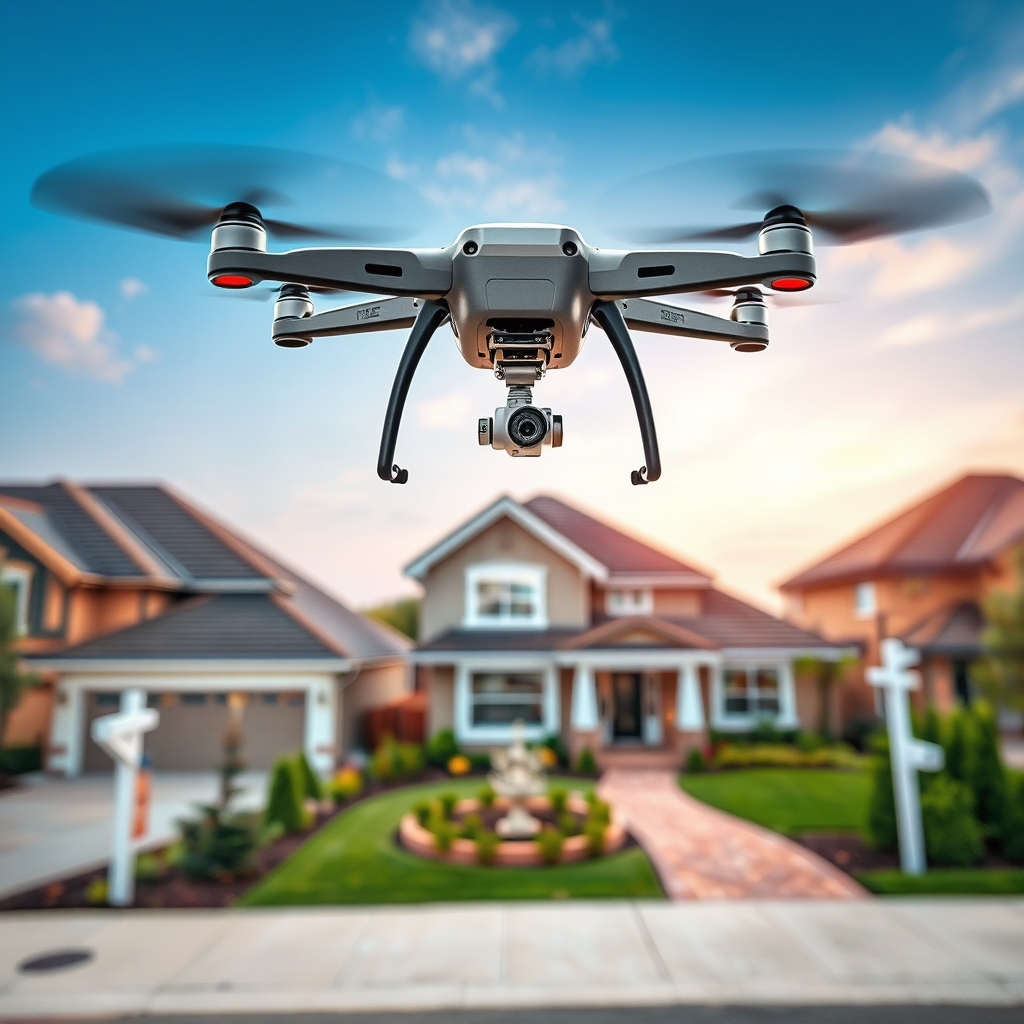
Yes, you can take steps to prevent drones from flying over your property, although complete control may be challenging. Drones have become increasingly popular for various purposes, including photography, surveillance, and recreational use. As a property owner, you may feel concerned about privacy and safety when these unmanned aerial vehicles invade your airspace. This article will explore various methods, legal considerations, and practical tips to help you manage drone activity near your home effectively.
Understanding Drone Regulations
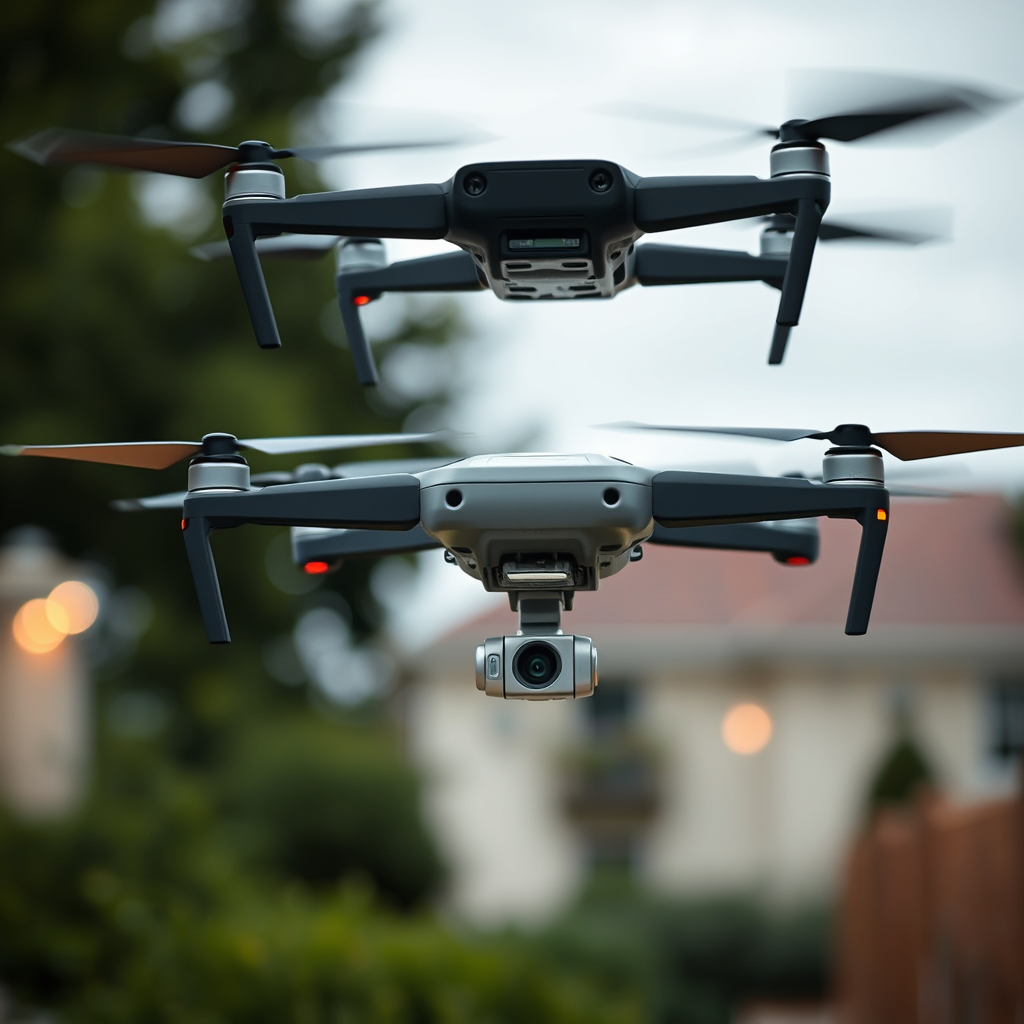
Drones, also known as unmanned aerial vehicles (UAVs), must adhere to Federal Aviation Administration (FAA) regulations, which govern their operation within U.S. airspace. According to the FAA, drones cannot fly above 400 feet in controlled airspace and must remain below 400 feet in uncontrolled airspace. However, while these regulations provide some structure for drone usage, property owners have limited rights regarding the airspace above their property. The FAA generally maintains that the airspace is a public domain, which means that individuals have difficulty claiming exclusive rights to it.
Furthermore, state and local governments have begun enacting their own drone laws, which can vary significantly from one area to another. Familiarizing yourself with these regulations is crucial for understanding your rights and the potential actions you can take to address drone activity near your property.
Legal Measures to Restrict Drone Access
To effectively manage drone presence, it is essential to familiarize yourself with local laws regarding drone usage. Many states have specific statutes that address drone operation, particularly concerning privacy and trespass laws. For instance, some states classify unauthorized drone use over private property as a form of trespassing, allowing property owners to take legal action against offenders.
One proactive measure you can implement is to post “No Drone Zone” signs around your property. While these signs may not have legal standing in every jurisdiction, they can serve as a deterrent to casual drone operators and signal to them that you are conscious of your privacy rights. Additionally, documenting any drone activity and informing local law enforcement may help build a case should you need to pursue legal avenues.
Physical Barriers and Landscaping Strategies
Creating physical barriers can significantly reduce the likelihood of drones flying over your property. Strategically placing trees, tall fences, or other structures can obstruct drone views and deter operators from invading your airspace. For example, a dense row of trees can create a natural privacy screen, making it more challenging for drones to capture images or conduct surveillance.
Moreover, consider incorporating landscaping strategies that enhance your property’s defenses. Planting shrubs or installing decorative trellises can serve dual purposes of beautifying your yard while simultaneously providing barriers against drones. Elevating your property’s natural landscape can also disrupt a drone’s navigation, particularly if the elevation changes create obstacles for GPS signals.
Technology Solutions to Discourage Drones
With advancements in technology, several solutions can help you detect or discourage drones from encroaching on your property. Drone detection systems are becoming increasingly available; these devices use radar or radio frequency technology to alert you when a drone is nearby. Such systems can help you monitor drone activity and take appropriate action if necessary.
Additionally, anti-drone technology, such as jamming devices, can prevent drones from operating in certain areas. However, it is essential to note that the legality of jamming devices varies by jurisdiction, and using them could potentially violate federal laws. Always consult with legal experts before implementing any high-tech deterrent to ensure compliance with the law.
Reporting and Documentation
If you experience persistent or invasive drone activity over your property, keeping a detailed record of sightings and incidents is crucial. Documenting the date, time, and nature of each encounter can provide valuable information should you need to escalate the issue to local authorities. Photographic evidence or video recordings can also serve as powerful tools in supporting your claims.
When reporting drone activity, contact local law enforcement or your community’s drone enforcement agency, if applicable. Many jurisdictions have established protocols for addressing drone-related complaints, and having a well-documented case can facilitate a more effective response.
Community Action and Awareness
Engaging with your neighbors can be an effective way to address shared concerns about drone activity. Discussing drone-related issues can lead to collective strategies for protecting your community’s privacy and safety. For instance, organizing neighborhood watch programs that include drone monitoring can help deter unauthorized drone use.
Additionally, promoting awareness of drone regulations within your community can foster a culture of respect for privacy and responsible drone operation. Hosting informational meetings or workshops on drone laws can educate residents about their rights and encourage responsible drone usage. By fostering a community-wide approach, you can create a more robust defense against unwanted drone activity.
In conclusion, while you may not be able to completely prevent drones from flying over your property, there are several effective strategies you can adopt to reduce their presence and protect your privacy. Understanding drone regulations, implementing legal measures, utilizing physical barriers, leveraging technology, documenting encounters, and engaging with your community can all play a pivotal role in managing drone activity. By taking these steps, you can enhance your property’s security and ensure your peace of mind in an increasingly drone-populated world.
Frequently Asked Questions
What are my rights regarding drones flying over my property?
Property owners generally have the right to control access to their land, but drone laws can be complex. In the United States, the Federal Aviation Administration (FAA) regulates airspace, meaning drones can legally fly over private property as long as they remain within the legal altitude limits. However, if a drone is invading your privacy or causing harm, you may have grounds for legal action based on state privacy laws.
How can I prevent drones from flying over my home?
While you cannot completely prevent drones from flying over your home due to FAA regulations, there are measures you can take to discourage them. Installing privacy screens, using drone detection systems, or even employing physical barriers can help reduce visibility and deter drone activity. Additionally, notifying local law enforcement or your neighborhood association about persistent drone issues may help address the problem.
Why are drones allowed to fly over my property?
Drones are allowed to fly over private property because they operate within the National Airspace System. The FAA allows drone operators to fly in unrestricted airspace, which typically includes residential areas. Consequently, unless a drone is violating specific privacy laws or regulations, property owners may have limited recourse to stop them from flying overhead.
What are the best practices for dealing with nuisance drones?
If you encounter a nuisance drone frequently flying over your property, the best practices include documenting the incidents with photographs or videos, identifying the operator if possible, and reaching out to local authorities to report the issue. Engaging with your community about drone usage and advocating for local regulations can also be effective in managing drone activity. Additionally, consider purchasing a drone jammer, but be aware that using such devices is illegal in many areas.
Which laws protect me from drones invading my privacy?
Several laws can protect individuals from drone-related privacy invasions, including state privacy laws and tort laws that address trespassing and invasion of privacy. Some states have enacted specific drone laws that restrict drone usage over private property without consent. To better understand your rights, it’s advisable to consult with a legal expert familiar with local regulations on drone usage and privacy.
References
- https://en.wikipedia.org/wiki/Drone_regulation
- https://www.faa.gov/uas/
- https://www.nytimes.com/2021/06/17/technology/drones-privacy.html
- https://www.theguardian.com/us-news/2022/mar/14/drones-private-property-legal-issues
- https://www.ncsl.org/research/transportation/overview-of-drone-laws.aspx
- https://www.privacyrights.org/resources/drones-and-privacy
- https://www.aclu.org/other/drones-and-privacy-issues
- https://www.ucsusa.org/resources/drones-and-privacy-rights
