
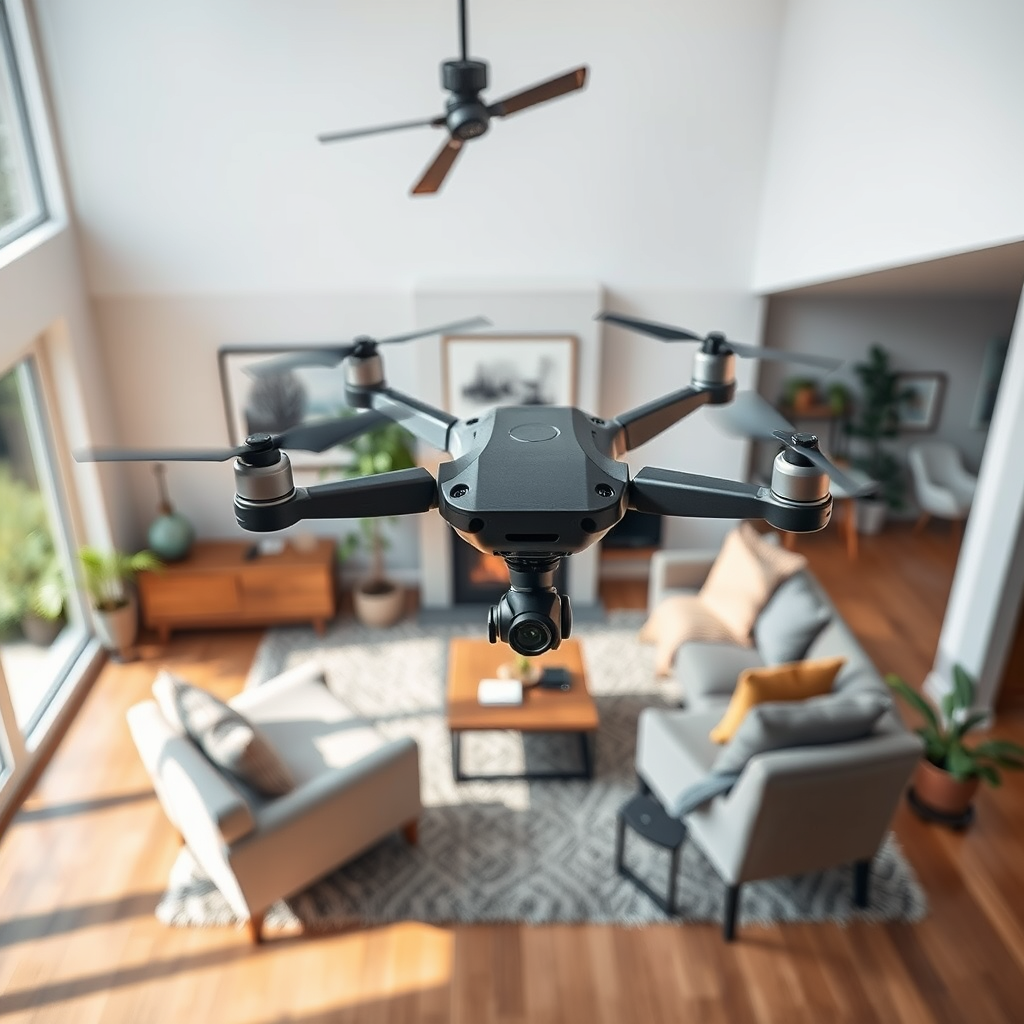
Yes, you can generally fly a drone above your house, but there are specific regulations and guidelines you must follow. Understanding these rules can help you enjoy flying your drone while ensuring safety and compliance with local laws. This article will provide a comprehensive overview of drone regulations, airspace restrictions, safety considerations, neighbors’ rights and privacy, best practices for flying drones, and insurance and liability aspects, enabling you to navigate the complexities of drone operation effectively.
Understanding Drone Regulations
Flying a drone above your house is permissible in many jurisdictions; however, it’s crucial to review local laws as they can differ significantly from one region to another. For instance, some municipalities have enacted ordinances that limit where drones can be operated, particularly in residential areas or near parks. It’s advisable to consult your local government’s website or contact local authorities to ensure compliance with these regulations.
In the United States, the Federal Aviation Administration (FAA) establishes guidelines that drone operators must adhere to. These regulations include registering your drone if it weighs over 0.55 pounds, flying below 400 feet, and avoiding flying over people. The FAA also mandates that drone pilots must pass a test to obtain a Remote Pilot Certificate if they intend to use their drones for commercial purposes. Familiarizing yourself with both local and federal regulations is essential to avoid legal repercussions while enjoying your drone flying experience.
Airspace Restrictions
Understanding airspace classifications is critical for drone pilots. The airspace is divided into several categories, including controlled and uncontrolled airspace. Controlled airspace, which includes airspace near airports and other restricted zones, has specific regulations that can limit drone flights. For instance, flying in these zones typically requires prior authorization from the FAA, and many drone pilots utilize apps to check airspace status before takeoff.
Additionally, the proximity to airports is a significant factor. The FAA requires that drones remain at least five miles away from airports unless you have received explicit permission from air traffic control. This restriction is crucial for preventing interference with manned aircraft, ensuring that both drone operators and pilots can operate safely. Always check for Temporary Flight Restrictions (TFRs) that may apply in your area, which can further impact where and how you can fly your drone.
Safety Considerations
Safety should always be a top priority when flying a drone. Maintaining a safe distance from people and property is essential to minimize the risk of accidents. The FAA advises that drone pilots avoid flying over crowds and should keep their drones within a reasonable distance from bystanders. An excellent practice is to maintain a minimum distance of at least 25 feet from people and vehicles.
Moreover, assessing weather conditions before flying is vital for safe operation. High winds, rain, or poor visibility can significantly impact a drone’s performance and increase the likelihood of crashes. Always check local weather forecasts and consider postponing your flight if conditions are unfavorable. Using a drone with advanced weather sensing technology can also enhance safety by providing real-time updates on conditions.
Neighbors’ Rights and Privacy
When flying a drone over your house, it is important to respect your neighbors’ rights and privacy. Many individuals have concerns about drones capturing images or video of their properties without consent. To avoid potential conflicts, it’s wise to be mindful of where you fly your drone and to avoid hovering over private properties unless you have permission.
Communicating with your neighbors about your drone usage can alleviate privacy concerns and foster a better understanding of your intentions. This proactive approach can help avoid misunderstandings and build community trust. You might even consider inviting interested neighbors to watch your drone flights, which can help demystify drone technology and promote a shared experience.
Best Practices for Flying Drones
To ensure a successful and safe drone flying experience, adhering to best practices is essential. Performing pre-flight checks is one of the most critical steps. This involves inspecting your drone for any mechanical issues, ensuring that the battery is fully charged, and verifying that all components are functioning correctly. A well-maintained drone is less likely to experience malfunctions during flight.
Additionally, staying within visual line of sight (VLOS) is a fundamental regulation mandated by the FAA. This means that you should always be able to see your drone without the aid of binoculars or other devices. VLOS ensures that you maintain control over the drone and can react appropriately to any potential hazards. Utilizing a spotter can also enhance safety by allowing one person to fly the drone while another keeps watch for obstacles.
Insurance and Liability
Considering insurance for your drone is a prudent step for any operator. Drone insurance can protect you against potential damages or accidents that could occur during flight. Various insurance options are available, including liability coverage that can help cover costs associated with property damage or bodily injury caused by your drone.
Understanding your legal responsibilities is equally important. If your drone causes harm or damages property, you could be held liable for those damages. Familiarizing yourself with your insurance policy and local laws can help ensure that you are adequately protected and aware of your responsibilities as a drone operator.
In summary, while you can fly a drone above your house, it is crucial to familiarize yourself with the regulations, safety practices, and potential implications for privacy and liability. By being informed and adhering to best practices, you can enjoy flying your drone responsibly and safely.
Frequently Asked Questions
Can I legally fly a drone above my house?
Yes, you can legally fly a drone above your house, provided you adhere to the regulations set forth by the Federal Aviation Administration (FAA) in the United States. This includes flying below 400 feet, keeping your drone within visual line of sight, and avoiding restricted airspace. It’s important to check local laws as they can vary, and some areas may have specific restrictions regarding drone use.
What are the safety considerations for flying a drone over my property?
When flying a drone over your property, safety considerations include ensuring that there are no people or animals nearby that could be endangered by the drone’s flight. Additionally, be mindful of potential obstacles such as trees, power lines, and buildings to avoid accidents. It’s also wise to have a contingency plan in case of a drone malfunction, including knowing how to safely land the drone if necessary.
How can I ensure I don’t disturb my neighbors when flying a drone over my house?
To avoid disturbing your neighbors when flying a drone over your house, it’s best to communicate with them in advance about your drone activities. Choose designated times for flying when noise levels are lower, and consider flying during daylight hours to minimize disruption. Additionally, consider using quieter drones or flying at higher altitudes to reduce noise and lessen any potential disturbances.
Why is it important to check local regulations before flying a drone above my property?
Checking local regulations before flying a drone above your property is crucial to ensure compliance with laws that may govern airspace and drone usage. Local ordinances can impose additional restrictions that are not covered by FAA regulations, such as no-fly zones or specific height limits. Ignoring these regulations could result in fines or legal issues, making it essential to be informed before you fly.
What is the best practice for flying a drone above my house?
The best practice for flying a drone above your house involves thorough preparation and adherence to safety guidelines. Start by conducting a pre-flight checklist that includes checking battery life, ensuring GPS connectivity, and reviewing flight paths. Furthermore, maintain a safe distance from people, animals, and structures, and always have a clear line of sight to your drone for optimal control. Following these practices will enhance safety and ensure a smooth flying experience.
References
- https://www.faa.gov/uas/getting_started/part_107/
- https://www.npr.org/2020/01/17/796057547/what-are-the-rules-for-flying-drones-near-your-home
- https://www.wired.com/story/drone-laws-2021/
- https://www.theguardian.com/technology/2021/mar/18/us-drone-laws-what-you-need-to-know
- https://www.faa.gov/uas/resources/policy_library/
- https://en.wikipedia.org/wiki/Drone
- https://www.msn.com/en-us/news/us/can-you-shoot-a-drone-that-is-flying-over-your-property/ar-AA1bT8iP
