
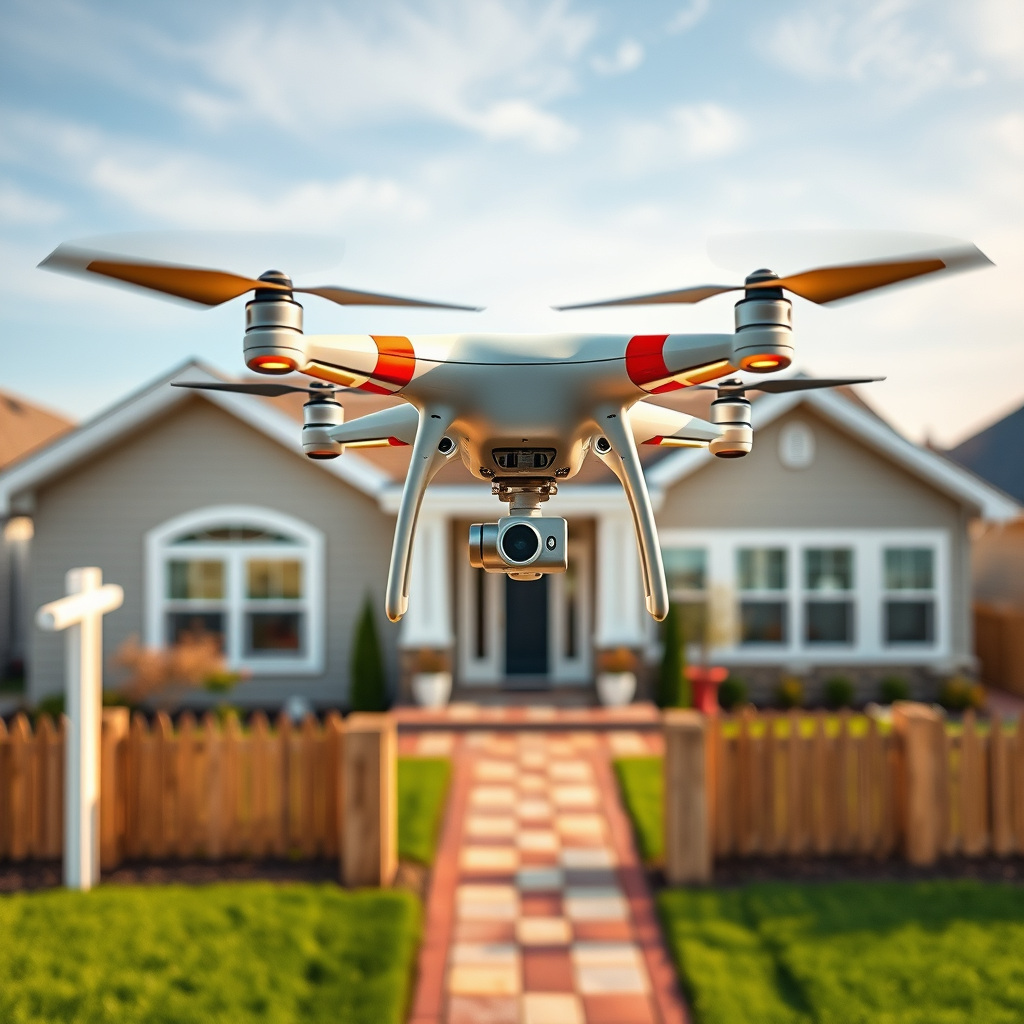
Yes, you can shoot down a drone over your property, but it is illegal in many jurisdictions and can carry significant legal consequences. Instead of resorting to extreme measures, it’s essential to understand the laws surrounding drone use and your rights as a property owner. As drones become more prevalent, many individuals are left feeling vulnerable to privacy invasions or nuisances, prompting the question of how to handle these situations effectively and lawfully.
Understanding Drone Laws
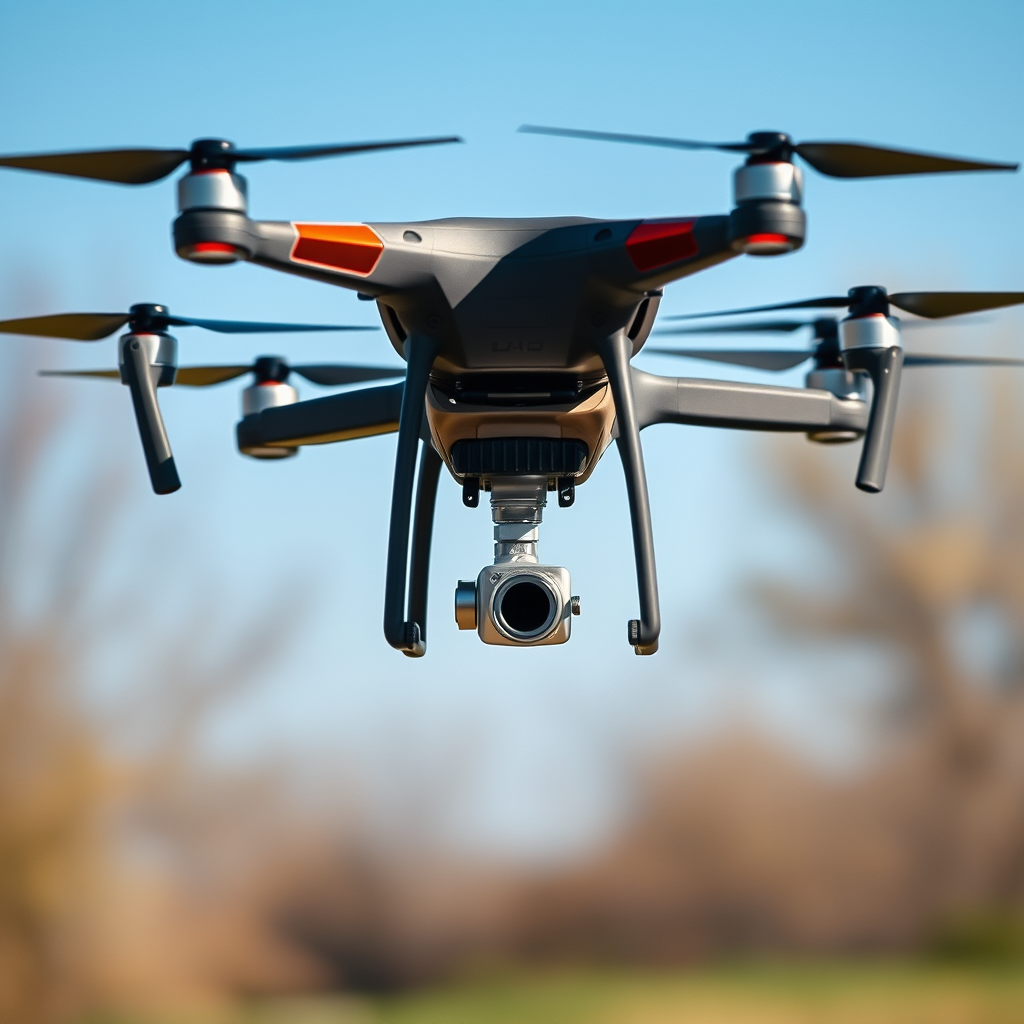
Federal regulations govern drone usage primarily through the Federal Aviation Administration (FAA). The FAA has established a framework that dictates where and how drones can operate, including height restrictions, no-fly zones, and operational guidelines for commercial versus recreational use. For example, drones are generally prohibited from flying above 400 feet in controlled airspace without prior authorization.
Local laws may vary significantly, as some states or municipalities have enacted their own regulations concerning drone operations. In some areas, there are specific stipulations regarding privacy and property rights. For instance, California has stringent laws that limit drone surveillance over private property, while other states may not have explicit regulations. Property owners should familiarize themselves with both federal and local laws to understand their rights comprehensively and avoid potential conflicts.
Property Rights and Airspace
Property owners have rights to the airspace above their land, but these rights are limited. The legal definition of “navigable airspace,” which typically extends to about 500 feet above ground level, complicates property rights. This means that while you may have ownership of the land beneath, you do not necessarily control all airspace above it. As a result, drones that operate at legal altitudes might not infringe upon your property rights, even if they are within your line of sight.
The complexities of airspace rights highlight the importance of context. For example, if a drone is hovering just above your property but below the legal navigable airspace, it might not constitute a violation of your rights. Conversely, if a drone is flying lower and causing a nuisance or invading your privacy, you may have grounds to take action.
Consequences of Shooting Down a Drone
Shooting down a drone can lead to severe consequences, including criminal charges. This act is often classified as destruction of property, as the drone is typically owned by another individual or entity. Depending on the jurisdiction, the penalties can range from fines to potential felony charges, particularly if the action is deemed reckless or endangers public safety.
Moreover, civil lawsuits may arise if the drone owner seeks damages for the loss of their equipment. Legal battles could be costly and time-consuming, resulting in financial burdens far exceeding the perceived benefit of shooting down the drone. Additionally, if the drone was recording at the time it was shot down, the incident could attract more attention, complicating your legal standing.
Alternative Actions to Take
Consider contacting local law enforcement if a drone is invading your privacy. Law enforcement officials are equipped to handle such situations and can investigate whether the drone operator is violating any laws or regulations. Furthermore, many police departments have established guidelines for reporting drone-related incidents, allowing you to communicate your concerns effectively.
Using physical barriers or privacy measures to deter unwanted drone activity is another proactive approach. For instance, installing privacy screens, tall fences, or employing landscaping techniques can help shield your property from aerial surveillance. Additionally, some property owners have reported success with devices designed to disrupt drone signals, though the legality of such devices can vary, so research is essential.
Reporting Drone Incidents
Familiarize yourself with local authorities or drone reporting hotlines relevant to your area. Many jurisdictions have established channels through which individuals can report drone-related concerns. This may include local police departments, aviation authorities, or dedicated drone task forces.
Documenting incidents with photographs or videos for evidence is crucial in these situations. Capturing detailed information about the drone’s flight path, behavior, and any potential violations can bolster your case if you need to escalate the matter. This documentation can serve as invaluable evidence when reporting the incident or pursuing legal action.
Drone Privacy and Ethics
Understanding the ethical implications of drone usage and privacy invasion is essential for fostering a respectful community dialogue. Drones can serve valuable purposes, such as aerial photography, surveying land, or monitoring wildlife. However, when used irresponsibly, they can infringe upon personal privacy and create discomfort for property owners.
Engaging in community discussions about drone regulations and safety can help establish a balanced approach to drone usage. Local forums, city council meetings, or neighborhood associations can provide platforms for individuals to voice their concerns and advocate for responsible drone operation within residential areas. Constructive dialogue can lead to the development of guidelines that protect both drone enthusiasts and property owners.
In conclusion, while shooting down a drone may seem like a viable option for addressing privacy concerns, it is fraught with legal risks and potential consequences. Understanding the intricacies of drone laws, property rights, and the repercussions of extreme actions is crucial for property owners. By exploring alternative solutions and remaining informed about your rights and responsibilities regarding drone activity, you can navigate this complex landscape more effectively. If you have ongoing concerns, consider reaching out to legal professionals or local authorities for guidance and support.
Frequently Asked Questions
Can I legally shoot down a drone that is flying over my property?
Legally shooting down a drone that is over your property is generally not permitted. In most jurisdictions, discharging a firearm or using any weapon to destroy a drone can lead to severe legal consequences, including criminal charges. Instead, it is advisable to report the drone to local law enforcement or aviation authorities who can handle the situation in accordance with aviation laws.
What should I do if a drone is invading my privacy?
If a drone is invading your privacy, the first step is to document the incident by taking photos or videos of the drone and its flight path. You can then contact local authorities or the Federal Aviation Administration (FAA) to report the invasion of privacy, as many areas have regulations against drone surveillance. Additionally, consider discussing the issue with the drone owner if you feel safe doing so, as they may be unaware of their drone’s behavior.
How can I deter drones from flying over my property?
There are several effective methods to deter drones from flying over your property. You can use physical barriers, like privacy fences or trees, to obstruct the drone’s line of sight. Some homeowners also opt for anti-drone technology, such as signal jammers or drone detection systems, although these options can be costly and may have legal restrictions. Additionally, placing signs indicating “No Drone Zone” can serve as a deterrent to potential drone operators.
Why are drones allowed to fly over private property?
Drones are generally allowed to fly over private property if they adhere to FAA regulations, primarily because airspace above properties is considered public. The FAA has established guidelines that allow recreational and commercial drone flights as long as they do not violate privacy laws, trespass, or cause disturbances. This legal framework aims to balance the interests of drone operators and property owners, but it can lead to conflicts regarding privacy and property rights.
What are the penalties for shooting down a drone?
The penalties for shooting down a drone can vary widely depending on local and federal laws, but they can include hefty fines, criminal charges, or civil liability for damages caused to the drone or its owner. In many cases, the act of shooting down a drone can be classified as destruction of property or reckless endangerment, leading to serious legal repercussions. It is crucial to understand the laws in your area regarding drone use and take appropriate actions that comply with legal standards.
References
- https://en.wikipedia.org/wiki/Drone_regulation_in_the_United_States
- https://www.faa.gov/uas/getting_started/
- https://www.nolo.com/legal-encyclopedia/are-drones-your-property-what-you-need-know-29591.html
- https://www.abc.net.au/news/2020-01-09/can-you-shoot-a-drone-down-over-your-property/11867154
- https://www.theguardian.com/technology/2019/jun/07/can-you-shoot-a-drone-down-over-your-property-legal-experts
- https://www.ncsl.org/research/telecommunications-and-information-technology/state-drone-laws.aspx
- https://www.lawfareblog.com/can-you-shoot-drone-your-property-what-law-says
- https://www.mercurynews.com/2019/09/14/can-you-shoot-a-drone-down-if-it-flys-over-your-property-heres-what-the-law-says/
