
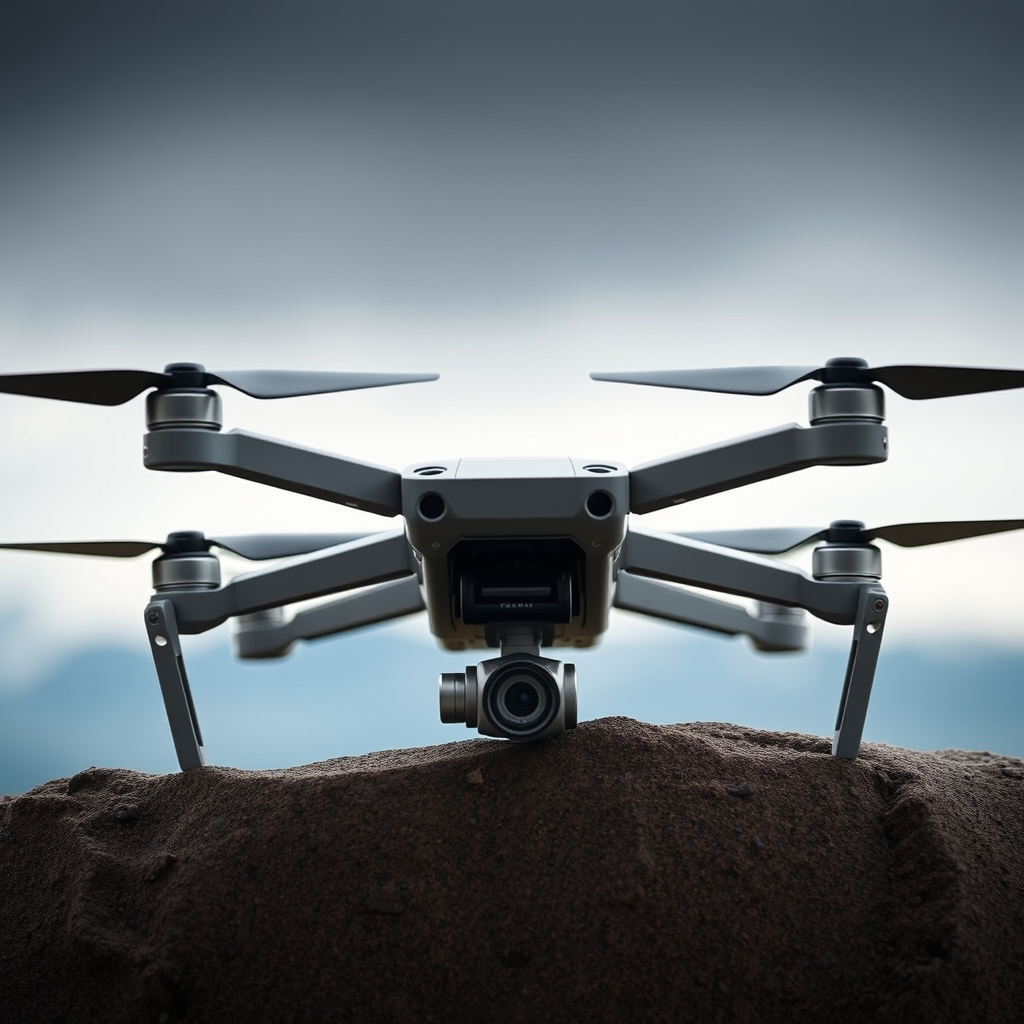
Yes, you can shoot a drone in Montana under certain circumstances, but it’s essential to understand the legal implications and risks involved. The state adheres to federal drone regulations established by the Federal Aviation Administration (FAA), while also having its own set of laws that may vary by locality. Therefore, before taking any action against a drone, it is crucial to be well-informed about the specific laws and potential consequences associated with such actions.
Understanding Drone Laws in Montana
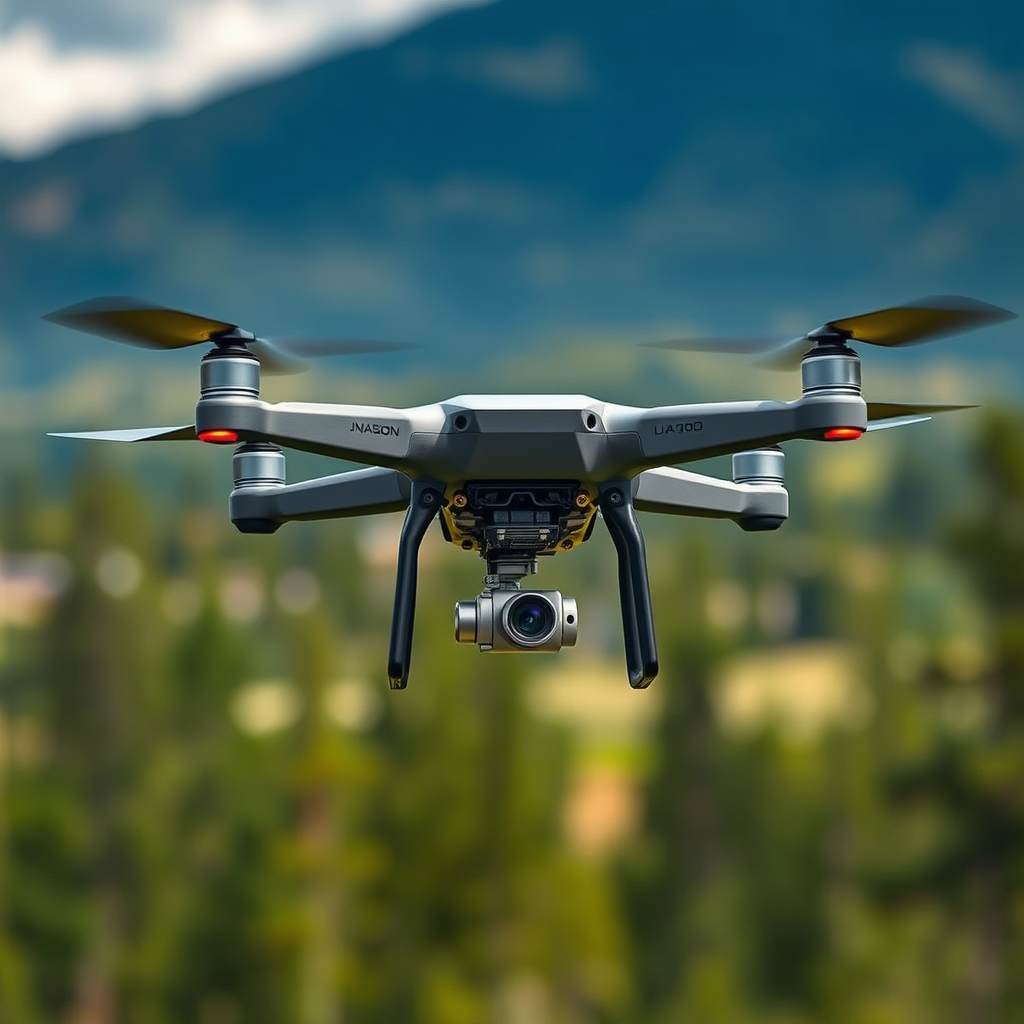
Montana follows the federal regulations set forth by the FAA, which govern the operation of drones across the United States. The FAA restricts the use of firearms against drones, primarily to ensure safety and to minimize risks to the public and property. In addition to federal rules, local laws may impose additional restrictions on drone usage and the response to unauthorized drone activity. For instance, certain counties and cities may have specific ordinances regarding the shooting of drones or the use of weapons in populated areas. It is essential for residents to familiarize themselves with these local regulations to avoid legal complications.
Furthermore, as drone technology continues to evolve, so too do the regulations surrounding their use. Keeping abreast of changes in both federal and state laws is imperative for anyone considering taking action against a drone. Engaging with local law enforcement or legal experts can provide clarity on these evolving regulations.
When Is It Legal to Shoot a Drone?
Shooting a drone is generally illegal unless it poses an imminent threat to safety, privacy, or property. In Montana, self-defense laws may apply if a drone is invading an individual’s personal space or if it is being used in a manner that endangers safety, such as spying or harassment. For example, if a drone is hovering over a private residence and capturing footage without consent, the owner may have grounds to consider it a violation of their privacy.
However, it’s crucial to note that the definition of “imminent threat” can be subjective and may vary from one case to another. Engaging law enforcement or legal counsel before taking any action against a drone is advisable to ensure compliance with the law.
Potential Consequences of Shooting a Drone
The repercussions of shooting a drone can be severe, including legal consequences such as fines, criminal charges, and civil liabilities. For instance, discharging a firearm in a populated area can lead to charges related to reckless endangerment. Additionally, if the drone belongs to someone else, shooting it down may result in property damage claims against the shooter, as drones are considered personal property.
Moreover, the act of shooting a drone can lead to unintended consequences, such as injuring bystanders or damaging nearby structures. Such incidents could result in lawsuits, further compounding the legal troubles for the individual who discharged the firearm. Therefore, it’s essential to weigh the potential risks against the perceived threat posed by the drone.
Alternative Solutions to Manage Drones
Rather than resorting to extreme measures like shooting a drone, individuals have several alternative options to address their concerns. One of the most effective approaches is to contact local authorities or law enforcement, who are trained to handle situations involving unauthorized drone activity. Reporting the drone can help ensure that proper protocols are followed without escalating the situation.
Additionally, technology offers various solutions for managing drone activity. For example, drone jammers and signal blockers can disrupt drone signals in certain areas. However, it is vital to note that the legality of these devices varies by jurisdiction, and their use may still be subject to federal regulations. Consulting with legal resources before utilizing such technology is advisable to avoid potential violations.
The Impact of Shooting a Drone on Wildlife and Environment
The act of shooting a drone can have broader implications beyond individual safety concerns. For instance, firearms discharging in natural areas can disrupt local wildlife and their habitats. Many drones are used for recreational purposes, including wildlife photography and monitoring. Shooting a drone may inadvertently affect these activities and the ecosystems they are intended to observe or protect.
Furthermore, the environmental impact of using firearms in natural settings should not be overlooked. Lead bullets can contaminate soil and water, posing risks to wildlife and plant life. Thus, considering the ecological consequences of shooting a drone is essential for those who value Montana’s pristine landscapes and wildlife.
Public Perception and Community Response
Shooting a drone may lead to public safety concerns, especially in densely populated areas. The act can create fear and anxiety among community members who may be unaware of the circumstances leading to such an action. To foster a supportive and understanding community atmosphere, engaging with neighbors and local residents about drone-related issues is beneficial.
Community forums or neighborhood meetings can serve as platforms for discussing concerns about drone use and exploring collective solutions. Establishing open lines of communication can help mitigate conflicts and lead to more amicable resolutions without resorting to drastic measures.
In conclusion, while shooting a drone in Montana may seem like a viable option in certain situations, it comes with significant legal and ethical considerations. Individuals should be well-informed about both federal and local laws before taking any action against a drone. Exploring alternative solutions, such as engaging law enforcement or utilizing technology, can often lead to more effective and less risky outcomes. Ultimately, fostering community dialogue around drone usage and concerns can pave the way for collaborative solutions that respect both personal space and the rights of drone operators.
Frequently Asked Questions
What are the drone regulations in Montana for recreational use?
In Montana, recreational drone users must adhere to FAA regulations, which include flying below 400 feet, keeping the drone within visual line of sight, and not flying near airports or in restricted airspace. Additionally, state parks and certain wildlife areas may have specific restrictions, so it’s essential to check local laws and regulations before flying your drone.
How can I fly my drone legally in Montana’s state parks?
To fly a drone legally in Montana’s state parks, you must first obtain permission from the Montana State Parks office, as many parks have specific rules regarding drone use. Additionally, you are required to follow FAA regulations and respect wildlife and other visitors by not flying in sensitive areas, especially during nesting season for birds and other animals.
Why do I need to register my drone in Montana?
Registering your drone in Montana is necessary to comply with FAA regulations, which require all drones weighing over 0.55 pounds to be registered. Registration helps ensure accountability and safety, allowing authorities to track ownership in case of incidents. It also informs drone pilots about the operational guidelines to promote responsible flying practices.
What are the best locations to fly a drone in Montana?
Some of the best locations to fly a drone in Montana include Glacier National Park, Flathead Lake, and the vast open landscapes of the Missouri River Breaks. These areas offer stunning natural scenery ideal for aerial photography and videography. However, always check for specific regulations or restrictions in these areas before flying your drone.
Which permits do I need to film with a drone commercially in Montana?
To film commercially with a drone in Montana, you need to obtain a remote pilot certificate from the FAA, which requires passing a knowledge test. Additionally, you may need to secure a permit from the local governing body or land management agency if you plan to shoot in specific locations, such as state parks or federal lands. Always ensure you follow both state and local regulations to operate legally.
References
- https://en.wikipedia.org/wiki/Drone#Regulation
- https://www.faa.gov/uas/getting_started/
- https://www.nolo.com/legal-encyclopedia/drone-laws-montana-367632.html
- https://www.mt.gov/
- https://www.nbcnews.com/technology/whats-legal-drone-use-rcna107360
- https://www.wyomingnews.com/news/montana-drone-law-aims-to-clarify-use-and-ownership-of-drones/article_bba3b4c2-29e4-11eb-9cc7-8be5c0ae8b78.html
