
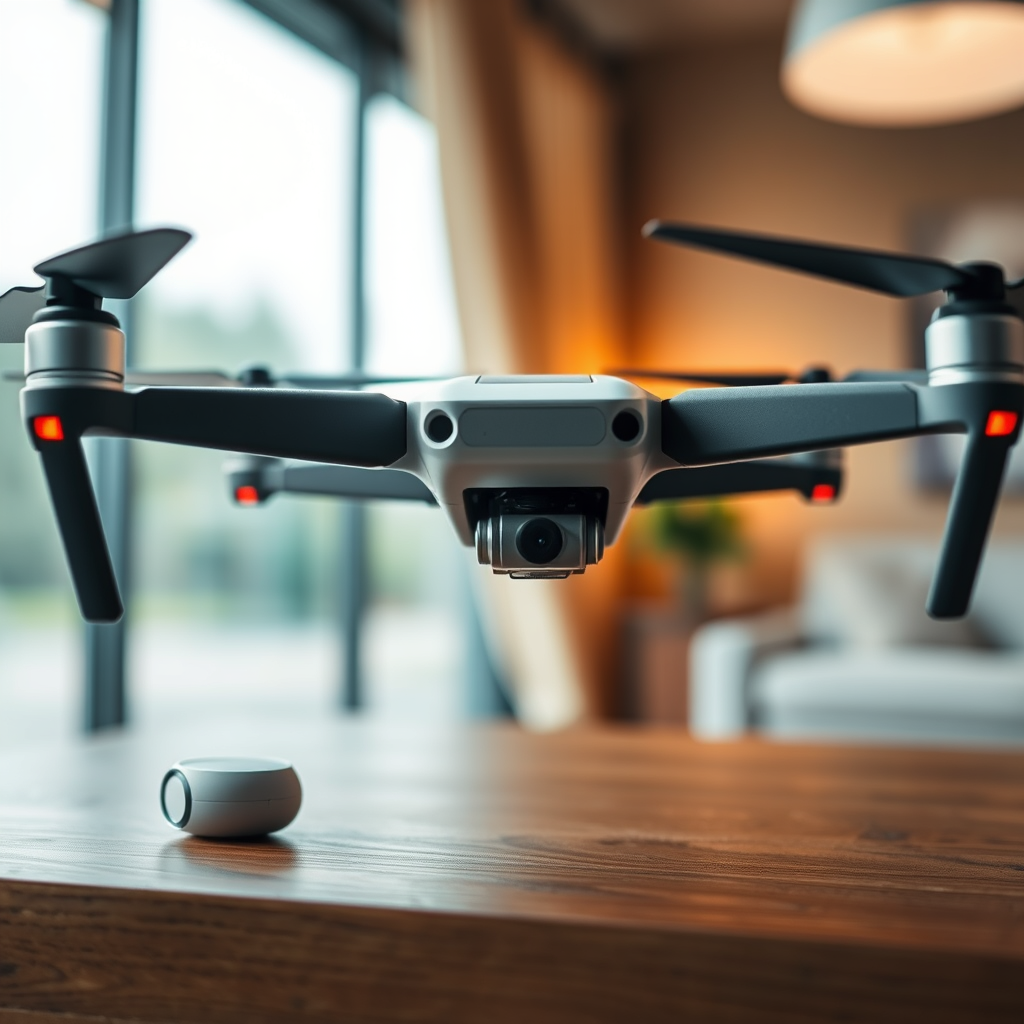
Yes, in Texas, shooting a drone is illegal under most circumstances. Understanding the specific laws and regulations surrounding drone usage and property rights is essential for anyone concerned about privacy or safety. This article provides a comprehensive overview of Texas drone laws, personal property rights, privacy concerns, legal consequences of shooting a drone, alternatives to consider, and recent case studies that highlight the complexities of this issue.
Understanding Texas Drone Laws

Texas law is clear regarding the use of firearms: they cannot be used to destroy drones in most situations. The Texas Penal Code, along with various local ordinances, prohibits the discharge of firearms in urban areas and restricts shooting at any airborne object unless in self-defense. Furthermore, federal regulations enforced by the Federal Aviation Administration (FAA) impose strict guidelines on drone operation and interference with manned aircraft. These regulations are designed to ensure the safety of airspace and protect the rights of both drone operators and the public.
For instance, the FAA requires drone operators to register their drones if they weigh more than 0.55 pounds and mandates adherence to specific operational guidelines, such as maintaining visual line-of-sight and flying below 400 feet. Violating these regulations can result in civil penalties, reinforcing the importance of understanding both state and federal laws before taking any action against a drone.
Personal Property Rights
Property owners do have certain rights to protect their property from trespassing drones; however, these rights are limited and must be exercised in accordance with state and federal laws. In Texas, the law recognizes that property owners can take reasonable steps to safeguard their property from trespassers, including drones that may infringe on their airspace.
However, any measures taken must be proportionate and legally justified. For example, property owners may employ deterrents like privacy screens or other non-destructive means to address their concerns about drone surveillance. Resorting to actions such as shooting at a drone can lead to legal complications, including criminal charges or civil lawsuits. Therefore, understanding the boundaries of property rights is crucial for anyone considering action against a drone.
Privacy Concerns
The rise of drones equipped with high-resolution cameras has heightened privacy concerns across Texas and the broader United States. Drones can easily capture images or video footage of private property without consent, leading to potential privacy violations. Although Texas has laws in place addressing invasion of privacy, such as the Texas Privacy Act, simply shooting down a drone is not considered a legally acceptable response.
Individuals who feel their privacy is being compromised should explore legal avenues rather than resorting to violence. For instance, documenting the drone’s activity and reporting it to local law enforcement can be an effective way to address privacy infringements. Additionally, individuals may also seek injunctions or protective orders if they believe a drone is persistently violating their privacy rights.
Legal Consequences of Shooting a Drone
The consequences of shooting a drone can be severe and multifaceted. Individuals who discharge a firearm at a drone risk facing criminal charges, including reckless endangerment or unlawful discharge of a weapon. In Texas, such actions can lead to misdemeanor or felony charges, depending on the circumstances and potential harm caused to people or property.
Moreover, individuals caught shooting at drones may also face civil lawsuits from drone operators. These lawsuits could seek damages for the destruction of property or emotional distress. The potential fines and liabilities make it crucial for property owners to reconsider their options and avoid actions that could lead to significant legal repercussions.
Alternatives to Shooting a Drone
Instead of resorting to shooting a drone, there are several effective alternatives that individuals can consider. If a drone poses a genuine threat or is believed to be invading privacy, reporting the matter to local law enforcement is a responsible first step. Law enforcement agencies are trained to handle such situations and can investigate the matter properly.
Additionally, individuals may explore non-violent deterrents, such as drone jamming devices or privacy screens. Drone jamming devices can disrupt a drone’s operation temporarily, causing it to return to its operator, but their legality varies by jurisdiction and may be subject to federal regulations. Privacy screens can also help mitigate unwanted surveillance by obstructing a drone’s line of sight.
Recent Case Studies
Several notable incidents in Texas have illustrated the complexities and legal challenges associated with shooting down drones. One such case involved a property owner in a rural area who attempted to shoot down a drone that was allegedly hovering over his property. The incident resulted in criminal charges due to the reckless endangerment of nearby individuals and property.
Another case involved a Texas couple who filed a lawsuit against a drone operator after claiming the drone invaded their privacy while capturing images of their home. The lawsuit highlighted the nuances of privacy laws in Texas and served as a reminder of the importance of pursuing legal channels rather than taking matters into one’s own hands.
These cases have shaped public perception regarding drone use and the legal implications of taking action against them. They underscore the necessity for individuals to stay informed about both their rights and the legal boundaries that govern drone operation.
Resources for Drone Operators and Property Owners
For those interested in navigating the complexities of drone laws in Texas, there are numerous resources available. Websites such as the Texas Department of Transportation (TxDOT) provide information on local regulations governing drone use, including registration requirements and operational guidelines. Additionally, the FAA’s website offers comprehensive resources for drone education, ensuring operators are aware of best practices and compliance measures.
Local community workshops and online courses can also provide valuable insights for both drone operators and property owners. Engaging with these resources can help foster a better understanding of drone technology and the legal landscape surrounding its use.
In conclusion, while the impulse to shoot a drone may arise from legitimate concerns about privacy and safety, it is essential to recognize the legal implications of such actions. Understanding Texas’s drone laws, personal property rights, and privacy concerns can empower individuals to take appropriate and lawful action. Exploring alternatives and utilizing available resources can lead to more effective resolutions without the risks associated with discharging a firearm. Always consider consulting legal resources or authorities before taking any action against a drone to ensure compliance with the law.
Frequently Asked Questions
What are the legal requirements for flying a drone in Texas?
In Texas, drone operators must adhere to both federal and state regulations. At the federal level, you must register your drone with the FAA if it weighs over 0.55 pounds and comply with the Part 107 rules if using it for commercial purposes. Additionally, Texas law prohibits flying drones over certain areas, such as critical infrastructure and state parks, without permission. It’s essential to stay updated on local ordinances and the FAA’s regulations to ensure a legal flying experience.
How high can you legally fly a drone in Texas?
The FAA regulations allow drone pilots in Texas to fly at altitudes up to 400 feet above ground level in uncontrolled airspace. However, if you’re near a tower or building, you must not exceed the height of that structure plus an additional 400 feet. Always check for restricted airspaces, such as near airports or military installations, where flying may be limited or prohibited.
Why is it important to check airspace restrictions before flying a drone in Texas?
Checking airspace restrictions is crucial for maintaining safety and compliance with aviation regulations. Certain areas in Texas, particularly around airports, military bases, and urban zones, have specific restrictions due to the risk of interference with manned aircraft. By being aware of these restrictions, you can avoid potential fines, legal issues, and dangerous situations while ensuring the safety of both your drone and the airspace.
What are the best practices for flying a drone safely in Texas?
Safe drone operation in Texas includes a few best practices: always maintain visual line-of-sight with your drone, avoid flying over crowds or private property without permission, and respect the privacy of others. Additionally, ensure that your drone is in good working condition, regularly check the weather, and avoid flying in adverse conditions. These practices will help you have a successful and enjoyable flying experience while minimizing risks.
Which organizations or resources can help me learn more about drone regulations in Texas?
Several organizations provide valuable resources for drone operators in Texas, including the Federal Aviation Administration (FAA), which offers comprehensive guidelines and updates on regulations. Local drone clubs and organizations, such as the Texas Drone Coalition, can also provide insights and networking opportunities. Additionally, websites like the Drone Pilots Association offer educational resources and community support to help you navigate the complexities of drone flying legally and safely.
References
- https://www.wfaa.com/article/news/local/texas-legislation-drone-laws/287-9c1b8f2c-8b7c-41f9-91df-9e0c8f4f5d3e
- https://www.faa.gov/uas/resources/policy_library
- https://www.txdot.gov/government/legislative/2019/session/faq-drone.html
- https://www.texastribune.org/2021/06/17/texas-drone-laws/
- https://www.washingtonpost.com/technology/2020/07/10/drones-texas-law-enforcement/
- https://www.nolo.com/legal-encyclopedia/drone-laws-texas-32643.html
