
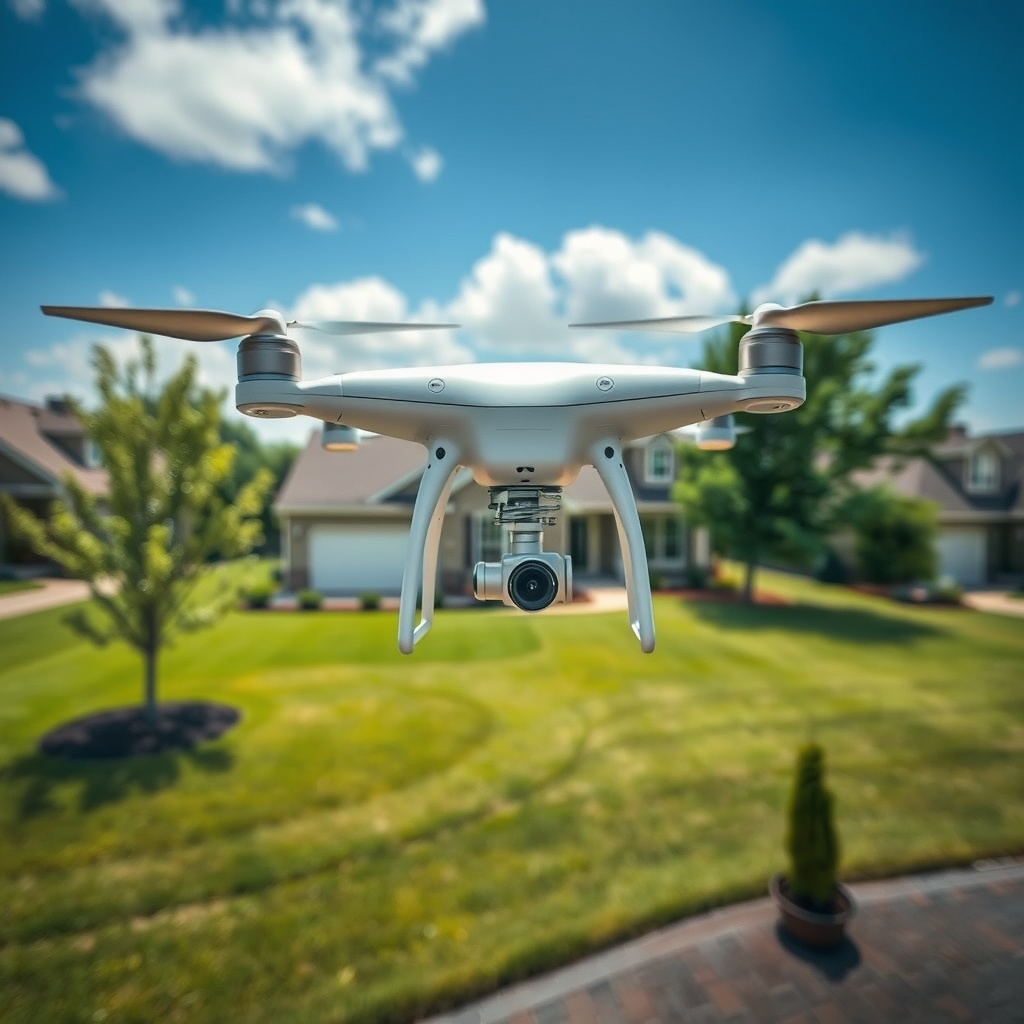
Yes, you can shoot a drone over your property in Iowa, but it comes with significant legal and safety considerations. While property owners may feel justified in defending their privacy and property rights, the complexities of drone laws and potential repercussions make such actions risky. Understanding the legal framework surrounding drones and property rights is essential to avoid unintended legal consequences.
Understanding Drone Laws in Iowa
Iowa law grants property owners certain rights concerning aerial trespass, which can include unauthorized drone flights. According to Iowa Code Section 657.1, any person who enters or remains unlawfully on another’s property can be charged with trespassing. However, the legal landscape regarding drones is further complicated by federal regulations. The Federal Aviation Administration (FAA) has jurisdiction over navigable airspace, which includes airspace above private property. This means that while you might have a claim against a drone operator for trespassing, the FAA’s regulations can supersede local laws, complicating the matter. For instance, drones are generally permitted to fly in airspace up to 400 feet above ground level, which is often above the height that property owners can claim. Therefore, any response to a drone flying overhead must account for these federal regulations.
Property Rights and Airspace
Property rights traditionally extend vertically above a landowner’s property to a certain height. However, legal interpretations of these rights can vary significantly, especially concerning drones. Courts have often ruled that property owners have rights to the airspace above their land only to the extent necessary for the use and enjoyment of their property. For example, structures like trees or buildings may block aerial views, but drones flying at higher altitudes may not be considered trespassing. The Federal Aviation Administration has set forth regulations that allow drones to operate in public airspace, which means that while a drone may be flying over your land, it may not necessarily be violating any laws. This gray area can lead to confusion and disputes, especially when property owners feel their privacy is being invaded.
Potential Legal Consequences
Shooting down a drone can result in severe legal repercussions. Most notably, it may lead to criminal charges for destruction of property, as the drone itself is often considered a vehicle or personal property of its operator. If the drone is damaged or destroyed, the owner may pursue civil action against the individual who shot it down, claiming damages. Furthermore, if someone is injured as a result of shooting at a drone, the shooter could face liability for those injuries. Legal experts warn that even if a drone is perceived as trespassing, taking drastic measures like shooting it down can lead to a complicated legal battle, potentially resulting in significant financial and legal penalties.
Alternatives to Shooting a Drone
Before resorting to extreme measures, there are several non-destructive alternatives that property owners can consider if a drone is intruding upon their privacy. One option is to contact local authorities, providing them with details about the drone’s behavior, location, and any potential violations of local ordinances. Law enforcement agencies are equipped to handle such situations and can investigate whether the drone operator is violating any laws. Additionally, property owners might consider using non-destructive methods to disable or deter drones, such as signal jammers, where such devices are legal. However, it is essential to check state and federal regulations regarding the use of signal jamming equipment, as it may also be illegal.
Safety Considerations
Shooting a drone is not only legally questionable but also poses significant safety risks to people and property in the vicinity. Drones are often made from lightweight materials, but they can still cause injury if they fall or crash as a result of being shot. Furthermore, stray bullets can pose a grave danger to bystanders, properties, and wildlife in the area. Responsible firearm use is paramount, and individuals should be acutely aware of local firearms laws and regulations before taking any action. Engaging in reckless behavior to address a perceived threat can escalate the situation and lead to unintended consequences, both legally and personally.
Reporting Drone Incidents
If you find a drone violating your privacy or safety, it is crucial to document the incident. Take note of the drone’s make and model, its flight patterns, and any other relevant details. Photographs or video evidence can be helpful when reporting the incident to local authorities. Familiarizing yourself with local drone regulations is also essential, as different municipalities may have specific rules governing drone operations. By understanding these regulations, you can ensure that you are correctly reporting any violations and advocating for your rights effectively. In many cases, local authorities can take action against drone operators who are violating privacy laws or operating in restricted areas.
In conclusion, while you technically can shoot a drone over your property in Iowa, the potential legal repercussions and safety issues make it a risky choice. Understanding the complexity of drone laws and the implications of your actions is crucial. Before taking any drastic measures, consider safer, legal alternatives and stay informed about drone regulations to protect your rights effectively. Engaging in constructive dialogue with authorities and understanding your options can help you navigate the challenges posed by unauthorized drone flights while safeguarding your property and peace of mind.
Frequently Asked Questions
Can I legally fly a drone over my property in Iowa?
Yes, you can legally fly a drone over your property in Iowa, but you must adhere to both federal and state regulations. The Federal Aviation Administration (FAA) governs airspace use and requires drone operators to follow guidelines, such as keeping the drone within visual line of sight and not exceeding 400 feet in altitude. Additionally, ensure that your drone is registered if it weighs over 0.55 pounds and that you operate it in a safe manner to avoid any potential issues.
What are the restrictions for flying drones in Iowa?
In Iowa, drone operators must comply with federal regulations set by the FAA, as well as any local laws that may apply. Key restrictions include flying near airports, flying over crowds, and operating at night without proper lighting. Furthermore, it’s essential to respect privacy laws; capturing images or videos of individuals without their consent can lead to legal issues. Always check for any specific local ordinances that might impose additional restrictions on drone use.
Do I need a license to fly a drone over my property in Iowa?
In Iowa, you do not need a specific license to fly a recreational drone over your property; however, you must follow FAA guidelines. If you’re flying for commercial purposes, you will need to obtain a Remote Pilot Certificate by passing an FAA exam. Regardless of the purpose, it’s vital to understand and comply with operational safety requirements and local regulations to avoid penalties.
What should I do if my drone crashes on my property?
If your drone crashes on your property, the first step is to assess the situation and ensure that no injuries have occurred. Retrieve the drone safely, avoiding any hazards such as power lines or water. If the drone is damaged, check for battery leaks or other dangerous components before handling it. If the crash affects neighboring properties or involves injury to others, you may need to report the incident to local authorities and inform your insurance provider if applicable.
What are the best practices for flying a drone over residential areas in Iowa?
The best practices for flying a drone over residential areas in Iowa include respecting the privacy of your neighbors, avoiding flight during early morning or late evening hours, and maintaining a distance from crowds and large gatherings. Additionally, always ensure that your drone is in good working condition, and familiarize yourself with the area to avoid obstacles. Lastly, consider notifying your neighbors about your drone activities, which can help prevent misunderstandings and promote goodwill within your community.
References
- https://www.faa.gov/uas/resources/policy_library/media/Drone_Operations_Over_Private_Property.pdf
- https://www.iowadnr.gov/Environmental-Protection/Water-Quality/Water-Resource-Management/Drones
- https://www.ncsl.org/research/transportation/drone-laws.aspx
- https://www.legis.iowa.gov/docs/publications/IH/1119792.pdf
- https://www.iowapublicradio.org/state-government/2021-06-07/iowa-lawmakers-consider-drone-regulations
- https://www.theverge.com/2020/2/26/21153053/drone-laws-iowa-safety-privacy-regulations
- https://www.abcnews.go.com/Technology/drone-laws-state-state-guide/story?id=62840441
