
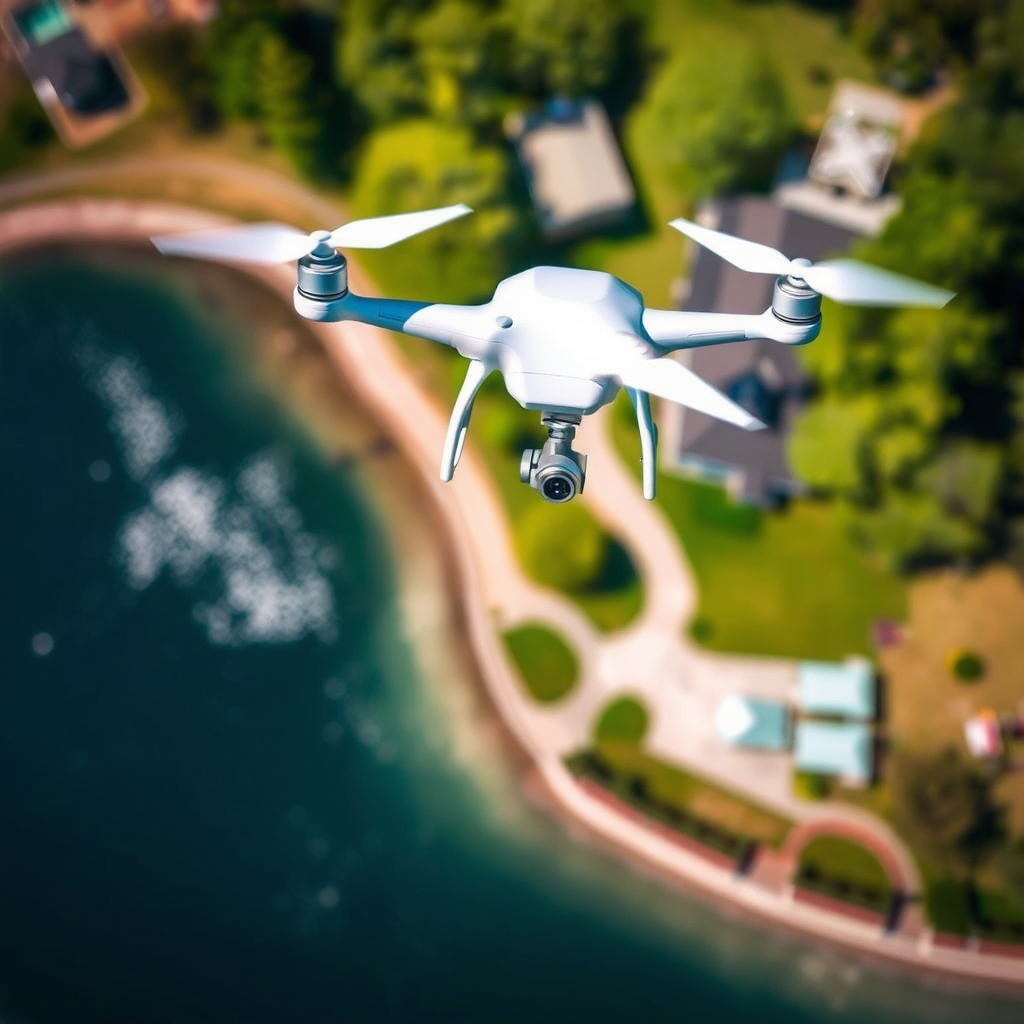
Yes, you can legally fly a drone over your property in Michigan, but there are specific regulations and guidelines you must follow to ensure compliance with local laws. Understanding these rules not only enhances your flying experience but also helps you avoid potential legal complications. As drone technology continues to evolve, it’s essential to familiarize yourself with both federal and state regulations, privacy considerations, airspace restrictions, and best practices for responsible operation.
Understanding Federal Drone Regulations
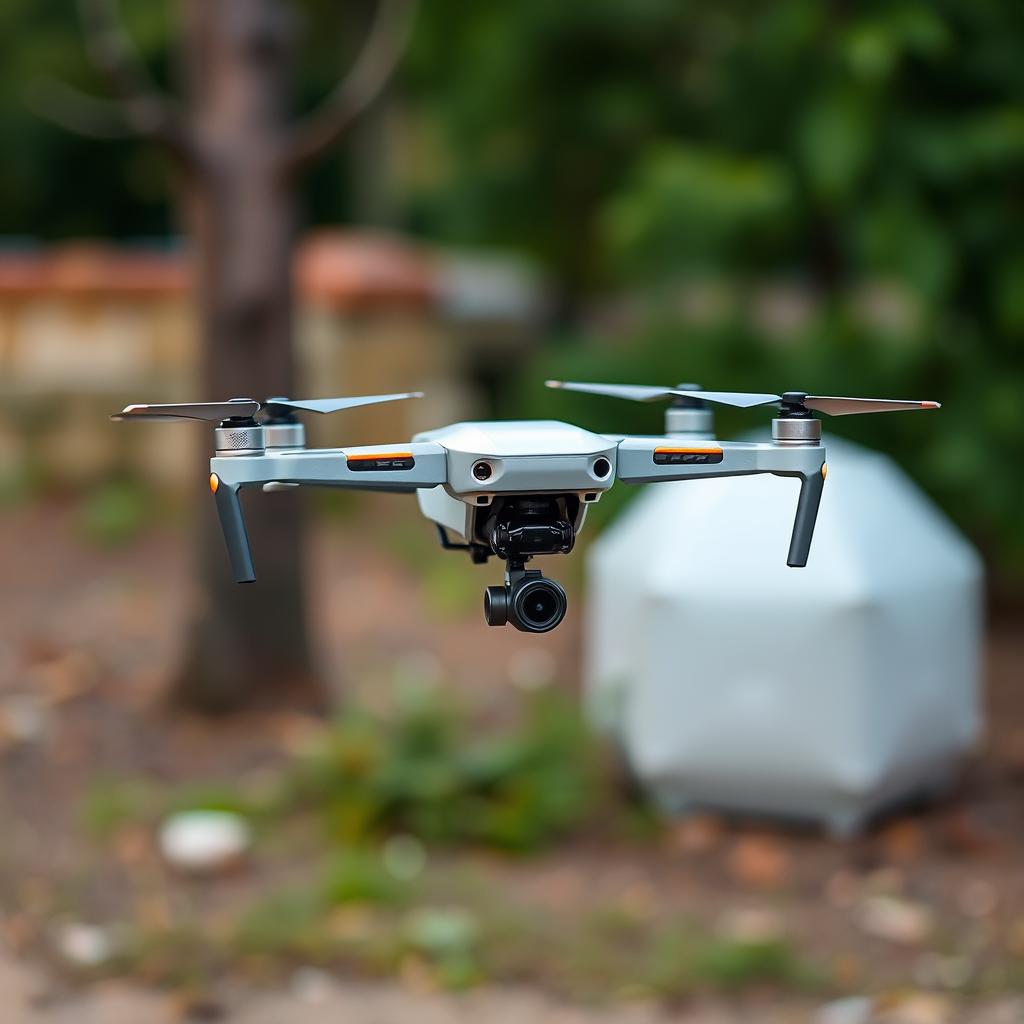
The Federal Aviation Administration (FAA) regulates drone use across the United States, establishing a framework that all drone operators must follow. The FAA categorizes drone operations into two main groups: recreational and commercial. If you are flying your drone for personal enjoyment, you fall under the recreational category, which is governed by the FAA’s guidelines for hobbyist pilots. However, if your drone is being used for commercial purposes, you must adhere to the more stringent Part 107 rules. This includes requirements such as obtaining a Remote Pilot Certificate, conducting pre-flight inspections, and following specific operating procedures, including maintaining visual line-of-sight with the drone and adhering to altitude restrictions.
Additionally, the FAA has initiatives such as the Low Altitude Authorization and Notification Capability (LAANC), which allows drone operators to request approval for flying in controlled airspace near airports quickly. Staying informed on such federal regulations ensures that your drone activities are compliant and safe.
Michigan State Drone Laws
In Michigan, the use of drones is also governed by state laws designed to promote responsible flying while addressing concerns related to privacy and safety. One of the primary laws is the requirement for drone registration. Any drone weighing over 0.55 pounds must be registered with the FAA, and while Michigan does not impose additional state-level registration, local municipalities may have their own regulations.
Local laws can vary significantly, so it is advisable to check with your city or county’s ordinances before flying. For instance, some areas might restrict drone use in public parks or near schools. Understanding these local laws helps you navigate the complexities of drone operation and ensures you remain within legal boundaries.
Privacy Considerations
Privacy is a significant issue when it comes to drone operation, particularly when flying over private property. Michigan law prohibits individuals from using drones to capture images or videos of people on private property without their consent. Violating these privacy rights can lead to legal disputes or civil liability.
To mitigate risks, drone operators should avoid flying over private residences and be mindful of the potential for capturing images of individuals without their permission. If you plan to use your drone for photography or videography, it’s essential to obtain consent from anyone who may be photographed, especially in residential areas. By being respectful of privacy rights, you create a more positive relationship with your neighbors and the community.
Airspace Restrictions
Understanding airspace classifications is crucial for responsible drone operation. The FAA divides airspace into different categories, including controlled and uncontrolled airspace, each with specific rules regarding drone operations. In Michigan, as in other states, drones must not be flown in controlled airspace without prior authorization.
This includes areas near airports, military bases, and other sensitive locations. For example, flying within a five-mile radius of an airport typically requires permission from air traffic control. To ensure compliance with airspace regulations, drone operators can utilize apps and resources that provide real-time airspace information. Being aware of airspace restrictions not only ensures your safety but also minimizes the risk of collisions with manned aircraft.
Best Practices for Flying Drones
To ensure a safe and enjoyable drone flying experience, operators should adopt several best practices. First and foremost, always check local laws and restrictions before flying your drone. This can include researching municipal drone ordinances, checking temporary flight restrictions (TFRs), and understanding any land-use policies in your area.
Additionally, it is recommended to maintain a safe distance from people, vehicles, and structures while flying. The FAA advises keeping at least 25 feet away from individuals to reduce the risk of accidents. Utilizing a pre-flight checklist can help ensure that the drone is in good working order, with fully charged batteries and functioning controls. Following these best practices can significantly enhance safety and compliance during drone operations.
Safety and Liability Issues
Safety is paramount when operating a drone, and understanding potential risks and liabilities associated with drone accidents is essential. If your drone crashes and causes injury or property damage, you may be held liable. Therefore, obtaining appropriate insurance coverage for your drone activities is a prudent step.
While some homeowners’ insurance policies may cover drone-related incidents, specific drone insurance can provide additional protection tailored to the unique risks associated with flying. Make sure to evaluate your insurance options and consider policies that cover liability, physical damage, and theft. This proactive approach can safeguard you against financial repercussions resulting from unforeseen accidents.
Tips for Responsible Drone Use
Staying informed about updates to drone regulations and local laws is vital for responsible drone use. The drone industry is rapidly evolving, with new rules and technologies emerging frequently. Subscribing to newsletters from the FAA or local drone advocacy groups can help you stay current on changes that may affect your flying experience.
Additionally, joining local drone clubs or online communities can provide valuable insights and advice from experienced operators. These forums can offer opportunities for networking, sharing experiences, and learning from others’ mistakes. Engaging with the drone community can enhance your knowledge and foster responsible drone operation practices.
In conclusion, while flying a drone over your property in Michigan is generally permissible, it’s crucial to stay informed about both federal and state regulations, privacy issues, and safety practices. By adhering to the established guidelines and being respectful of others’ rights and safety, you can enjoy a positive and fulfilling drone flying experience. Always operate your drone responsibly to ensure compliance and avoid potential legal complications, paving the way for a safe and enjoyable hobby.
Frequently Asked Questions
Can I fly a drone over my own property in Michigan?
Yes, in Michigan, you are allowed to fly a drone over your own property, provided you adhere to federal regulations set by the Federal Aviation Administration (FAA). This includes maintaining a maximum altitude of 400 feet and keeping your drone within visual line of sight. Additionally, avoid flying near airports and respect the privacy of your neighbors to prevent potential legal disputes.
What are the regulations for flying drones in Michigan?
In Michigan, drone operators must follow both federal and state regulations. Federal requirements include registering your drone if it weighs more than 0.55 pounds, flying only during daylight hours, and avoiding restricted airspace. Michigan also has specific laws regarding privacy, meaning you cannot use drones to capture images or videos of individuals without their consent, which is essential to consider when flying over your property.
Are there any restrictions on drone use in Michigan state parks?
Yes, many state parks in Michigan have specific restrictions regarding drone use. While some parks may allow drone flying, others may prohibit it entirely to protect wildlife and preserve the natural environment. It’s important to check the specific rules of each park before flying your drone to avoid fines or penalties.
What should I do if my drone flies over my neighbor’s property?
If your drone accidentally flies over your neighbor’s property, it’s best to land it safely as soon as possible to avoid any potential privacy issues. In Michigan, flying a drone over another person’s property can raise legal concerns, especially if it captures images or videos without consent. To minimize conflict, consider discussing your drone usage with your neighbors beforehand and informing them of your intentions.
How can I ensure I’m flying my drone safely and legally in Michigan?
To fly your drone safely and legally in Michigan, start by familiarizing yourself with FAA regulations, including registration requirements and altitude limits. Always conduct a pre-flight check of your drone, choose safe flying locations away from populated areas, and avoid flying near sensitive sites like airports and schools. Additionally, consider joining local drone enthusiast groups or forums for tips and updates on regulations to stay informed and compliant.
References
- https://www.michigan.gov/dnr/things-to-do/recreation/drone-use
- https://www.nolo.com/legal-encyclopedia/drone-law-michigan-367653.html
- https://www.faa.gov/uas/getting_started/part_107/
- https://www.michigan.gov/documents/dnr/Drone_Use_in_Michigan_2017_525633_7.pdf
- https://www.michigan.gov/whitmer/0,9309,7-387-90499_90400-487218–,00.html
- https://www.abc12.com/content/news/Drone-use-in-Michigan-569854721.html
