
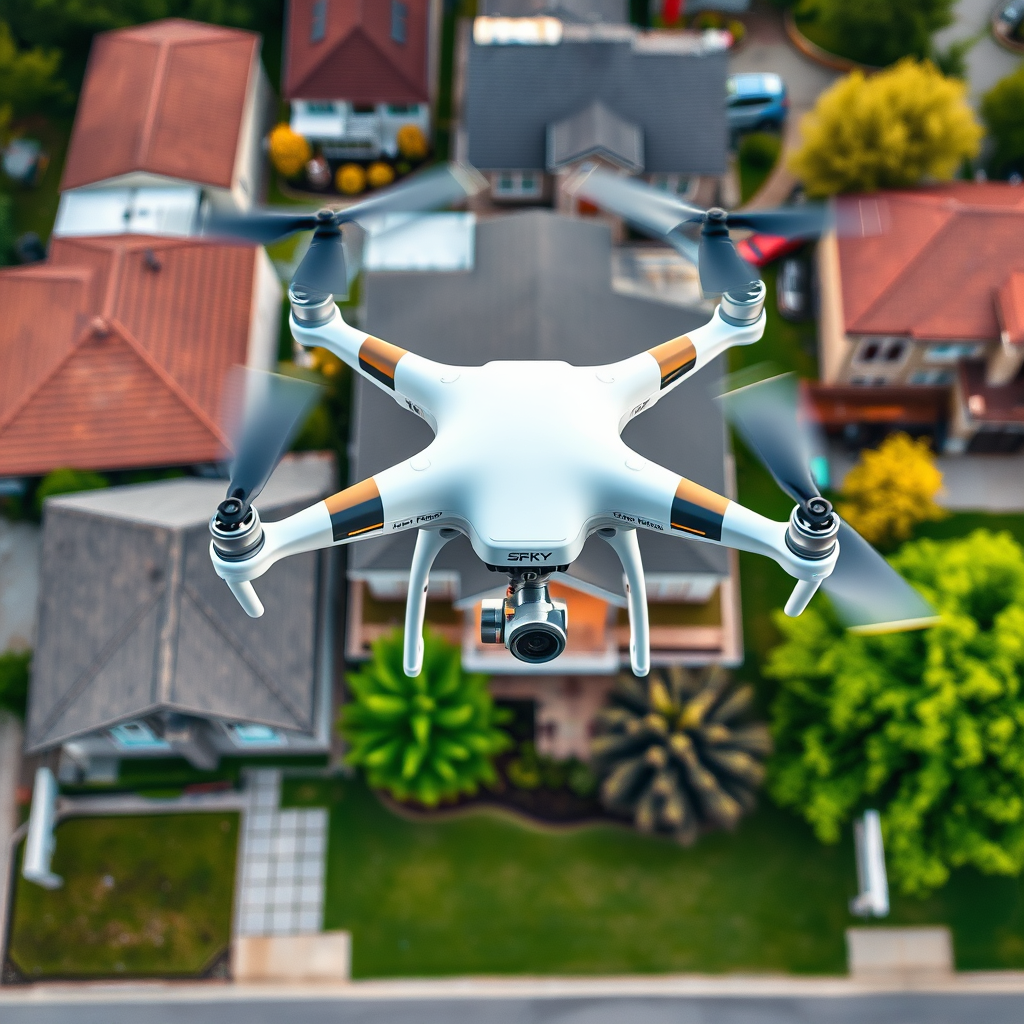
Yes, you can shoot a drone that is flying over your property, but it’s illegal and could lead to severe consequences. Engaging in such an act not only violates federal regulations but also poses significant legal and safety risks that could impact you and others in your vicinity. In this article, we will delve into the legal implications of shooting down a drone, the associated safety concerns, and offer alternatives for handling drones that encroach upon your airspace.
Understanding Drone Laws
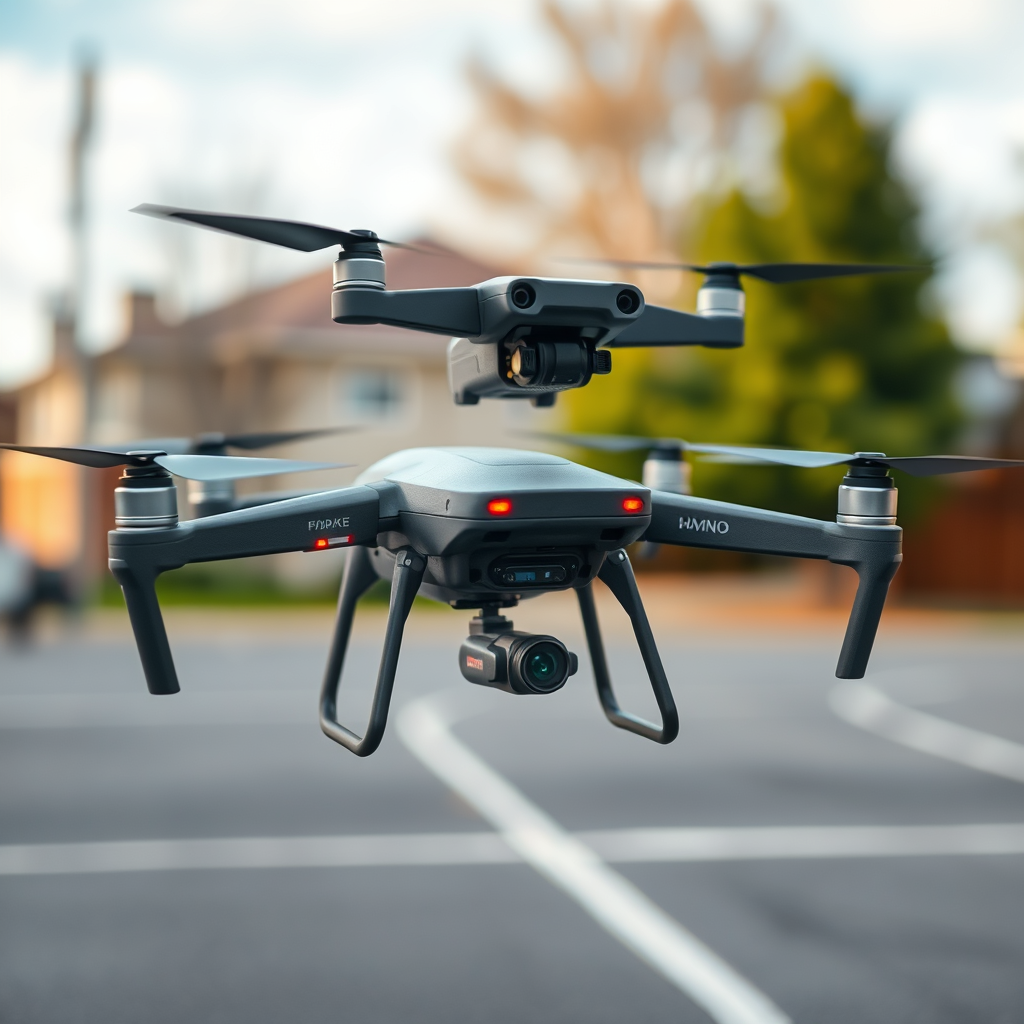
Federal regulations, specifically those established by the Federal Aviation Administration (FAA), prohibit the shooting down of drones. These unmanned aerial vehicles are considered aircraft under the law, and shooting one down could be classified as destruction of property, leading to criminal charges. Moreover, while federal laws provide a baseline, local laws can vary significantly from one jurisdiction to another. This variance means that, in some areas, there may be additional restrictions or specific local statutes that further protect drone operations. Therefore, before taking any action, it is crucial to familiarize yourself with both federal and local regulations governing drone use in your area.
Legal Consequences of Shooting a Drone
The repercussions of shooting down a drone can be severe and multifaceted. Firstly, potential criminal charges could include destruction of property, which is a serious offense that can lead to hefty fines and even imprisonment. Furthermore, if the drone is owned by someone else, you may also face civil liability for damages incurred to the drone’s owner. This could involve compensating for the cost of the drone, any data lost from onboard storage, and potential damages to third parties if the drone was being operated in a manner that could affect others. In a litigious society, the financial burden of such legal consequences can be significant, making it an unwise choice to engage with drones in this manner.
Safety Risks of Shooting a Drone
Beyond the legal ramifications, there are substantial safety risks associated with shooting at a drone. Firearms can malfunction or misfire, leading to unintended consequences, such as injuring bystanders or damaging nearby property. Additionally, in urban environments where homes and public spaces are in close proximity, the risk of stray bullets causing harm increases dramatically. The use of firearms in this context not only endangers individuals but can also create panic, leading to further accidents or incidents. Therefore, the potential for collateral damage makes this approach not only illegal but also reckless.
Alternative Responses to Intrusive Drones
Instead of resorting to extreme measures like shooting, property owners have several alternatives for addressing intrusive drone activity. One effective method is to invest in a drone detection system, which can help monitor the airspace around your property. These systems utilize various technologies to identify drone presence and can alert you to unauthorized UAV activity. If you believe a drone is violating your privacy or is being operated illegally, it’s advisable to contact local authorities. Law enforcement agencies are equipped to handle such situations and can investigate the matter further, ensuring that your concerns are addressed legally and safely.
The Role of Privacy Laws
Privacy laws play a crucial role in the conversation about drones and property rights. Many states have enacted specific legislation to protect individuals from aerial surveillance, especially in cases where a drone is capturing images or videos of private property without consent. Understanding your privacy rights in relation to aerial surveillance is essential for any property owner. If you do feel that a drone is infringing on your privacy, legal recourse may be available, including the possibility of filing a lawsuit for invasion of privacy. Consulting with a legal professional who specializes in aviation or privacy law can provide clarity on your options.
Engaging with Drone Operators
In some cases, it may be possible to engage directly with the drone operator if they are identifiable. Open and respectful communication can often resolve misunderstandings and disputes, as many drone enthusiasts are unaware of the concerns their activities may raise. If you approach the operator calmly and express your concerns, they may be willing to adjust their flight patterns or cease operations in your area. Additionally, exploring mediation or conflict resolution strategies may help alleviate tensions and foster a better understanding between neighbors, making it a proactive approach to resolving disputes.
Future of Drone Regulations
As drone technology continues to evolve, so too do the discussions surrounding drone legislation and privacy rights. Ongoing debates among lawmakers, industry stakeholders, and the public indicate that changes in laws may be forthcoming, particularly as drones become more commonplace in everyday life. Potential updates to regulations could enhance the rights of property owners, providing clearer guidelines on acceptable drone use and privacy protections. Staying informed about these developments is crucial for property owners who wish to protect their rights and ensure their safety.
In summary, while you technically can shoot a drone flying over your property, the legal and safety implications make it a poor choice. The consequences, including criminal charges and potential harm to yourself or others, outweigh the perceived benefits. Instead, consider legal alternatives such as monitoring drone activity, contacting local authorities, or engaging with drone operators directly. By staying informed about evolving drone regulations and understanding your rights, you can effectively navigate the challenges posed by intrusive drones while ensuring your safety and legal protection.
Frequently Asked Questions
Can I legally shoot down a drone that’s flying over my property?
No, you cannot legally shoot down a drone that is flying over your property. In most jurisdictions, drones are considered aircraft, and discharging a firearm at an aircraft is a federal offense in the United States. If a drone is invading your privacy or causing a nuisance, it’s best to contact local law enforcement or the Federal Aviation Administration (FAA) to address the situation legally.
What should I do if a drone is flying over my property and I feel uncomfortable?
If a drone is flying over your property and making you uncomfortable, first try to identify the owner or operator of the drone. If you can do so safely, contact them to express your concerns. If the drone continues to invade your privacy or is being operated in a manner that is against local regulations, you can report the incident to local authorities or the FAA for further assistance.
Why are drones allowed to fly over private property?
Drones are permitted to fly over private property due to federal regulations that classify them as aircraft, which have the right to operate in the national airspace. The FAA allows drone flights as long as they comply with established guidelines, including altitude restrictions and maintaining a visual line of sight. However, state and local laws may offer additional protections regarding privacy and trespass.
How can I protect my property from unwanted drone surveillance?
To protect your property from unwanted drone surveillance, consider installing physical barriers like privacy fences or using trees and shrubs for natural cover. You may also explore the use of anti-drone technology, such as drone detection systems, that can alert you to nearby drones. Additionally, familiarize yourself with local laws regarding drone operation to know your rights and report any suspicious activity accordingly.
What are the best methods to address a drone that is bothering me?
The best methods to address a bothersome drone include documenting the drone’s flight patterns and any disturbances it causes, then contacting local law enforcement or the FAA for assistance. You can also speak with the drone operator if you feel comfortable doing so, as they may not be aware of the issues they are causing. Engaging community resources or neighborhood associations to discuss drone regulations can also help create awareness and establish guidelines.
References
- https://en.wikipedia.org/wiki/Drone#Legal_issues
- https://www.faa.gov/uas/resources/policy_materials/media/Drone_Best_Practices.pdf
- https://www.nolo.com/legal-encyclopedia/can-i-shoot-drone-flying-over-my-property-32276.html
- https://www.theguardian.com/us-news/2021/aug/09/drone-privacy-legal-issues
- https://www.reuters.com/article/us-usa-drones-legal-idUSKBN1ZK2Z8
- https://www.ncsl.org/research/transportation/drones-and-the-law.aspx
- https://www.nytimes.com/2021/07/07/business/drones-laws.html
