
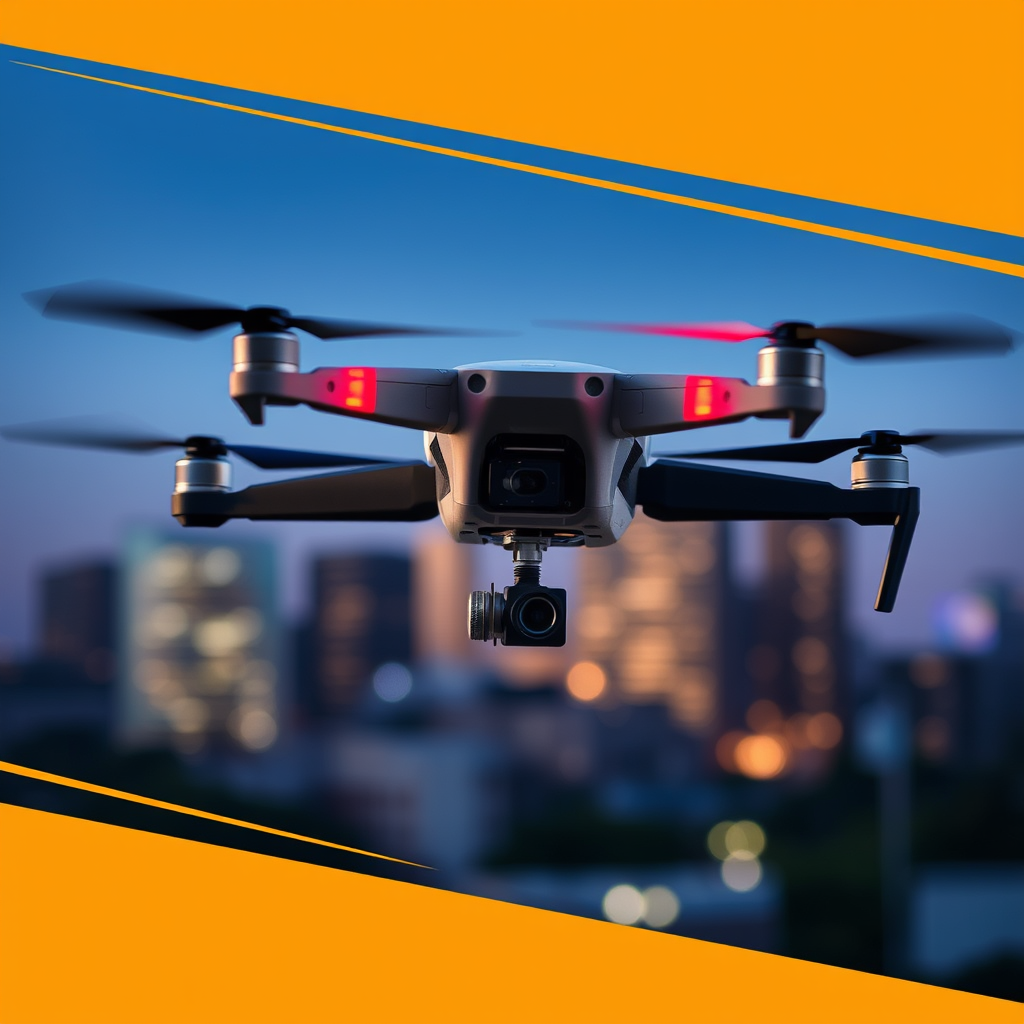
Yes, you can shoot down a drone in Missouri under certain circumstances, but it’s complicated and often illegal. The act of shooting down a drone can lead to serious legal ramifications, including charges of property damage or endangerment. Understanding the laws surrounding drone use and personal rights is essential before taking any action, as the implications can extend far beyond the immediate situation.
Understanding Drone Laws in Missouri
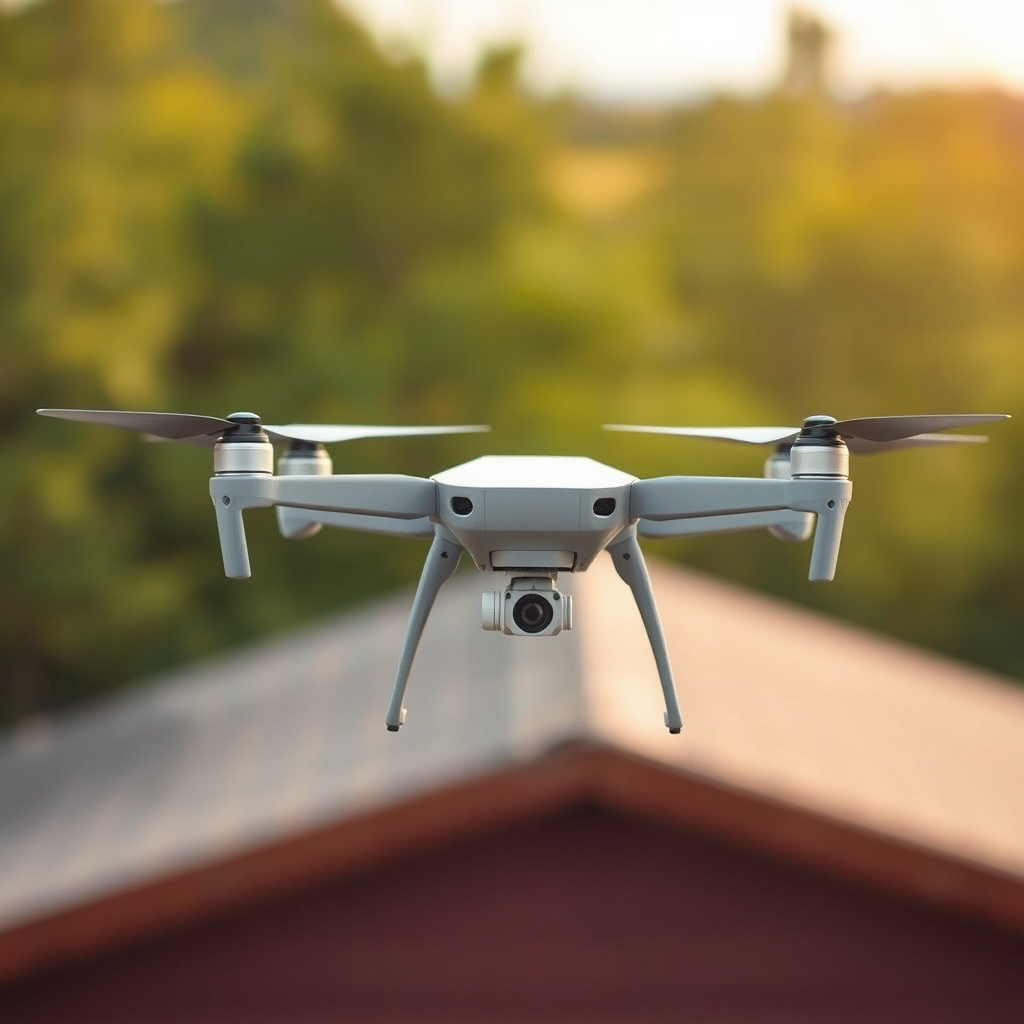
Missouri, like all states, is subject to federal regulations set forth by the Federal Aviation Administration (FAA) regarding drone operations. The FAA has established strict guidelines that govern where and how drones can be flown, emphasizing safety and the protection of privacy. For instance, drones are prohibited from flying above 400 feet and must remain clear of manned aircraft. Additionally, operators must obtain a Remote Pilot Certificate for commercial use.
Locally, certain municipalities in Missouri may impose additional restrictions on drone operations. For example, parks, schools, and other public areas might have specific rules that limit drone flights to ensure the safety and privacy of residents. Understanding these regulations is crucial for both drone operators and individuals who may feel threatened by unwanted drone activity.
When Is It Legal to Shoot Down a Drone?
Shooting down a drone may be considered legal under two main circumstances: self-defense and trespassing.
1. Self-defense: If a drone poses an immediate threat to your safety or property, you may have grounds to protect yourself or your belongings. However, this is a nuanced area of law. For instance, if a drone is actively being used to surveil or harass you, and you believe it poses a legitimate threat, you could argue that shooting it down was a necessary response.
2. Trespassing: Drones that invade your privacy—such as hovering over your property and capturing images or videos—could be viewed as trespassing. Missouri law allows individuals to protect their property against unlawful intrusion. However, proving that the drone was indeed trespassing can be challenging and often requires substantial evidence.
It is essential to note that even in these scenarios, the use of force must be proportional to the threat posed. The legal standards for self-defense and property defense are stringent and require clear justification to avoid potential legal repercussions.
Potential Legal Consequences
The act of shooting down a drone is fraught with potential legal consequences.
1. Property damage: Shooting down a drone can lead to lawsuits for damages, especially if the drone belongs to someone else. Drones can be expensive, and the owner may seek compensation for the cost of the drone as well as any damages caused during the incident.
2. Criminal charges: Beyond civil lawsuits, you could face criminal charges such as reckless endangerment or unlawful use of a weapon. Reckless endangerment involves conduct that creates a substantial risk of serious physical injury to another person. If the drone is shot down in a populated area, the risk of injuring bystanders significantly increases, which could lead to severe legal consequences.
3. FAA penalties: The FAA takes violations of drone regulations seriously. If you shoot down a drone, you may also face administrative penalties from the FAA, which could include fines and restrictions on your ability to operate drones in the future.
Given these potential outcomes, it is clear that the risks associated with shooting down a drone often outweigh the perceived benefits.
Alternatives to Shooting Down a Drone
Given the complexity of the legal landscape surrounding drones, it is advisable to consider alternatives to shooting one down.
1. Contacting local authorities or law enforcement: If you believe a drone is invading your privacy or posing a threat, the first step should be to contact local law enforcement. They are trained to handle such situations and can take appropriate action based on local laws and regulations.
2. Using drone jammers or signal disruptors: In some cases, using electronic devices designed to disrupt drone signals may be a viable alternative. However, the legality of these devices varies by jurisdiction. In the United States, the use of jammers is generally illegal under federal law, as they can interfere with legitimate communications and aviation operations. Before considering this option, it is crucial to consult local laws and possibly legal counsel to avoid further complications.
3. Documenting drone activity: Keeping a record of drone activity can be helpful if you decide to take legal action or file a complaint. This documentation may include photographs, videos, and notes on the times and locations of the drone’s flights.
Reporting Drone Violations
If you find yourself facing harassment or privacy invasions by a drone, reporting the incident is an important step.
1. Document the drone’s activities: Keeping detailed records of the drone’s behavior can serve as evidence if you choose to pursue legal action. Note the make and model of the drone, the time and duration of the flights, and any specific behaviors that seem intrusive or threatening.
2. File a complaint with the FAA or local law enforcement: Depending on the nature of the violation, you can file a complaint with the FAA for federal violations or with local law enforcement for issues related to privacy or safety. The FAA has a system in place for reporting drone incidents, and local police may have protocols for addressing complaints about drones.
3. Seek legal advice: If you believe your rights are being violated, it may be beneficial to consult with an attorney who specializes in aviation or privacy law. They can provide guidance on how to proceed with your case and what legal protections may be available to you.
Public Opinion on Drones
Public sentiment regarding drone use is mixed, with many individuals expressing concerns about privacy and safety. As drones become more common for recreational and commercial use, discussions about their regulation and the balance between technological advancement and individual rights are increasingly important.
Surveys have indicated that a significant portion of the population feels uneasy about drones operating in close proximity to their homes and families. Issues such as unauthorized surveillance, noise pollution, and safety risks from potential accidents are at the forefront of public discourse. Many people advocate for stricter regulations on drone use to protect personal privacy and safety while still allowing for legitimate recreational and commercial applications.
As drone technology continues to evolve, ongoing dialogue about regulations, rights, and responsibilities will be essential in shaping the future of drone use in society.
In conclusion, while you technically can shoot down a drone in Missouri under specific conditions, the risks and legal implications often outweigh the benefits. The complexities of drone laws, potential criminal and civil liabilities, and the availability of safer, legal alternatives should all be considered before taking any drastic actions. Always consult legal advice if you find yourself in a situation involving drone use and your rights, as understanding the legal landscape is crucial in navigating these modern challenges.
Frequently Asked Questions
Can I legally shoot down a drone in Missouri?
No, you cannot legally shoot down a drone in Missouri. Shooting a drone is considered unlawful use of force and could lead to criminal charges, including potential felonies. Instead, if you believe a drone is invading your privacy or posing a threat, it’s best to contact law enforcement or the FAA to address the issue safely and legally.
What should I do if a drone is flying over my property in Missouri?
If a drone is flying over your property in Missouri, it is advisable to first assess if it poses any real threat to your privacy or safety. You can attempt to identify the operator, but if you feel uncomfortable or if the drone is invading your privacy, consider contacting local law enforcement. They can provide guidance and take appropriate action regarding the situation.
Why are drones restricted from being shot down in Missouri?
Drones are restricted from being shot down in Missouri primarily due to safety and legal concerns. Shooting a drone can pose risks to people and property, and it may violate federal laws, including those set by the FAA regarding airspace. The laws aim to balance the rights of drone operators with the privacy and safety of individuals, ensuring responsible use of aerial technology.
What are the consequences of damaging or shooting down a drone in Missouri?
Damaging or shooting down a drone in Missouri can lead to severe legal repercussions, including civil lawsuits and criminal charges. The operator of the drone may pursue damages for the loss of their property, and you could face fines or even jail time depending on the circumstances. It’s crucial to understand the legal implications before considering any drastic actions against a drone.
Which authorities should I contact if I have an issue with a drone in Missouri?
If you have an issue with a drone in Missouri, you should contact local law enforcement for immediate concerns regarding safety or privacy violations. Additionally, you can report any unsafe drone operations to the Federal Aviation Administration (FAA), which regulates drone use in the United States. These authorities can provide guidance and take necessary actions to address your concerns regarding drone activity.
References
- https://www.ojp.gov/ncjrs/virtual-library/abstracts/drone-use-law-enforcement-and-criminal-justice-system
- https://www.nolo.com/legal-encyclopedia/can-you-shoot-down-drone-29674.html
- https://www.ncsl.org/research/telecommunications-and-information-technology/state-drone-laws.aspx
- https://www.faa.gov/uas/resources/policy_library/
- https://www.missouri.gov/
- https://www.washingtonpost.com/technology/2020/09/16/drone-laws-shooting/
