
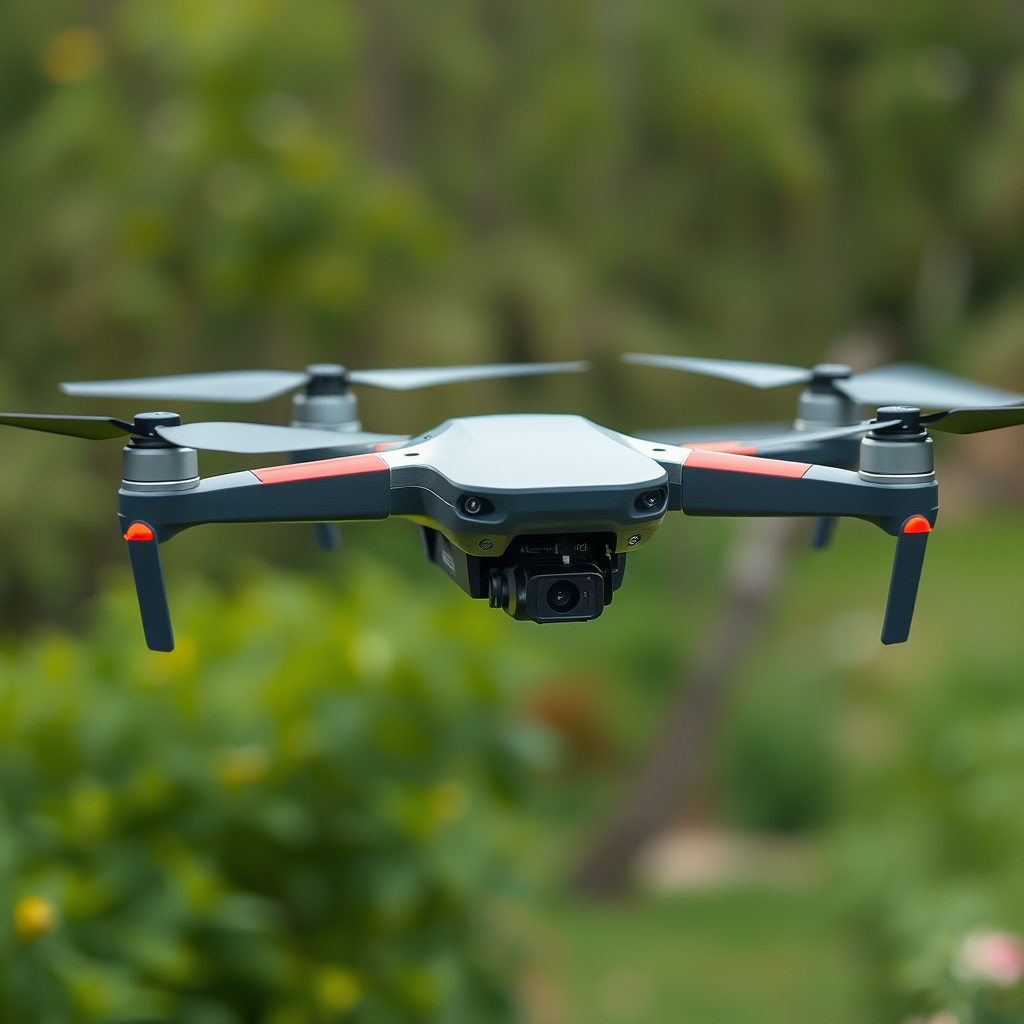
Yes, you can shoot down a drone, but doing so is heavily regulated and often illegal. Engaging in such actions may lead to serious legal repercussions, including criminal charges and civil lawsuits. In recent years, as drone technology has proliferated, concerns regarding privacy invasion, safety, and property rights have escalated. This article delves into the intricate legalities, safety risks, and alternatives to shooting down a drone, providing a comprehensive understanding of the topic.
Understanding the Legal Framework
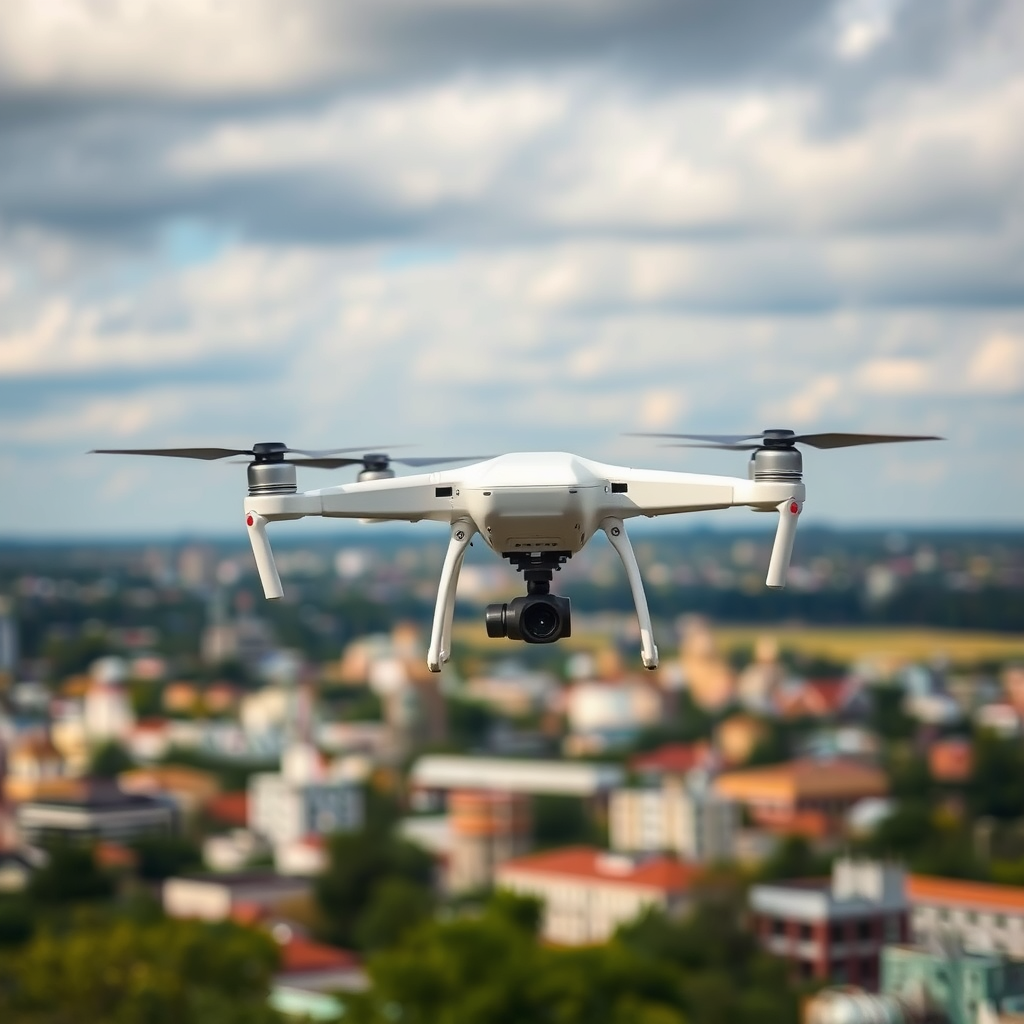
Federal laws in the United States, primarily governed by the Federal Aviation Administration (FAA), prohibit the shooting down of drones in most situations. The FAA classifies drones as aircraft, and as such, they are afforded the same protections under federal law as manned aircraft. Engaging in actions that interfere with the operation of an aircraft is a serious offense, potentially leading to civil and criminal penalties.
On the state and local levels, laws vary significantly. Some states have enacted specific legislation addressing drone use and regulation, while others rely on existing aviation laws. For instance, states like California have introduced laws that explicitly prohibit the shooting down of drones, with penalties that can include hefty fines. It is crucial for individuals to familiarize themselves with both federal and local regulations before considering any action against a drone.
Safety Risks Involved
Shooting down a drone carries significant safety risks that must not be overlooked. The most immediate concern is the potential for injury to people and damage to property on the ground. Drones are typically made from lightweight materials, but when they are shot down, they can crash to the ground at high velocities, posing a danger to anyone nearby.
Moreover, the unpredictable behavior of drones when they are shot at can lead to unintended consequences. For instance, a bullet may cause the drone to malfunction, causing it to spiral out of control and crash into an occupied area or private property. These safety concerns highlight the importance of considering non-violent alternatives before resorting to extreme measures.
Alternatives to Shooting Down a Drone
There are several viable alternatives to shooting down a drone that can effectively mitigate the situation without resorting to violence. One of the most promising options is the use of anti-drone technology. Jamming devices, which disrupt the communication between a drone and its operator, can neutralize a drone’s functionality without physical destruction. These devices are becoming more prevalent, particularly among security firms and law enforcement agencies.
Another practical alternative is to report the drone to the appropriate authorities, such as local law enforcement or the FAA. Many jurisdictions have established protocols for addressing unauthorized drone activity, and reporting the incident can help ensure that the situation is handled lawfully. This approach not only protects individuals from potential legal repercussions but also contributes to broader efforts to regulate drone use effectively.
Consequences of Shooting Down a Drone
The consequences of shooting down a drone can be severe. Individuals who engage in such actions may face legal action, including substantial fines and even imprisonment. The FAA has imposed fines of up to $20,000 for individuals who interfere with aircraft operations, and local law enforcement may pursue additional charges.
Additionally, civil lawsuits can arise from damages or injuries inflicted by the shooting. If a drone is shot down and causes property damage or personal injury, the shooter may be held liable for those damages. Such legal ramifications underscore the importance of understanding the potential fallout before taking any drastic measures against a drone.
Instances Where Shooting Down a Drone May Be Acceptable
While generally illegal, there are specific instances where shooting down a drone may be considered acceptable under certain conditions. Self-defense is one potential justification, particularly if a drone is invading an individual’s personal space or is perceived as a threat. However, the legality of using force in such situations varies widely, depending on local laws and the specific circumstances involved.
In contrast, military or law enforcement agencies may operate under different guidelines when addressing unauthorized drones. These professionals often have established protocols for neutralizing drone threats, especially if they are suspected of being used for malicious purposes such as espionage or terrorist activities. In such cases, the use of force may be justified and legally sanctioned.
Public Perception and Ethical Considerations
The public is divided on the issue of shooting down drones, reflecting broader concerns about privacy, safety, and property rights. Many individuals view drones as intrusive, particularly when they are perceived to invade personal space or capture images without consent. This has led to a growing call for stricter regulations on drone use and increased awareness of personal rights regarding privacy.
Ethical considerations also play a significant role in discussions about the use of force against drones. Questions arise regarding the justification for using lethal force against an unmanned aircraft, especially when it may pose no immediate threat to individuals. These ethical dilemmas necessitate a nuanced dialogue about personal rights, property rights, and the broader implications of drone technology in society.
In conclusion, while the notion of shooting down a drone may seem appealing in certain scenarios, it is fraught with legal and safety issues. Understanding the laws governing drone use, the potential consequences of extreme actions, and considering safer alternatives are crucial steps in addressing drone-related concerns. Reporting suspicious drone activity to the appropriate authorities is always a more prudent course of action, ensuring that individuals remain within legal boundaries while addressing their concerns effectively.
Frequently Asked Questions
Can you legally shoot down a drone over your property?
Legally, shooting down a drone is generally not permitted in most jurisdictions, including the United States. Drones are considered aircraft, and taking down an aircraft can lead to severe legal consequences, including criminal charges. If a drone is invading your privacy or posing a safety risk, it is better to contact law enforcement or local authorities rather than attempting to take matters into your own hands.
What should I do if a drone is flying too close to my house?
If a drone is flying too close to your property or invading your privacy, the first step is to document the incident by taking notes or video footage. You can then check local laws regarding drone operation, as many areas have regulations about flying drones near homes. If the drone’s behavior is concerning, you should report it to local law enforcement or the Federal Aviation Administration (FAA) for further investigation.
How can I protect my privacy from unwanted drones?
To protect your privacy from unwanted drones, consider using privacy screens or landscaping features like tall trees to obstruct the view from above. You can also invest in drone detection technology, which can alert you to nearby drones. Additionally, familiarizing yourself with local laws regarding drone operation can empower you to take appropriate action if someone is violating those regulations.
Why do people shoot down drones, and what are the consequences?
People may be motivated to shoot down drones due to privacy concerns, fear of espionage, or frustration with disturbance. However, the consequences of such actions can be dire, including hefty fines, criminal charges, and potential civil lawsuits from the drone’s owner. Instead of resorting to extreme measures, individuals should explore legal avenues for addressing their concerns about drone activity.
What are the best ways to report a drone that is causing disturbances?
The best way to report a problematic drone is to first gather as much information as possible, including the drone’s appearance, the operator’s location, and the nature of the disturbance. You can then contact local law enforcement or the FAA to report the drone. Additionally, some states have specific hotlines for reporting drone-related incidents, so checking local regulations can provide additional resources for addressing your concerns.
References
- https://en.wikipedia.org/wiki/Drone
- https://www.faa.gov/uas/resources/publications/media/Unmanned_Aircraft_System_Operation.pdf
- https://www.bbc.com/news/technology-59277506
- https://www.nytimes.com/2022/10/28/us/politics/drones-shooting-down.html
- https://www.rand.org/pubs/research_reports/RR4419.html
- https://www.huffpost.com/entry/drones-shooting-down-military_n_5f55e516c5b6b0d3e0c7b2c2
- https://www.armed-services.senate.gov/imo/media/doc/Drone%20Use%20and%20Regulation%20Hearing%20-%20Senate%20Armed%20Services%20Committee%20-%20March%202019.pdf
