
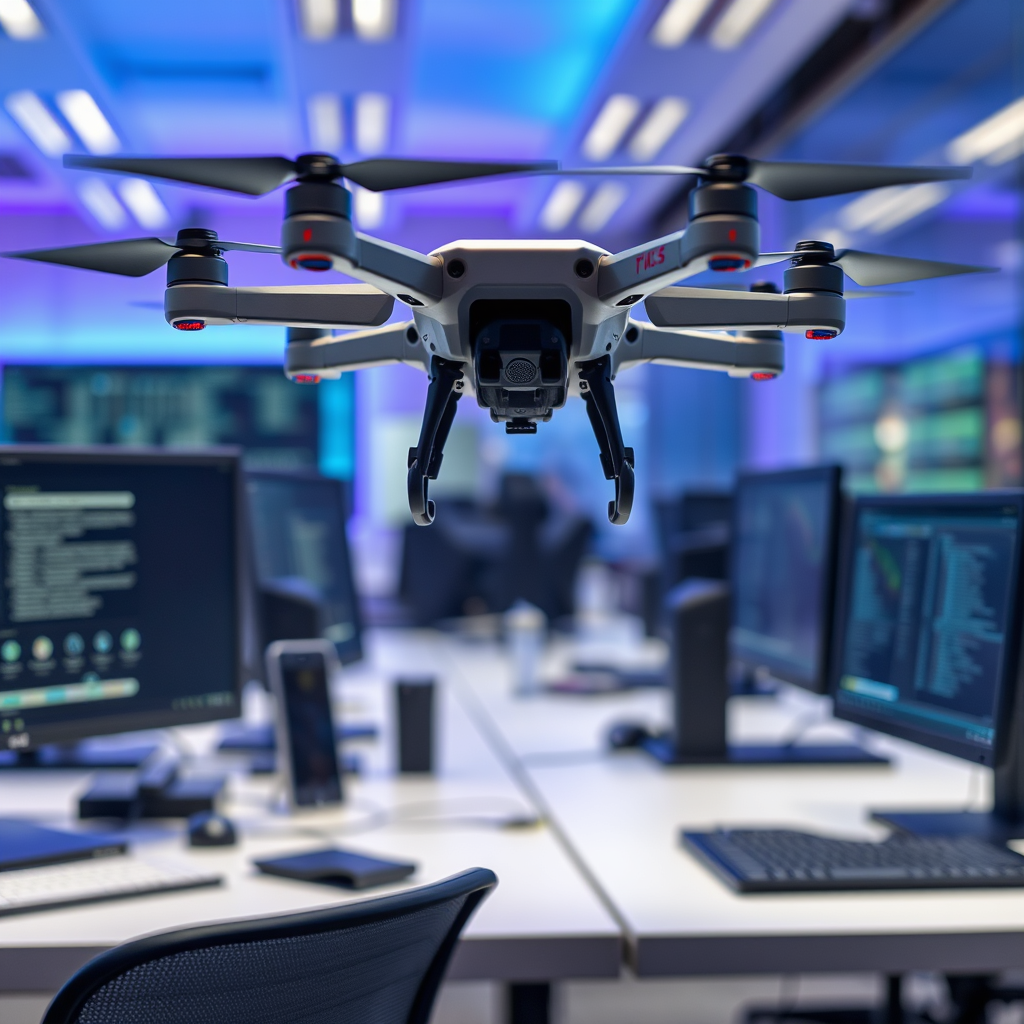
Yes, you can stop the drone braindom, but it requires a strategic approach to counter the potential negative effects of drone technology on mental acuity. The integration of drones into various aspects of life and work has introduced unprecedented convenience but also raised concerns about cognitive reliance and diminished critical thinking. In this article, we will explore the various aspects of drone braindom and how to mitigate its impact.
Understanding Drone Braindom
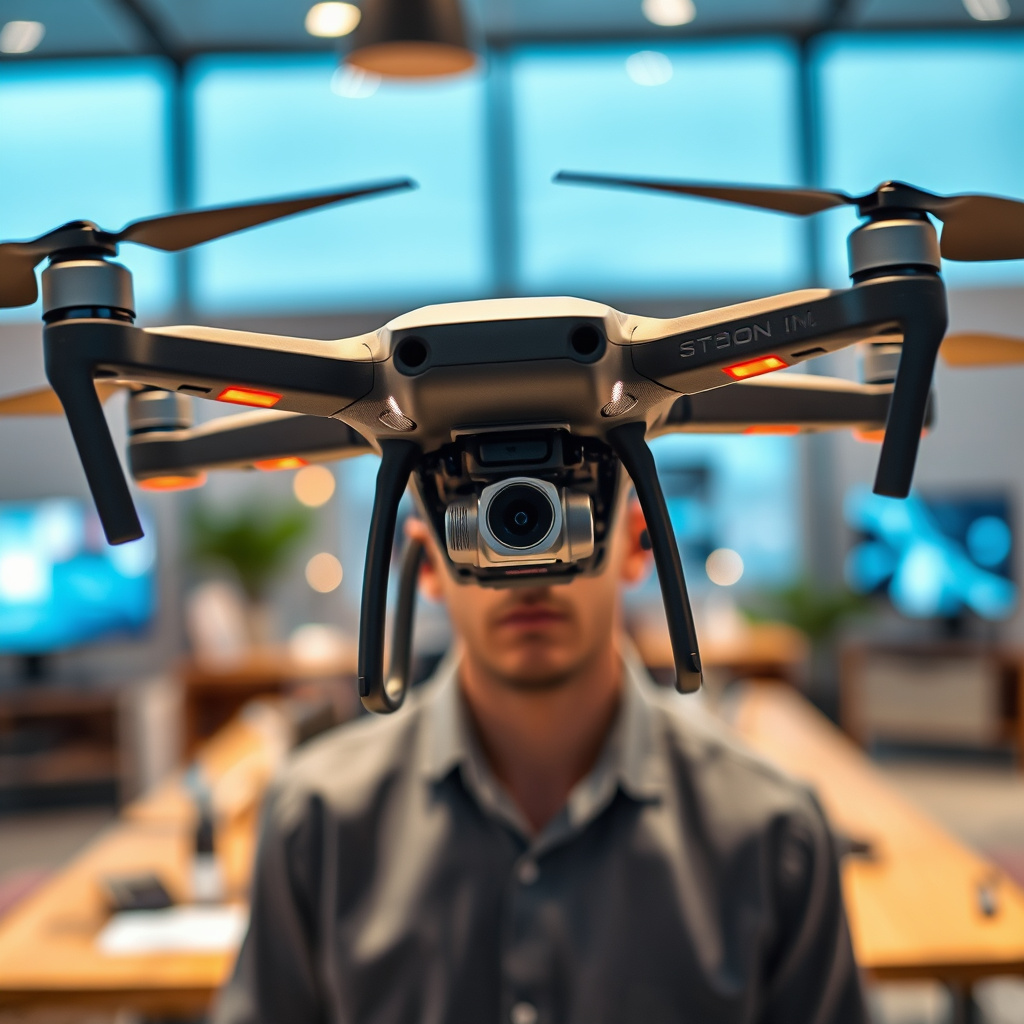
Drone braindom refers to the cognitive decline that can occur as a result of excessive reliance on drone technology for tasks that traditionally required human thought and decision-making. This phenomenon has significant implications on cognitive function, as over-dependence on drones can lead to a reduction in problem-solving skills, critical thinking, and overall mental engagement. For instance, when individuals delegate tasks such as navigation or data collection to drones, they may become less familiar with these processes themselves, leading to a diminished ability to make informed decisions in situations where drone assistance is unavailable.
Moreover, there are real-world examples of this shift. In industries such as agriculture, farmers may use drones for crop monitoring and analysis. While drones provide valuable data, reliance on them can result in a lack of understanding of the underlying agricultural issues, as farmers may no longer engage deeply with their fields or the natural processes involved.
The Rise of Drones in Society
The increasing integration of drones into daily life and various industries has been transformative. From delivery services and surveillance to agriculture and construction, drones offer significant operational efficiencies and convenience. However, this convenience can come at a cognitive cost. As drones take over more tasks, individuals may become less adept at performing those tasks themselves, leading to a decline in analytical skills and situational awareness.
For example, the rise of drone delivery services, such as Amazon Prime Air, presents a frictionless shopping experience. While this innovation saves time and effort for consumers, it may also encourage a passive approach to problem-solving and decision-making. The convenience of having items delivered directly to one’s door could result in a lack of engagement with local businesses or the shopping process itself, which inherently includes critical thinking about product choices and value assessments.
Cognitive Effects of Drones
Research has begun to explore the cognitive effects associated with drone usage. Studies indicate a link between reliance on technology and decreased cognitive engagement. For instance, a study published in the journal “Computers in Human Behavior” revealed that individuals who frequently rely on smartphones and other devices for information retrieval often exhibit poorer memory retention and critical thinking skills. This trend is likely applicable to drone technology as well.
Furthermore, reliance on drones can lead to over-reliance, where individuals become accustomed to allowing technology to handle complex tasks, thereby diminishing their problem-solving abilities. For example, a construction worker who relies on drones for surveying may find it increasingly challenging to visualize project layouts without drone data, which can impair their overall effectiveness on-site.
Strategies to Combat Drone Braindom
Combating drone braindom requires intentional strategies to reduce reliance on drones in everyday tasks. One practical technique is to set boundaries on drone usage. Individuals and organizations can implement policies that encourage manual engagement in tasks typically assigned to drones. For instance, a company could establish a routine where employees alternate between using drones for project analysis and conducting manual assessments to foster a deeper understanding of the work.
Additionally, enhancing critical thinking and decision-making skills without technological assistance is crucial. Engaging in activities such as puzzles, strategy games, or hands-on projects can stimulate cognitive functions and encourage creative problem-solving. Workshops focused on critical thinking and decision-making skills can also help individuals develop a more balanced approach to technology use, allowing them to leverage drones effectively without sacrificing cognitive engagement.
The Role of Education and Awareness
Educating the public about the potential downsides of drone dependency is essential for fostering a culture of mindful technology use. Schools and organizations should incorporate discussions on the implications of drone technology into curricula, emphasizing the importance of maintaining cognitive skills alongside technological advancements.
Initiatives that promote more mindful usage of technology in learning environments can significantly contribute to this goal. For instance, programs that emphasize experiential learning, where students engage in real-world problem-solving without technological aids, can help cultivate stronger analytical skills. Encouraging students to reflect on their technology use can also lead to greater awareness of its impact on their cognitive development.
Creating a Balanced Approach
To successfully integrate drone technology while maintaining cognitive health, a balanced approach is necessary. Individuals and organizations should strive to find a middle ground where technology complements human skills rather than replaces them. This includes setting specific times for technology engagement and allowing for periods of disconnection, enabling individuals to engage in critical thinking and problem-solving exercises without technological interference.
Moreover, emphasizing the importance of balance between technology use and personal mental challenges can foster a healthier relationship with drones. Encouraging individuals to take on challenges that require manual effort, such as traditional navigation or hands-on project management, can enhance cognitive skills while still benefiting from the efficiencies that drone technology provides.
In conclusion, while stopping the drone braindom is possible, it requires conscious effort and a commitment to maintaining cognitive skills. By adopting strategies to mitigate reliance on drones, such as setting boundaries on technology use and promoting educational initiatives, we can foster a healthier relationship with technology. Ultimately, striking a balance between leveraging the benefits of drones and engaging in cognitive challenges is crucial for preserving our mental acuity in an increasingly automated world.
Frequently Asked Questions
What is the “Drone Braindom” and why do people want to stop it?
“Drone Braindom” refers to the overwhelming influx of drone-related content and advertisements that can clutter users’ digital experiences. Many people want to stop it because it can lead to frustration, distraction, and even privacy concerns. By limiting exposure to such content, users can improve their online experience while retaining control over their digital environment.
How can I stop drone advertisements from appearing on my social media?
To stop drone advertisements from appearing on your social media, start by adjusting your ad preferences on platforms like Facebook or Instagram. You can disable ad personalization or hide ads related to drones specifically. Additionally, using ad blockers and managing your privacy settings will further reduce unwanted content and enhance your browsing experience.
Why are drones becoming so popular, and how does that affect online content?
Drones have surged in popularity due to advancements in technology, affordability, and their versatility for various applications, including photography, delivery, and surveillance. This increased interest has led to a proliferation of content, including ads and articles, which can overwhelm users who are not interested in drone topics. Understanding this trend can help users navigate their online experiences more effectively.
What are the best practices for blocking drone-related content online?
The best practices for blocking drone-related content include utilizing browser extensions that filter ads, adjusting your content preferences on platforms, and regularly clearing your browsing history and cookies. Additionally, subscribing to services that offer personalized content filtering can help ensure that your online experience aligns with your interests, minimizing exposure to drone-related material.
Which tools or apps are effective for managing unwanted drone content?
Several tools and apps are effective for managing unwanted drone content, including ad blockers like AdBlock Plus and uBlock Origin, which can eliminate drone ads from your browsing experience. Additionally, privacy-focused browsers like Brave can inherently limit unwanted content. For social media, using built-in features to customize your feed and mute or block drone-related accounts can further enhance your online environment.
References
- https://en.wikipedia.org/wiki/Drone_warfare
- https://www.bbc.com/news/technology-61100377
- https://www.nytimes.com/2023/04/01/technology/drone-regulation.html
- https://www.reuters.com/technology/drone-regulation-what-you-need-know-2021-05-05/
- https://www.nap.edu/catalog/21899/drones-and-the-future-of-labor-in-the-global-economy
- https://www.army.mil/article/249739/the_future_of_drones_in_warfare
- https://www.faa.gov/uas/
- https://www.techcrunch.com/tag/drones/
- https://www.wired.com/tag/drones/
- https://www.npr.org/sections/alltechconsidered/2023/03/15/1161048513/faa-drone-regulations
