
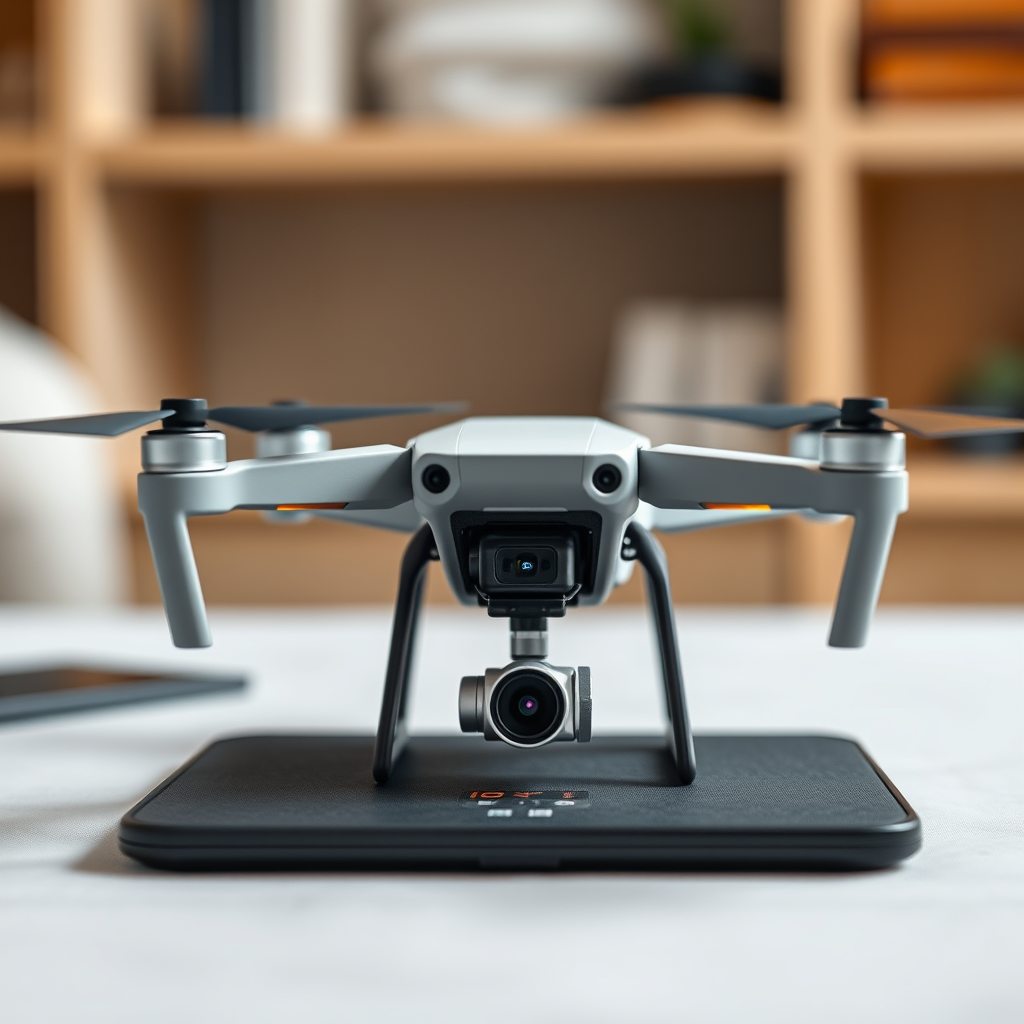
Yes, you can take a drone to New Zealand, but there are specific rules and regulations you must adhere to. Understanding these guidelines is crucial for a smooth experience while capturing the stunning landscapes of New Zealand. This article will delve into New Zealand’s drone regulations, registration requirements, flying zones, safety guidelines, insurance considerations, cultural sensitivities, and tips to ensure a seamless drone experience in this picturesque destination.
Understanding New Zealand’s Drone Regulations
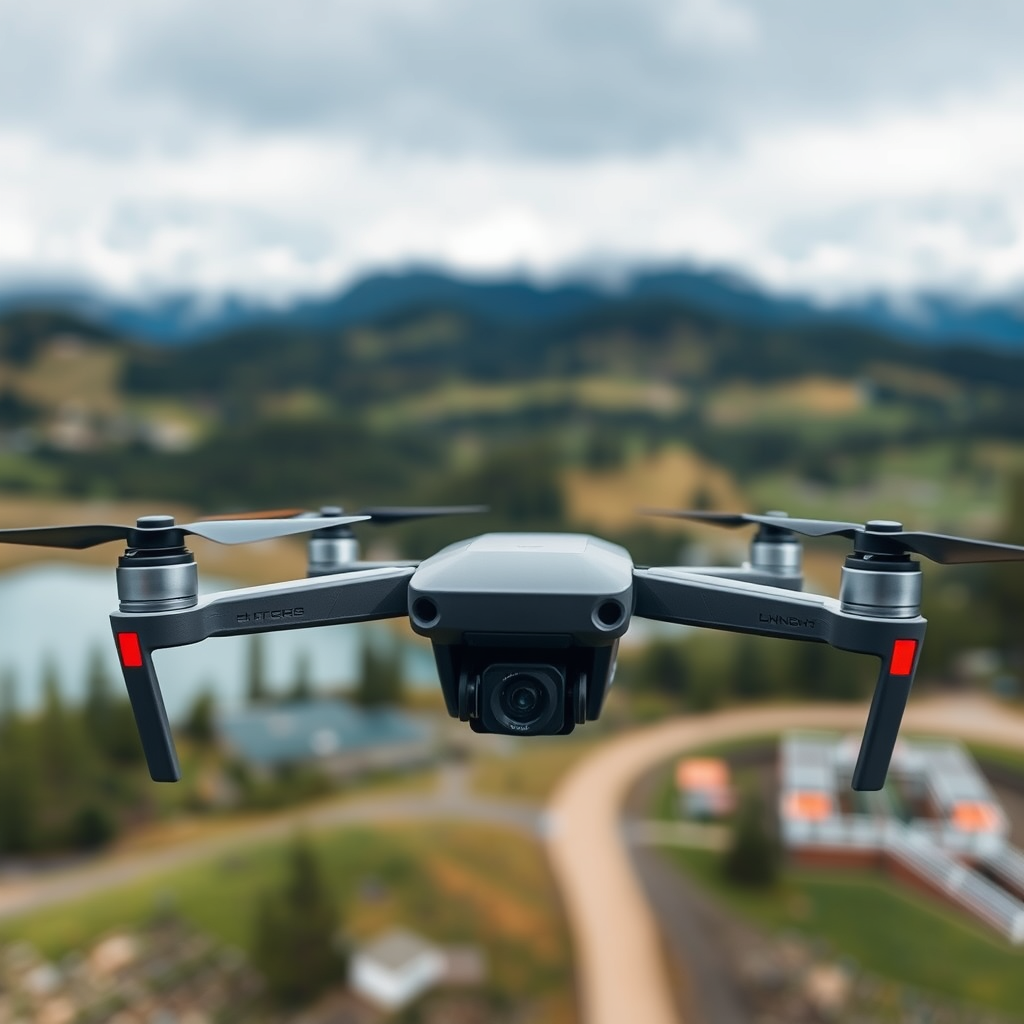
New Zealand has specific laws governing the use of drones, primarily under the Civil Aviation Act 1990. The Civil Aviation Authority (CAA) oversees these regulations, which aim to ensure safety and minimize risks associated with drone operations. Before traveling with your drone, familiarize yourself with the rules set by the CAA to avoid fines or confiscation. For instance, you must adhere to the maximum altitude of 120 meters (400 feet) above ground level, and drones must not be flown in a manner that endangers people, property, or other aircraft.
Moreover, all drone operators are expected to conduct a pre-flight assessment, ensuring that they are aware of their surroundings and any potential hazards. It is also important to note that commercial drone pilots have stricter regulations compared to recreational users, emphasizing the need for comprehensive understanding of the legal framework governing drone use in New Zealand.
Registration and Licensing Requirements
Drones over 250 grams must be registered with the CAA. This registration process is straightforward and can typically be completed online. Upon registration, you will receive a unique identification number that must be displayed on your drone. Additionally, depending on your drone’s weight and usage, you may need to obtain a Part 102 certificate, which is required for more complex operations, such as flying beyond visual line of sight or carrying out commercial activities.
For those flying drones under 250 grams for recreational purposes, the registration requirement may not apply, but it is still advisable to follow best practices and safety guidelines. If you plan to use your drone for commercial purposes—such as capturing promotional videos or conducting aerial surveys—ensure that you comply with all necessary legal requirements, including obtaining the appropriate certifications.
Flying Zones and Restrictions
When flying your drone in New Zealand, it is crucial to be aware of no-fly zones, especially near airports, military bases, and national parks. The CAA has designated certain areas where drone operations are prohibited or restricted to protect the safety and privacy of the public. For example, flying near major airports like Auckland or Wellington is strictly regulated, and operators must maintain a distance of at least 4 kilometers from these locations without special permission.
To ensure compliance with these restrictions, utilize apps or websites that provide real-time information on restricted areas and safe flying zones. Tools like Airshare and FlySafe can help you identify where you can operate your drone legally. It is also wise to check local council regulations, as some regions may have additional stipulations regarding drone use.
Safety Guidelines for Drone Operation
Safety should be a top priority when operating your drone in New Zealand. Always maintain a visual line of sight with your drone, which helps in avoiding obstacles and potential accidents. Additionally, you should not fly your drone in adverse weather conditions, such as high winds or rain, which can impact your control and the drone’s performance.
Respecting privacy is equally important; do not fly over private property without permission from the landowner. New Zealand has strong privacy laws, and breaching someone’s privacy can lead to legal consequences. Always seek consent when capturing images or videos in residential areas or culturally significant locations, ensuring that your drone activities are considerate of the local community.
Insurance and Liability Considerations
While not a legal requirement, obtaining liability insurance for your drone is highly recommended. This insurance can cover potential damages or accidents that may occur during your flights, protecting you from financial loss. Many insurance providers offer specific drone insurance policies that address the unique risks associated with aerial photography and videography.
Additionally, check if your travel insurance covers drone-related incidents, as this can provide an extra layer of protection. It is advisable to read the fine print of your travel insurance policy to ensure that drone usage is included and to understand any limitations or exclusions that may apply.
Local Cultural Considerations
New Zealand is home to rich Maori culture and various local customs that should be respected when flying a drone. Before capturing footage in culturally significant areas, take the time to educate yourself about local traditions and seek permission from local communities or iwi (tribes). Engaging with local communities not only helps in fostering good relationships but may also provide you with unique insights and opportunities for collaboration or guidance when it comes to drone operations.
For instance, some sacred sites, such as the Waitangi Treaty Grounds, have strict regulations regarding aerial photography and videography. Always prioritize respect for the customs and practices of the people whose land you are visiting.
Tips for a Smooth Drone Experience in New Zealand
To ensure a smooth drone experience in New Zealand, plan your flights ahead of time, taking into account weather conditions and local regulations. Familiarize yourself with the area where you intend to fly; researching popular drone-friendly locations such as the stunning landscapes of Fiordland National Park or the scenic views of Lake Tekapo can enhance your experience.
Joining local drone enthusiast groups, either online or in person, can provide valuable insights and tips on the best locations to fly, as well as updates on any changes to regulations or restrictions. There are various forums and social media groups where drone operators share their experiences, which can be an invaluable resource for both new and experienced pilots.
In conclusion, while you can take a drone to New Zealand, it’s essential to follow the regulations and guidelines set forth by local authorities. Understanding the legal framework, obtaining necessary registrations, and respecting local customs will ensure that you have a memorable experience capturing the breathtaking views of this beautiful country. By preparing in advance and adhering to safety protocols, you can enjoy the thrill of flying your drone while contributing positively to the environment and local communities.
Frequently Asked Questions
Can I take my personal drone to New Zealand for recreational use?
Yes, you can bring your personal drone to New Zealand for recreational use, but you must comply with the Civil Aviation Authority (CAA) regulations. Ensure that your drone weighs no more than 25 kg and that you follow the rules regarding flying in populated areas, near airports, and respecting privacy. It’s also advisable to register your drone if it exceeds 250 grams to ensure compliance with New Zealand’s laws.
What are the drone regulations I need to follow in New Zealand?
In New Zealand, drone regulations require that you fly your drone below 120 meters, maintain visual line of sight, and not fly over crowds or near airports within a 4 km radius. Additionally, you must not operate your drone in restricted areas, such as national parks, without prior permission. Familiarizing yourself with these regulations before your trip will help ensure a smooth flying experience.
How do I register my drone in New Zealand?
To register your drone in New Zealand, you must visit the Civil Aviation Authority’s website and complete the online registration process. This is mandatory for drones weighing 250 grams or more. The registration will provide you with a unique identification number, which you will need to display on your drone, ensuring compliance with New Zealand’s aviation laws.
Why is it important to check drone regulations before traveling to New Zealand?
Checking drone regulations before traveling to New Zealand is crucial to avoid legal issues and potential fines. New Zealand has specific rules governing where and how drones can be flown, and ignorance of these regulations can lead to confiscation of your drone or even legal action. By understanding the local laws, you can enjoy flying your drone responsibly and safely.
Which areas in New Zealand are restricted for drone flying?
In New Zealand, certain areas are restricted for drone flying, including national parks, military bases, and urban areas. Additionally, you are prohibited from flying within 4 km of an airport and over private property without consent. Always check local guidelines and signs that indicate no-fly zones to ensure compliance and protect the natural environment.
References
- https://www.civilaviation.govt.nz/airspace/drones
- https://www.govt.nz/browse/driving-and-transport/transport/drones/
- https://www.nzta.govt.nz/roadcode/about/transportation/drones/
- https://www.wired.com/story/drone-laws-around-the-world/
- https://www.safeguard.co.nz/news/2021/12/30/can-i-take-my-drone-to-new-zealand/
