
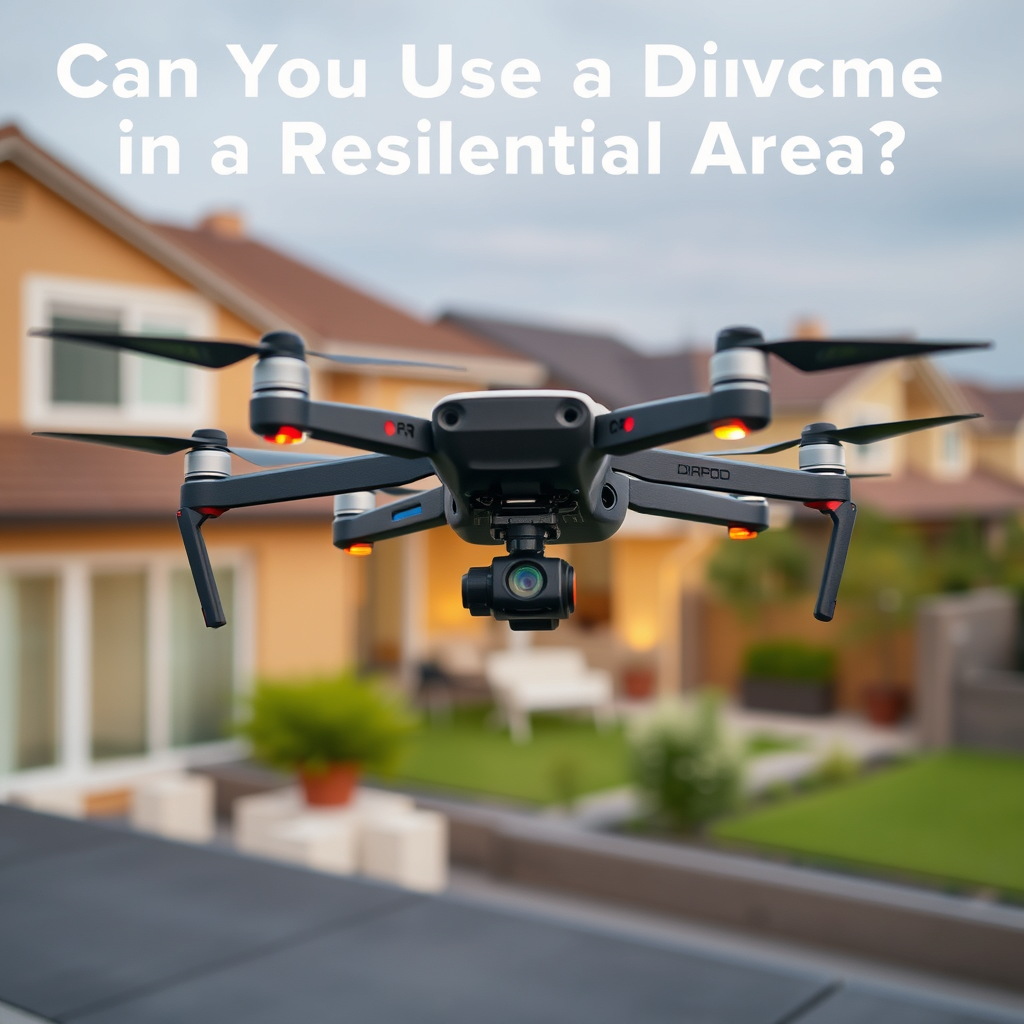
Yes, you can use a drone in a residential area, but there are important regulations and considerations to keep in mind. Understanding local laws, respecting privacy, and ensuring safety are crucial when operating a drone in such environments. As drones become increasingly popular for recreational and commercial use, it is vital for drone operators to navigate the complexities of flying in residential areas responsibly and legally.
Understanding Local Regulations
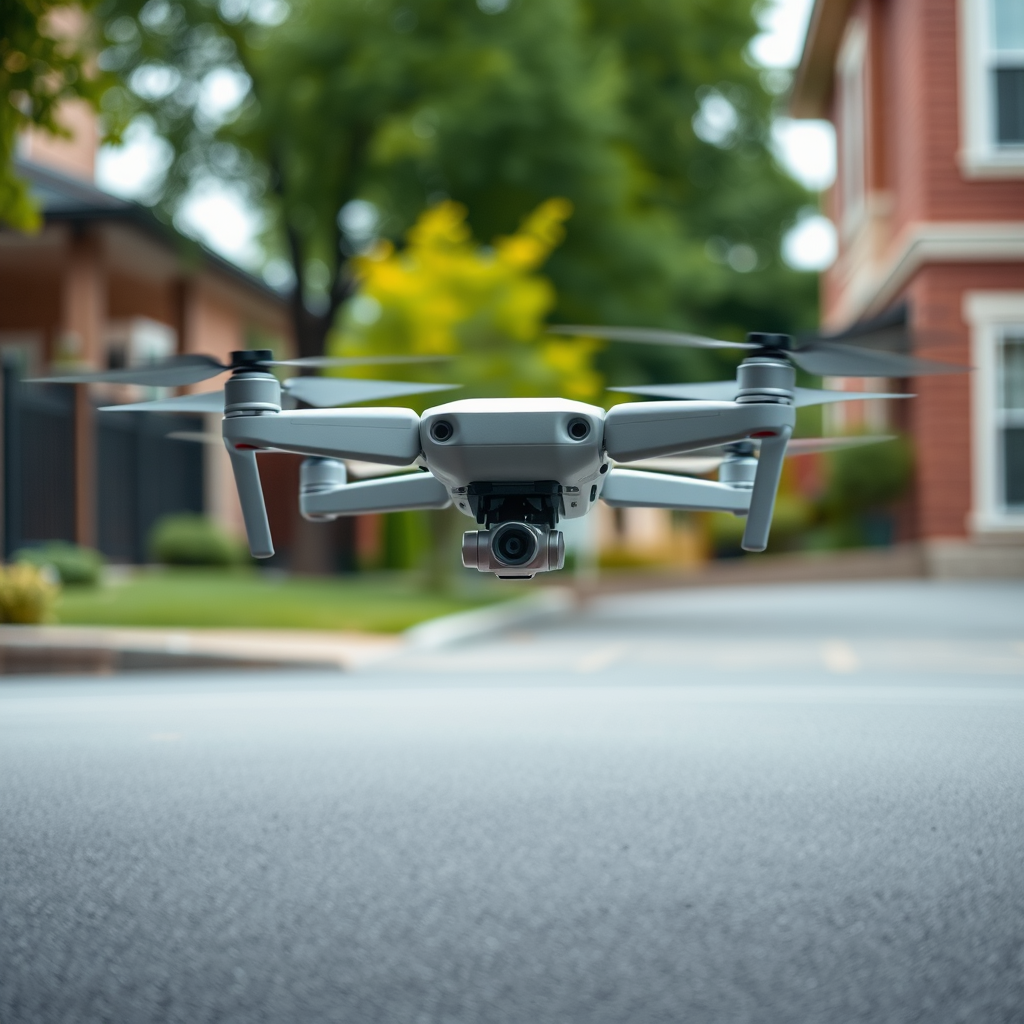
Navigating the regulatory landscape is the first step for any drone operator. In the United States, the Federal Aviation Administration (FAA) governs all drone operations, and it is essential to familiarize yourself with their guidelines. The FAA requires drone operators to register their drones if they weigh more than 0.55 pounds and mandates that pilots comply with specific operational rules. This includes flying below 400 feet, keeping the drone within visual line-of-sight, and not flying over people unless certain conditions are met.
However, federal regulations are just a starting point. Local ordinances can impose additional restrictions that vary widely from one city or neighborhood to another. Some communities may have established no-fly zones, particularly near schools, hospitals, or crowded events. Always check with your local government or municipal office to understand any specific rules that might apply, such as noise ordinances or designated drone flight areas. Websites like the FAA’s B4UFLY app can also help you identify local regulations and airspace classifications before you take to the skies.
Respecting Privacy
Privacy is one of the most contentious issues surrounding drone usage in residential areas. Drones equipped with cameras can easily capture images and videos, raising concerns about invasion of privacy. To avoid potential disputes with neighbors, it is wise to avoid flying over private property without explicit permission. This not only demonstrates respect but also helps you maintain good relationships within your community.
Proactively communicating with your neighbors about your drone activities can further alleviate concerns. Consider inviting them to observe your drone flights or explaining the purpose behind your flying, whether it’s for photography, surveying, or recreational use. Transparency can foster understanding and mitigate any fears about privacy violations. Additionally, consider obtaining written consent from neighbors if you plan to fly over or capture images of their properties.
Safety Guidelines
Safety is paramount when operating a drone, especially in residential areas where there are numerous potential hazards. Maintaining an altitude of no more than 400 feet is not only a regulatory requirement but also a safety measure to avoid colliding with buildings, trees, and other obstacles. It is also essential to ensure that your drone is in good working condition before each flight, including checking the battery, propellers, and software updates.
Another critical safety guideline is to avoid crowded areas. Flying over gatherings such as festivals, sporting events, or busy streets can put individuals at risk and may lead to severe legal consequences. Always conduct a pre-flight assessment of your surroundings to ensure that you can operate your drone safely. Additionally, keeping your drone within your line of sight allows for better control and quicker responses to potential hazards.
Noise Considerations
While drones offer exciting possibilities, they also contribute to noise pollution, which can disturb residents and pets in a neighborhood. Understanding the acoustic impact of your drone is essential for fostering goodwill within your community. Some drones can produce significant noise, which might be bothersome, especially in quiet residential areas.
To mitigate noise concerns, consider using drones that are engineered for quieter operation. Many manufacturers are now designing drones with noise-reducing features that can help decrease disturbance levels during flight. Additionally, being mindful of the time of day you choose to fly is crucial. Avoid flying during early mornings or late evenings when noise is more likely to disrupt your neighbors’ peace.
Insurance and Liability
Drone operations can entail risks, making liability insurance a prudent consideration for drone operators, especially in residential settings. Drone insurance can protect you from potential damages or accidents that occur during flight, covering everything from property damage to bodily injury claims. This is particularly important if your drone were to accidentally crash into a neighbor’s property or injure someone.
Understanding liability laws in your area is equally essential. If your drone causes damage or injury, you may be held responsible under local laws. Familiarize yourself with these laws to ensure you are prepared should an incident occur. Consulting with a legal professional who specializes in drone regulations can provide valuable insights into your responsibilities and potential liabilities.
Best Practices for Residential Flying
To ensure a positive experience for both yourself and your neighbors, adopting best practices for residential drone flying is crucial. First and foremost, fly during appropriate hours. Daylight hours are generally the best time for drone operations, as visibility is optimal, and you are less likely to disturb residents who may be resting.
Additionally, consider using designated flying areas whenever possible. Parks or open spaces that allow drone usage can provide a great alternative to residential areas, minimizing disruption while allowing you to enjoy your drone flying experience. Always check local regulations and park rules to ensure that drone flying is permitted in these spaces.
Lastly, consider joining local drone clubs or online forums where you can share experiences and tips with fellow enthusiasts. These communities often have valuable insights into safe and respectful flying practices that can enhance your drone flying experience while maintaining a positive relationship with your neighbors.
In conclusion, while using a drone in a residential area is possible, it is essential to stay informed about regulations, respect privacy, and prioritize safety. Always be considerate of your neighbors and the environment to ensure a positive drone flying experience. By following these guidelines, you can enjoy the benefits of drone technology while fostering a friendly and respectful atmosphere within your community.
Frequently Asked Questions
Can I legally fly a drone in residential areas?
Yes, you can legally fly a drone in residential areas, but there are specific regulations you must follow. The Federal Aviation Administration (FAA) requires you to maintain a visual line of sight with your drone and not to fly above 400 feet. Additionally, you should check local laws and homeowners’ association rules, as some areas may have restrictions on drone usage that could affect your ability to fly.
What are the safety considerations for flying a drone in residential neighborhoods?
Safety is paramount when flying a drone in residential neighborhoods. You should always be mindful of people, pets, and property. Avoid flying over crowds, and maintain a safe distance from homes to prevent accidents or privacy violations. It’s also wise to fly during daylight hours and avoid adverse weather conditions, as these factors can impact drone control and safety.
How can I minimize noise pollution when using a drone in a residential area?
To minimize noise pollution when flying a drone in a residential area, consider using drones that are designed for quiet operation. Additionally, flying at higher altitudes can help reduce the noise impact on residents below. Planning your flight times for less busy hours and maintaining a smooth flight path can also contribute to minimizing disturbances to your neighbors.
What should I do if a neighbor complains about my drone flying activities?
If a neighbor complains about your drone flying activities, it’s essential to remain calm and open to discussion. Listen to their concerns and try to address them, whether it’s adjusting your flying schedule, altitude, or location. Building a good rapport can help ease tensions, and demonstrating that you are a responsible drone operator can foster understanding and acceptance.
Which drones are best suited for residential area use?
When choosing a drone for use in residential areas, look for models that are lightweight, have quiet motors, and come with advanced safety features such as obstacle avoidance. Drones like the DJI Mini series or the Parrot Anafi are popular choices because of their compact size and user-friendly controls, making them ideal for flying in tighter spaces while adhering to local regulations.
References
- https://www.faa.gov/uas/getting_started/part_107
- https://www.faa.gov/uas/
- https://www.nolo.com/legal-encyclopedia/drone-laws-your-state-32415.html
- https://www.suasnews.com/2021/06/understanding-drone-regulations-in-residential-areas/
- https://www.theguardian.com/us-news/2020/jul/02/drones-residential-areas-privacy
- https://www.purdue.edu/extension/publications/Drone_Laws_and_Regulations.pdf
- https://www.nationalgeographic.com/science/article/drones-privacy-laws-regulations-technology
