
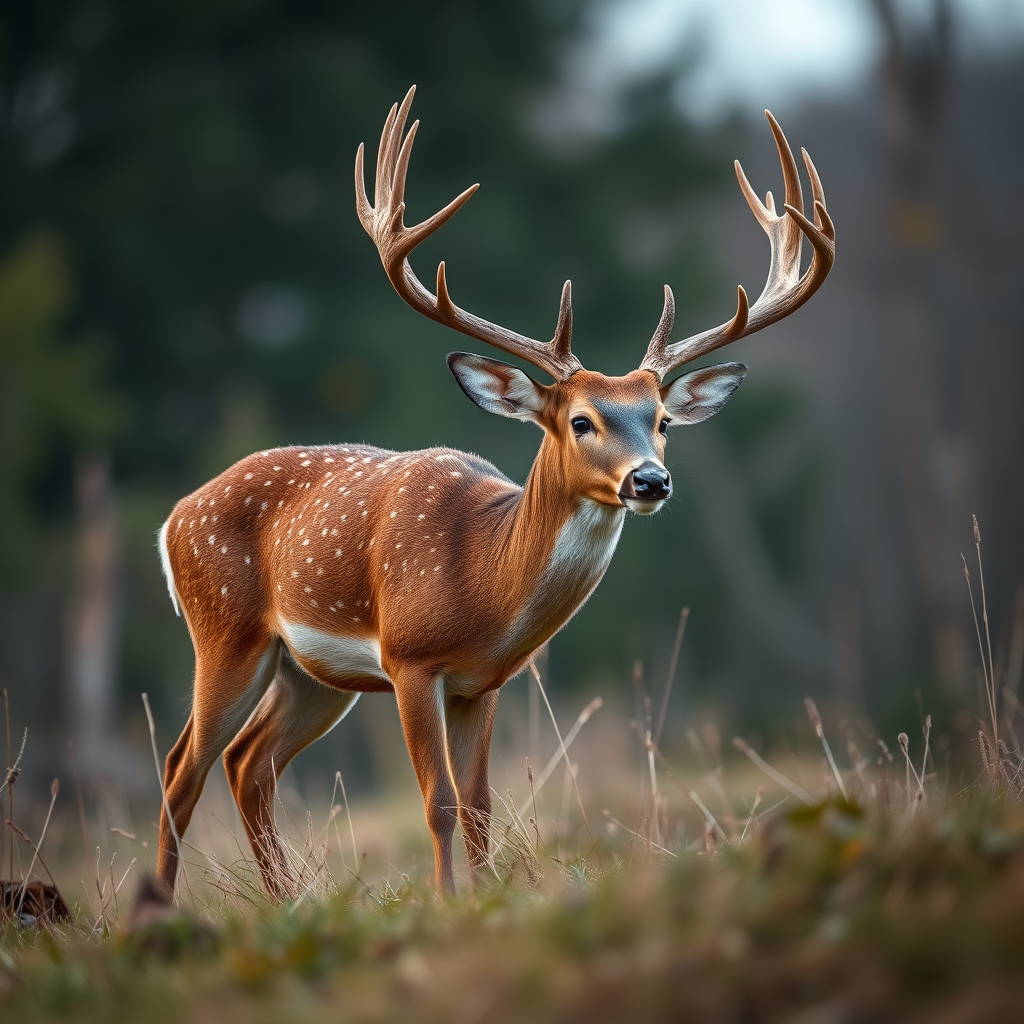
Yes, you can use a drone to recover deer in Pennsylvania, provided you adhere to the state’s regulations regarding drone usage for hunting purposes. Drones can be effective tools for locating deer in dense areas or tracking wounded animals, but their use is subject to specific guidelines to ensure ethical hunting practices and compliance with state laws. Understanding these regulations, the benefits of drone technology, and best practices for implementation can enhance your deer recovery efforts significantly.
Understanding Pennsylvania Drone Regulations
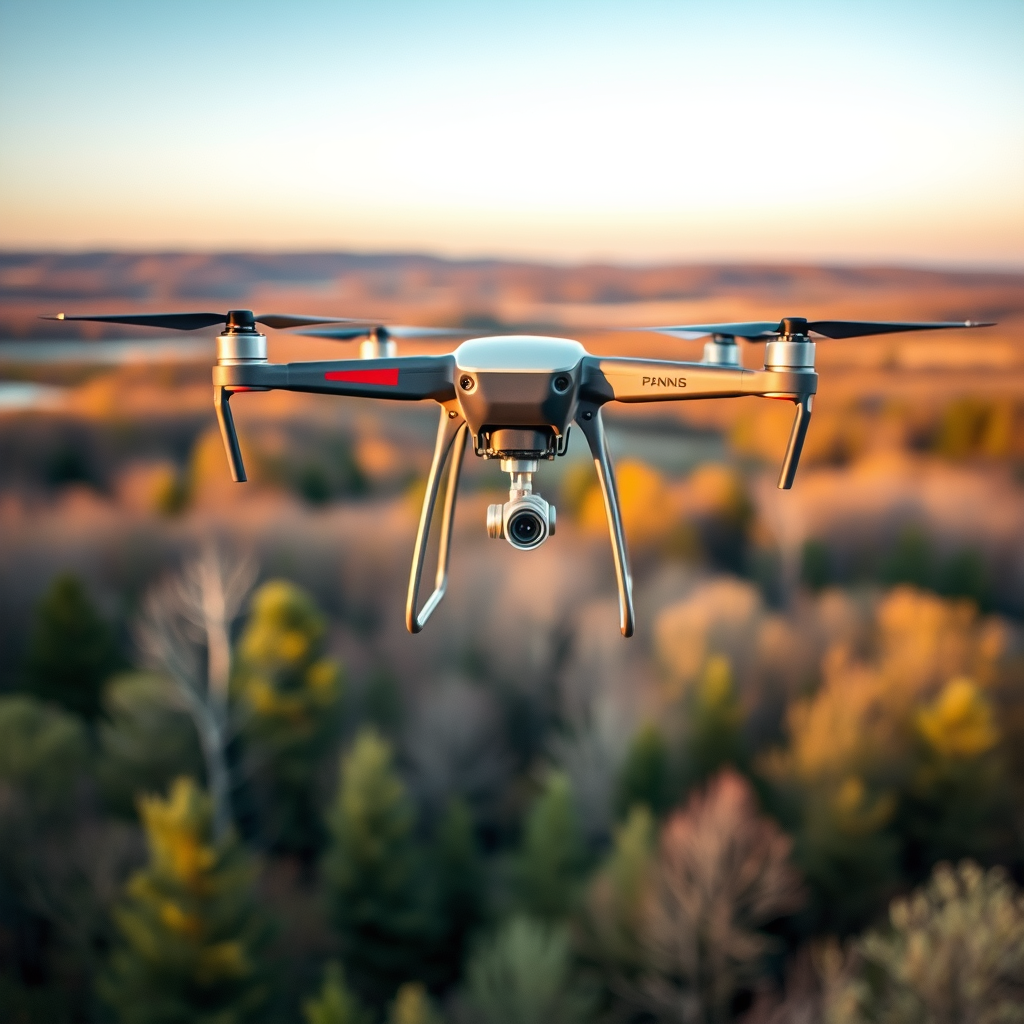
Drones operate under a strict set of guidelines established by the Federal Aviation Administration (FAA) and Pennsylvania game laws. According to the FAA, drones must be flown within the visual line of sight of the operator, and they must not interfere with manned aircraft or violate any airspace restrictions. In Pennsylvania, while hunting with drones is prohibited, their use for recovery purposes is permitted under specific conditions. It is essential for hunters to familiarize themselves with both FAA regulations and local game commission rules to ensure compliance. Failure to do so can result in fines or loss of hunting privileges.
Before deploying a drone for deer recovery, hunters must also be aware of any local ordinances that may restrict drone usage in certain areas, particularly in wildlife management units or state parks. Thus, thorough research is crucial to avoid potential legal issues.
Benefits of Using Drones for Deer Recovery
The utilization of drones for deer recovery offers numerous advantages. Primarily, drones can cover large areas quickly, significantly increasing the chances of locating a wounded deer. Traditional tracking methods can be time-consuming and labor-intensive, especially in rugged terrain or thick brush. Drones can fly over difficult-to-navigate landscapes, providing a bird’s-eye view that enhances situational awareness.
Moreover, many drones come equipped with advanced technologies such as thermal imaging cameras. This feature allows hunters to spot deer even in low visibility conditions, such as early morning or late evening when deer are most active. Thermal drones can detect the heat signatures of injured animals, even when they are hidden among foliage or in thick cover. This capability not only increases the likelihood of recovery but also helps ensure that hunters can retrieve the animal swiftly, minimizing suffering.
Types of Drones Suitable for Deer Recovery
When selecting a drone for deer recovery, there are various options available, each with its own set of features. Consumer drones equipped with high-resolution cameras are generally sufficient for locating deer from the air. Models such as the DJI Mavic Air 2 or the DJI Phantom 4 Pro offer excellent image quality and flight stability, making them ideal for scouting purposes.
For enhanced tracking capabilities, thermal drones such as the FLIR Duo or the DJI Mavic 2 Enterprise Dual can be invaluable. These drones can detect heat signatures, allowing hunters to locate wounded deer that may be hidden in dense cover or underbrush. When choosing a drone, it is essential to consider the flight time, camera quality, and ease of use, ensuring that the selected model aligns with your recovery needs and skill level.
Best Practices for Using Drones in Deer Recovery
To maximize the effectiveness of drone usage in deer recovery, certain best practices should be followed. First and foremost, ensure you have permission to fly in the area you plan to search. This may involve seeking permission from landowners or understanding any specific regulations related to drone use in public hunting lands.
Additionally, maintaining a safe distance from other hunters and wildlife is crucial to avoid disturbances. Drones can be noisy and may inadvertently scare off deer or disrupt other hunters. To minimize this impact, consider flying at higher altitudes and using quieter drone models if possible. Furthermore, it is advisable to perform thorough pre-flight checks to ensure the drone is fully operational and that batteries are adequately charged.
Finally, always adhere to ethical hunting practices. Drones should be used as a supplementary tool rather than a replacement for traditional tracking methods. Utilizing both techniques can lead to more successful recoveries while respecting wildlife and other hunters.
Limitations and Considerations
While drones present several advantages for deer recovery, there are also limitations and considerations to keep in mind. Weather conditions can significantly affect drone performance and visibility. High winds, rain, or snow can impair flight stability, reduce battery life, and obstruct camera functionality. It is advisable to assess weather forecasts before planning a drone-assisted recovery mission.
Moreover, while drones can enhance recovery efforts, they should not entirely replace traditional tracking methods. Knowledge of deer behavior, tracking skills, and an understanding of the terrain are still vital components of successful deer recovery. Combining drone technology with conventional tracking can lead to the best outcomes.
Ethical Considerations in Drone Use
Using drones for deer recovery raises several ethical considerations that hunters should not overlook. The impact on wildlife and other hunters is paramount. Drones can create noise and visual disturbances, potentially disrupting the natural behavior of deer and affecting the hunting experience for others. Therefore, it is essential to use drones responsibly and judiciously.
Moreover, hunters should prioritize humane tracking and retrieval methods. Quick and efficient recovery ensures that wounded animals do not suffer unnecessarily. The goal of any hunting endeavor should be to minimize the impact on wildlife while adhering to ethical standards. Additionally, hunters should consider sharing information about their drone use with fellow hunters in the area to promote transparency and cooperation.
In conclusion, using a drone to recover deer in Pennsylvania can be an effective and innovative method, as long as you follow the state’s regulations and maintain ethical hunting practices. Drones enhance recovery efforts by increasing the likelihood of locating wounded deer quickly and efficiently. By understanding the applicable laws, utilizing the right technology, and adhering to best practices, hunters can significantly improve their chances of successful deer recovery while respecting the natural environment and their fellow hunters. Investing in a drone may prove beneficial for those looking to enhance their hunting experience and ensure humane treatment of wildlife.
Frequently Asked Questions
Can you legally use a drone to track deer in Pennsylvania?
Yes, you can legally use a drone to track deer in Pennsylvania, but there are specific regulations you must follow. According to the Pennsylvania Game Commission, drones can be utilized for tracking wounded deer as long as they are not used to hunt or harass wildlife. It is vital to familiarize yourself with local laws and regulations regarding drone usage to ensure compliance and avoid potential fines.
What are the benefits of using a drone for deer recovery?
Using a drone for deer recovery offers several advantages, including enhanced visibility over large areas, the ability to quickly cover difficult terrain, and the capability to locate deer in dense vegetation. Drones equipped with thermal imaging cameras can also help identify the heat signatures of wounded animals, increasing the chances of successful recovery. This technology can save hunters time and effort, making the tracking process more efficient.
How do I choose the best drone for deer recovery?
When selecting a drone for deer recovery, consider factors such as flight time, camera quality, and payload capacity. Drones with a flight time of at least 20-30 minutes are ideal for covering larger areas, while models with high-resolution cameras or thermal imaging capabilities significantly enhance tracking efficiency. Additionally, ensure that the drone is user-friendly and has a reliable GPS system for accurate navigation.
What should I do if I find a deer using a drone?
If you locate a deer using a drone, it’s crucial to approach the situation responsibly. First, ensure that the deer is indeed wounded and not simply resting. If it is injured, follow up as soon as possible to recover the animal humanely. Be sure to check local laws regarding the recovery of deer, as there may be specific reporting requirements or guidelines to follow after recovery.
Why is it important to use technology like drones for deer recovery?
Utilizing technology like drones for deer recovery is important because it enhances the effectiveness of tracking efforts, particularly in challenging environments. Drones can provide real-time aerial views that are difficult to achieve on foot, allowing hunters to locate injured deer more quickly. This not only improves the chances of recovering the animal but also promotes ethical hunting practices by minimizing suffering and wastage.
