
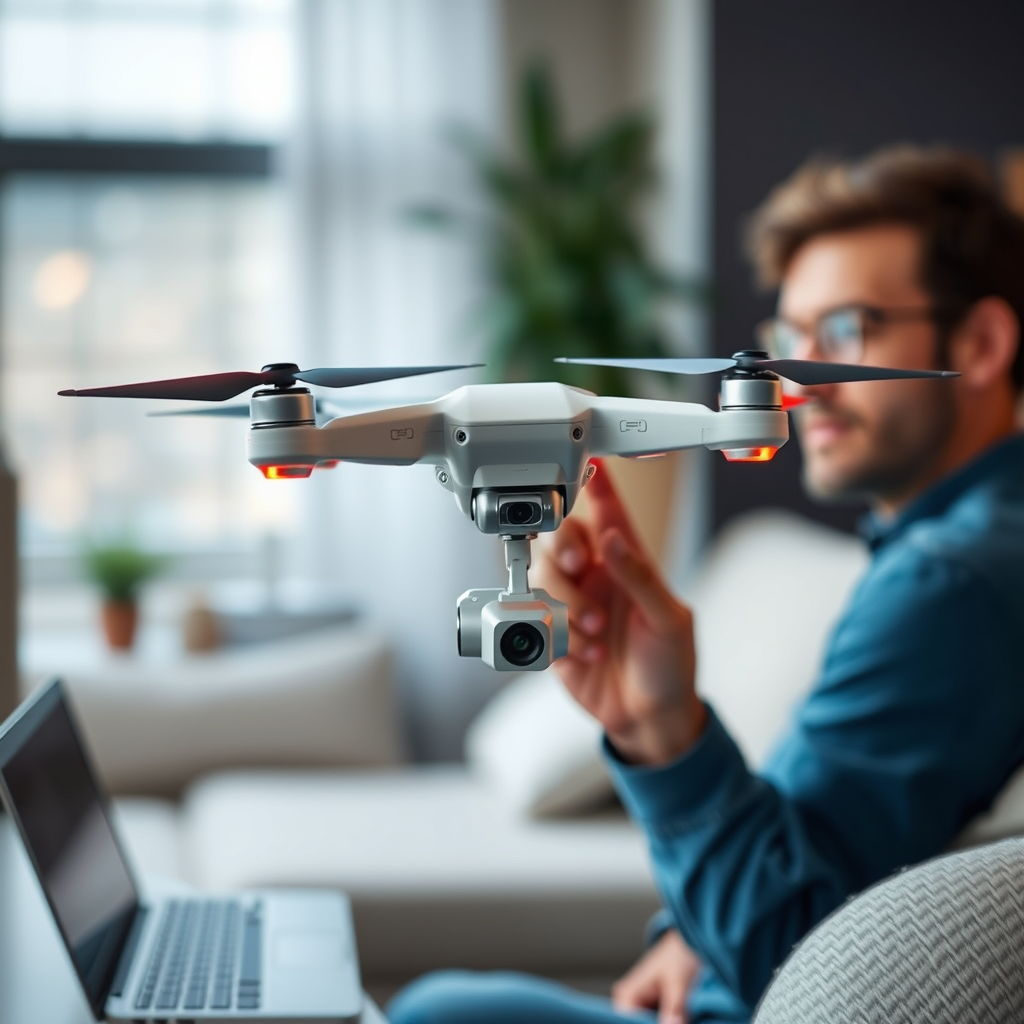
Yes, you can technically use a drone to spy on someone, but doing so raises significant legal and ethical concerns. The advent of drone technology has made surveillance easier and more accessible than ever, but the implications of such actions are far-reaching. In this article, we will explore the various aspects of using drones for surveillance, including the legal framework governing their use, the ethical considerations involved, the types of drones available for these purposes, alternative surveillance methods, and the future of drone technology.
Understanding Drone Surveillance
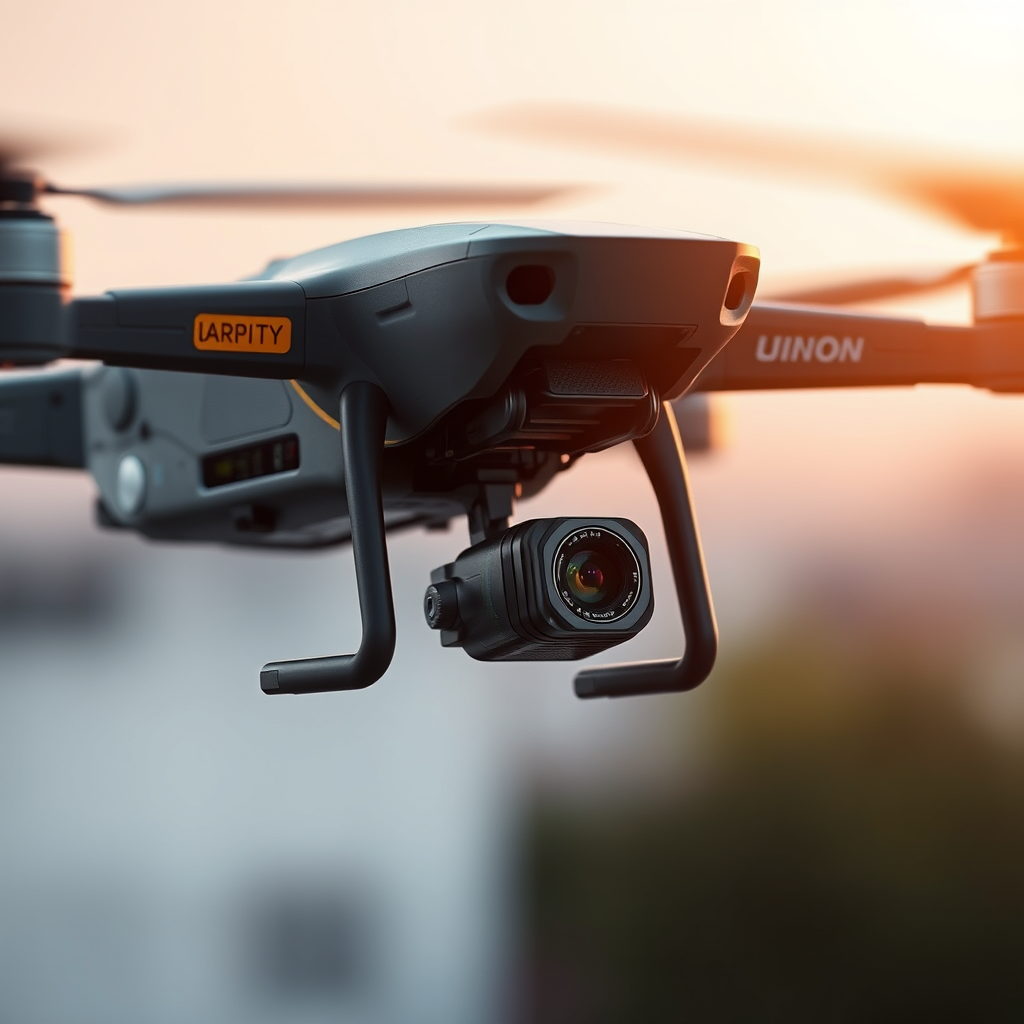
Drones, particularly those equipped with high-resolution cameras, have revolutionized the way surveillance is conducted. These unmanned aerial vehicles (UAVs) can capture images and videos with remarkable clarity, allowing users to monitor activities from a distance. The ability to operate drones remotely adds a layer of discretion that traditional surveillance methods cannot match, making them appealing for various applications, including security, real estate, and, unfortunately, illicit spying.
The versatility of drones permits them to fly at different altitudes and angles, providing unique vantage points for observation. For example, a drone can easily hover over a property or follow a person discreetly, capturing footage that could be used for various purposes. However, while the technological capabilities are impressive, they come with a host of implications that need to be carefully considered.
Legal Considerations
The use of drones for surveillance is heavily regulated in many countries, reflecting the growing concerns about privacy and civil liberties. In the United States, for instance, the Federal Aviation Administration (FAA) has established strict guidelines for commercial and recreational drone use. These regulations often include restrictions on flying over private property without permission, making unauthorized surveillance potentially illegal.
Violating privacy laws can lead to serious legal consequences, including hefty fines and criminal charges. In some cases, individuals have been prosecuted for stalking or harassment when drones were used to surveil others without their consent. For example, in California, legislation explicitly prohibits the use of drones to invade someone’s privacy, with violators facing civil penalties. Therefore, anyone considering using a drone for surveillance must be acutely aware of the legal ramifications and ensure compliance with local laws to avoid significant repercussions.
Ethical Implications
Beyond legal ramifications, the ethical implications of using drones for spying cannot be ignored. Employing a drone for surveillance can severely invade an individual’s privacy, eroding trust and leading to feelings of insecurity. The act of spying itself raises moral questions about the respect for personal boundaries and the right to privacy that everyone is entitled to.
Public perception of drone surveillance can also lead to social stigma and backlash. As drones become more common in everyday life, the awareness of their potential misuse has grown, fostering distrust among communities. A survey in the United Kingdom revealed that a significant percentage of respondents expressed concern about being monitored by drones, indicating a collective unease about privacy violations. Engaging in drone surveillance without a clear and legitimate purpose can damage relationships and reputations, highlighting the need for ethical considerations in the use of this technology.
Types of Drones Used for Surveillance
There are various types of drones available for surveillance, each with unique capabilities and price points. Consumer drones, such as the DJI Phantom series, are typically affordable and user-friendly, making them accessible to hobbyists and amateur users. While these drones can capture decent-quality images and videos, they may have limitations in terms of flight duration and advanced features.
On the other hand, professional-grade drones are designed for more sophisticated surveillance tasks. These drones often come equipped with advanced features such as thermal imaging, high-resolution cameras, and enhanced flight stability, making them suitable for commercial applications like law enforcement, search and rescue, and industrial inspections. For example, the senseFly eBee X is a professional drone that can cover large areas for mapping and surveying, providing detailed insights that can be crucial for decision-making.
Ultimately, the choice of drone will depend on the specific surveillance needs, budget, and the legal framework surrounding drone operations in the intended area of use.
Alternatives to Drone Surveillance
While drones present a unique method of surveillance, it is essential to explore alternative methods that may be equally effective without the associated legal complications. Ground-based surveillance techniques, such as security cameras, can provide comprehensive monitoring without the risks of aerial surveillance. These systems can be installed in strategic locations to capture activity and serve as a deterrent against unauthorized actions.
Additionally, employing drones for positive purposes can yield significant benefits for communities. For example, drones are increasingly used in search and rescue operations, allowing emergency responders to locate missing persons quickly and safely. They can also play a crucial role in wildlife monitoring, helping conservationists track endangered species and combat poaching. By focusing on the positive applications of drone technology, we can harness its capabilities for the greater good rather than enabling invasive practices.
Future of Drone Technology
The future of drone technology is promising, with ongoing advancements opening new avenues for both responsible use and potential misuse. Innovations such as artificial intelligence (AI) and machine learning are enhancing drone capabilities, allowing for more sophisticated data analysis and autonomous operations. These developments could improve the efficiency of legitimate surveillance applications, such as disaster monitoring and infrastructure inspections.
However, the rapid evolution of drone technology also raises concerns about regulation and oversight. Policymakers are increasingly faced with the challenge of establishing frameworks that balance innovation with privacy rights and public safety. Ongoing discussions about regulations will be critical in shaping how drones can be used in the future, ensuring that they serve society positively while minimizing risks associated with misuse.
In conclusion, while it is possible to use a drone to spy on someone, it is crucial to consider the legal and ethical ramifications of such actions. The implications of drone surveillance extend beyond mere capability, touching on fundamental issues of privacy, trust, and community relations. Responsible use of drone technology can yield positive outcomes, such as aiding in search and rescue efforts or environmental monitoring. Therefore, it is essential to think twice before engaging in surveillance practices that may have far-reaching consequences.
Frequently Asked Questions
Can I legally use a drone to spy on someone without their consent?
No, using a drone to spy on someone without their consent is generally illegal and can violate privacy laws. Most jurisdictions have specific regulations that prohibit unauthorized surveillance, and flying a drone equipped with a camera over someone’s private property can lead to legal consequences, including fines or criminal charges. It’s essential to understand local laws regarding drone usage and privacy before operating a drone for any purposes.
What are the potential legal consequences of using a drone to invade someone’s privacy?
The legal consequences of using a drone to invade someone’s privacy can vary depending on local laws but may include civil lawsuits for invasion of privacy, fines, and even criminal charges such as stalking or harassment. Victims of drone surveillance can file complaints with local law enforcement, leading to investigations that could result in severe penalties for the drone operator. It’s crucial to respect individuals’ privacy rights to avoid these repercussions.
How can I use a drone for legitimate purposes without invading someone’s privacy?
You can use a drone for legitimate purposes by ensuring you adhere to privacy laws and regulations. This includes obtaining consent before capturing images or video on private property, avoiding flying over residential areas without permission, and using the drone for purposes such as aerial photography for events, inspections, or land surveying. Always be transparent about your drone’s purpose and operations to maintain ethical standards.
Why do people use drones for surveillance, and what are the risks involved?
People may use drones for surveillance to gather information for various reasons, such as security monitoring, wildlife observation, or research purposes. However, the risks involved include violating privacy laws, facing backlash from the public, and potential legal action from individuals who feel their privacy has been compromised. It’s essential to weigh the benefits of drone surveillance against the ethical implications and legal responsibilities associated with it.
Which drone features should I look for if I want to capture high-quality footage without invading privacy?
When selecting a drone for capturing high-quality footage while respecting privacy, look for features such as high-definition cameras, gimbal stabilization for smooth video, and obstacle avoidance systems to navigate safely. Additionally, consider drones with flight modes that allow you to maintain a safe distance from people and private properties, ensuring compliance with privacy laws. Brands like DJI and Autel Robotics offer models with these features, making them suitable for responsible aerial photography.
References
- https://en.wikipedia.org/wiki/Drone#Civilian_use
- https://www.theguardian.com/technology/2020/jun/27/drone-privacy-issues
- https://www.aclu.org/issues/privacy-technology/surveillance-technologies/drone-surveillance
- https://www.nytimes.com/2021/03/05/technology/drone-privacy-issues.html
- https://www.ncbi.nlm.nih.gov/pmc/articles/PMC6526515/
- https://www.faa.gov/uas/resources/policies_regulations/
- https://www.techrepublic.com/article/how-drones-are-challenging-privacy-issues-in-the-us/
