
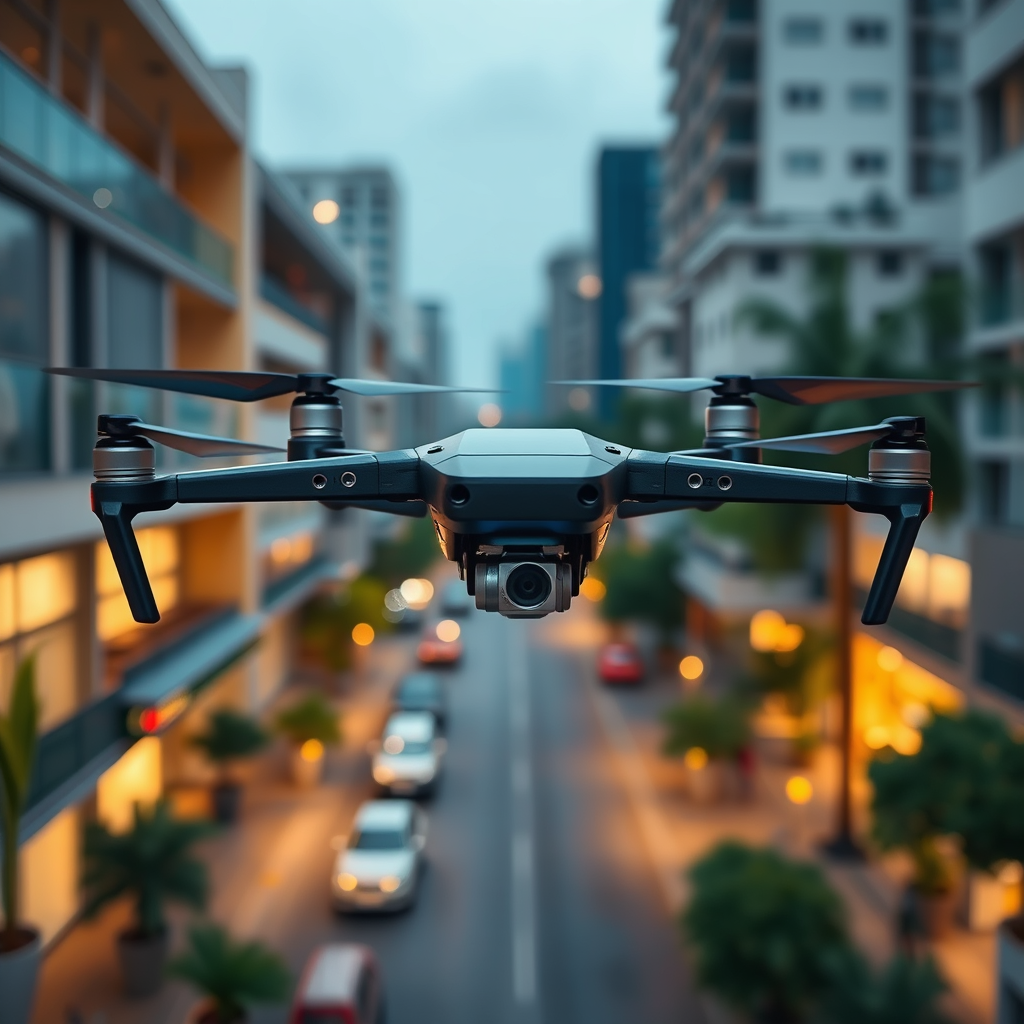
Yes, you can use drones in Vietnam, but there are specific regulations and guidelines you must follow. The Vietnamese government has established rules to ensure safety and security, which every drone operator should understand before flying. As the popularity of drone technology continues to rise globally, Vietnam has taken steps to regulate drone usage, ensuring that both local and foreign operators can enjoy this technology while respecting the country’s laws and cultural nuances.
Understanding Vietnam’s Drone Laws
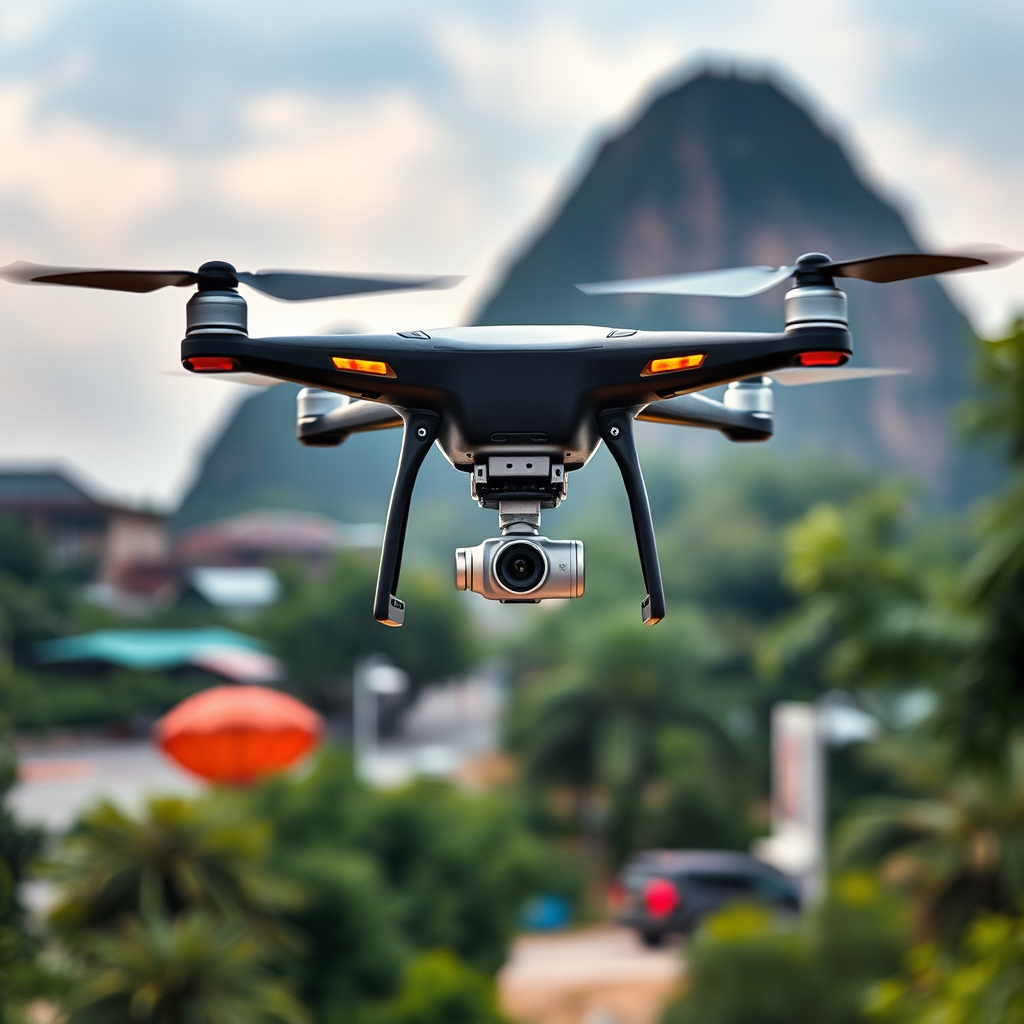
To operate a drone in Vietnam, users are required to register their drones with the government. This registration process is crucial as it helps authorities keep track of drone users and ensure compliance with national regulations. The Vietnamese government has set specific weight limits for drones: typically, drones weighing over 0.25 kg (approximately 0.55 lbs) must be registered. Furthermore, operational guidelines are enforced, especially for commercial use, which encompasses aerial photography, surveying, and delivery services. Operators must also adhere to altitude restrictions, with general limits set around 120 meters (394 feet) above ground level for recreational use.
It’s important to note that drone users must familiarize themselves with the Civil Aviation Law of Vietnam and the corresponding decrees that govern drone operations. Ignoring these regulations can lead to severe penalties, including fines and the confiscation of equipment.
Permits and Licenses Required
In addition to registering their drones, operators must obtain the necessary permits and licenses for specific flight operations. A permit is particularly crucial for flying drones in sensitive areas, which often include regions near airports, military zones, and densely populated urban areas. For commercial drone operators, acquiring a license from the Ministry of Transport is mandatory. This process often involves submitting detailed flight plans and demonstrating compliance with safety measures.
The licensing process can be complex, typically requiring documentation such as proof of insurance, pilot training certificates, and operational safety plans. Engaging with local authorities and acquiring the right permits not only ensures legal compliance but also builds a positive relationship with the community, which can be beneficial for future operations.
Restricted Areas for Drone Usage
Vietnam has designated certain areas where drone usage is strictly prohibited. Sensitive locations include government buildings, military installations, and areas of national security. Additionally, national parks and heritage sites may have specific restrictions to protect the environment and wildlife. For instance, the Phong Nha-Kẻ Bàng National Park, a UNESCO World Heritage Site, imposes strict regulations on drone flights to minimize disturbance to its unique ecosystem.
Before flying, operators are advised to conduct thorough research and check local maps or government websites for restricted airspaces. Many local municipalities may also have their own regulations, which can vary significantly from national laws. Ignoring these restrictions not only risks legal repercussions but can also threaten public safety and the preservation of cultural heritage.
Safety and Compliance Measures
Safety is paramount when operating drones in Vietnam. Operators must adhere to established safety protocols, which include maintaining a visual line of sight with the drone at all times. This rule is designed to prevent accidents and ensure that operators can respond quickly to any issues that arise during flight. Additionally, operators should conduct pre-flight checks to ensure that their equipment is in good working condition and that all safety features are functional.
Insurance is another essential aspect of responsible drone operation. While not mandated by law, obtaining insurance coverage can protect operators from potential liabilities that may arise from accidents or damage caused during flights. It is advisable to consult with insurance providers who specialize in drone coverage to find a policy that meets both legal requirements and personal needs.
Cultural Considerations While Flying
When flying drones in Vietnam, it is crucial to respect local customs and cultural sensitivities. Avoid flying over crowded places, religious sites, or private properties without the explicit permission of the landowners. Engaging with local communities before flying can enhance the experience and facilitate smoother operations. For instance, informing local residents about your intentions to fly can foster goodwill and potentially provide valuable insights into acceptable practices for drone usage in their area.
Moreover, being aware of local customs and traditions can help operators avoid unintentional disrespect. In many Vietnamese communities, privacy is highly valued, and aerial photography may not always be welcomed. Always approach such situations with sensitivity and a willingness to adapt your plans.
Recent Changes in Regulations
Drone regulations in Vietnam are evolving, and it is essential for operators to stay updated with the latest laws. As technology advances and the popularity of drones increases, the government may introduce new regulations to address emerging safety concerns and technological capabilities. Keeping abreast of these changes can be achieved by regularly checking official government websites, following local news sources, and engaging with drone user communities.
For instance, recent discussions within the Vietnamese government have focused on creating clearer guidelines for both recreational and commercial drone use, including potential changes to registration processes and operational limits. Staying informed can help drone operators avoid potential pitfalls and ensure compliance with the most current legal frameworks.
In conclusion, while you can use drones in Vietnam, it’s crucial to understand and comply with the legal framework to ensure a safe and enjoyable experience. From registering your equipment to obtaining the necessary permits and being aware of cultural sensitivities, every step taken toward understanding Vietnam’s drone regulations contributes to responsible and respectful drone operation. Always check for the latest updates on regulations and local customs before embarking on your drone flying adventure, as this diligence will not only enhance your experience but also foster a positive relationship with the communities you engage with.
Frequently Asked Questions
Can I legally fly a drone in Vietnam?
Yes, you can legally fly a drone in Vietnam, but strict regulations apply. Drone operators must register their drones with the Civil Aviation Authority of Vietnam (CAAV) and obtain a permit for commercial use. Additionally, flying is prohibited in certain areas, such as near airports, military zones, and crowded public spaces, so it’s essential to check local laws and restrictions before flying.
What are the regulations for drone usage in Vietnam?
In Vietnam, drone regulations require pilots to adhere to specific guidelines set by the CAAV. Drones weighing more than 0.25 kg must be registered, and operators need to demonstrate a basic understanding of aviation regulations. Moreover, drones should not be flown above 120 meters (394 feet), and users must maintain line-of-sight with their drones at all times. Familiarizing yourself with these regulations is crucial to avoid fines or confiscation.
How do I obtain a drone permit in Vietnam?
To obtain a drone permit in Vietnam, you need to submit an application to the Civil Aviation Authority, including details about your drone, its intended use, and your qualifications as a pilot. This process typically involves providing documentation such as your ID, flight plan, and proof of insurance. It’s advisable to begin the application process well in advance of your intended flight dates, as approval can take time.
What are the best places to fly a drone in Vietnam?
The best places to fly a drone in Vietnam include scenic locations like Ha Long Bay, the terraced fields of Sapa, and the ancient town of Hoi An. However, ensure that these areas do not have specific restrictions on drone usage. Always check local regulations and consider the time of day and weather conditions to capture the best footage while being compliant with the law.
Why is it important to follow drone regulations in Vietnam?
Following drone regulations in Vietnam is essential for safety, legal compliance, and respecting local customs. Violating drone laws can result in hefty fines, confiscation of your drone, or even legal action. Additionally, adhering to regulations helps protect the privacy and safety of individuals and wildlife, ensuring a positive experience for both drone operators and the communities they engage with.
References
- https://www.gov.uk/guidance/drone-operations-in-vietnam
- https://www.bbc.com/news/world-asia-48858787
- https://www.reuters.com/article/us-vietnam-drone-idUSKBN1Y20O4
- https://www.wired.com/story/flying-drones-in-vietnam/
- https://en.wikipedia.org/wiki/Unmanned_aerial_vehicle#Vietnam
- https://www.nytimes.com/2021/07/29/world/asia/vietnam-drones.html
- https://www.asiapacific.ca/publication/using-drones-vietnam-benefits-challenges
- https://www.theguardian.com/world/2020/dec/16/vietnam-drone-usage-legal-framework
- https://www.icao.int/safety/drones/Pages/default.aspx
- https://www.hindawi.com/journals/mse/2021/8837474/
