
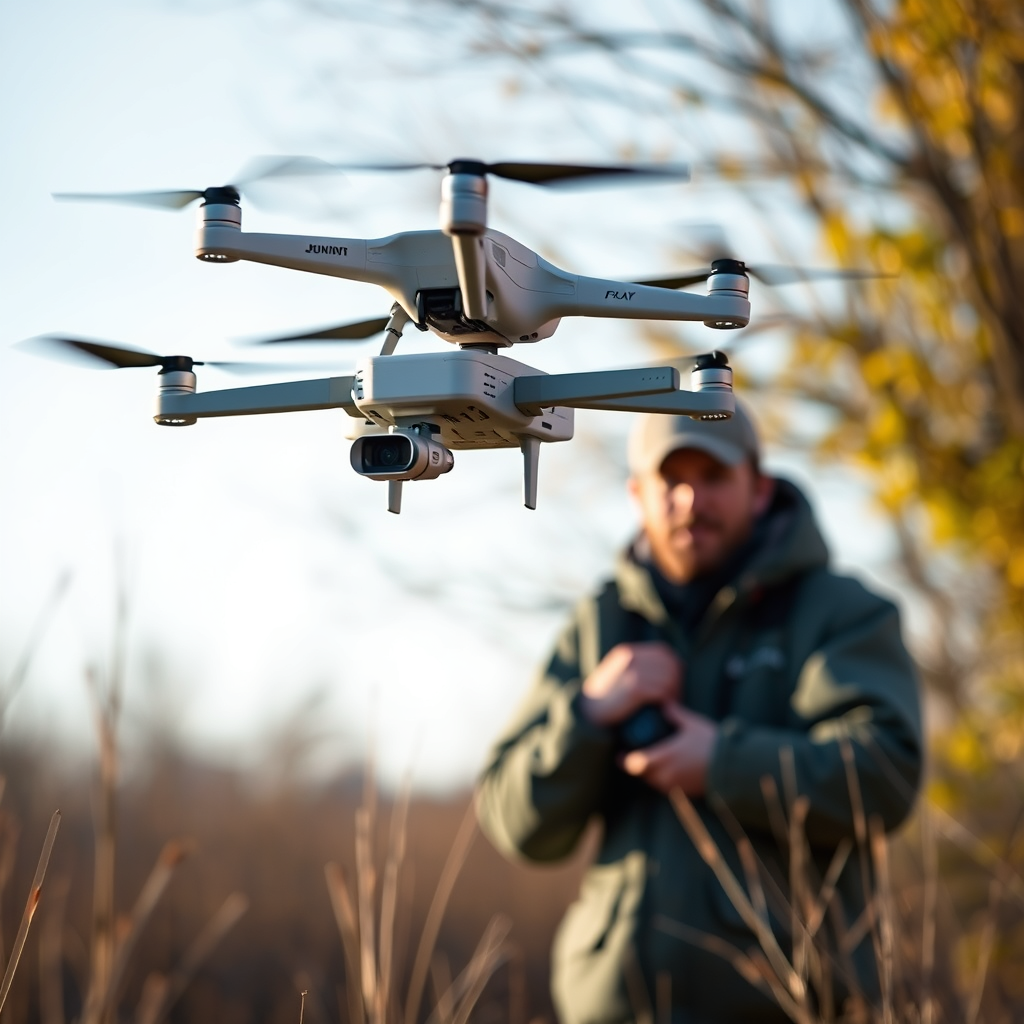
Yes, you can use drones in the context of deer hunting, but there are significant legal and ethical considerations to keep in mind. Drones can be a powerful tool for scouting and tracking deer, allowing hunters to gather critical information about animal behavior and habitat. However, the actual use of drones for hunting purposes may be prohibited in many areas, raising important questions about legality and ethics in the sport. This article explores the potential benefits and limitations of using drones for deer hunting, providing a comprehensive overview for both seasoned hunters and newcomers to the practice.
Understanding the Legal Landscape
Regulations regarding the use of drones in hunting vary widely by state and country, reflecting different attitudes toward wildlife management and technological advancements. In the United States, for instance, the Federal Aviation Administration (FAA) governs the use of drones, while individual states set their own laws regarding hunting practices. Many states explicitly prohibit the use of drones for tracking, locating, or hunting game animals, with some even banning the use of drones in the hunting context entirely. For example, states like California and Arizona have strict regulations that restrict drone use during hunting seasons. It is essential for hunters to familiarize themselves with local laws to avoid legal repercussions. Additionally, as drone technology evolves, hunters should stay updated on any changes to regulations that may affect their practices.
Benefits of Using Drones for Scouting
Drones offer several advantages when it comes to scouting for deer, making them an attractive option for hunters looking to enhance their strategy. One of the primary benefits is the ability to cover large areas quickly. A drone equipped with a high-resolution camera can survey vast landscapes, identifying deer movement patterns that would be difficult to observe from the ground. This aerial perspective can reveal hidden trails, feeding areas, and potential bedding sites that could be crucial for planning a successful hunt. For example, a drone can help hunters identify where deer congregate during certain times of the day or year, allowing for more informed decisions about when and where to set up. Furthermore, drones can be used to monitor environmental conditions, such as changes in vegetation or water sources, which can significantly impact deer behavior.
Ethical Considerations in Drone Hunting
While the technological advantages of drones are clear, their use in hunting raises significant ethical considerations. One major concern is the principle of fair chase, which emphasizes the importance of providing animals with a reasonable chance to escape. The use of drones can be seen as undermining this principle, as they offer a significant advantage to hunters by providing real-time surveillance and tracking capabilities. Ethical hunters must reflect on how drone usage affects not only their experience but also the overall integrity of the sport. Additionally, there are concerns about the potential stress and disruption drones may cause wildlife, particularly if they are used in areas where deer are known to frequent. Responsible hunters should carefully weigh these ethical implications against the potential benefits of using drones in their hunting practices.
Technology and Equipment Required
To effectively use drones for scouting purposes, hunters need to invest in good quality aerial equipment. A drone with a high-resolution camera is essential for capturing clear images and video footage of deer and their habitats. Drones equipped with thermal imaging technology can also be particularly beneficial for locating deer at night or in low-visibility conditions. Familiarity with drone operation and local regulations is crucial for safe usage; hunters should consider taking a drone piloting course or practice in open areas to gain confidence. Additionally, it’s important to keep the drone in compliance with FAA regulations, ensuring that it remains within the operator’s line of sight and adheres to altitude restrictions. Understanding the technical aspects of drone operation can enhance scouting effectiveness and ensure responsible use.
Alternatives to Drone Hunting
While drones present new opportunities for scouting and tracking, traditional methods remain valuable and effective. Trail cameras, for instance, have long been a staple for hunters, allowing them to monitor deer activity without intruding on their natural behaviors. These devices can capture images and videos over extended periods, providing invaluable data about deer patterns and movements. On-foot exploration, although more labor-intensive, offers a personal connection to the environment and a deeper understanding of local wildlife. Engaging with local hunting communities and sharing knowledge can also be a great way to gain insights into successful scouting techniques. Ultimately, combining traditional methods with modern technology may yield the best results for hunters.
Future Trends in Drone Hunting
As technology continues to advance, the applications of drones in wildlife management and hunting are likely to evolve. New developments in drone technology, such as enhanced battery life, improved imaging capabilities, and artificial intelligence, may lead to more sophisticated tools for monitoring wildlife. These advancements could facilitate not only scouting but also contribute to conservation efforts by helping manage deer populations and their habitats. However, ongoing discussions about regulations surrounding drone use in hunting will shape the future of this practice. It is crucial for hunters to remain engaged in these conversations and advocate for regulations that balance the benefits of technology with the ethical considerations of hunting.
In summary, while drones can be a valuable tool for scouting deer, their use in actual hunting scenarios is often restricted and raises ethical questions. Hunters should stay informed about local laws and consider the implications of using drones as part of their hunting strategy. By understanding the legal landscape, weighing the benefits against ethical considerations, and exploring traditional scouting methods, hunters can make informed decisions that respect both the sport and the wildlife they pursue.
Frequently Asked Questions
Can you legally use drones to hunt deer in the United States?
The legality of using drones to hunt deer varies by state and local regulations. In many states, using drones for hunting purposes is prohibited, as it may be considered unfair hunting practices. It’s essential to check with your state’s wildlife agency for specific laws regarding drone usage in hunting to ensure compliance and avoid penalties.
How can drones assist in deer hunting without violating legal restrictions?
Drones can be used for scouting and monitoring deer populations without directly engaging in hunting activities. By using drones to survey large areas, hunters can identify deer movement patterns, locate food sources, and track herd health. This information can enhance the hunting experience while staying within legal boundaries, as long as the drone is not used to harass or drive deer.
Why might hunters want to use drones for deer hunting?
Hunters may want to use drones for deer hunting to gain a significant advantage in locating deer. Drones can cover vast terrains quickly and provide aerial views that are difficult to achieve on foot. This technology allows hunters to gather real-time information about deer locations and behaviors, which can improve their chances of a successful hunt while ensuring ethical practices are maintained.
What are the best drone features for scouting deer during hunting season?
The best drones for scouting deer typically feature high-resolution cameras, long battery life, and GPS capabilities. A drone with at least 1080p video quality allows for clear identification of deer from a distance. Additionally, GPS-enabled drones can create flight paths that ensure efficient coverage of hunting areas while maintaining a safe distance from wildlife, reducing the risk of disturbance.
Which states have the most restrictive laws regarding drone usage in hunting?
States with the most restrictive laws regarding drone usage in hunting include California, Idaho, and New York, where regulations often prohibit the use of drones for any hunting-related activities. These states prioritize wildlife conservation and ethical hunting practices, so it is crucial for hunters to familiarize themselves with local laws to ensure they are not inadvertently breaking the rules while using drone technology.
References
- https://www.wildlife.state.nm.us/hunting/hunting-with-drones/
- https://www.nraila.org/articles/20160930/drones-and-hunting
- https://www.theguardian.com/environment/2016/jun/02/using-drones-to-hunt-deer-ethics
- https://www.nytimes.com/2014/08/17/us/drones-are-now-hunting-tools.html
- https://www.michigan.gov/dnr/0,4570,7-153-10370_12145-353909–,00.html
