
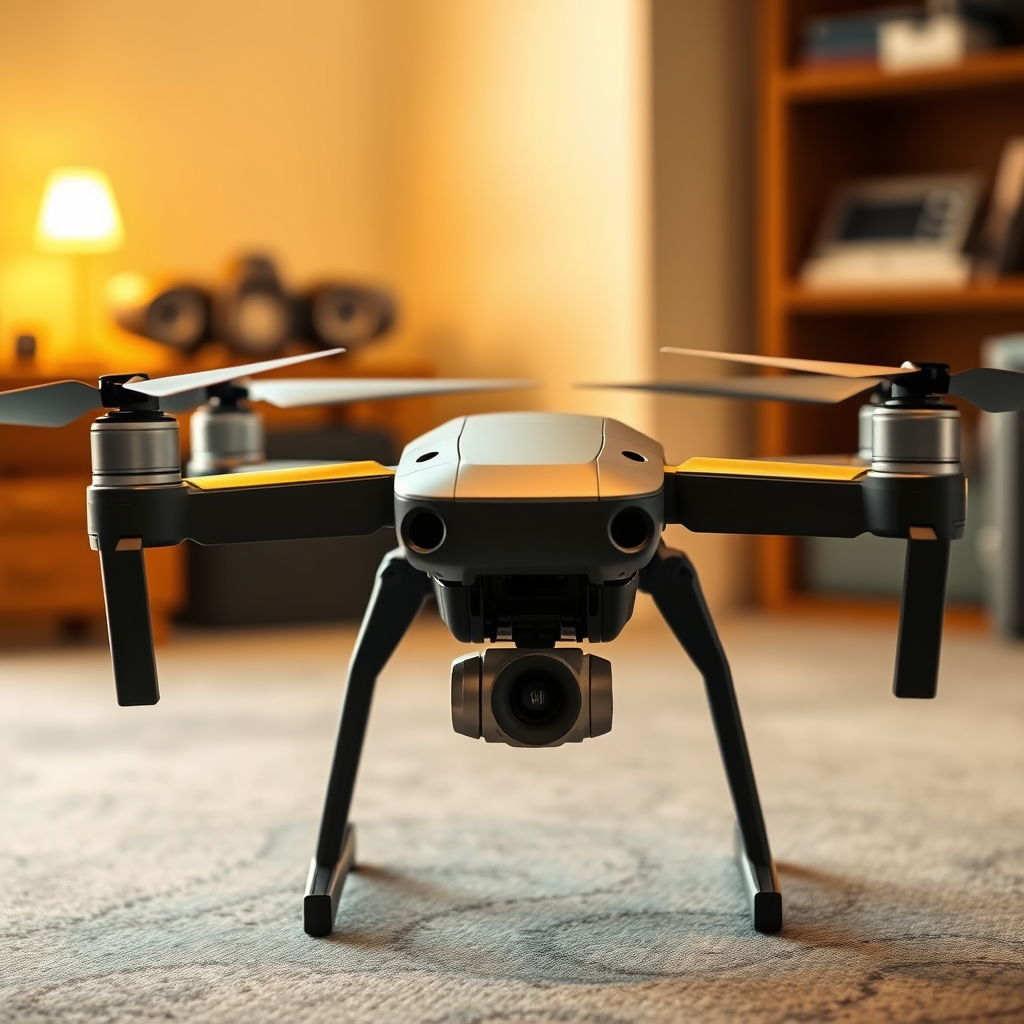
Military drones can vary significantly in size, ranging from small, portable units to massive aircraft. The largest military drones can reach wingspans comparable to traditional manned aircraft, with some even exceeding 100 feet in length. This article explores the different sizes of military drones, their capabilities, and the factors that influence their dimensions.
Overview of Military Drone Sizes
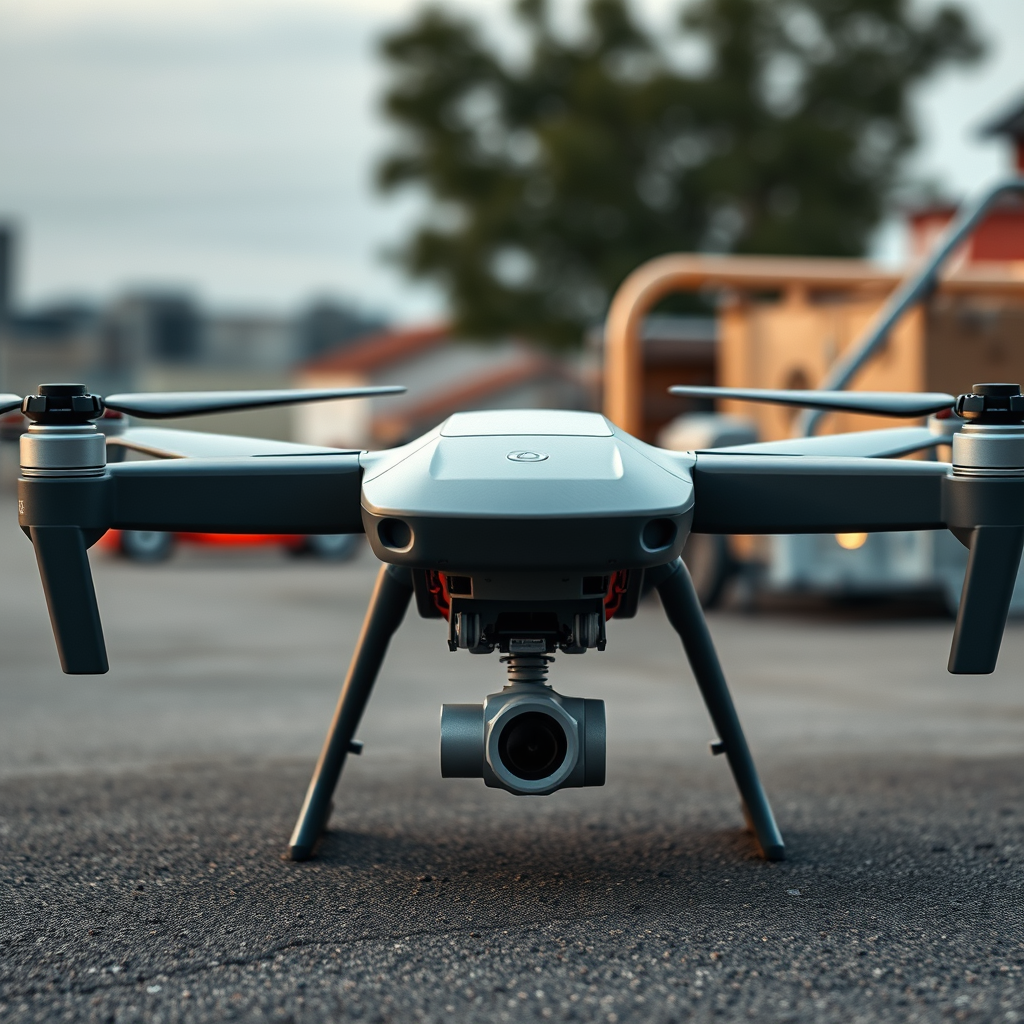
Military drones, also known as unmanned aerial vehicles (UAVs), are categorized into three primary classes based on their size: small, medium, and large. Each class serves distinct operational roles and is designed to meet specific mission requirements. The size of a military drone often correlates with its intended mission and payload capacity, affecting its range, duration of flight, and the types of equipment it can carry. Small drones are typically employed for reconnaissance and surveillance, while medium and large drones are often used for combat and intelligence-gathering missions. Understanding the classification of these drones is essential for comprehending their roles within military operations.
Examples of Small Military Drones
Small military drones usually weigh less than 50 pounds and are designed for tactical operations, primarily focusing on surveillance and reconnaissance missions. One notable example is the RQ-11 Raven, a hand-launched drone used by ground forces to gather intelligence in real-time. The Raven can stay aloft for up to 90 minutes and has a range of around 10 kilometers, making it a valuable asset for forward troops who require immediate situational awareness. Another example is the Wasp III, which offers similar capabilities but is equipped with advanced imaging technology, allowing for high-resolution video and still imagery. These small drones provide significant operational advantages by enhancing situational awareness while minimizing risk to personnel.
Medium-Sized Military Drones
Medium-sized military drones, such as the MQ-1 Predator, typically have a wingspan of around 55 feet, positioning them as versatile platforms for both surveillance and combat missions. The Predator, which has been in service since the late 1990s, is equipped with sensors for intelligence gathering and can be armed with precision-guided munitions, such as Hellfire missiles. This dual capability allows it to perform a variety of missions, from long-range reconnaissance to targeted strikes. The versatility of medium-sized drones makes them ideal for missions requiring a balance between payload capacity and operational flexibility. Moreover, their relatively larger size compared to small drones enables them to carry advanced technology, such as synthetic aperture radar and signals intelligence equipment, enhancing their effectiveness in complex combat environments.
Large Military Drones
Large military drones, exemplified by the MQ-9 Reaper, can have wingspans exceeding 66 feet and are capable of carrying substantial payloads, including weapons and advanced sensors. The Reaper is a crucial component of modern military operations, known for its ability to conduct long-endurance missions of over 24 hours and operate at altitudes of up to 50,000 feet. This drone can be armed with a variety of munitions, including laser-guided bombs and air-to-ground missiles, making it a formidable asset in both reconnaissance and strike roles. The extended range and endurance of large drones allow them to execute missions in hostile territories where manned aircraft might be vulnerable or impractical. Their ability to operate autonomously or under remote control adds another layer of flexibility, enabling them to adapt quickly to changing operational demands.
Factors Influencing Drone Size
Several factors influence the size and design of military drones, with mission requirements being the most significant. The operational range, flight duration, and payload capacity dictate the dimensions of the drone. For instance, missions that require extensive surveillance over vast areas necessitate larger drones that can carry sophisticated sensors and maintain prolonged flight times. Additionally, advancements in technology, such as improved battery life and lightweight materials, have enabled engineers to design drones that are both smaller and more capable. This shift towards efficiency has resulted in a size-to-capability ratio that allows for increased operational effectiveness without the need for larger physical dimensions. The balance between size, weight, and capability is a critical aspect of drone development, influencing how military forces strategize their use in various combat scenarios.
The Future of Military Drone Development
The future of military drone development is poised for significant advancements, particularly in creating larger and more capable drones with enhanced stealth and endurance characteristics. Ongoing research aims to integrate artificial intelligence and machine learning technologies, which can revolutionize how drones operate in combat. These advancements could lead to drones that can autonomously make decisions based on real-time data analysis, significantly increasing their effectiveness and reducing the cognitive load on human operators. Furthermore, the incorporation of advanced stealth technologies aims to reduce the radar signatures of these drones, allowing them to operate undetected in hostile environments. As the landscape of warfare continues to evolve, the dimensions and capabilities of military drones will likely adapt to meet the challenges of future conflicts, making them indispensable tools for modern military strategies.
In summary, military drones exhibit a vast range of sizes, from small tactical units to large, sophisticated aircraft capable of executing complex missions. Understanding these dimensions is crucial for grasping their operational roles and the future developments within this rapidly evolving field. As military technology continues to advance, the integration of innovative designs and technologies will further shape the capabilities of drones, ensuring they remain pivotal in defense operations. If you’re interested in military technology, stay tuned for more insights into the evolving world of drones.
Frequently Asked Questions
What is the largest military drone currently in use?
The largest military drone currently in use is the Northrop Grumman RQ-4 Global Hawk, which has a wingspan of 130.9 feet (40 meters) and an overall length of 44.4 feet (13.6 meters). Designed for high-altitude surveillance, the Global Hawk can fly at altitudes of up to 60,000 feet and has a range of approximately 12,300 nautical miles. Its size allows it to carry advanced sensors and surveillance equipment, making it a critical asset for military intelligence operations.
How does the size of military drones impact their capabilities?
The size of military drones significantly impacts their capabilities in several ways. Larger drones, like the MQ-9 Reaper, can carry heavier payloads, including advanced weapons systems and sophisticated surveillance equipment, enhancing their operational effectiveness. Additionally, larger drones typically have better endurance and can fly longer distances, making them suitable for extensive reconnaissance missions. However, smaller drones are often more agile and can operate in tighter spaces, making them effective for tactical operations.
Why are military drones so large compared to commercial drones?
Military drones are generally larger than commercial drones due to their specific operational requirements. The larger size allows military drones to carry more sophisticated technology, such as high-resolution cameras, radar systems, and weaponry, which are essential for effective surveillance and combat missions. Additionally, military drones often need to operate at higher altitudes and longer ranges, necessitating a more robust design to withstand varying weather conditions and extended flight durations.
Which military drone has the best balance between size and functionality?
The MQ-9 Reaper is often regarded as the military drone with the best balance between size and functionality. With a wingspan of 66 feet (20 meters) and the ability to carry up to 3,750 pounds of payload, it effectively combines size with versatile capabilities, including surveillance, reconnaissance, and precision strike missions. Its design allows for a range of operations from long-endurance flights to immediate tactical responses, providing military operators with a flexible tool for modern warfare.
What factors determine the maximum size of military drones?
The maximum size of military drones is determined by several factors, including mission requirements, payload capacity, and regulatory constraints. Larger drones can accommodate more advanced technology and weapons but may also face limitations related to airspace regulations and operational environments. Additionally, logistical considerations such as transportability, maintenance, and cost-effectiveness play a crucial role in determining the optimal size of military drones for specific operations.
References
- https://en.wikipedia.org/wiki/Military_drone
- https://www.reuters.com/article/us-usa-drones-idUSKBN2A20J1
- https://www.bbc.com/news/world-us-canada-56014477
- https://www.rand.org/pubs/research_reports/RR3083.html
- https://www.c-span.org/video/?465216-1/military-drones-size-capabilities
- https://www.nytimes.com/2021/06/02/us/military-drones.html
- https://www.airforce.com/drones
- https://www.armytimes.com/2021/11/30/the-us-military-is-expanding-its-drone-fleet-with-a-new-giant-drone/
