
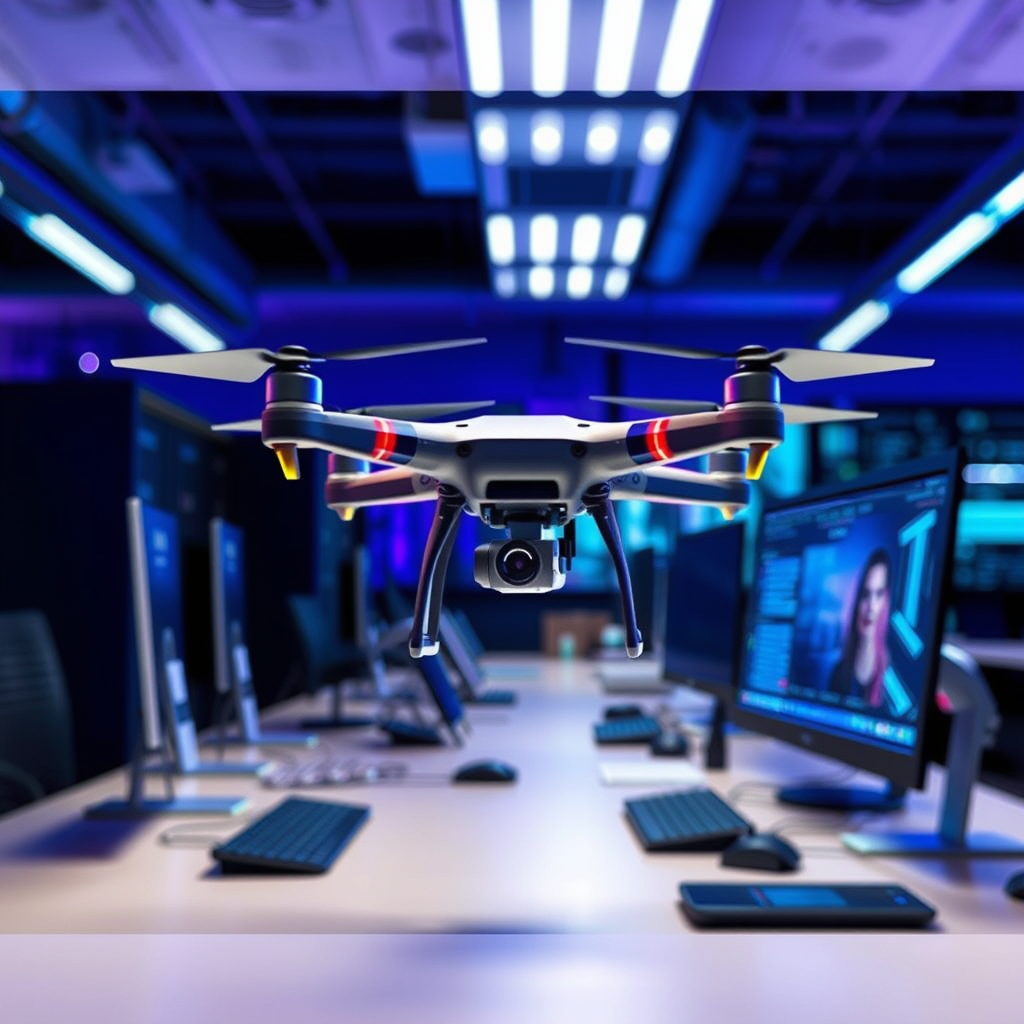
Drones are revolutionizing multiple industries by enhancing efficiency, improving safety, and providing innovative solutions tailored to various applications. Their versatility allows them to perform tasks ranging from crop monitoring to emergency response, proving to be invaluable assets for both individuals and organizations. As technology advances, the potential of drones continues to grow, offering new capabilities that can transform traditional operations.
Applications in Agriculture
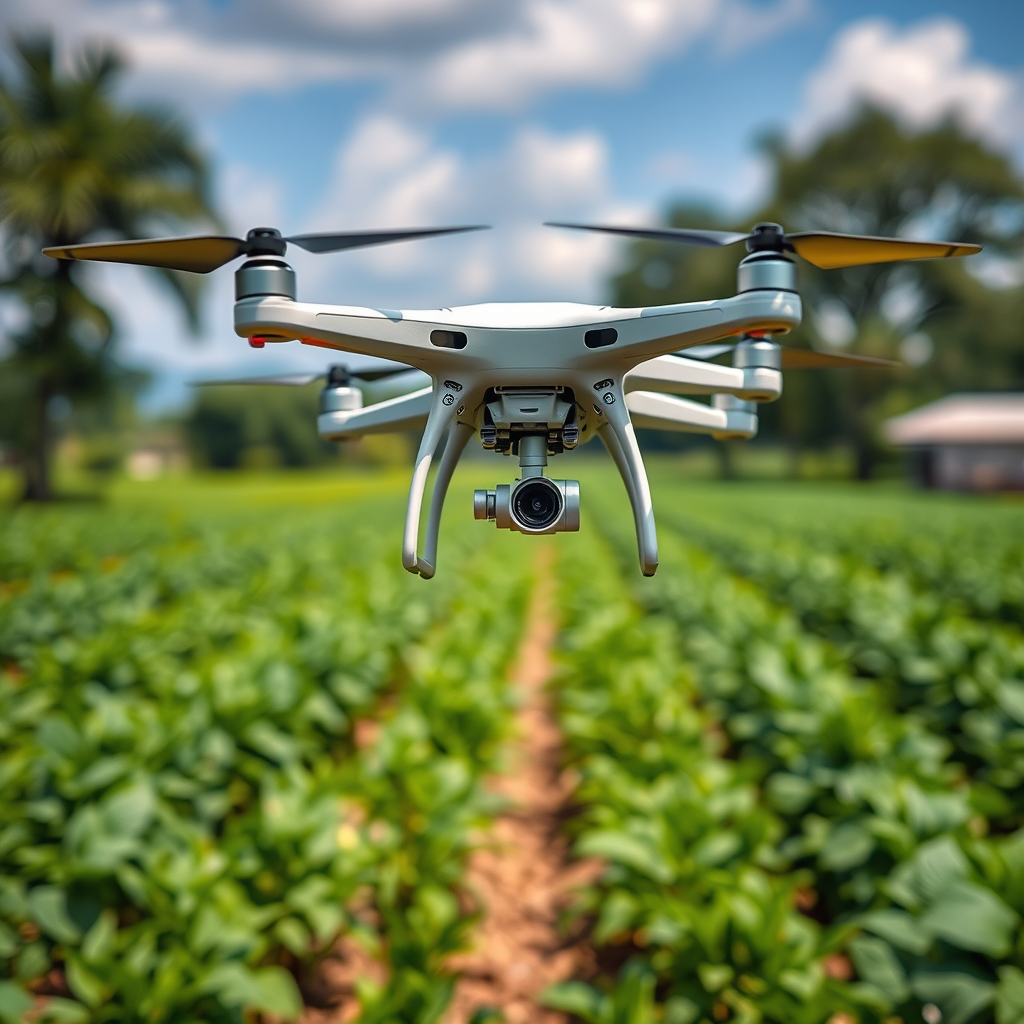
In the realm of agriculture, drones are proving to be game-changers. Equipped with advanced imaging technology, drones can monitor crop health through multispectral and thermal imaging. This capability allows farmers to assess plant health, identify diseases, and detect pest infestations early on, leading to timely interventions that can significantly increase yield. For instance, a study conducted by the University of California found that drone-based imaging helped farmers identify irrigation issues that could lead to substantial water savings.
Furthermore, drones facilitate precision farming by optimizing irrigation and fertilization processes. By analyzing data collected from aerial imagery, farmers can tailor their water and nutrient applications to specific areas of their fields, minimizing waste and maximizing productivity. The use of drones in agriculture not only boosts efficiency but also supports sustainable practices by reducing chemical runoff and conserving resources.
Enhancing Delivery Services
The impact of drones on delivery services is profound, particularly in remote and underserved areas. Drones can significantly reduce the time it takes to deliver goods, ensuring that essential items reach consumers faster. Companies like Zipline have pioneered the use of drones to deliver medical supplies to hard-to-reach locations in countries such as Rwanda and Ghana, demonstrating how drones can save lives by providing timely access to critical resources.
Additionally, drones help reduce last-mile delivery costs, which are often a significant portion of the overall logistics expenses. By bypassing traditional transportation routes, drones can navigate directly to their destination, increasing efficiency and lowering operational costs. This innovation not only improves customer satisfaction by ensuring quicker delivery times but also opens new markets for businesses looking to enhance their service offerings.
Supporting Emergency Services
In emergency situations, drones serve as invaluable tools for first responders. They provide real-time aerial footage that can assist in disaster response and recovery efforts. For example, during natural disasters such as hurricanes or wildfires, drones can quickly survey affected areas, enabling agencies to assess damage, identify hazards, and deploy resources more effectively. The Federal Emergency Management Agency (FEMA) has utilized drones to gather critical data that informs their disaster management strategies.
Moreover, drones are increasingly being deployed for search and rescue missions in remote or difficult-to-access locations. In cases where traditional search methods may take too long or be too dangerous, drones equipped with infrared cameras can locate missing persons more swiftly, improving the chances of successful rescues. The integration of drone technology into emergency services not only enhances operational efficiency but also increases the safety of personnel involved in perilous situations.
Advancing Infrastructure Inspection
Drones have become essential tools for inspecting critical infrastructure such as bridges, power lines, and pipelines. Traditional inspection methods often require scaffolding, helicopters, or even manual entry into hazardous areas, posing risks to workers’ safety. Drones eliminate many of these dangers by providing a safe, efficient means of conducting thorough inspections from above.
For example, companies like Skydio and DJI have developed sophisticated drones equipped with high-resolution cameras and LiDAR sensors that can capture detailed imagery and data. This technology allows engineers to identify maintenance needs without the risk associated with physical inspections. Furthermore, drones can facilitate regular monitoring, enabling proactive maintenance schedules that can prevent costly repairs and extend the lifespan of infrastructure assets.
Improving Wildlife Conservation
Drones play a crucial role in wildlife conservation efforts by enabling researchers to track and monitor animal populations with minimal disturbance. Equipped with thermal imaging and GPS technology, drones can survey large areas efficiently, providing data on species distribution and behavior. For instance, researchers have used drones to monitor the health of elephant populations in Africa, gathering insight into their movements and migration patterns without intruding on their natural habitats.
In addition, drones assist in anti-poaching efforts by surveying vast landscapes where illegal hunting may occur. By employing drone technology, organizations can detect poachers in real-time and deploy rangers to intervene before wildlife is harmed. This innovative application of drones not only enhances conservation efforts but also fosters a deeper understanding of ecosystems and biodiversity.
Enhancing Media and Entertainment
In the media and entertainment industry, drones have transformed the way content is created and shared. They capture stunning aerial photography and videography that adds a new dimension to films, commercials, and live events. Drones have become standard tools for filmmakers seeking to achieve breathtaking shots that were once only possible with expensive helicopter rentals.
For example, popular television shows and movies have increasingly incorporated drone footage to create immersive experiences for viewers. Events such as concerts and sports games also benefit from drone technology, as they offer unique perspectives that enhance storytelling and audience engagement. The versatility of drones in media not only enriches content but also democratizes access to high-quality production techniques for independent creators.
Supporting Scientific Research
Drones are invaluable assets in scientific research, particularly in environmental monitoring and data collection in remote locations. Researchers utilize drones to gather data on atmospheric conditions, vegetation, and wildlife populations, enabling them to conduct studies that would otherwise be difficult or impossible to execute.
For instance, drones are increasingly employed in geological surveys and climate research, helping scientists collect valuable information on landforms, vegetation changes, and climate patterns. By providing high-resolution data, drones enhance the accuracy of research findings and contribute to a better understanding of environmental changes, ultimately guiding policy decisions and conservation efforts.
Drones are transforming how various sectors operate by providing innovative solutions that save time, reduce costs, and enhance safety. As technology continues to evolve, the potential applications for drones will only expand, making them an invaluable asset in our daily lives. Whether in agriculture, emergency services, or media production, drones are proving to be integral to modern solutions, underscoring the importance of integrating this technology into our future endeavors.
Frequently Asked Questions
How can drones be helpful in agriculture?
Drones can revolutionize agriculture by providing farmers with precise data for crop monitoring and management. Equipped with advanced sensors, drones can capture high-resolution images to assess plant health, identify pest infestations, and monitor irrigation levels. This real-time data helps farmers make informed decisions, ultimately resulting in increased yields and reduced costs.
What are the benefits of using drones for disaster response?
Drones play a critical role in disaster response by enabling rapid assessments of affected areas, which can be hard to reach due to damage or hazardous conditions. They can provide aerial imagery and real-time data to emergency responders, helping them locate survivors and assess damage more effectively. Additionally, drones can deliver essential supplies to remote locations, enhancing the overall effectiveness of relief efforts.
Why are drones becoming popular in the construction industry?
Drones are increasingly popular in the construction industry due to their ability to enhance project efficiency and safety. They allow for accurate site surveys and progress monitoring, helping construction managers track timelines and budgets. By providing aerial views and 3D mapping, drones improve collaboration among teams and reduce the risk of errors, ultimately leading to smoother project execution.
What are the best uses of drones in environmental monitoring?
Drones are particularly effective in environmental monitoring for tasks like wildlife tracking, habitat mapping, and pollution assessment. Their ability to cover large areas quickly and gather data without disturbing ecosystems makes them invaluable for researchers and conservationists. By offering detailed insights into environmental changes, drones help facilitate better decision-making for conservation efforts and policy development.
Which industries can benefit the most from drone technology?
Several industries can benefit significantly from drone technology, including agriculture, construction, logistics, and filmmaking. In agriculture, drones improve crop monitoring; in construction, they enhance project oversight; in logistics, they streamline delivery processes; and in filmmaking, they offer stunning aerial shots. As drone technology continues to evolve, more sectors are likely to adopt these tools to improve efficiency and reduce operational costs.
References
- https://en.wikipedia.org/wiki/Drone
- https://www.nasa.gov/mission_pages/spacecraft/technology/drones.html
- https://www.faa.gov/uas/
- https://www.theguardian.com/technology/2021/jun/02/drones-technology-uses-benefits
- https://www.nytimes.com/2021/02/02/technology/drones-benefits.html
- https://www.sciencedirect.com/science/article/pii/S2352146517300371
- https://www.wired.com/story/drones-future-uses-possibilities/
- https://www.ncbi.nlm.nih.gov/pmc/articles/PMC7075846/
