
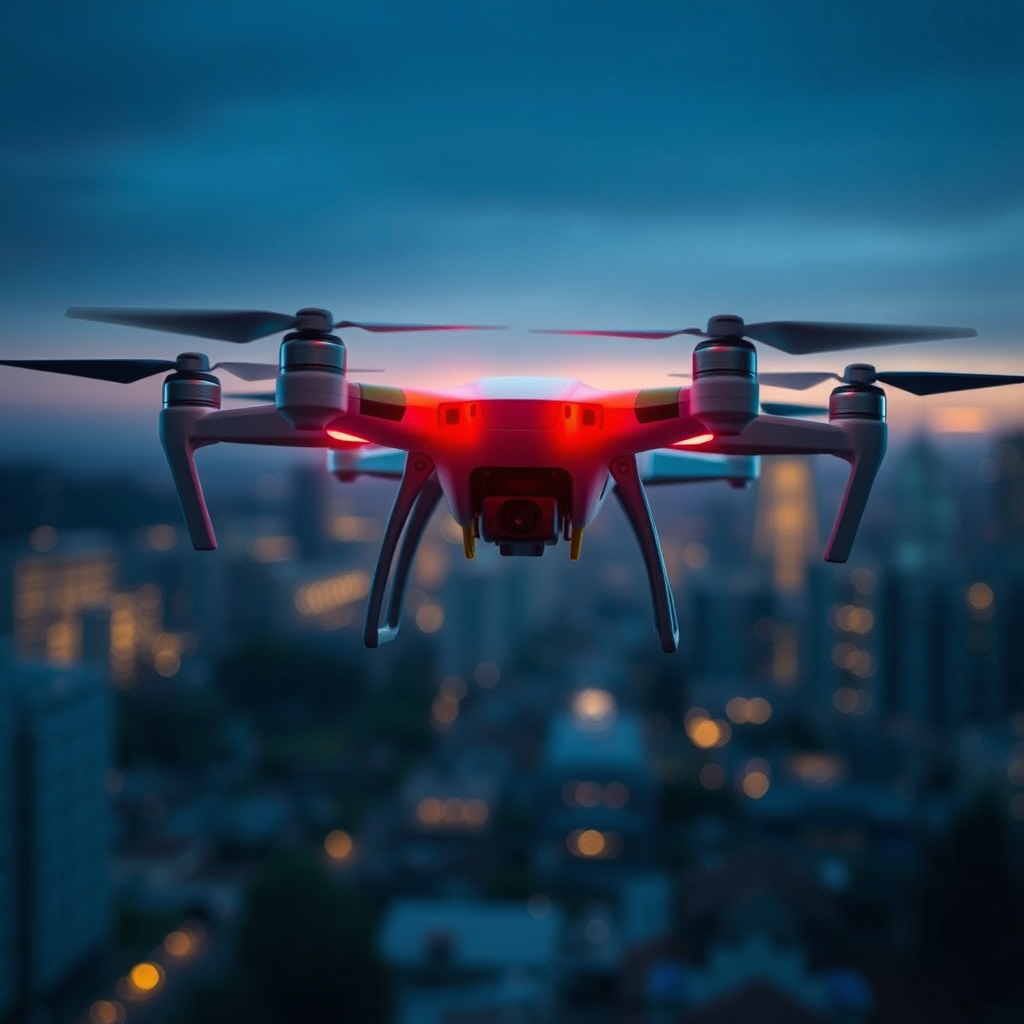
To improve drones, advancements can be made in battery life, AI integration, and safety features. These enhancements will significantly enhance performance, increase usability, and expand applications across various industries. As drone technology evolves, addressing these areas will not only optimize operational capabilities but also pave the way for broader integration into sectors such as agriculture, logistics, surveillance, and environmental monitoring. By pinpointing innovations and strategies in these key areas, we can unlock the full potential of drone technology.
Enhanced Battery Technology
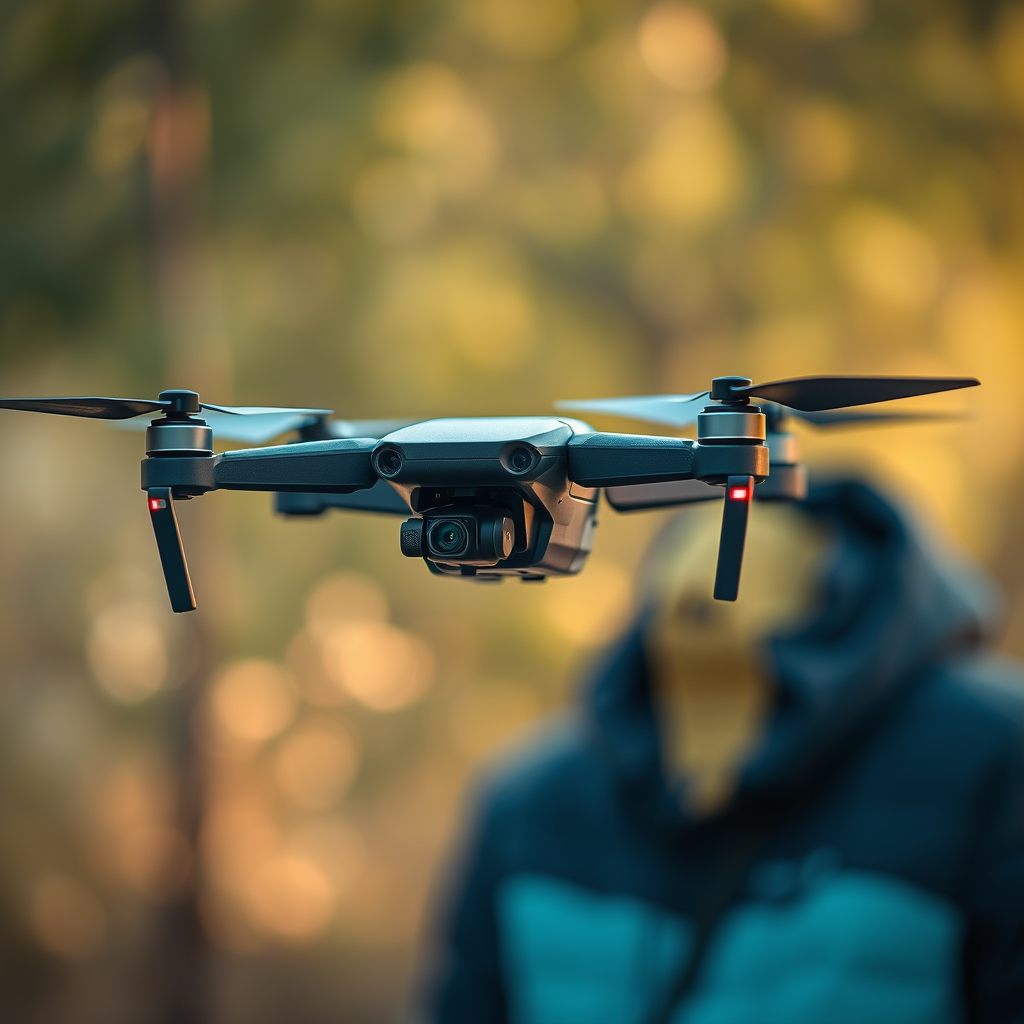
One of the most critical limitations facing drone technology today is battery life. The development of higher-capacity batteries is essential for achieving longer flight times, which is crucial for applications that require extended operations, such as delivery services and agricultural monitoring. Recent advancements in lithium-sulfur batteries, for instance, have shown promise, offering significantly higher energy density compared to traditional lithium-ion batteries. Research indicates that these batteries could potentially provide up to five times the energy capacity, allowing drones to fly longer distances without needing to recharge.
Moreover, exploring solar power integration represents a revolutionary approach to extending operational range. By outfitting drones with solar panels, manufacturers can harness renewable energy, particularly for long-duration flights. This innovation would not only reduce the need for frequent battery replacement but also contribute to sustainability efforts within the UAV industry. Companies like SolarXOne are already experimenting with solar drone models, aiming for self-sustaining flight capabilities suitable for environmental monitoring and search-and-rescue missions.
Advanced AI and Autonomy
The implementation of advanced artificial intelligence (AI) and machine learning is transforming drone capabilities, particularly in navigation and obstacle avoidance. AI can enable drones to analyze their surroundings in real-time, making split-second decisions to navigate complex environments safely. For instance, the integration of computer vision algorithms allows drones to identify and avoid obstacles such as trees, buildings, and other aircraft, significantly reducing the risk of accidents.
Additionally, AI’s role in data analysis is particularly beneficial in sectors like agriculture and surveillance. Drones equipped with AI can collect vast amounts of data, such as crop health imagery or security footage, and process this information efficiently. For example, precision agriculture firms are using AI-driven drones to monitor crop health, optimizing yields by analyzing data patterns and providing actionable insights to farmers. This not only enhances productivity but also supports sustainable farming practices by minimizing pesticide and water usage.
Improved Safety Features
Ensuring the safety of drone operations is paramount as their use becomes more widespread. The integration of fail-safe systems is a critical advancement that can prevent crashes caused by technical failures. By implementing dual-redundant control systems and automatic return-to-home features, drones can autonomously navigate back to a designated location in the event of a malfunction, thus mitigating risks associated with unexpected failures.
Moreover, enhanced real-time monitoring systems can facilitate emergency landings and troubleshooting during flights. For instance, systems that continuously assess battery health, GPS accuracy, and altitude can provide operators with vital information and alerts, allowing for timely interventions. Companies like DJI have incorporated such features into their latest models, significantly improving the reliability and safety of consumer and commercial drones alike.
Better Regulatory Compliance
As drone technology advances, so too must the framework governing its use. Collaboration with regulatory bodies is essential in establishing clearer guidelines for drone operations. Engaging with organizations such as the Federal Aviation Administration (FAA) and the European Union Aviation Safety Agency (EASA) can help create a more coherent regulatory landscape, facilitating smoother integration of drones into national airspace systems.
Furthermore, developing systems that ensure compliance with air traffic regulations will be crucial as drone usage expands. For instance, technologies that enable drones to communicate with air traffic control and other aircraft can help prevent mid-air collisions. Companies like AirMap are already pioneering airspace management solutions that provide real-time data and compliance tools for drone operators, ensuring safer operations in shared airspace.
Expanded Payload Capabilities
Innovations in lightweight materials are paving the way for drones to carry heavier payloads without compromising flight efficiency. Advanced composites, such as carbon fiber and lightweight alloys, can significantly reduce the overall weight of drones, enabling them to transport more substantial items like medical supplies or equipment for industrial applications. This is particularly beneficial for sectors like healthcare, where drones are increasingly used to deliver critical supplies to remote areas.
Moreover, customizable payload options can be developed for various industries, enhancing the versatility of drones. For example, the delivery industry is witnessing the emergence of drones designed specifically for transporting packages, while those in film production require drones equipped with high-quality cameras and stabilization systems. Companies like Zipline are leading the charge in medical drone delivery, proving that with the right payload capabilities, drones can revolutionize logistics and supply chains.
Enhanced User Interfaces
The future of drone operations will heavily rely on the development of more intuitive control systems that cater to both experienced pilots and novices. Simplifying user interfaces can significantly enhance the accessibility of drone technology, allowing non-experts to operate drones effectively. Touchscreen controls, voice commands, and gesture-based inputs are just a few examples of how technology can simplify drone operation.
Additionally, the implementation of augmented reality (AR) can provide pilots with an enriched piloting experience. By overlaying vital flight information directly onto the pilot’s view, AR can improve situational awareness and decision-making. Companies like Skyward are exploring AR applications that can assist pilots in visualizing flight paths, obstacle locations, and environmental conditions, ultimately leading to safer and more efficient drone operations.
Sustainability Considerations
As the drone industry continues to grow, sustainability must be at the forefront of development strategies. Research into eco-friendly materials for drone manufacturing is essential. Biodegradable composites and recycled materials can significantly reduce the environmental footprint of drone production. For instance, companies like DroneSeed are using drones to plant trees and restore ecosystems, showcasing how drones can contribute positively to the environment.
Moreover, strategies for recycling old drones and their components are vital for reducing waste. Implementing programs that facilitate the recycling of drone parts can prevent harmful materials from entering landfills and promote a circular economy within the technology sector. By adopting sustainable practices, the drone industry can lead the way in environmental responsibility, ensuring a greener future.
In conclusion, by focusing on these key areas—enhanced battery technology, advanced AI integration, improved safety features, better regulatory compliance, expanded payload capabilities, enhanced user interfaces, and sustainability considerations—the future of drones can be significantly improved. These innovations will not only make drones more efficient and safer but also more versatile across various industries. Continuous innovation will ensure that drones meet the evolving needs of society, paving the way for broader adoption and seamless integration into everyday life.
Frequently Asked Questions
What are the most effective ways to improve drone battery life?
To enhance drone battery life, manufacturers can focus on optimizing the efficiency of the drone’s motors and incorporating lightweight materials in their designs. Implementing advanced battery technology, such as lithium-sulfur or solid-state batteries, can also significantly extend flight times. Additionally, integrating smart power management systems that adjust energy consumption based on flight conditions can help maximize battery performance.
How can drone stability be enhanced during flight?
Improving drone stability can be achieved through advancements in flight control algorithms and the incorporation of more sophisticated sensors, such as gyroscopes and accelerometers. These technologies allow drones to better respond to environmental factors like wind or turbulence. Furthermore, refining the drone’s design to have a lower center of gravity and implementing features like GPS-based stabilization can greatly increase flight stability.
Why is obstacle avoidance vital for drone improvement?
Obstacle avoidance is crucial because it enhances safety and reliability during flight, reducing the risk of crashes and damage to both the drone and surrounding property. With advanced obstacle avoidance systems, drones can better navigate complex environments, which is especially important for applications in urban areas or indoor settings. Implementing better sensors and machine learning algorithms can improve a drone’s ability to detect and react to obstacles in real-time.
What technologies are leading the way in drone improvements?
Several cutting-edge technologies are playing a significant role in the evolution of drones, including artificial intelligence (AI), improved sensor technology, and enhanced communication systems such as 5G. AI enables drones to process data and make decisions autonomously, while advanced sensors improve navigation and obstacle detection. Enhanced communication systems allow for better real-time data transmission, which is essential for applications like drone delivery and remote surveillance.
Which regulatory changes could facilitate improvements in drone technology?
Regulatory changes that streamline the approval process for new drone technologies and promote research and development can significantly facilitate improvements in the industry. For instance, creating clearer guidelines for commercial drone operations and allowing for more flexible testing environments can encourage innovation. Moreover, regulations that support the integration of drones into national airspace systems can enhance operational capabilities and drive advancements in drone technology.
References
- https://en.wikipedia.org/wiki/Drone
- https://www.nasa.gov/mission_pages/advanced_air_mobility/overview/index.html
- https://www.faa.gov/uas/
- https://www.sciencedirect.com/science/article/pii/S2351978920301265
- https://www.theguardian.com/technology/2021/nov/11/how-drones-could-change-delivery-services
- https://www.forbes.com/sites/bernardmarr/2021/09/27/how-drones-are-revolutionizing-the-way-businesses-operate/
- https://www.bbc.com/future/article/20200914-how-drones-are-changing-our-world
- https://www.researchgate.net/publication/334564027_Improving_drone_designs_with_machine_learning_and_ai
