
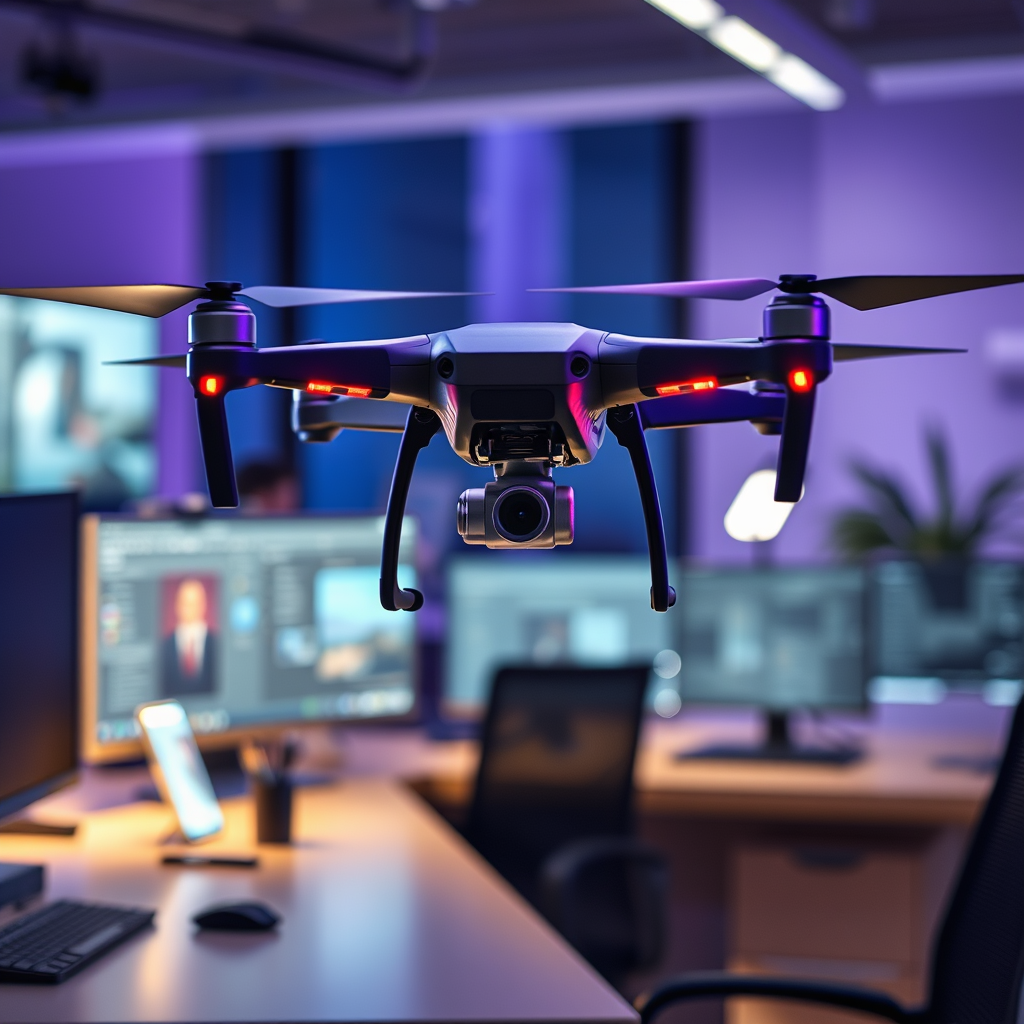
Drones can significantly enhance security by providing aerial surveillance, rapid response capabilities, and real-time data transmission. Their ability to cover extensive areas quickly and efficiently makes them invaluable tools for various security applications across different sectors, including law enforcement, event management, and emergency services. As technology continues to evolve, the integration of drones into security protocols is not only a trend but a necessity for modern safety measures.
Aerial Surveillance
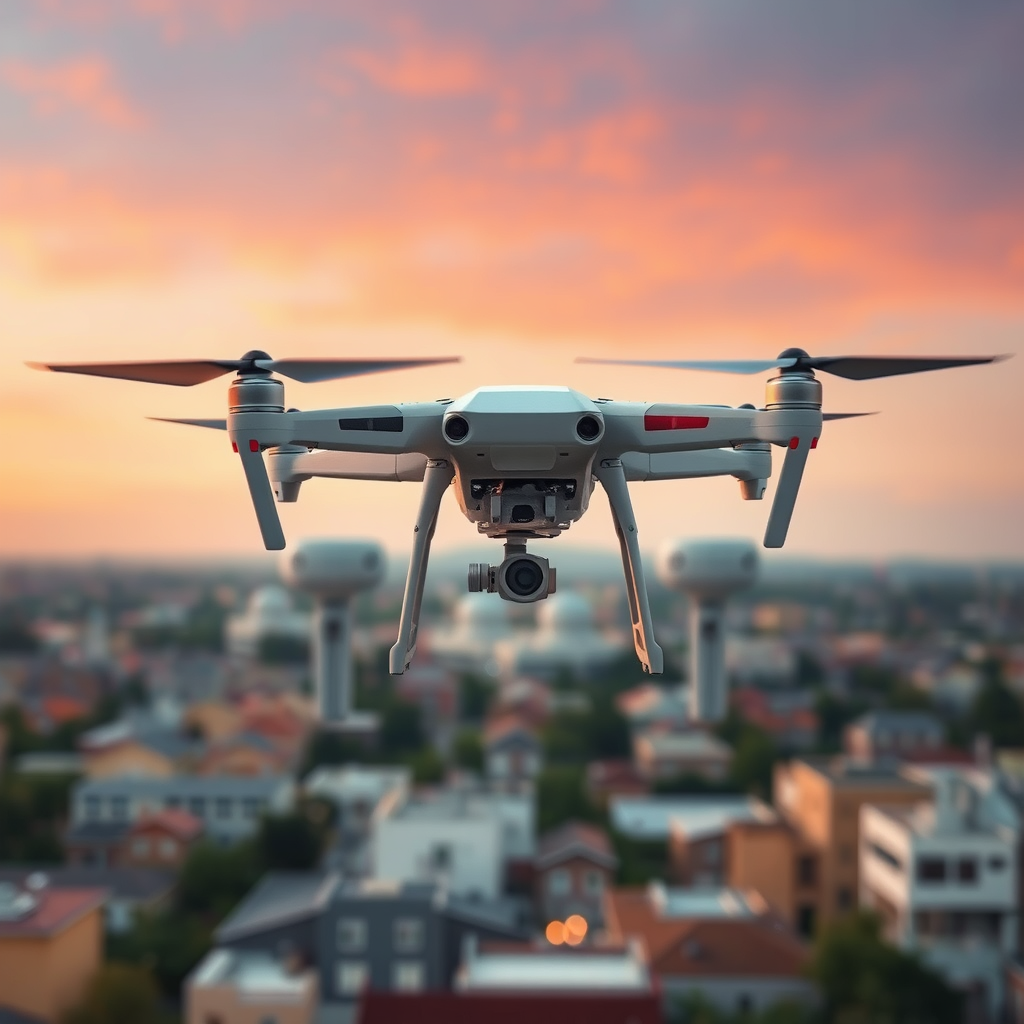
Drones excel in aerial surveillance, offering the ability to cover vast areas in a fraction of the time it would take traditional methods. Equipped with high-definition cameras, drones can provide real-time video feeds, allowing security personnel to monitor situations as they unfold. This capability is particularly beneficial for large facilities, such as industrial sites or stadiums, where ground-based surveillance can be limited.
Moreover, the integration of thermal imaging technology enhances the effectiveness of drones in low visibility conditions, such as night or inclement weather. Thermal drones can detect body heat, making them instrumental in identifying intruders or monitoring wildlife in sensitive areas. For example, during a recent security operation, a drone equipped with thermal imaging was able to locate a group attempting to breach a perimeter fence at a critical infrastructure site, alerting security forces before any damage could occur.
Event Security
During large public events, ensuring the safety and security of attendees is paramount. Drones play a pivotal role in event security by providing a bird’s-eye view of the crowd, enabling security teams to monitor for potential threats or disturbances. They can effectively cover areas that are difficult to patrol on foot, allowing for quicker identification of emergencies, such as medical situations or altercations.
In addition to surveillance, drones can be equipped with loudspeakers to communicate directly with event attendees, providing real-time instructions in case of an emergency. For example, during a major music festival, drones were deployed to monitor crowds and relay important messages, significantly enhancing the communication efforts of security personnel. This proactive approach not only improves safety but also fosters a sense of security among attendees.
Border Patrol and Monitoring
Drones have become essential tools for border patrol and monitoring, providing a cost-effective solution for managing vast and often remote border areas. Their ability to fly at high altitudes allows for extensive surveillance capabilities, making it easier to detect illegal crossings or smuggling activities.
For instance, U.S. Customs and Border Protection has successfully used drones for monitoring the U.S.-Mexico border, enabling them to cover large stretches of terrain that would be labor-intensive to patrol on the ground. Drones can capture high-resolution images and live video feeds, providing law enforcement with actionable intelligence that enhances response strategies. The data collected can also be analyzed to identify trends or hotspots for illegal activity, leading to more effective resource allocation.
Infrastructure Protection
The protection of critical infrastructure, such as pipelines, power plants, and bridges, is crucial for national security. Drones are increasingly used to inspect these facilities for potential security breaches and vulnerabilities. They can fly over areas that may be hazardous for personnel, reducing risk while collecting vital data.
For example, drones can identify signs of tampering or damage on pipelines that are often located in remote areas. By conducting regular aerial inspections, companies can ensure compliance with safety regulations and proactively address any potential risks before they escalate into major issues. This application not only enhances security but also supports maintenance efforts, allowing for timely repairs and reducing downtime.
Disaster Response and Recovery
In the aftermath of natural disasters, drones are invaluable for assessing damage and supporting search and rescue operations. Their ability to navigate challenging environments enables emergency responders to gather real-time information on affected areas, facilitating better decision-making and resource allocation.
For instance, following hurricanes or earthquakes, drones have been deployed to survey the extent of destruction, helping agencies like FEMA assess needs and prioritize response efforts. They can also assist in locating individuals trapped under debris, providing critical situational awareness that enhances the coordination of rescue teams. By integrating drones into disaster response strategies, agencies can improve their effectiveness and ultimately save lives.
Privacy and Ethical Considerations
While the benefits of using drones for security are substantial, they also raise important privacy and ethical concerns that must be addressed. The ability of drones to capture high-resolution images and video feeds can lead to potential invasions of privacy, especially in public spaces.
To mitigate these concerns, it is crucial to establish regulations and guidelines that govern the use of drones for security purposes. Clear policies can help ensure that drones are used responsibly, balancing the need for security with the protection of individual rights. For instance, many jurisdictions are implementing laws requiring law enforcement agencies to obtain warrants before deploying drones for surveillance, thus safeguarding citizens’ privacy.
As drone technology continues to advance, ongoing discussions about ethical practices in their deployment will be essential to maintain public trust and ensure compliance with legal standards.
In conclusion, drones are powerful assets in enhancing security across various sectors, from aerial surveillance and event management to border patrol and disaster response. Their versatility and efficiency make them indispensable tools in modern security operations. However, as their use expands, it is vital to engage in ongoing discussions regarding privacy and ethical considerations to ensure that these technologies are employed responsibly and effectively. As we move forward, the continued integration of drones into security protocols will undoubtedly shape the future of safety and surveillance.
Frequently Asked Questions
What are the benefits of using drones for security purposes?
Drones offer several benefits for security applications, including enhanced surveillance capabilities, rapid response to incidents, and cost-effectiveness. They can cover large areas quickly and provide real-time aerial footage, which is invaluable for monitoring high-risk locations such as construction sites, events, or sensitive facilities. Additionally, drones can access hard-to-reach areas, allowing security teams to gather information without the need for extensive ground patrols.
How can drones improve surveillance for businesses?
Drones can significantly enhance surveillance for businesses by providing high-resolution video feeds and thermal imaging capabilities. This allows security personnel to monitor premises from above, identifying potential threats such as trespassers or vandalism before they escalate. Furthermore, drones can be programmed to conduct routine patrols, ensuring consistent monitoring and reducing the likelihood of security breaches, thus improving overall safety for employees and assets.
Why are drones becoming popular in the security industry?
Drones are gaining popularity in the security industry due to their versatility, efficiency, and advancements in technology. They are equipped with features like GPS tracking, high-definition cameras, and AI-powered monitoring systems, which make them effective for real-time threat detection and assessment. Additionally, the decreasing costs of drone technology and increased regulatory clarity have made it more accessible for businesses and law enforcement agencies to incorporate drones into their security protocols.
Which types of drones are best suited for security applications?
The best types of drones for security applications typically include quadcopters and fixed-wing drones. Quadcopters are ideal for close-range surveillance and maneuverability in tight spaces, while fixed-wing drones excel in covering large areas and can fly longer distances. When selecting a drone for security, consider factors such as camera quality, flight time, payload capacity, and the ability to operate in various weather conditions to ensure optimal performance.
How can organizations implement drone technology into their security plans?
Organizations can implement drone technology into their security plans by first assessing their specific security needs and identifying areas where drones can provide the most value. This involves selecting the right type of drone, obtaining necessary permits and training personnel on safe and effective operation. Additionally, integrating drone data with existing security systems, such as alarm monitoring or access control, can create a comprehensive security strategy that enhances overall threat detection and response capabilities.
References
- https://en.wikipedia.org/wiki/Drone#Military_and_security_applications
- https://www.faa.gov/uas/recreational_fliers/
- https://www.nist.gov/news-events/news/2018/05/new-nist-guidelines-drones-helping-public-safety-agencies
- https://www.wired.com/story/drones-police-security-privacy/
- https://www.sciencedirect.com/science/article/abs/pii/S1361920919300764
- https://www.bbc.com/news/technology-44814963
- https://www.theguardian.com/technology/2020/jun/19/drones-to-monitor-crowds-in-security-push-during-pandemic
