
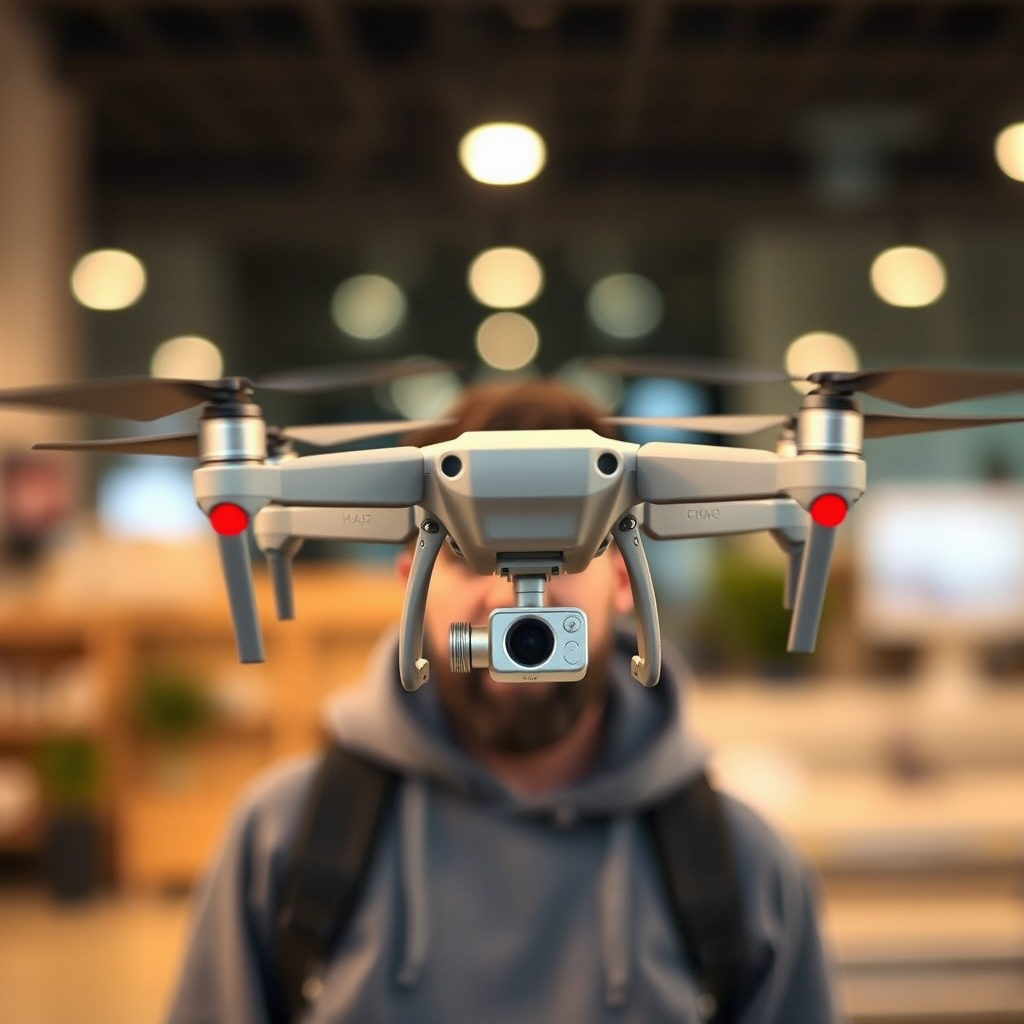
You can fly a drone within 25 feet of a person in most circumstances, but local regulations and safety considerations often dictate the exact distance. Understanding the rules governing drone operation is crucial for ensuring safety and compliance. This article will provide a comprehensive overview of the factors influencing how close you can fly a drone to a person, including regulatory frameworks, safety concerns, and best practices for responsible flying.
Understanding Drone Regulations
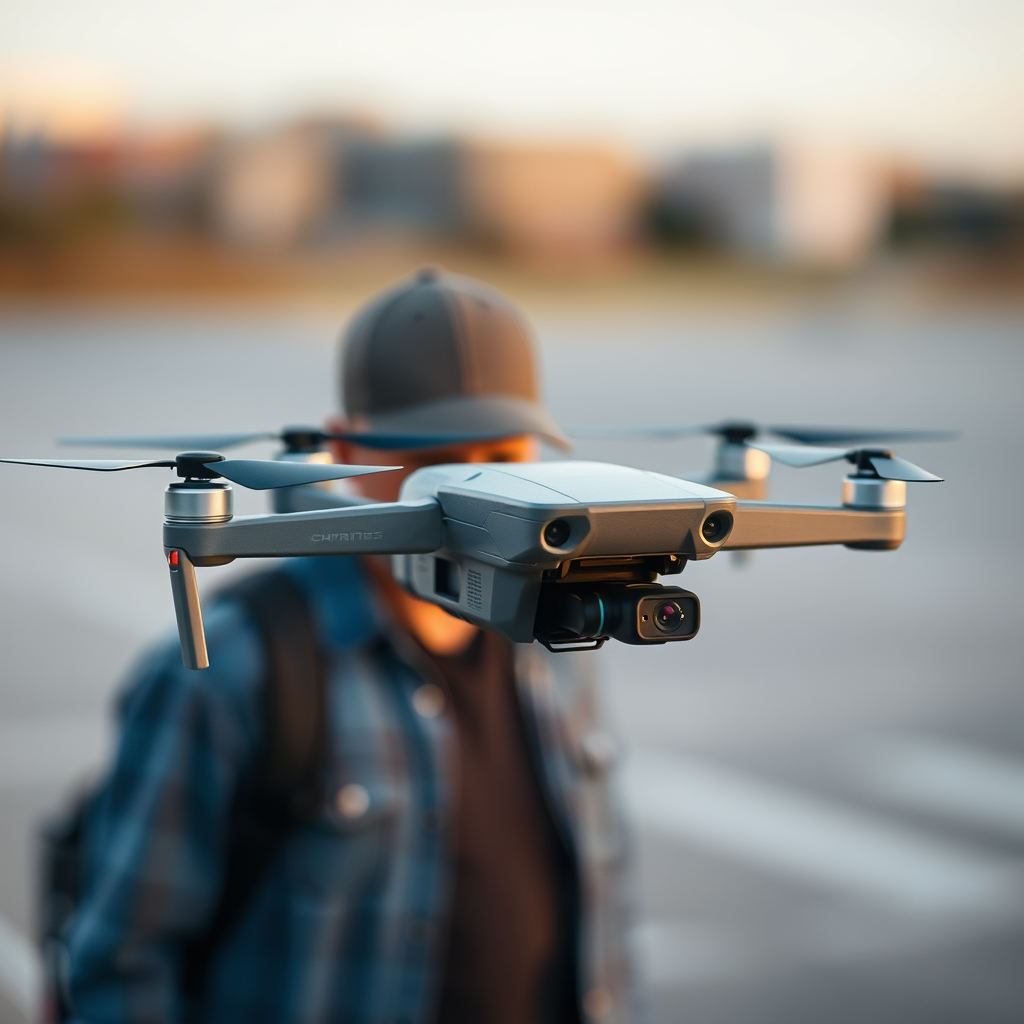
The Federal Aviation Administration (FAA) establishes the primary framework for drone operation in the United States, including guidelines that stipulate the distances a drone can be flown near people. According to the FAA, operators must adhere to the Part 107 rules, which generally prohibit flying over people who are not directly involved in the operation of the drone. However, under certain conditions, such as when a drone is equipped with specific safety features and when flying in controlled environments, flying within 25 feet of people may be permissible.
In addition to federal regulations, local laws and ordinances can impose additional restrictions on drone proximity to individuals. For instance, some municipalities may have enacted rules that require a greater distance to be maintained from people, especially in high-density areas such as urban centers or during public events. It is essential to consult local regulations before flying to ensure compliance and avoid potential legal issues.
Safety Considerations
Safety is the foremost consideration when operating a drone near people. Maintaining a safe distance minimizes the risk of injury, as drones can pose significant hazards if they malfunction or collide with individuals. The size and weight of the drone also play a critical role in determining the safe operating distance. For example, a small, lightweight drone may cause minimal harm if it makes contact with a person, whereas a larger drone could result in serious injury or damage.
Furthermore, drone operators should be aware that unexpected factors, such as changing weather conditions or sudden movements from nearby individuals, can increase the risk of accidents. Therefore, it is advisable to maintain a buffer zone beyond the minimum distance to account for these variables, ensuring that both the operator and the public remain safe.
Types of Areas and Their Rules
The environment in which a drone is operated significantly influences the applicable regulations. Urban areas often have stricter rules compared to rural settings. In bustling cities, the density of people and structures creates a higher risk of accidents, prompting local authorities to implement more stringent regulations. For instance, flying a drone near crowded parks or public events may be prohibited altogether or require special permissions.
Conversely, rural areas may offer more leniency with proximity regulations due to lower population densities. However, operators should still exercise caution and remain aware of their surroundings, as drones can still endanger livestock or wildlife in these locations. Additionally, specific events or venues, such as concerts or sports games, may have unique rules regarding drone usage, often prohibiting flights altogether to ensure public safety.
The Role of Visual Line of Sight
One of the foundational principles of safe drone operation is the requirement for pilots to maintain visual line of sight (VLOS) with their drones at all times. This practice not only enhances safety but also assists operators in assessing their proximity to people effectively. When pilots can see their drones, they can make real-time adjustments to avoid flying too close to individuals.
Maintaining VLOS is particularly important in dynamic environments where people may move unexpectedly. For instance, if a drone operator is filming an outdoor event, having a clear view of the drone allows them to navigate around crowds and avoid potential collisions. Moreover, VLOS is a regulatory requirement under FAA guidelines, reinforcing its importance in responsible drone operation.
Best Practices for Flying Near People
To promote safety and compliance while flying near people, drone operators should adopt several best practices. Firstly, it is advisable to communicate clearly with individuals nearby before commencing a flight. Announcing the drone’s operation can help raise awareness and ensure that those in the vicinity are mindful of the drone’s presence.
Additionally, using drones equipped with advanced safety features, such as propeller guards and automatic return-to-home capabilities, can significantly enhance safety. These features help mitigate risks associated with unexpected malfunctions or collisions. Operators should also consider flying in open areas where there is ample space to maneuver without endangering individuals.
Furthermore, obtaining permission from local authorities or event organizers before flying in populated areas can prevent misunderstandings and ensure that the flight complies with all necessary regulations.
Consequences of Ignoring Proximity Rules
Neglecting to adhere to proximity regulations can lead to severe consequences for drone operators. Violating FAA guidelines or local laws can result in hefty fines, legal repercussions, or even the revocation of a pilot’s drone license. For instance, a drone operator who flies too close to a crowd during a public event may face penalties and be banned from future drone operations in that area.
Moreover, unsafe flying practices can endanger lives and damage property. An accident involving a drone can lead to personal injury claims or property damage lawsuits, which can have lasting financial implications for the operator. Therefore, it is crucial to prioritize adherence to regulations and safety protocols to protect both the public and the operator.
Future Trends in Drone Regulations
As drone technology continues to evolve, we can anticipate changes in regulations to reflect new capabilities and safety measures. The integration of advanced technologies, such as drone identification systems and automated traffic management, may lead to more flexible operating rules. Additionally, community input will likely play a vital role in shaping future regulations, as public sentiment around drone use becomes increasingly influential.
Moreover, the rise of urban air mobility and delivery drones could necessitate the development of new guidelines to ensure safe integration into existing airspace. As these trends unfold, staying informed about changes in regulations will be essential for drone operators to maintain compliance and adapt to new operational landscapes.
In conclusion, while you can generally fly a drone within 25 feet of a person, it’s essential to stay informed about regulations and prioritize safety. Always check local laws before flying and adhere to best practices, such as maintaining visual line of sight and utilizing safety features, to ensure a safe and enjoyable experience. By understanding the complexities of drone operation and the importance of responsible flying, operators can contribute to a safer airspace for everyone.
Frequently Asked Questions
What are the legal regulations for flying a drone near people?
In many countries, including the United States, the Federal Aviation Administration (FAA) has strict regulations regarding drone operation near people. Generally, drones must maintain a minimum distance of 25 feet horizontally from any person not involved in the operation, unless they are flying over a “closed set” or have received a special waiver. It’s crucial to check your local laws and regulations, as these can vary widely by jurisdiction.
How close can I fly my drone to a crowd of people?
When flying a drone near a crowd, it is essential to adhere to safety guidelines and legal restrictions. The FAA stipulates that drones should not be flown over people unless they meet specific criteria, such as being part of a closed set where the individuals are aware of the operation. For safety and compliance, it is recommended to maintain a distance of at least 100 feet vertically and 25 feet horizontally from any crowd.
Why is it important to keep a safe distance when flying a drone near individuals?
Maintaining a safe distance when flying a drone near individuals is crucial for safety and compliance with aviation regulations. Drones can pose risks, including physical injury or damage if they malfunction or crash. Additionally, keeping a safe distance ensures that operators avoid potential legal repercussions and respect individuals’ privacy, fostering a responsible drone flying culture.
What should I consider before flying my drone near people?
Before flying your drone near people, consider several factors such as the size of the crowd, local regulations, and environmental conditions. Assess whether the location is suitable for drone operation, ensuring it is not crowded or in a populated area where flying could pose risks. Additionally, always prioritize safety by conducting a pre-flight checklist and ensuring your drone is in good working condition.
Which drone models are best for flying near populated areas?
When flying near populated areas, it is advisable to choose drones that are equipped with advanced safety features, such as obstacle avoidance systems and geofencing capabilities. Models like the DJI Mini 2 and DJI Mavic Air 2 are popular choices due to their compact size, stable flight controls, and enhanced safety features. Always review the specifications and ensure the drone complies with local regulations regarding flying near people.
References
- https://www.faa.gov/uas/getting_started/part_107/
- https://www.nasa.gov/feature/nasa-develops-drone-safety-research
- https://www.wired.com/story/drone-regulations-faa/
- https://www.nationalgeographic.com/science/article/drone-regulations-safety-aviation
- https://www.abc.net.au/news/2021-04-05/drone-laws-australia/100033268
- https://www.bbc.com/news/technology-47344362
- https://www.dji.com/flying-in-the-us/flying-in-the-us
- https://www.npr.org/2021/05/05/993710291/drone-safety-rules-are-evolving-as-they-take-to-the-skies
