
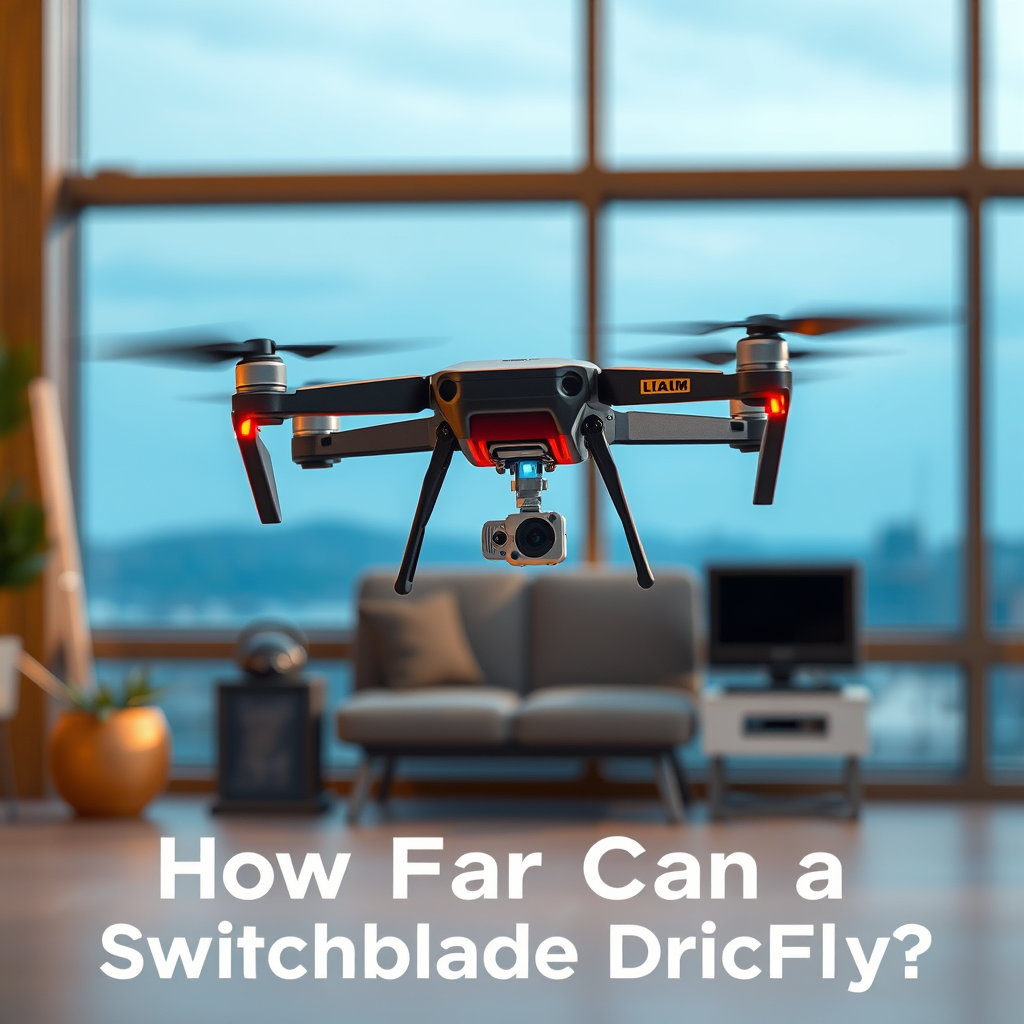
Switchblade drones can typically fly distances ranging from 10 to 30 kilometers, depending on the model and conditions. These compact, loitering munitions are designed for precision strikes and can cover significant ground while providing real-time surveillance and targeting capabilities. As military technology evolves, understanding the capabilities and limitations of these drones is crucial for comprehending their strategic advantages in contemporary warfare.
Overview of Switchblade Drones
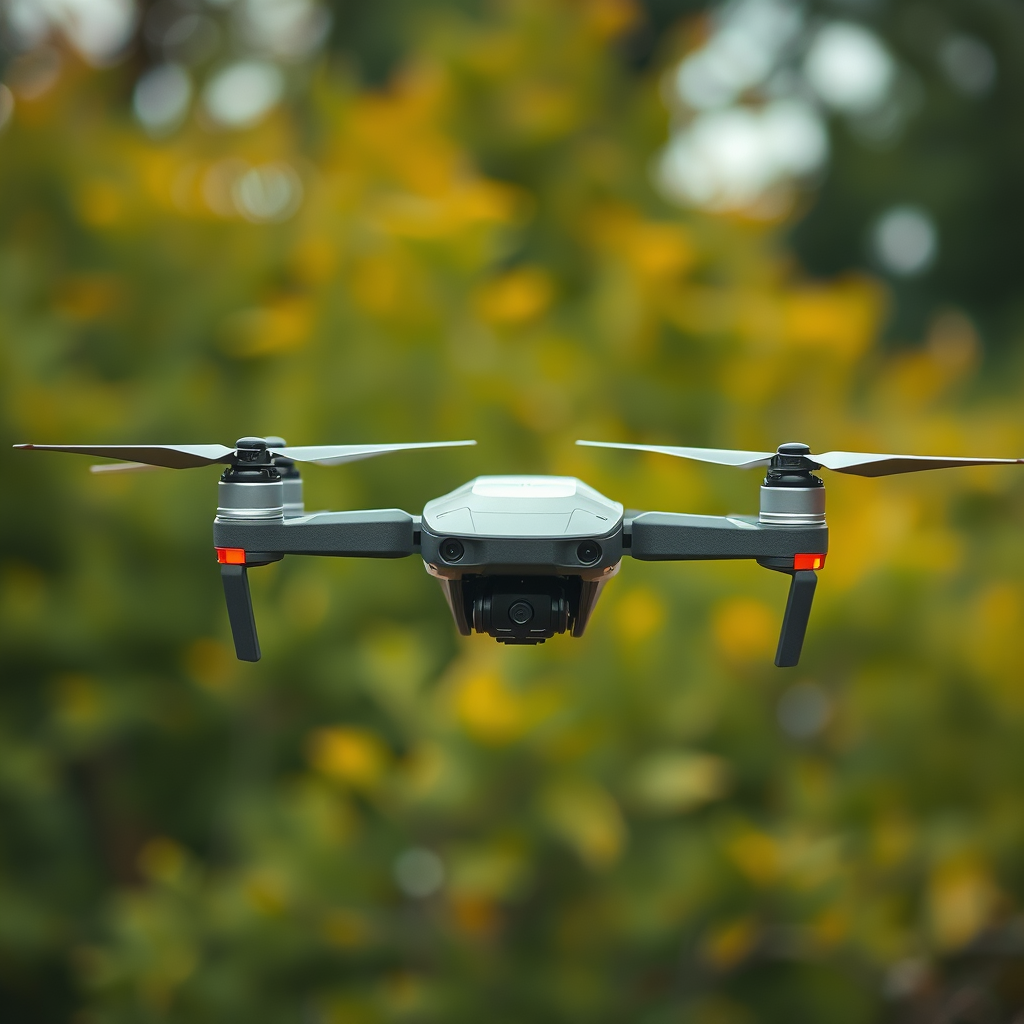
Switchblade drones are a type of loitering munition designed for tactical military operations. Unlike traditional drones that are often used for reconnaissance or surveillance, switchblade drones can be deployed to engage targets directly, acting like a guided missile that can be controlled until the moment of impact. Their unique design allows them to loiter in an area for a period, gathering intelligence and waiting for the right moment to strike, which enhances their effectiveness on the battlefield.
The history of switchblade drones dates back to developments in the early 2000s, with the first models being introduced by AeroVironment. The technology has rapidly evolved to meet the increasing demands of modern warfare, particularly in asymmetric combat environments. The introduction of models like the Switchblade 300 and Switchblade 600 has marked significant advancements in both capabilities and operational use, allowing for greater versatility and effectiveness in various military operations.
Flight Range Specifications
The flight range of switchblade drones varies significantly between models, with the Switchblade 300 typically boasting a range of approximately 10 kilometers, while the more advanced Switchblade 600 can reach distances of up to 30 kilometers. These specifications reflect the technological advancements incorporated into each model, such as improved propulsion systems and enhanced aerodynamics.
Several factors can influence the effective flight range of these drones. Payload capacity, for instance, plays a crucial role; heavier payloads can reduce flight distance due to increased drag and power consumption. Weather conditions, such as wind speed and atmospheric density, also affect performance, potentially limiting the operational range in adverse conditions. Additionally, the mission profile, including flight altitude and speed, can further impact how far a switchblade drone can operate.
Operational Uses and Limitations
Switchblade drones are predominantly used in military applications, particularly for precision strikes against high-value targets in urban environments. Their ability to loiter and gather real-time intelligence makes them invaluable for reconnaissance missions and close air support, enabling ground troops to make informed decisions during combat operations. They have been deployed in various conflicts, including the ongoing engagements in the Middle East, demonstrating their effectiveness in asymmetrical warfare scenarios.
However, there are limitations to consider regarding flight range and battery life. While the Switchblade 600 offers an extended range, its operational time is still constrained by battery capacity, typically allowing for a flight duration of about 40 minutes. This means that while the drone can travel significant distances, it may not be able to remain on station for extended periods without returning to base or switching to another operational area. Additionally, the reliance on ground control for navigation and targeting introduces vulnerabilities, as any disruption in communication can jeopardize mission success.
Technical Components Influencing Range
The range of switchblade drones is significantly influenced by their technical components, particularly the propulsion systems and communication technologies. The propulsion system, which includes the engine and aerodynamic design, directly affects the drone’s ability to maintain speed and altitude, both of which are critical for maximizing flight distance. Advanced electric motors and lightweight materials have been integrated into newer models, improving efficiency and enabling longer flight capabilities.
Communication systems also play a vital role in extending operational ranges. Switchblade drones utilize advanced data links that allow for real-time transmission of video and telemetry data back to operators. These systems not only enhance situational awareness but also facilitate the precise navigation required for long-distance missions. The ability to maintain a stable communication link over greater distances is essential for effective mission execution, ensuring that operators can control the drone and respond to changing battlefield conditions.
Comparative Analysis with Other Drones
When comparing switchblade drones to traditional UAVs, several distinctions become apparent, particularly concerning flight range and mission capabilities. Traditional UAVs, such as the MQ-1 Predator, are designed for prolonged surveillance and can operate at ranges of over 100 kilometers. However, they are typically larger and less agile than switchblade drones, which are designed for quick deployment and rapid strikes.
Alternative loitering munitions, such as the Hero series from UVision, offer similar functionalities but may vary in terms of range and payload capacity. For instance, the Hero 30 has a range similar to the Switchblade 300, while the Hero 120 can achieve ranges comparable to the Switchblade 600. This comparative analysis highlights the specific advantages of switchblade drones, particularly their compact size, ease of deployment, and versatility in engaging targets.
Future Developments in Drone Technology
The future of drone technology holds significant promise for increasing flight ranges and operational capabilities. Ongoing innovations in battery technology, such as the development of solid-state batteries, could lead to drones with vastly improved energy densities and longer flight times. Additionally, advancements in propulsion systems, including hybrid-electric engines, may further enhance the performance of switchblade drones.
Emerging technologies such as artificial intelligence and machine learning are also poised to revolutionize drone operations. These advancements could allow for autonomous navigation and targeting, reducing reliance on human operators and enabling drones to engage targets more efficiently over longer distances. As these technologies continue to evolve, we can anticipate a new generation of switchblade drones that will redefine the operational landscape of modern warfare.
In conclusion, understanding the flight capabilities of switchblade drones is essential for grasping their strategic advantages in modern warfare. With ranges typically between 10 to 30 kilometers, these drones can deliver precision strikes while providing real-time intelligence. As technology continues to advance, we can expect even greater ranges and functionalities, solidifying their role as a critical asset in military operations. For more insights into drone technology, stay tuned to our future posts.
Frequently Asked Questions
How far can a switchblade drone fly on a single charge?
The range of a switchblade drone, specifically the Switchblade 300 or 600 models, can vary based on the model and environmental conditions. Generally, the Switchblade 300 can fly up to 10 kilometers (6.2 miles) while the Switchblade 600 has a maximum range of approximately 40 kilometers (24.8 miles). Factors like payload, weather, and terrain can affect these distances, so it’s essential to consider these variables when planning a mission.
What are the key features that affect the flight range of switchblade drones?
Several features significantly influence the flight range of switchblade drones, including battery capacity, propulsion system, and aerodynamic design. A higher-capacity battery allows for longer flight times, while a more efficient propulsion system can enhance range. Additionally, a drone’s weight and the load it carries can directly impact its ability to maintain distance, making these features critical for operational planning.
Why is understanding the flight range of switchblade drones important for military applications?
Understanding the flight range of switchblade drones is crucial for military applications because it directly impacts mission planning and effectiveness. Knowing the maximum range allows operators to strategize for reconnaissance or strike missions without exceeding operational limits, ensuring that the drone can return safely. Additionally, understanding the range helps in coordinating with other assets and maintaining a tactical advantage in various combat scenarios.
Which switchblade drone offers the best range for tactical operations?
The Switchblade 600 is considered the best option for tactical operations when it comes to range, as it can fly up to 40 kilometers (24.8 miles) and carry a larger payload compared to the Switchblade 300. This extended range allows for more versatile operational capabilities, including longer reconnaissance missions and the ability to engage targets at a greater distance. Its advanced features also make it suitable for a variety of combat situations.
How can environmental factors impact the flight distance of switchblade drones?
Environmental factors such as wind speed, temperature, and humidity can significantly impact the flight distance of switchblade drones. Strong winds can create additional drag, reducing overall range, while extreme temperatures can affect battery performance. High humidity can also impact the drone’s electronics and efficiency, potentially shortening its flight capability. Understanding these factors is essential for operators to optimize performance and ensure successful missions.
References
- https://en.wikipedia.org/wiki/Drone_warfare
- https://www.bbc.com/news/world-us-canada-61520499
- https://www.reuters.com/technology/us-military-tests-switcblade-drone-2021-09-22/
- https://www.armytimes.com/2021/06/15/what-is-the-switchblade-drone-and-how-is-the-army-using-it/
- https://www.defense.gov/Explore/News/Article/Article/2439891/us-army-drone-systems-showcase-capabilities-at-joint-warfare-exercise/
- https://www.scientificamerican.com/article/how-drone-swarms-could-change-modern-warfare/
- https://www.americasvoice.org/2023/02/27/switchblade-drones-in-ukraine/
- https://www.forbes.com/sites/jessefink/2022/03/10/how-switchblade-drones-are-changing-the-battlefield-in-ukraine/
