
Drones can typically fly up to 400 feet above ground level, as regulated by aviation authorities in many countries. This altitude limit is designed to ensure safety and minimize the risk of collisions with manned aircraft. However, various factors can influence this altitude, including drone type, local regulations, and environmental conditions. In this article, we will explore the limits of drone flight, the factors affecting altitude, and what you need to consider when flying drones.
Understanding FAA Regulations
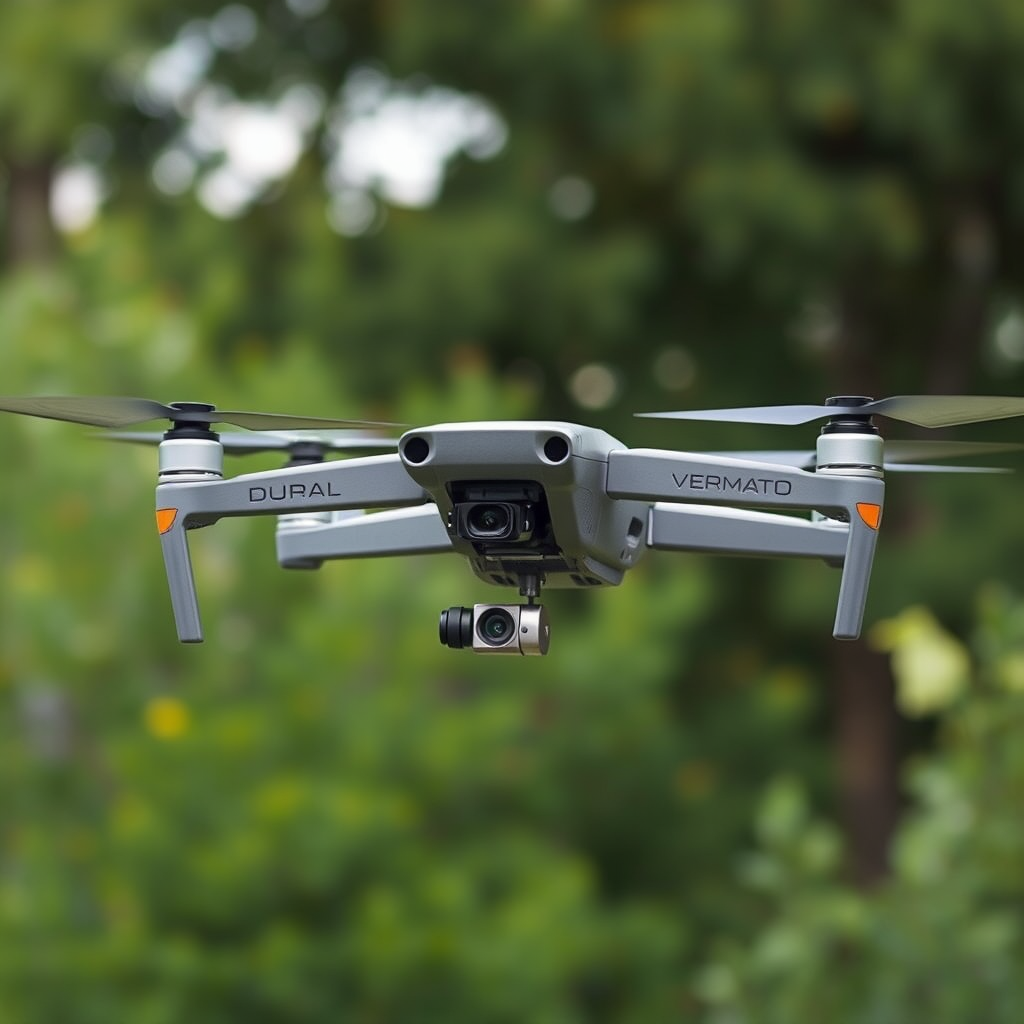
The Federal Aviation Administration (FAA) sets a maximum altitude of 400 feet for recreational and commercial drone use in the United States. This regulation is in place to maintain airspace safety and to integrate drones into the national airspace system without disrupting manned aircraft operations. For instance, flying above this limit could pose significant risks as it can lead drones into the flight paths of helicopters and small planes that operate at lower altitudes.
It is essential to note that there are exceptions to this rule. In controlled airspace, such as near airports, drone operators may be required to obtain permission before flying, and they might be limited to even lower altitudes. Additionally, certain commercial operations, like those involving agricultural drones or inspection services, may have specific authorizations to fly higher than the standard 400 feet, provided they adhere to stringent safety protocols and receive appropriate waivers.
Types of Drones and Their Capabilities
Drones come in various shapes and sizes, each designed for specific purposes, and their altitude capabilities differ accordingly. Consumer drones, which are commonly used for recreational purposes and amateur photography, typically have a flight ceiling of around 400 feet. Popular models from brands like DJI or Parrot adhere to this limit, ensuring compliance with regulations while providing enthusiasts with impressive aerial photography capabilities.
On the other hand, professional-grade drones, often utilized in industries such as surveying, mapping, or search and rescue, may offer higher altitude capabilities. These drones can often fly slightly above the 400-foot limit, especially when equipped with advanced technology that allows for enhanced stability and navigation.
Moreover, specialized drones used for military applications or scientific research can achieve altitudes far exceeding the 400-foot guideline, with some capable of reaching heights over 10,000 feet. For instance, military surveillance drones like the MQ-9 Reaper can fly at altitudes around 25,000 feet, enabling them to gather intelligence from a greater distance while remaining undetected.
Factors Influencing Drone Altitude
Several factors can influence a drone’s ability to maintain altitude, and understanding these is crucial for effective drone operation. Environmental factors play a significant role, as weather conditions such as wind speed, rain, and temperature can impact flight performance. For instance, high winds can make it challenging for a drone to stabilize, potentially requiring operators to fly at lower altitudes to ensure control.
Air density is another critical factor. Drones operate in a less dense atmosphere at higher altitudes, which can affect lift and overall performance. As altitude increases, the air becomes thinner, and a drone may require more power to maintain flight, which can lead to battery drain. This is particularly important for drone pilots to consider when planning flights in mountainous regions or during high-altitude missions.
Additionally, the weight of the drone and its payload significantly influences its maximum flight height. Heavier drones or those carrying additional equipment, such as cameras or sensors, may struggle to reach or maintain the optimal altitude. Drone operators need to be mindful of their drone’s specifications and payload capacity, as exceeding these limits can lead to inefficient flight performance and potential accidents.
Safety Considerations When Flying Drones
Safety should always be a paramount concern when operating drones, especially at higher altitudes. Maintaining a visual line of sight with the drone is not only a regulatory requirement in many jurisdictions but also a crucial safety measure. This practice allows operators to monitor the drone’s position relative to obstacles, such as trees, buildings, and other aircraft, which could pose hazards at various altitudes.
Additionally, drone pilots should be aware of their surroundings and the airspace they are entering. For instance, flying near airports, crowded areas, or other restricted zones can lead to dangerous situations. Understanding local regulations, including temporary flight restrictions due to events or emergencies, is essential for safe flying practices.
Moreover, operators should be equipped with knowledge about emergency procedures. This includes what to do in case of a drone malfunction or signal loss. For example, many modern drones come with automatic return-to-home features that activate when the battery is low or the connection is lost, but understanding how and when to manually intervene is crucial for safety.
Best Practices for High-Altitude Drone Flights
When planning high-altitude drone flights, it is vital to conduct thorough pre-flight checks. This includes inspecting all systems, ensuring the battery is fully charged, and verifying that the drone’s navigation and stabilization systems are functioning correctly. Pre-flight checklists can help operators identify potential issues before launching, thereby reducing the risk of accidents.
In addition, many drone models come equipped with altitude-limiting features that allow operators to set maximum flight heights. Utilizing these features can prevent unintentional breaches of altitude regulations and help ensure compliance with local laws. Setting these limits also allows for safer operations, particularly in urban settings or near obstacles.
Furthermore, operators should stay updated on advancements in drone technology and regulations. Continuous learning about new features, safety protocols, and emerging trends in the drone industry can enhance both operational efficiency and safety.
Local Regulations and Permissions
Understanding local laws and regulations regarding drone flights is crucial for all operators. The rules can vary significantly by location and may be influenced by factors such as population density, proximity to airports, and specific local ordinances. For instance, some municipalities may have stricter regulations that limit drone flights in parks or residential areas to protect wildlife and privacy.
Before flying, it is essential to check for any required permits or authorizations, especially for flights above the standard altitude limits or in controlled airspace. Some regions may have designated drone zones, while others may completely prohibit drone activities. Staying informed about these regulations can help avoid legal repercussions and ensure responsible flying practices.
Additionally, joining local drone associations or online communities can provide valuable resources for understanding regional regulations and gaining insights from experienced pilots. These networks often share information about upcoming changes in laws, safety tips, and best practices for flying in specific areas.
In conclusion, while most drones are limited to a maximum altitude of 400 feet, various factors can influence how high they can actually fly. Regulatory guidelines, drone type, environmental conditions, and safety considerations all play a vital role in determining altitude limits. By understanding these factors and adhering to local regulations, drone operators can ensure safe and responsible operation. For those interested in exploring drone flying further, consider researching local laws and investing in a quality drone that meets your needs, while always prioritizing safety and compliance.
Frequently Asked Questions
What is the maximum altitude a drone can legally fly?
In the United States, the Federal Aviation Administration (FAA) regulates drone flight, permitting most recreational and commercial drones to fly up to a maximum altitude of 400 feet above ground level. This limit helps prevent collisions with manned aircraft while ensuring safety in shared airspace. Always check local regulations, as they may impose additional restrictions.
How do weather conditions affect a drone’s flying altitude?
Weather conditions such as wind speed, temperature, and visibility can significantly impact a drone’s flying altitude and overall performance. High winds can make it challenging to maintain stable flight, potentially requiring lower altitudes for safety. Additionally, flying in poor visibility conditions may necessitate staying closer to the ground to navigate effectively and avoid obstacles.
Why are there altitude restrictions for drones?
Altitude restrictions for drones primarily exist for safety reasons, particularly to avoid collisions with manned aircraft operating in the same airspace. By limiting drone flights to 400 feet, regulatory bodies like the FAA aim to create a safer environment for all air traffic. These restrictions also help preserve the airspace for emergency services, aviation operations, and overall public safety.
What are the best practices for flying drones at high altitudes?
When flying drones at higher altitudes, it’s essential to adhere to legal limits, conduct thorough pre-flight checks, and monitor weather conditions closely. Pilots should maintain visual line-of-sight with their drones and be aware of airspace restrictions. Additionally, using GPS and altitude hold features can help ensure a stable flight and avoid unintentional altitude breaches.
Which drones are capable of flying at higher altitudes?
While most consumer drones are limited to 400 feet for safety and legal reasons, some specialized drones, such as those used in scientific research or commercial applications, can fly higher. Drones equipped with advanced flight technology, such as high-performance motors and enhanced battery life, can reach altitudes of 1,000 feet or more, but these flights are usually subject to strict regulations and require special permissions from aviation authorities.
References
- https://en.wikipedia.org/wiki/Drone
- https://www.faa.gov/uas/getting_started/part_107/
- https://www.faa.gov/uas/
- https://www.nytimes.com/2022/03/30/technology/drone-regulations.html
- https://www.abc.net.au/news/science/2021-09-15/drone-technology-and-its-future/100463442
- https://www.theguardian.com/technology/2021/oct/10/drone-regulations-uk-what-you-need-to-know
- https://www.sciencedirect.com/science/article/pii/S2351978921000585
- https://www.reuters.com/technology/drone-flying-rules-regulations-2021-02-25/
