
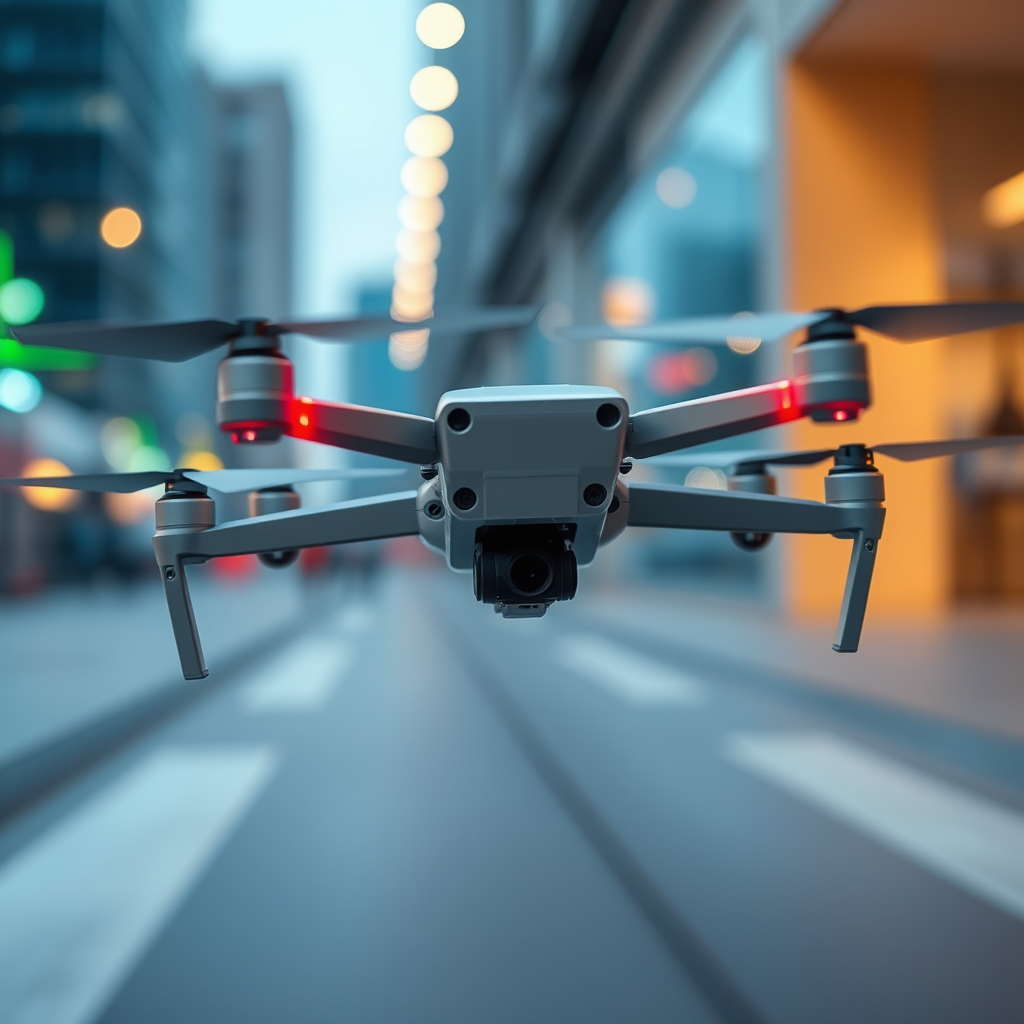
Drones can reach speeds of up to 160 mph (257 km/h), depending on their type and purpose. This remarkable speed varies significantly across different models and usage scenarios, with racing drones emerging as the fastest performers in the field. Additionally, advancements in technology and design continue to redefine these speed limits. In this article, we will delve into the speeds of various drone types, the factors influencing their capabilities, and their real-world applications.
Understanding Drone Categories
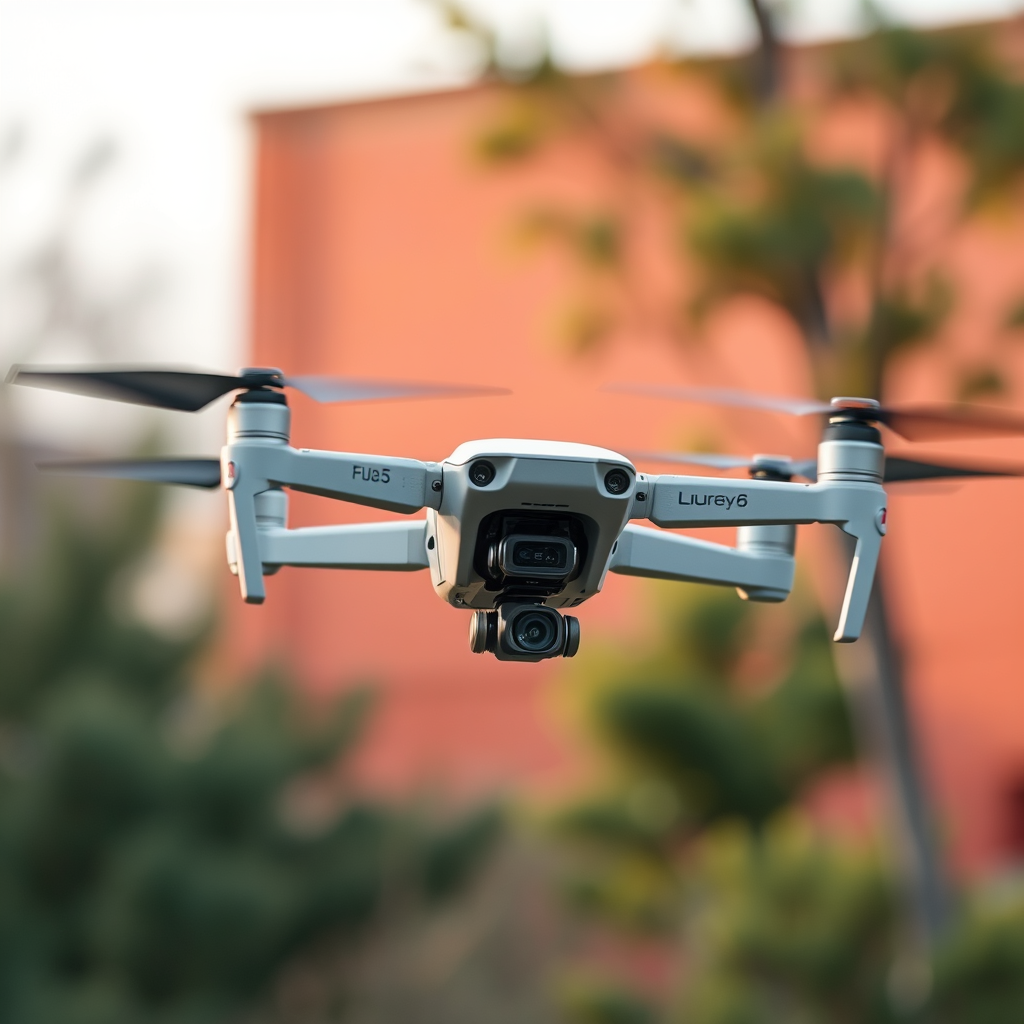
Drones can be classified into several categories based on their design, functionality, and intended use.
– Consumer Drones: Typically designed for recreational use and aerial photography, consumer drones generally range from 15 to 50 mph (24 to 80 km/h). Popular models like the DJI Mavic Air 2 can reach speeds of up to 42 mph (68 km/h), making them suitable for casual use while still providing decent performance for capturing high-quality images and videos.
– Racing Drones: These specialized drones are engineered for speed and agility, often exceeding 100 mph (160 km/h) in competitive environments. Racing drones, such as those used in the Drone Racing League (DRL), are built with lightweight materials and optimized aerodynamics that allow them to achieve remarkable velocities while maneuvering through challenging courses. Their design focuses on high-speed performance, making them the fastest category of drones currently available.
Factors Influencing Drone Speed
Several critical factors contribute to the speed capabilities of drones, impacting both their performance and usability.
– Drone Design: The aerodynamics of a drone play a vital role in its speed. Drones with streamlined shapes and reduced drag can maintain higher speeds more efficiently. Weight is another significant factor; lighter drones can accelerate faster than heavier counterparts. For instance, racing drones utilize carbon fiber materials to reduce weight without sacrificing structural integrity.
– Motor Power: The strength and efficiency of the drone’s motors directly influence its acceleration and top speed. High-performance drones often feature brushless motors that provide better power-to-weight ratios and improved responsiveness. The combination of advanced motor technology and optimized propeller designs allows these drones to achieve significant speeds quickly.
Speed Comparisons: Drones vs. Other Aircraft
To better understand drone performance, it is helpful to compare their speeds with other types of aircraft.
– Drones vs. Helicopters: Generally, drones have higher speeds than traditional helicopters. While most helicopters operate at speeds between 100 to 140 mph (160 to 225 km/h), high-performance drones can easily exceed these limits. For example, the DJI Matrice 600, a popular commercial drone, can reach speeds of around 40 mph (64 km/h), whereas specialized racing drones can surpass 100 mph (160 km/h), showcasing their superior speed capabilities.
– Drones vs. Airplanes: While drones offer impressive speed, they still lag behind most commercial airplanes. Commercial jets typically cruise at speeds ranging from 500 to 600 mph (805 to 965 km/h). However, drones excel in their agility and ability to operate in confined spaces, which is often more valuable than raw speed in certain applications.
Technological Advancements in Drone Speed
The evolution of drone technology has led to significant enhancements in speed and performance.
– Battery Technology: Improvements in battery design and efficiency can substantially affect a drone’s speed. Lithium polymer (LiPo) batteries, commonly used in drones, are lightweight and provide high discharge rates, allowing for increased power output. As battery technology continues to advance, drones will likely benefit from longer flight times and higher speeds without compromising performance.
– Software Optimization: Advanced software algorithms play a crucial role in maximizing a drone’s flight efficiency and speed. Features such as GPS-assisted flight, real-time data processing, and intelligent flight modes allow drones to navigate complex environments more effectively. Companies are continually investing in software development to enhance drone performance, enabling them to operate at higher speeds while maintaining stability and control.
Real-World Applications Based on Speed
The speed capabilities of drones have led to innovative applications that are transforming various industries.
– Delivery Services: The rise of e-commerce has prompted companies to explore faster drone delivery options. Drones capable of high speeds can significantly reduce delivery times for packages, especially in urban areas. For instance, companies like Amazon have been experimenting with drone delivery systems that aim to achieve speeds sufficient for same-day or even within-hours delivery.
– Emergency Response: High-speed drones are invaluable during emergencies, as they can reach remote areas quickly to deliver medical supplies, assess damage, or provide real-time surveillance. For example, during natural disasters, drones equipped with thermal imaging can quickly locate survivors or assess the impact of the event, making them essential tools for first responders.
The Future of Drone Speed
Looking ahead, the potential for increased drone speeds continues to capture the interest of researchers and developers.
– Research Trends: Ongoing studies are focused on developing drones capable of achieving even higher speeds. Innovations such as hybrid propulsion systems and advanced aerodynamic designs are being explored to push the boundaries of what drones can achieve. As technology progresses, we may see drones that can rival the speeds of small aircraft.
– Regulatory Changes: As drone technology evolves, regulatory frameworks will also need to adapt. Future regulations may influence how fast drones can operate legally, particularly in urban environments where safety and airspace management are paramount. Understanding these regulations will be crucial for manufacturers and operators as they develop and deploy high-speed drones.
In conclusion, drone speeds vary widely based on type and purpose, with advancements in technology continually pushing these limits. Factors such as design and motor power play a significant role in determining speed capabilities across different categories of drones. The comparisons with other aircraft highlight the unique advantages of drones despite their relatively slower speeds. As we look to the future, ongoing research and regulatory developments will likely shape the landscape of drone technology, making it essential for consumers and businesses to stay informed about the latest innovations and speed capabilities.
Frequently Asked Questions
What is the average speed of consumer drones?
The average speed of consumer drones typically ranges between 25 to 50 miles per hour (40 to 80 kilometers per hour). This speed can vary based on the model, battery capacity, and design purpose. High-performance racing drones can reach speeds exceeding 100 miles per hour, while camera drones are optimized for stability and may operate at lower speeds for better image quality.
How fast can professional drones travel for commercial use?
Professional drones designed for commercial applications, such as surveying or delivery, can travel at speeds up to 60 miles per hour (97 kilometers per hour) or more. These drones are engineered for efficiency and range, allowing them to cover large areas quickly, which is essential for industries like agriculture, real estate, and logistics.
Why do some drones fly faster than others?
The speed of a drone is influenced by several factors, including its motor power, weight, aerodynamics, and design specifications. Racing drones, for example, are built for agility and speed, featuring lightweight frames and powerful motors. In contrast, camera drones prioritize stability and payload capacity, which can limit their maximum speed.
What is the fastest commercial drone available on the market?
As of 2023, the fastest commercial drone is the DJI FPV, which can reach speeds of up to 87 miles per hour (140 kilometers per hour). This drone is designed for first-person view racing and high-speed aerial maneuvers, making it popular among enthusiasts and professionals seeking thrilling aerial footage.
Which factors affect a drone’s speed and performance?
Several factors can affect a drone’s speed and performance, including battery life, weight, wind conditions, and flight mode. Heavier drones may struggle to achieve higher speeds due to the increased energy required for lift. Additionally, adverse weather conditions like strong winds can significantly impact a drone’s ability to maintain speed, making it crucial for operators to consider these elements when planning flights.
References
- https://en.wikipedia.org/wiki/Drone
- https://www.faa.gov/uas/recreational_fliers/
- https://www.reuters.com/technology/us-drone-delivery-startups-are-racing-keep-up-with-demand-2021-03-24/
- https://www.bbc.com/news/technology-57743018
- https://www.sciencedirect.com/science/article/pii/S2096579621000829
- https://www.nasa.gov/press-release/nasa-s-bluesky-drone-project-reveals-what-future-drone-flights-could-look-like
- https://www.itu.int/en/ITU-T/Study-Groups/2017-2020/20/Pages/default.aspx
- https://www.ncbi.nlm.nih.gov/pmc/articles/PMC6119445/
