
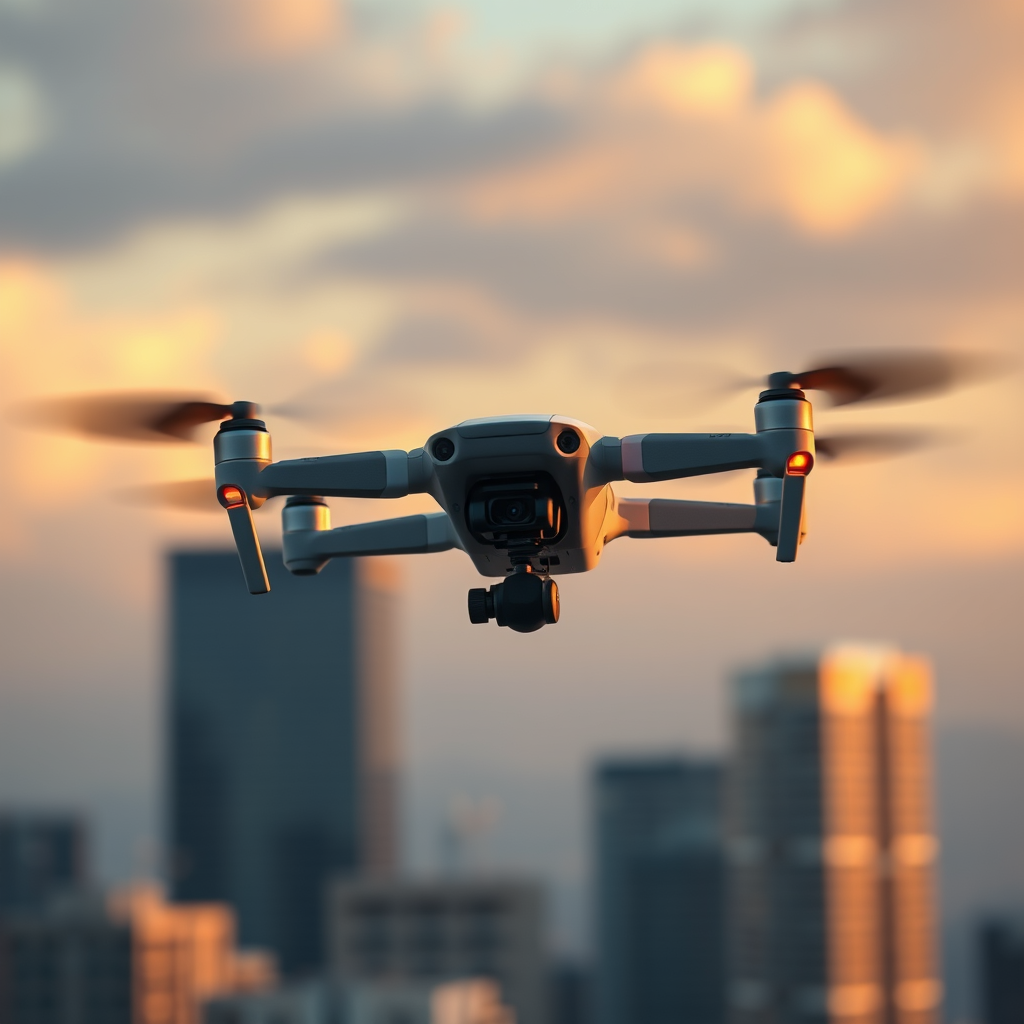
Drones can typically fly up to 400 feet (120 meters) above ground level, but this altitude limit can vary based on several factors, including regulations, the type of drone, and the operational context. Understanding these limitations is critical for drone operators to ensure compliance with legal requirements and to promote safety during flights. In this article, we will delve into the specific regulations governing drone flight, examine the capabilities of various drone types, and discuss other factors that can influence how high a drone can safely ascend.
Understanding Drone Flight Regulations
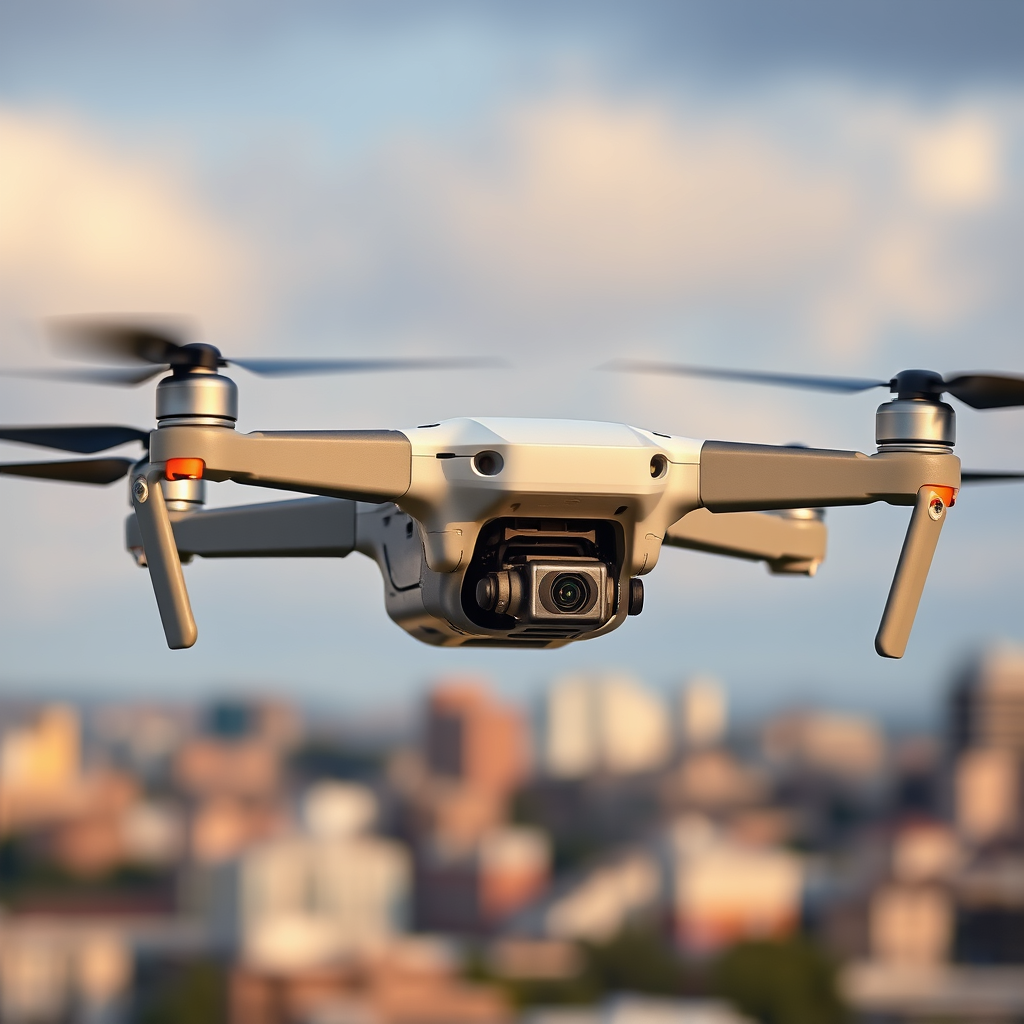
The Federal Aviation Administration (FAA) in the United States provides comprehensive guidelines that dictate the altitude limits for drone operations. According to the FAA, recreational drone users are restricted to a maximum altitude of 400 feet above ground level. This regulation is designed to minimize the risk of collisions with manned aircraft, which typically fly at higher altitudes. Additionally, local laws and ordinances may impose extra restrictions depending on the geographical area. For instance, in urban settings, flying drones near schools, parks, or crowded events may be prohibited altogether, further limiting the effective altitude of operations in these spaces. Therefore, drone operators must familiarize themselves with both federal and local regulations to ensure compliance and safety.
Types of Drones and Their Altitude Capabilities
Different types of drones have varying altitude capabilities that can affect their operational use. Consumer drones, commonly used for recreational purposes such as photography and videography, typically adhere to the 400-foot limit set by the FAA. These drones are designed for ease of use and often come equipped with built-in altitude sensors to assist operators in maintaining their desired height.
On the other hand, professional drones, which are utilized in sectors like filmmaking, agriculture, and surveying, may feature advanced technologies that allow for modified flight capabilities. For example, certain agricultural drones can be programmed to fly at higher altitudes to cover larger fields or to avoid obstacles while surveying crops. In some cases, commercial drones may also be permitted to operate above 400 feet when the mission requires it and when special permissions are obtained from the FAA. This distinction is significant for businesses looking to leverage drone technology for operational efficiencies.
Factors Affecting Drone Altitude
Several factors can impact how high a drone can safely fly during an operation. Weather conditions play a crucial role; for instance, high winds, rain, or snow can hinder a drone’s stability and make high-altitude flights unsafe. Drone operators should always check weather forecasts before takeoff and avoid flying in adverse conditions to ensure the drone remains under control.
Additionally, battery life and payload weight are critical considerations. Drones have a limited flight time, which can be significantly reduced if they are carrying heavy payloads. For instance, a drone carrying a high-resolution camera may have a shorter flight duration than one without additional equipment. This reduction in battery life can also affect the drone’s ability to ascend to its maximum altitude. Operators must account for these variables and plan their flights accordingly to maintain safety and operational efficiency.
Safety Considerations When Flying Drones
Safety is paramount when it comes to drone operation. To comply with regulations and to protect public safety, drone operators should avoid flying near airports or crowded areas. The FAA has designated specific no-fly zones around airports to prevent potential collisions with manned aircraft, and violations can lead to severe penalties.
Furthermore, operators should always be vigilant about obstacles such as trees, buildings, and power lines. Even within the permissible altitude range, these obstacles can pose significant risks. Utilizing a drone’s obstacle detection systems can help mitigate these dangers, but operators should always remain aware of their surroundings and maintain visual line-of-sight with their drone.
The Role of GPS in Drone Altitude Control
GPS technology is integral to maintaining altitude stability during drone flights. Most modern drones are equipped with GPS systems that allow them to lock onto their location and maintain a stable altitude. This technology helps ensure that the drone does not unintentionally drift away from its intended flight path or altitude.
Additionally, many drones come equipped with altitude hold features, which enable operators to set a specific altitude for the drone to maintain automatically. This feature is particularly beneficial for users who may not have extensive piloting experience, as it simplifies the control process and reduces the likelihood of altitude-related accidents.
Future Trends in Drone Flight Regulations
As drone technology continues to evolve, so too do the discussions surrounding flight regulations. There is ongoing dialogue among industry stakeholders, regulators, and policymakers about the potential for expanding altitude limits for commercial drone operations. As the demand for drone applications in industries such as delivery services, infrastructure inspection, and emergency response grows, regulatory frameworks may adapt to accommodate these new uses.
Moreover, advancements in drone technology, such as improved battery life, enhanced sensors, and artificial intelligence, could lead to safer and more efficient operations at higher altitudes. These developments may result in revisions to current regulations, enabling operators to take full advantage of the capabilities of next-generation drones.
In conclusion, while consumer drones are typically limited to a maximum altitude of 400 feet, various factors influence how high they can fly, including regulations, drone type, weather conditions, and operational considerations. Understanding these elements is essential for responsible drone operation and compliance with the law. As technology progresses and regulations evolve, staying informed will be crucial for both recreational and commercial drone users aiming to navigate the skies safely.
Frequently Asked Questions
What is the maximum altitude a drone can fly legally?
In the United States, the Federal Aviation Administration (FAA) mandates that recreational drones cannot exceed an altitude of 400 feet above ground level. For commercial drone operations, the altitude limit is also typically set at 400 feet, unless the drone is flying within a specific airspace where higher altitudes may be allowed with proper authorization. Adhering to these regulations is crucial for safety and compliance.
How do weather conditions affect how high a drone can fly?
Weather conditions significantly impact a drone’s flying capabilities and safety. High winds, rain, or extreme temperatures can affect a drone’s performance and stability at altitude. It’s advisable to avoid flying in strong winds or severe weather, as these conditions can hinder control and increase the risk of crashes, regardless of legal altitude limits.
Why is there a height limit for flying drones?
The height limit for flying drones is primarily implemented to ensure safety in the airspace and prevent collisions with manned aircraft. By restricting drones to a maximum altitude of 400 feet, regulatory bodies like the FAA can maintain a safer environment for all air traffic, including helicopters and planes, thus minimizing the risk of accidents and injuries.
What types of drones can fly the highest?
Racing drones and some high-end consumer drones are engineered to fly at greater altitudes compared to standard models. For instance, professional racing drones can often reach heights exceeding 500 feet, but these flights may not comply with legal regulations unless special permissions are obtained. It’s essential to choose a drone that suits your needs while remaining within legal limits for safe operation.
Which factors should I consider when determining how high to fly my drone?
When deciding how high to fly your drone, consider factors such as local regulations, the purpose of your flight (e.g., photography, racing, or surveying), and environmental conditions like wind speed and visibility. Additionally, the type of drone you are using can impact its performance at various altitudes. Always prioritize safety and compliance with laws to ensure a successful flying experience.
References
- https://en.wikipedia.org/wiki/Drone
- https://www.faa.gov/uas/commercial_operators/part_107_operations
- https://www.ncbi.nlm.nih.gov/pmc/articles/PMC6511084/
- https://www.nasa.gov/aeroresearch/programs/aavp/drones
- https://www.wired.com/story/how-high-can-drones-fly/
- https://www.theguardian.com/technology/2020/jan/25/what-is-the-maximum-height-a-drone-can-fly
