
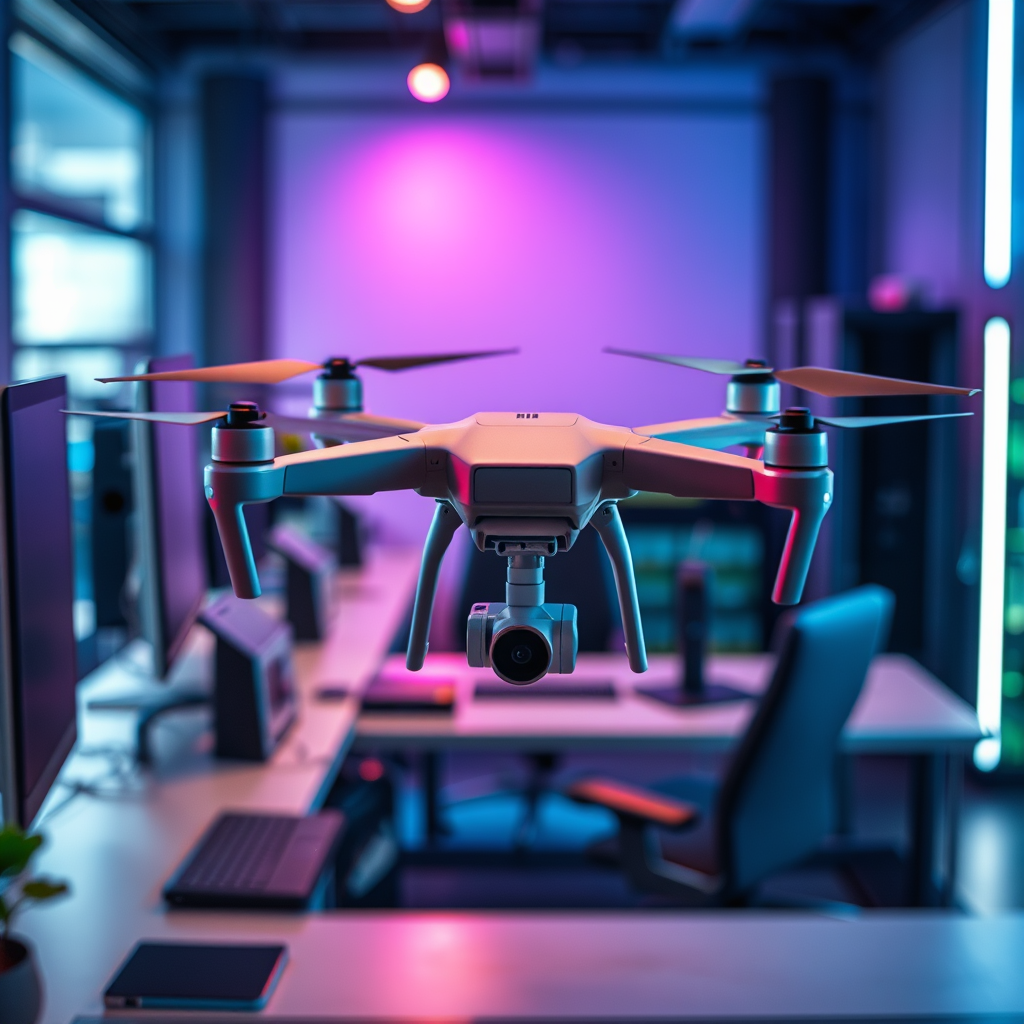
Drones can legally fly up to 400 feet above ground level in most areas, according to regulations set by aviation authorities like the FAA. Understanding these limits is crucial for drone operators to ensure safe and compliant flying. This article explores the legal altitude restrictions for drones, factors that may influence these limits, and tips for responsible drone operation.
Understanding FAA Regulations
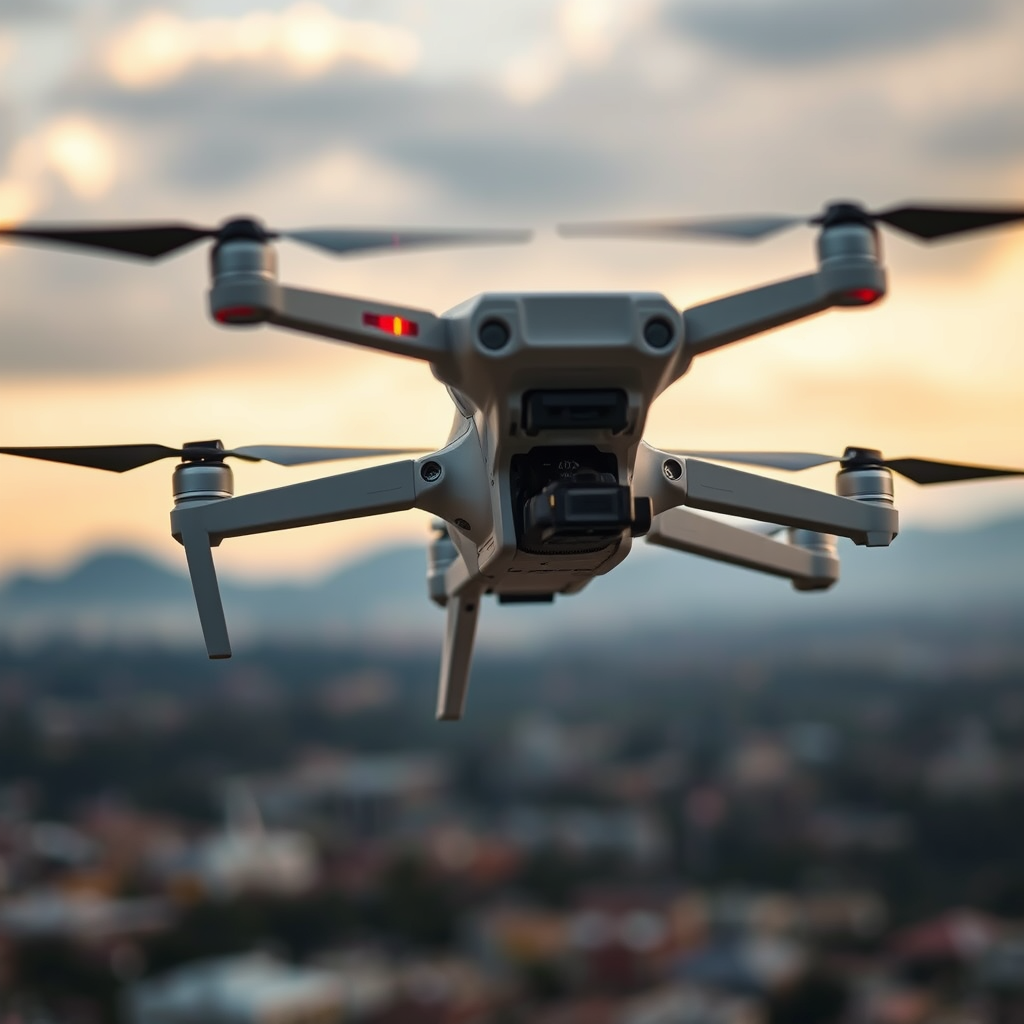
The Federal Aviation Administration (FAA) is the primary governing body in the United States responsible for regulating all aspects of civil aviation, including drone operations. For both recreational and commercial drone users, the FAA has established a maximum altitude limit of 400 feet above ground level. This regulation is designed to minimize the risk of collisions with manned aircraft, which generally operate at higher altitudes.
Additionally, it is important to note that drones must always remain within the visual line-of-sight of the operator. This requirement not only enhances safety by allowing the operator to maintain control of the drone but also ensures that they can respond to any unexpected situations that may arise during flight. Visual line-of-sight means that the operator must be able to see the drone without any aids, such as binoculars or telescopes, which further emphasizes the importance of flying within the prescribed limits.
Operators should also be aware of the need to register their drones with the FAA if they weigh more than 0.55 pounds. This registration process includes providing the FAA with specific details about the drone and the operator, which helps in maintaining accountability and safety within the airspace.
Factors Affecting Maximum Altitude
While the FAA establishes a blanket altitude limit, several factors can influence the maximum altitude at which a drone can legally fly. One of the most significant of these factors is the proximity to airports and controlled airspace. Drones flying near airports or within controlled airspace, such as Class B, C, D, and E zones, may face additional restrictions that limit their operational altitude. For instance, drones may be required to stay below 200 feet or maintain a certain distance from the airport’s flight paths.
Local laws and regulations can also impact drone flight heights. Some municipalities or states may impose stricter altitude restrictions for drones to protect residential areas, wildlife habitats, or sensitive locations. Operators must research and comply with these local regulations to avoid legal repercussions and ensure community safety.
Moreover, temporary flight restrictions (TFRs) may be implemented in specific areas, such as during major events, natural disasters, or military operations. These restrictions can alter the permissible flight altitude and area for drones, making it essential for operators to stay informed about any TFRs that may affect their planned flight.
Types of Drones and Their Altitude Limits
The type of drone being operated can also determine its altitude limits. Recreational drones, which are used primarily for personal enjoyment, typically adhere to the standard 400-foot limit set forth by the FAA. These drones are often lightweight and designed for casual flight, making compliance with regulations relatively straightforward.
On the other hand, commercial drones, which are utilized for professional purposes such as aerial photography, surveying, or agricultural monitoring, may have different guidelines based on their intended use. Depending on the specific application, commercial drone operators can apply for special waivers or exemptions that allow them to fly at higher altitudes. For example, a commercial operator conducting a mapping survey may be granted a waiver to fly up to 600 feet to capture more detailed aerial images.
Additionally, some advanced drone models are equipped with technology that can assist operators in adhering to these altitude limits. Features such as geofencing and altitude limiters can be programmed to prevent drones from flying above the legal threshold, enhancing safety and compliance.
Safety Considerations for Flying Drones
Safety should always be a top priority when operating a drone, especially when flying at or near the maximum legal altitude. One of the fundamental safety considerations is to avoid flying near populated areas, buildings, or wildlife. High-altitude flights in crowded areas can result in accidents that pose risks to public safety and may lead to legal consequences for the operator.
Moreover, environmental factors such as weather conditions play a crucial role in drone stability during flight. Operators should always check the weather forecast before flying, as strong winds, rain, or thunderstorms can significantly affect drone performance, particularly at higher altitudes. High winds can make it challenging to control the drone, increasing the risk of crashes or loss of the aircraft.
Another safety consideration involves maintaining awareness of other air traffic in the vicinity. Drones should not only comply with altitude limits but also be vigilant about the presence of manned aircraft, helicopters, or other drones that may be operating in the same airspace. Using apps or tools that provide real-time information about air traffic can assist operators in making informed decisions while flying.
Tips for Compliance and Safety
To ensure compliance with FAA regulations and promote safe drone operation, operators should take several proactive steps. First and foremost, registering your drone with the FAA is essential if it weighs more than 0.55 pounds. The registration process is straightforward and can be completed online, providing operators with a unique identification number that must be displayed on the drone.
Staying updated on local regulations and airspace classifications is crucial for compliance. Operators should familiarize themselves with the specific rules governing their flight area, including any temporary flight restrictions that may apply. This knowledge will help mitigate the risk of accidental violations.
Additionally, drone operators should conduct pre-flight checks to ensure that their equipment is functioning correctly. This includes checking battery levels, propeller condition, and overall drone integrity. Regular maintenance and adherence to manufacturer guidelines can enhance the reliability and safety of the drone.
Lastly, utilizing technology can significantly aid in compliance and safety. Many drones come equipped with GPS capabilities and altitude limiters that help operators stay within legal flying heights. Additionally, mobile applications can provide real-time information on airspace restrictions, weather conditions, and other critical data that can affect flight safety.
Consequences of Exceeding Altitude Limits
Flying a drone above the legal altitude limits can have serious consequences for operators. The FAA can impose fines and penalties on individuals who violate altitude regulations, which can range from monetary fines to more severe consequences such as the suspension of drone flying privileges. In more egregious cases, operators may face legal action or criminal charges, particularly if their actions endanger public safety or disrupt manned aircraft operations.
Exceeding altitude limits can also pose significant safety risks. Higher flights increase the likelihood of collisions with manned aircraft, which operate at altitudes above 400 feet. Such collisions can have catastrophic outcomes, not only for those involved but also for bystanders on the ground.
Furthermore, flying above the legal limits contributes to air traffic hazards and can complicate the efforts of aviation authorities to maintain safe and organized airspace. Operators who disregard altitude regulations ultimately undermine the trust and safety of the broader community and the integrity of the drone industry.
In conclusion, knowing the legal altitude limits for flying drones is essential for safe and responsible operation. By adhering to FAA regulations and local laws, drone operators can enjoy their hobby or business while minimizing risks. Staying informed about altitude restrictions, conducting thorough pre-flight checks, and prioritizing safety will help foster a positive environment for drone use. Always stay informed and fly smart!
Frequently Asked Questions
What is the maximum legal altitude a drone can fly in the United States?
In the United States, the Federal Aviation Administration (FAA) regulates drone flights, allowing operators to fly their drones up to a maximum altitude of 400 feet above ground level. This restriction helps prevent conflicts with manned aircraft, which typically fly at higher altitudes. However, if a drone is flying within a 400-foot radius of a structure, it may legally ascend up to 400 feet above that structure.
How do I check if there are any altitude restrictions for flying my drone in my area?
To check for altitude restrictions when flying your drone, you can use resources such as the FAA’s B4UFLY app, which provides real-time information on airspace restrictions and local regulations. Additionally, you can consult sectional charts, which indicate controlled airspace and any temporary flight restrictions that may apply in your area, ensuring that you remain compliant with all legal guidelines while operating your drone.
Why are there altitude limitations for drone operations?
Altitude limitations for drone operations are primarily in place to enhance safety by reducing the risk of collisions between drones and manned aircraft, which generally operate at higher altitudes. These regulations also help protect sensitive airspace, such as near airports and other critical infrastructures, ensuring that drone operators can enjoy their hobby or business without endangering public safety.
What should I do if I want to fly my drone above the legal altitude?
If you wish to fly your drone above the legal altitude of 400 feet, you will need to obtain special authorization from the FAA, typically through a Section 333 Exemption or Part 107 Waiver, which allows for specific operations not covered by standard regulations. Additionally, you must demonstrate that your flight will not pose a safety risk and comply with any conditions set forth by the FAA in the granted authorization.
Which types of drones can fly higher than 400 feet legally?
Generally, consumer drones are subject to the 400-foot altitude limit; however, some commercial drones operated under Part 107 regulations can petition for waivers to fly at higher altitudes for specific purposes like surveying or monitoring. Additionally, military drones or drones operated by government agencies may have different altitude permissions due to their operational requirements and the nature of their missions. Always check the specific regulations applicable to your drone type and operation.
References
- https://www.faa.gov/uas/getting_started/registration
- https://www.faa.gov/uas/getting_started/fly
- https://en.wikipedia.org/wiki/Drone_regulations_in_the_United_States
- https://www.reuters.com/business/aerospace-defense/us-faa-considers-raising-drone-altitude-limits-2021-12-02/
- https://www.nytimes.com/2020/10/16/us/drone-regulations-faa.html
- https://www.nasa.gov/mission_pages/SmallUAS/index.html
- https://www.cnet.com/news/drone-altitude-limit-what-you-need-to-know/
- https://www.ama-flightschool.com/drone-flying-regulations
- https://www.aopa.org/news-and-media/all-news/2020/march/12/what-drone-pilots-need-to-know-about-the-new-faa-rules
